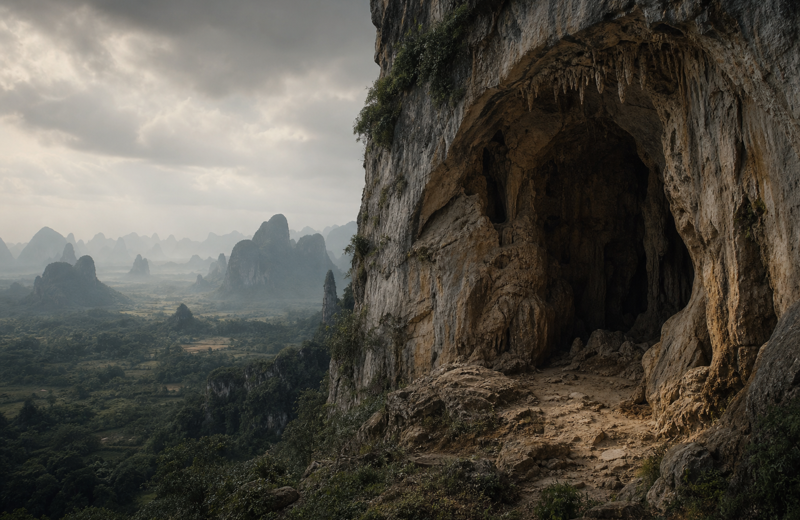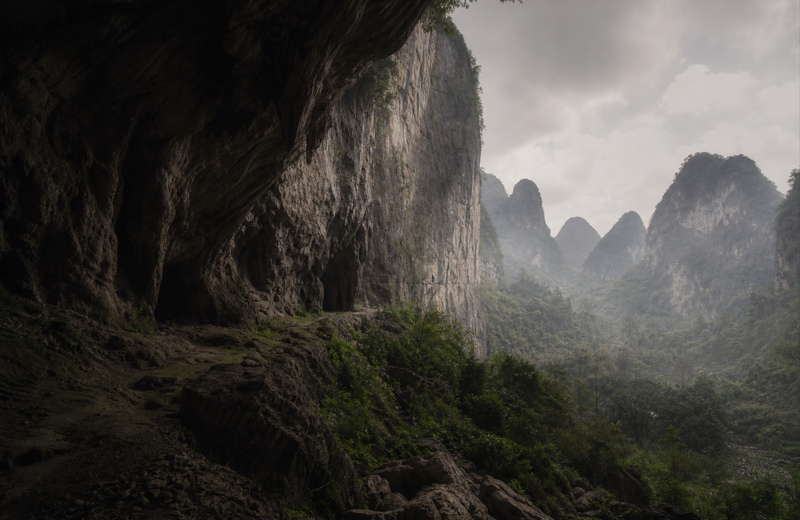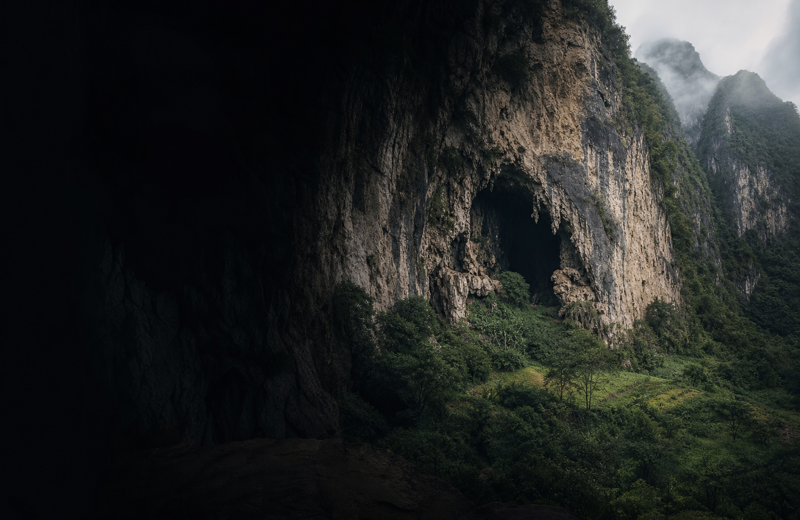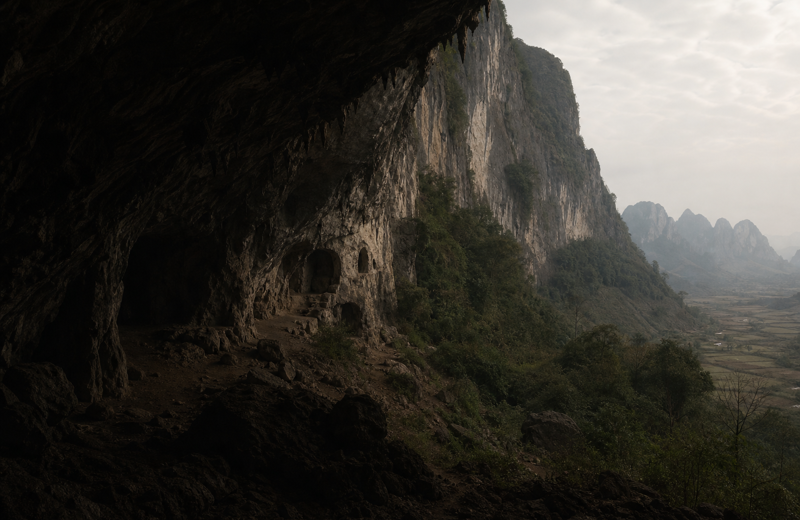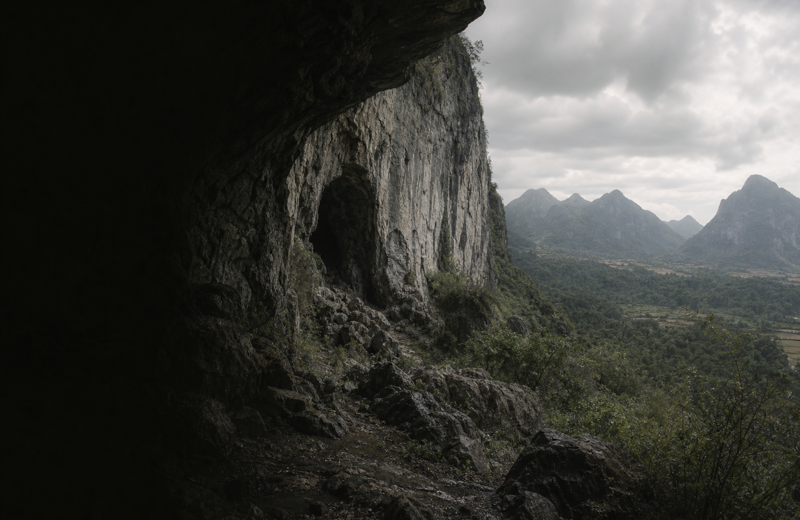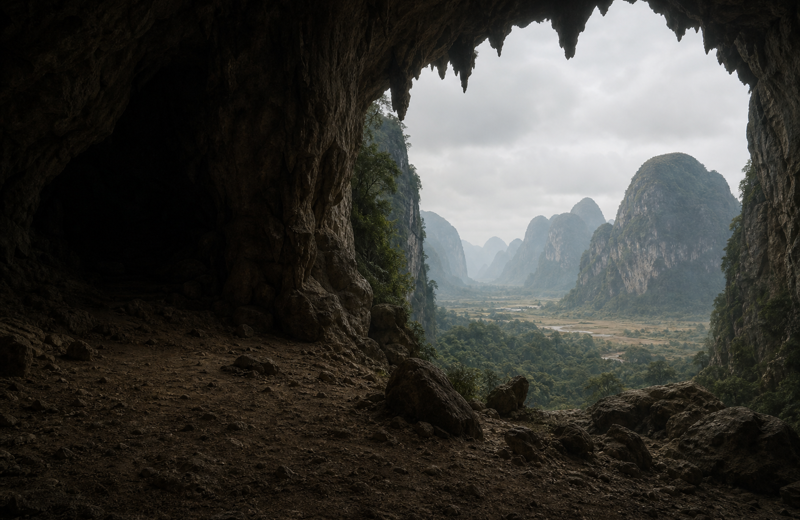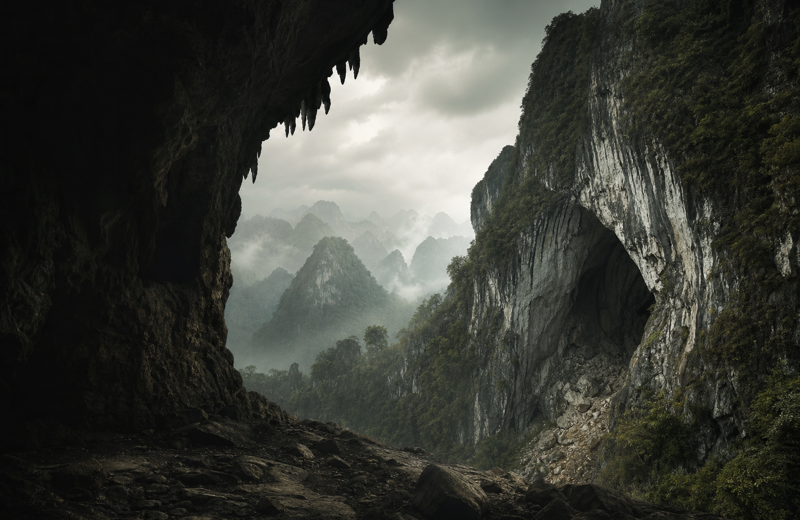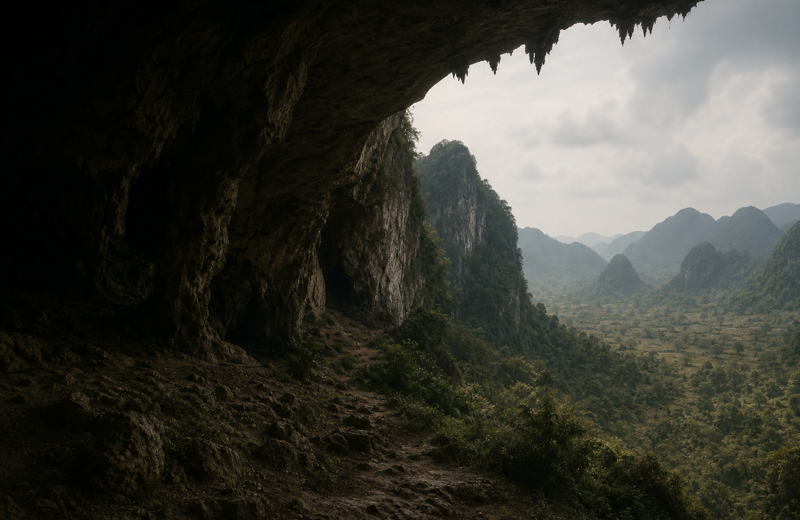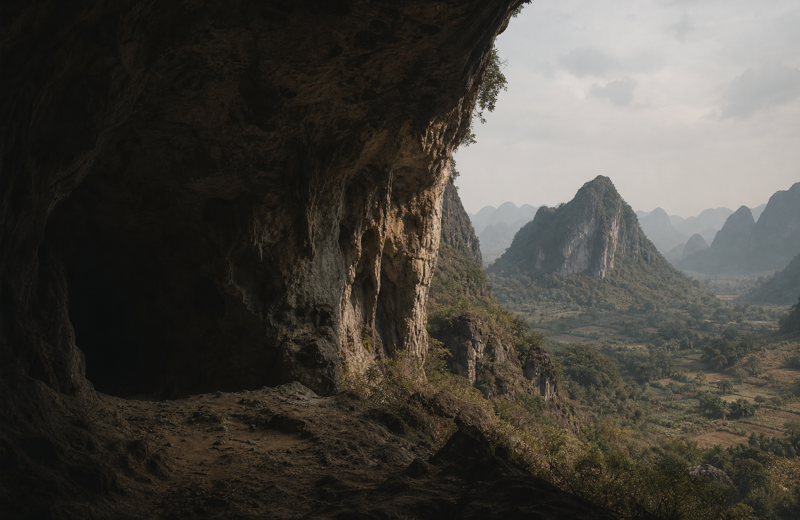
Cenxun Cave: Sui–Tang Voices from Guangxi
Three early medieval individuals linking cave archaeology in Guangxi with ancient mitochondrial lineages
הכירו את המיקום והתקופה של דגימות DNA קדום ואת המחקר שפורסם עליהן, ועיינו בתרבויות הקשורות אליהן.
עיון באוסףתוצאות 1,489 עד 1,500 מתוך 1,627
Three early medieval individuals linking cave archaeology in Guangxi with ancient mitochondrial lineages
Human remains from Guangxi that whisper of southern China during 250–550 CE
Two early medieval burials (433–644 CE) from Dahua Yao County reveal southern Chinese lifeways and maternal lineages.
A single ancient genome hints at life in Guangxi's Neolithic world (7025–6644 BCE)
A single late imperial genome from Guangxi links cave burial archaeology to maternal lineages
A single Ming‑era individual from Baitai Mountain offers a whisper of maternal ancestry in southern China.
Cave burials in Hechi reveal maternal lineages spanning late Ming to early Qing transitions
A single burial from 419–548 CE that hints at life and movement in southern China
A single maternal genome from Hechi illuminates life on the southeastern frontier during dynastic transition.
A 10,000‑year maternal lineage from Longlin Cave — single ancient mtDNA M sample
Two early medieval individuals from Guangxi speak to southern China’s shifting world
A lone mitochondrial voice from Yinwang Cave links Guangxi's past to maternal lineages of East Asia