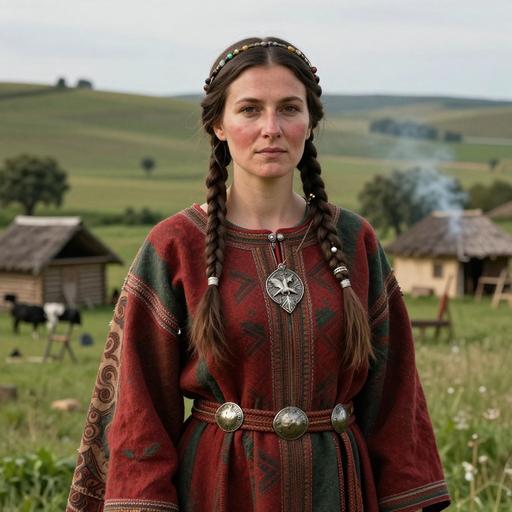
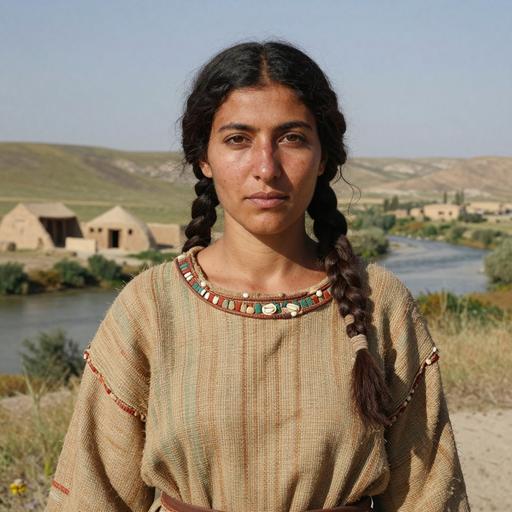
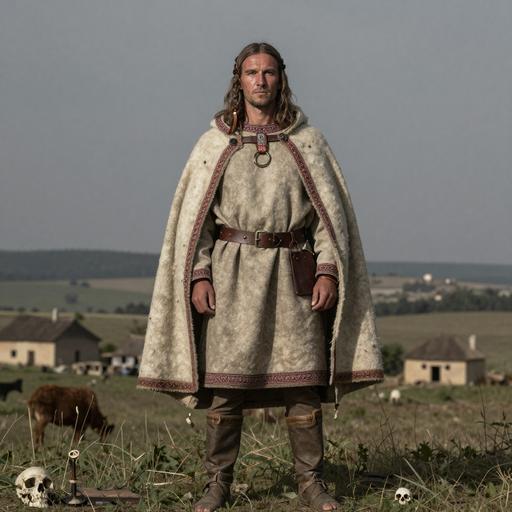
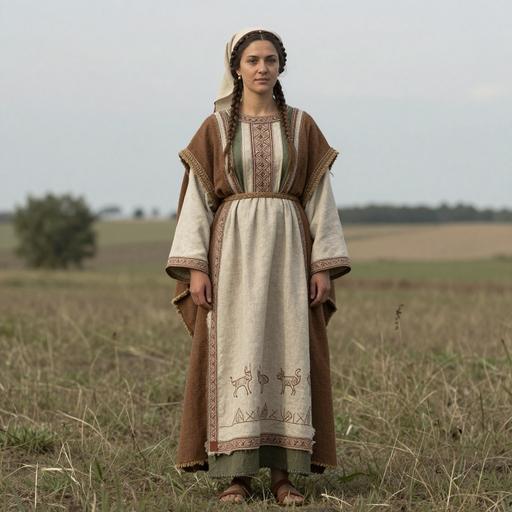
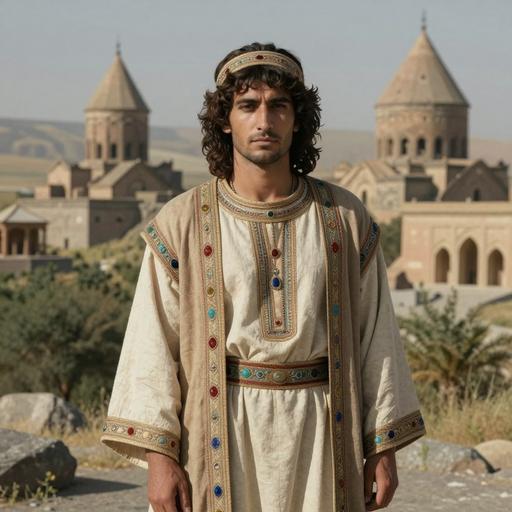
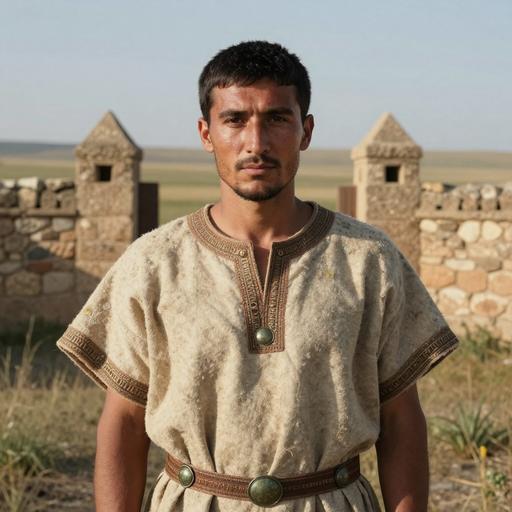
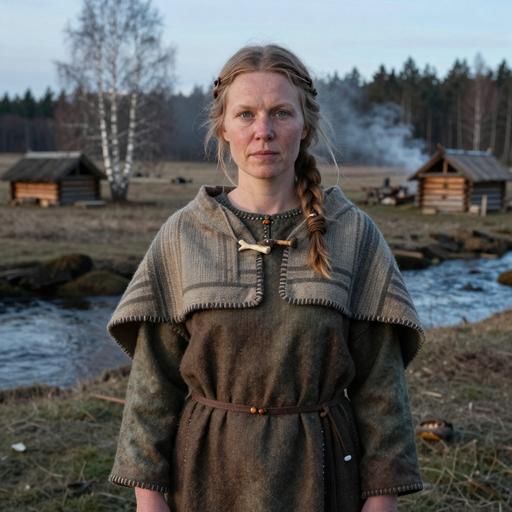
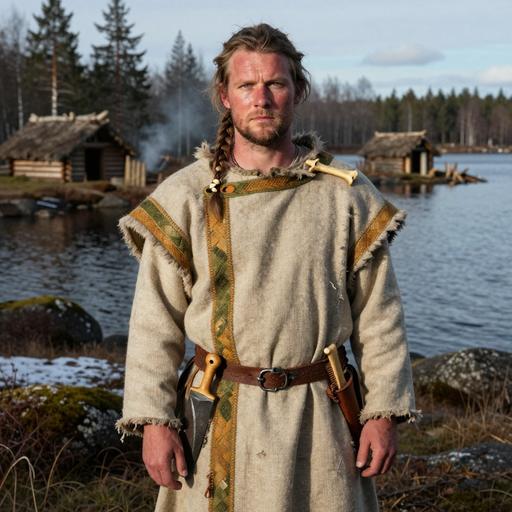
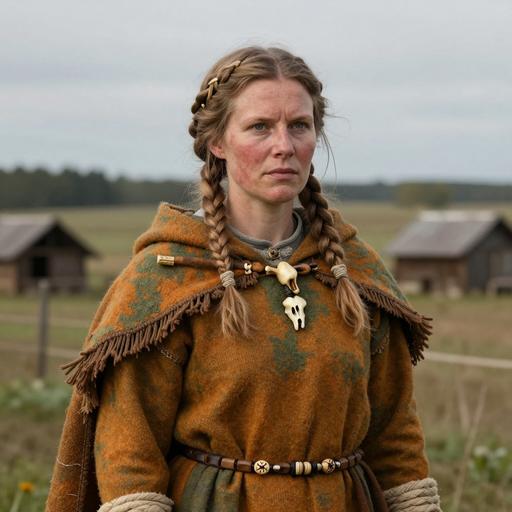
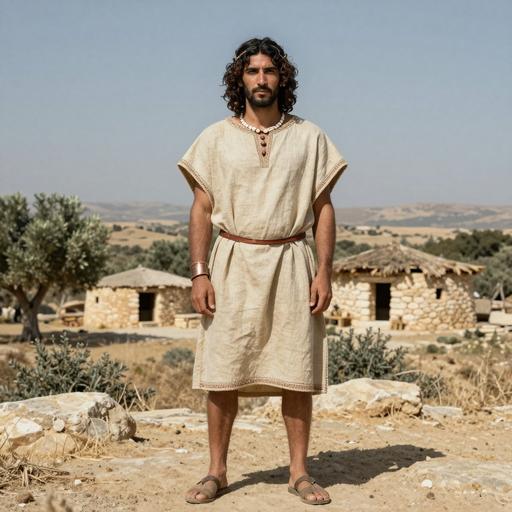
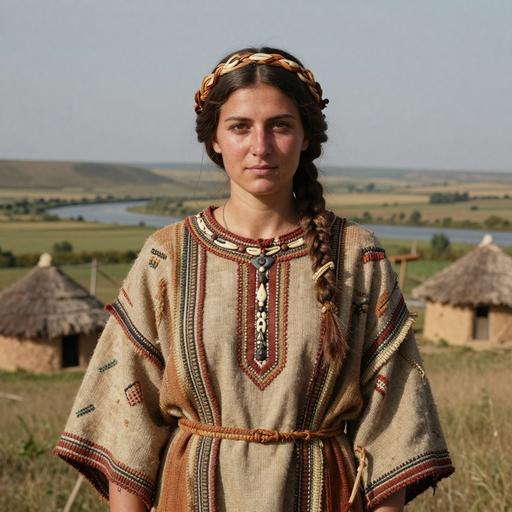
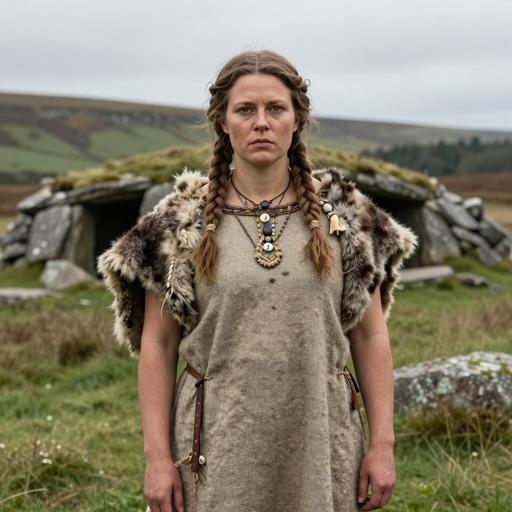
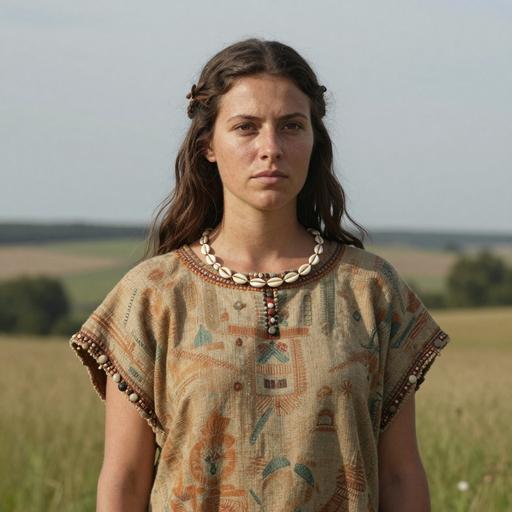
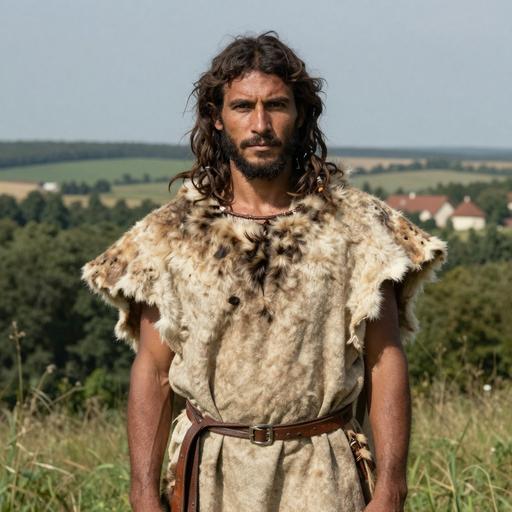
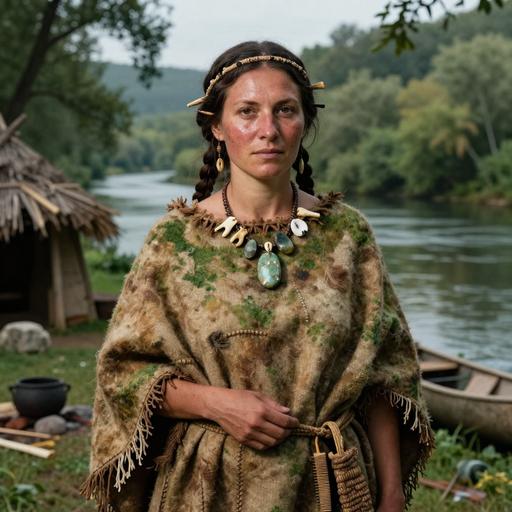
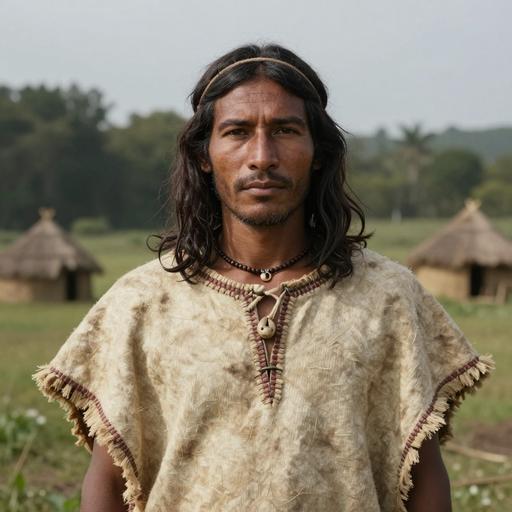
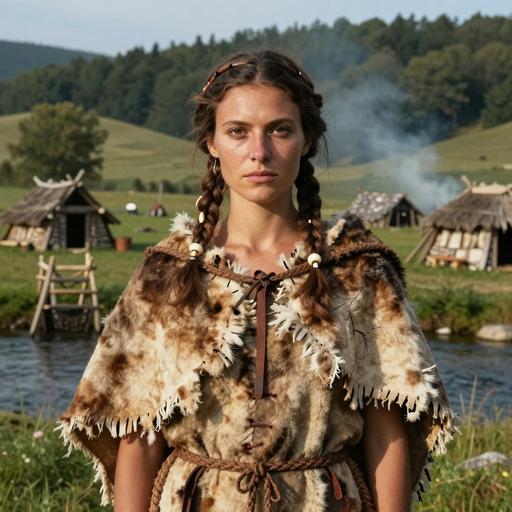
פרופיל ייחוס של ענף שושלת אחד. קבוצה הפלוגרופית משותפת אינה קובעת קשר משפחתי ואינה מגדירה זהות תרבותית.
פרופיל הייחוס
רקע הענף
ההקשר ההיסטורי של ענף K בשושלת mtDNA
Origins and Evolution
Haplogroup K is a descendant of haplogroup U8 (commonly referenced as U8b → K in phylogenies) and likely formed during the Late Glacial to Early Holocene period in the Near East or Anatolian region. Genetic dating and phylogeographic analyses place the coalescence of major K lineages roughly in the range of the last 20,000 to 10,000 years, with many estimates centering around the postglacial period (~12–18 kya). From its point of origin, K diversified into multiple subclades (notably K1 and K2) and later expanded geographically with early farming populations.
Subclades
K1: A large and diverse branch with many downstream clades (K1a, K1b, etc.). K1a sublineages include several lineages that are prominent in modern European populations and are involved in founder effects in Jewish populations.
K2: Includes several branches with broader West Eurasian distribution; some K2 lineages are found in Europe, the Near East, and the Caucasus.
Local substructure: Different subclades show region-specific patterns — some lineages are concentrated in the Near East and Anatolia, while others are concentrated in various parts of Europe (including island and isolated populations).
Geographical Distribution
Haplogroup K is broadly distributed across Europe and western Asia, with measurable frequencies in the Near East, the Caucasus, parts of North Africa, and lower frequencies into Central Asia. In Europe, K is common among populations descended from Early Neolithic farmers (Linearbandkeramik, Cardial) and persists at moderate frequencies in Western, Southern, and parts of Northern Europe. Certain modern groups show elevated frequencies due to historical founder events (for example, specific Ashkenazi Jewish maternal lineages dominated by K1a subclades).
Historical and Cultural Significance
Neolithic expansion: Ancient DNA from early European farming sites frequently documents haplogroup K among Early European Farmers (EEF), linking K to the demic diffusion of agriculture from Anatolia into Europe during the Neolithic (~9–7 kya).
Founder effects in historical populations: Several K subclades are involved in well-documented founder events, most notably among Ashkenazi Jews, where a small number of maternal K lineages contribute disproportionately to the modern mtDNA pool. Similar localized enrichments occur in some island and isolated continental populations.
Continuity and replacement: K contrasts with Mesolithic hunter-gatherer haplogroups such as U5; its expansion with farmers exemplifies the genetic turnover and admixture that accompanied the Neolithic in Europe.
Conclusion
mtDNA haplogroup K is an important West Eurasian maternal lineage that connects Late Glacial/Near Eastern origins with substantial Neolithic-era expansions into Europe. Its subclades provide valuable markers for tracing prehistoric migrations of farming communities and later historical founder events; the phylogeographic pattern of K illustrates the interplay of origin, migration, and local demographic history in shaping modern maternal diversity.
נקודות עיקריות
Origins and Evolution
Subclades
Geographical Distribution
Historical and Cultural Significance
Conclusion
פרופיל הייחוס
עץ השושלת והענפים הקשורים
מקום הענף בעץ השושלת ותת-הענפים שלו
מסלול ההתפצלות של השושלת
עקבו אחר ענפי האב המתועדים עד K. התאריכים הם אומדנים ועשויים להשתנות כשנתוני הייחוס מתעדכנים.
The populations where mtDNA haplogroup K is found include:
Ashkenazi Jewish communities
Anatolian (modern Turkey) populations
European Early Neolithic farmer-descended populations (e.g., Central Europe LBK descendants)
Southern European populations (Iberia, Italy, Greece)
Western and Northern European populations (British Isles, Scandinavia) at moderate frequencies
Caucasus populations (Armenians, Georgians)
North African groups (coastal communities and groups with Near Eastern admixture)
Iranian and Levantine populations
Island and isolated populations (e.g., Sardinians and some Mediterranean islands)
Small but detectable frequencies in parts of Central Asia due to west–east contacts
הקשר היסטורי
ענף לאורך זמן
אומדן היווצרות בציר זמן היסטורי רחב. סמני התקופות נותנים הקשר ואינם מרמזים על קשר לתרבויות מסוימות.
~20k שנים לפני
שיא עידן הקרח האחרון
שיא עידן הקרח האחרון, ואוכלוסיות שנותרו מבודדות
~16k שנים לפני
קבוצה הפלוגרופית K
אומדן להיווצרות ענף mtDNA זה. תאריכים ומיקומים הם אומדני ייחוס.
הענף הזה
~10k שנים לפני
המהפכה הנאוליתית
ראשית החקלאות והתגבשות קהילות יושבות קבע
~5k שנים לפני
תקופת הברונזה
עיבוד מתכות, כתב וציוויליזציות מוקדמות
~3k שנים לפני
תקופת הברזל
כלי ברזל ורשתות מסחר מורחבות
~2.5k שנים לפני
העת העתיקה הקלאסית
שגשוג הציוויליזציות היוונית והרומית
Present
ימינו
העידן המודרני
פרופיל הייחוס
הקשר ארכאולוגי
הקשרים ארכאולוגיים מתועדים של ענף K מ-mtDNA
הקשרים מתועדים
תוויות אלה מתארות הקשרים ארכאולוגיים מתועדים של דגימות הייחוס המקושרות ל-K. הקישור אינו מוכיח שכל נושאי הענף השתייכו לתרבות מסוימת או הלכו במסלול נדידה מסוים.
Russia Veretye culture 6472-6246 calBCE (7540±56 BP, UBA-40073)
K1+16362תת-ענף
מזהה דגימה: rom066
Mesolithic Iron Gates, Romania - Romania - Ostrovul-Corbului (Mehedinți County, Hinova)
Romania Romania IronGates Mesolithic 6641 BCE - 6481 BCE
K1+16362תת-ענף
מזהה דגימה: OC
Mesolithic Iron Gates, Romania - Romania - Ostrovul-Corbului (Mehedinți County, Hinova)
Romania Romania IronGates Mesolithic 7022 BCE - 6485 BCE
K1+16362תת-ענף
ענף אימהי · DNA קדום
מפת ראיות קדומות לענף השושלת
עקבו אחר ענפי המקור המובילים לענף זה, וגלו היכן נמצאו הדגימות הקדומות הקשורות אליו.
טוען תצפיות קדומות...
תנועה מופחתת פעילה. השתמשו בציר הזמן או בכפתור הצגת הכול כדי לעיין בקצב שלכם.
קריאת התצפיות כטבלה
התצפיות הקדומות המוצגות לפי ענף, תקופה ואמצע טווח התאריך
ענף
תקופה
טווח תאריכים
דגימה
מזהה דגימה
מיקום
הפלוגרופ
סוג הקשר
הסימונים מציינים מקומות מציאה ארכאולוגיים. קו מקווקו הוא מעבר גאוגרפי מוצע ולא ודאי בין ענפים עוקבים, הנתמך בכמה תצפיות מתוארכות. אין זה מסלול מדויק, מקום לידה או הוכחה לירידה ישירה. דגימות מענפי המקור עשויות להשתייך לענפי צאצאים אחרים. הפערים נשארים במקום שבו הראיות אינן מספיקות. תאריכי הדגימות שונים מתאריכי היווצרות ההפלוגרופ.
קיבוץ לפי תקופה היסטורית משקף מתי חי כל אדם קדום, על פני כל הענפים בשרשרת שושלת זו. אין זה רצף נדידה או ציר זמן אישי בין תקופות.
פרופיל הייחוס
מפת תפוצת הדגימות
התפוצה הגאוגרפית של דגימות דנ"א עתיק בהתאמה ישירה לקבוצה K או לתת-הענפים שלה. מספר דגימות: 55
דגימה בהתאמה ישירה דגימה מתת-ענף
סינון לפי תקופה
כל התקופות
כל הדגימות מוצגות
פרופיל הייחוס
תפוצה בזמן
תפוצת הדגימות על פני התקופות הארכאולוגיות
פרופיל הייחוס
תפוצה גאוגרפית
מספר הדגימות לפי המדינה המתועדת שלהן. הספירות משקפות את דגימות הייחוס הזמינות, בלי למדוד את תדירות הקבוצות ההפלוגרופיות באוכלוסייה.
פרופיל הייחוס
תפוצת הדגימות לפי מדינה ותקופה
השוו את מספר הדגימות המתועדות לפי מדינות ותקופות ארכאולוגיות. בחרו תא עם תוצאות כדי לראות אחת מהדגימות.
הנתונים
הנתונים ומקורותיהם
מידע על המקורות ואיכות הנתונים
עדכון אחרון2026-02-09
מקור הנתונים
הסיווג, התאריכים המשוערים וההקשר הגאוגרפי משקפים את נתוני הייחוס המתועדים, והם עשויים להשתנות כשהראיות נבדקות מחדש. כיסוי הדגימות משתנה, ומיקומים מתועדים וקשרים ארכאולוגיים אינם מוכיחים מוצא אישי או זהות תרבותית.