ื“ื™ืœื•ื’ ืœืชื•ื›ืŸ ื”ืจืืฉื™
mtDNA ยท ืฉื•ืฉืœืช אימהית

L1C2

mtDNA Haplogroup L1C2

ืคืจื•ืคื™ืœ ื™ื™ื—ื•ืก ืฉืœ ืขื ืฃ ืฉื•ืฉืœืช ืื—ื“. ืงื‘ื•ืฆื” ื”ืคืœื•ื’ืจื•ืคื™ืช ืžืฉื•ืชืคืช ืื™ื ื” ืงื•ื‘ืขืช ืงืฉืจ ืžืฉืคื—ืชื™ ื•ืื™ื ื” ืžื’ื“ื™ืจื” ื–ื”ื•ืช ืชืจื‘ื•ืชื™ืช.

ืคืจื•ืคื™ืœ ื”ื™ื™ื—ื•ืก

ืจืงืข ื”ืขื ืฃ

ื”ื”ืงืฉืจ ื”ื”ื™ืกื˜ื•ืจื™ ืฉืœ ืขื ืฃ L1C2 ื‘ืฉื•ืฉืœืช mtDNA

Origins and Evolution

mtDNA haplogroup L1C2 is a subclade of the deep African macro-clade L1, itself one of the earliest-branching maternal lineages in modern humans. Based on its position within L1 and on the geographic pattern of related L1 subclades, L1C2 most plausibly arose in the Central African rainforest region (Congo Basin). Coalescence-time estimates for clades at this level of the L1 tree typically fall in the Late Pleistocene; a tentative estimate for L1C2's origin is on the order of tens of thousands of years ago (roughly ~35 kya), but this is subject to revision as more whole-mtDNA sequences become available.

Genetic drift and long-term isolation in rainforest hunter-gatherer groups (often termed "Pygmy" populations in the literature) likely shaped the early differentiation of L1C2. Later demographic events โ€” most notably the Holocene-era expansions of Bantu-speaking agriculturalists beginning around 3โ€“5 kya โ€” redistributed and admixed L1C2 lineages across parts of Central and Western Africa, producing the present-day geographic pattern.

Subclades (if applicable)

As an intermediate clade within L1, L1C2 may contain further downstream subclades (often labelled with additional suffixes such as L1c2a, etc.) in expanded phylogenies, but the internal structure has been relatively undersampled in published datasets compared with some other African mtDNA lineages. The parent branch L1C2'4 links L1C2 with sister branches that together define a regional cluster within L1. More whole-mtGenome sequencing of diverse Central African populations is required to resolve internal substructure and name stable downstream subclades.

Geographical Distribution

Primary distribution: Central African rainforest populations, with the highest relative frequencies reported in studies of Central African hunter-gatherers and adjacent Bantu-speaking groups. Secondary distribution: detectable at lower frequencies in parts of West Africa and, through migration and admixture, sporadically in East and Southern Africa.

Patterns consistent with this distribution include: persistence of L1C2 lineages in small, historically isolated rainforest groups; presence among neighboring Bantu-speaking communities attributable to gene flow; and occasional finding of L1C2 haplotypes in broader West African samples, reflecting long-term population movements across the region.

Historical and Cultural Significance

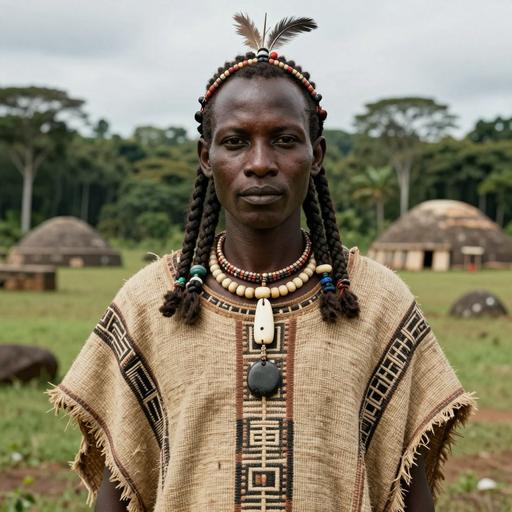
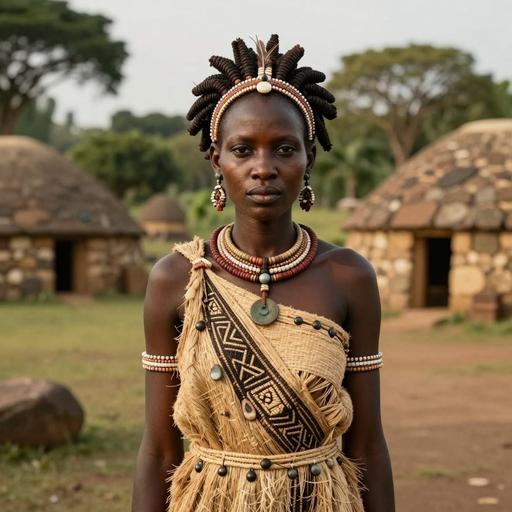
While mtDNA alone cannot specify cultural identity, the population-genetic signal of L1C2 links it closely to the demographic history of Central Africa. The lineage appears in contexts consistent with:

  • Rainforest hunter-gatherer continuity: long-term maternal lineages maintained in small, mobile forager groups of the Congo Basin.
  • Interaction with expanding farmers: incorporation and exchange between indigenous foragers and incoming Bantu-speaking agriculturalists during the Holocene, leading to the presence of L1C2 in both forager and farmer communities.

These associations make L1C2 informative for studies of sex-biased admixture, maternal continuity through cultural transitions, and local demographic resilience in tropical forest environments.

Conclusion

mtDNA L1C2 is a Central African maternal lineage rooted in the ancient L1 phylogeny, most strongly associated with rainforest hunter-gatherers and secondarily with nearby Bantu-speaking populations through admixture. Its estimated Late Pleistocene origin and intermediate placement in the L1 tree make it useful for reconstructing regional population histories, but its full phylogeographic detail awaits denser whole-mtGenome sampling across Central Africa.

ื ืงื•ื“ื•ืช ืขื™ืงืจื™ื•ืช

  • Origins and Evolution
  • Subclades (if applicable)
  • Geographical Distribution
  • Historical and Cultural Significance
  • Conclusion
ืคืจื•ืคื™ืœ ื”ื™ื™ื—ื•ืก

ืขืฅ ื”ืฉื•ืฉืœืช ื•ื”ืขื ืคื™ื ื”ืงืฉื•ืจื™ื

ืžืงื•ื ื”ืขื ืฃ ื‘ืขืฅ ื”ืฉื•ืฉืœืช ื•ืชืช-ื”ืขื ืคื™ื ืฉืœื•

ืžืกืœื•ืœ ื”ื”ืชืคืฆืœื•ืช ืฉืœ ื”ืฉื•ืฉืœืช

ืขืงื‘ื• ืื—ืจ ืขื ืคื™ ื”ืื‘ ื”ืžืชื•ืขื“ื™ื ืขื“ L1C2. ื”ืชืืจื™ื›ื™ื ื”ื ืื•ืžื“ื ื™ื ื•ืขืฉื•ื™ื™ื ืœื”ืฉืชื ื•ืช ื›ืฉื ืชื•ื ื™ ื”ื™ื™ื—ื•ืก ืžืชืขื“ื›ื ื™ื.

ืฉืœื‘ื™ ื”ืชืคืฆืœื•ืช ื”ืงื‘ื•ืฆื” ื”ื”ืคืœื•ื’ืจื•ืคื™ืช ื’ื™ืœ ืžืฉื•ืขืจ ื”ืชืงื•ืคื” ื”ืืจื›ืื•ืœื•ื’ื™ืช ื”ื–ืžืŸ ืฉื—ืœืฃ ืขื ืคื™ื ื™ืฉื™ืจื™ื ื“ื’ื™ืžื•ืช ืžื•ื“ืจื ื™ื•ืช ืฉื ื‘ื“ืงื• ืงื™ืฉื•ืจื™ื ืขืชื™ืงื™ื
1 L1C2 ื”ืขื ืฃ ื”ื ื•ื›ื—ื™ ~35,000 years ago Paleolithic 35,000 שנים 1 34 0
2 L1C2'4 - - - 1 40 0
3 L1C1'2'4'6 - - - 1 53 0
4 L1C1'2'4'5'6 - - - 1 62 0
5 L1c ~80,000 years ago Paleolithic 80,000 שנים 2 183 0
6 L1 ~150,000 years ago Paleolithic 150,000 שנים 3 503 4
7 L1'2'3'4'5'6'7 - - - 2 31,852 0
8 L ~160,000 years ago Paleolithic 160,000 שנים 2 32,236 5

ืชืช-ืขื ืคื™ื (1)

ืคืจื•ืคื™ืœ ื”ื™ื™ื—ื•ืก

ื”ื™ื›ืŸ ื”ืขื ืฃ ืžื•ืคื™ืข

ืชืคื•ืฆื” ื’ืื•ื’ืจืคื™ืช ื•ื ื•ื›ื—ื•ืช ื ื•ื›ื—ื™ืช

ืžื•ืฆื ืžืชื•ืขื“

Central Africa (Congo Basin / Rainforest)

ืชืคื•ืฆื” ื ื•ื›ื—ื™ืช

The populations where mtDNA haplogroup L1C2 is found include:

  1. Central African rainforest hunter-gatherer groups (e.g., Mbuti, Biaka)
  2. Bantu-speaking populations of the Congo Basin (e.g., populations in Democratic Republic of Congo, Republic of Congo, Gabon)
  3. Some West African groups at lower frequency (e.g., parts of Cameroon, Nigeria)
  4. Sporadic occurrences in East African and Southern African samples due to historical admixture
  5. Undersampled isolated communities across Central Africa that require further genetic characterization
ื”ืงืฉืจ ื”ื™ืกื˜ื•ืจื™

ืขื ืฃ ืœืื•ืจืš ื–ืžืŸ

ืื•ืžื“ืŸ ื”ื™ื•ื•ืฆืจื•ืช ื‘ืฆื™ืจ ื–ืžืŸ ื”ื™ืกื˜ื•ืจื™ ืจื—ื‘. ืกืžื ื™ ื”ืชืงื•ืคื•ืช ื ื•ืชื ื™ื ื”ืงืฉืจ ื•ืื™ื ื ืžืจืžื–ื™ื ืขืœ ืงืฉืจ ืœืชืจื‘ื•ื™ื•ืช ืžืกื•ื™ืžื•ืช.

  1. ~50k שנים לפני

    התקופה הפלאוליתית העליונה

    ייצור כלים מתקדם, אמנות ופריחה תרבותית

  2. ~35k שנים לפני

    קבוצה הפלוגרופית L1C2

    אומדן להיווצרות ענף mtDNA זה. תאריכים ומיקומים הם אומדני ייחוס.

    ื”ืขื ืฃ ื”ื–ื”
  3. ~20k שנים לפני

    שיא עידן הקרח האחרון

    שיא עידן הקרח האחרון, ואוכלוסיות שנותרו מבודדות

  4. ~10k שנים לפני

    המהפכה הנאוליתית

    ראשית החקלאות והתגבשות קהילות יושבות קבע

  5. ~5k שנים לפני

    תקופת הברונזה

    עיבוד מתכות, כתב וציוויליזציות מוקדמות

  6. ~3k שנים לפני

    תקופת הברזל

    כלי ברזל ורשתות מסחר מורחבות

  7. ~2.5k שנים לפני

    העת העתיקה הקלאסית

    שגשוג הציוויליזציות היוונית והרומית

  8. Present

    ימינו

    העידן המודרני

ืคืจื•ืคื™ืœ ื”ื™ื™ื—ื•ืก

ื”ืงืฉืจ ืืจื›ืื•ืœื•ื’ื™

ื”ืงืฉืจื™ื ืืจื›ืื•ืœื•ื’ื™ื™ื ืžืชื•ืขื“ื™ื ืฉืœ ืขื ืฃ L1C2 ืž-mtDNA

ื”ืงืฉืจื™ื ืžืชื•ืขื“ื™ื

ืชื•ื•ื™ื•ืช ืืœื” ืžืชืืจื•ืช ื”ืงืฉืจื™ื ืืจื›ืื•ืœื•ื’ื™ื™ื ืžืชื•ืขื“ื™ื ืฉืœ ื“ื’ื™ืžื•ืช ื”ื™ื™ื—ื•ืก ื”ืžืงื•ืฉืจื•ืช ืœ-L1C2. ื”ืงื™ืฉื•ืจ ืื™ื ื• ืžื•ื›ื™ื— ืฉื›ืœ ื ื•ืฉืื™ ื”ืขื ืฃ ื”ืฉืชื™ื™ื›ื• ืœืชืจื‘ื•ืช ืžืกื•ื™ืžืช ืื• ื”ืœื›ื• ื‘ืžืกืœื•ืœ ื ื“ื™ื“ื” ืžืกื•ื™ื.

Bungule Cameroon Stone Mounds Corded Ware Jordanow-Michelsberg Culture Ngongo Mbata Slab Grave Culture St. Helena Colonial Unetice Culture
ืกื™ื•ื•ื’ ื”ืชืจื‘ื•ื™ื•ืช ืžื‘ื•ืกืก ืขืœ ื”ื”ืงืฉืจ ื”ืืจื›ืื•ืœื•ื’ื™ ืฉืœ ื“ื’ื™ืžื•ืช ื“ื "ื ืขืชื™ืง, ื•ื”ื•ื ืขืฉื•ื™ ืœืฉืงืฃ ืงืฉืจื™ื ืื–ื•ืจื™ื™ื ื‘ืชืงื•ืคื•ืช ืžืกื•ื™ืžื•ืช.
ืคืจื•ืคื™ืœ ื”ื™ื™ื—ื•ืก

ืื™ื ื“ืงืก ื“ื’ื™ืžื•ืช

ืžืกืคืจ ื“ื’ื™ืžื•ืช ืชืช-ื”ืขื ืคื™ื ืฉืœ ื”ืงื‘ื•ืฆื” ื”ื”ืคืœื•ื’ืจื•ืคื™ืช L1C2 ื”ื•ื 4. ืื™ืŸ ื“ื’ื™ืžื•ืช ื‘ื”ืชืืžื” ื™ืฉื™ืจื” ื‘ืงื‘ื•ืฆืช ื”ื™ื™ื—ื•ืก ื”ื ื•ื›ื—ื™ืช.

4 ืžื•ืฆื’ื•ืช ยท 4 ื“ื’ื™ืžื•ืช ืชื•ืืžื•ืช

ื”ื“ื™ื•ืงื ืื•ืช ื”ื ืื™ื•ืจื™ื ืฉื ื•ืฆืจื• ื‘ื‘ื™ื ื” ืžืœืื›ื•ืชื™ืช. ืฉืžื•ืช ื”ื“ื’ื™ืžื•ืช ื•ืžื–ื”ื™ ื”ื”ืคืงื“ื” ืžื–ื”ื™ื ืืช ืจืฉื•ืžื•ืช ื”ื™ื™ื—ื•ืก.

ื“ื™ื•ืงืŸ ื”ื“ื’ื™ืžื” ื”ืžื“ื™ื ื” ื”ืชืงื•ืคื” ื”ืชืืจื™ืš ื”ืชืจื‘ื•ืช mtDNA ืกื•ื’ ื”ื”ืชืืžื”
ืฉื—ื–ื•ืจ ืืžื ื•ืชื™ ืฉื ื•ืฆืจ ื‘ื‘ื™ื ื” ืžืœืื›ื•ืชื™ืช ืฉืœ ื”ื“ื’ื™ืžื” Sub-Saharan African individual, Shum Laka, Cameroon (1,217-1,055 BCE)
ืžื–ื”ื” ื“ื’ื™ืžื”: I10873
Cameroon Stone Mound Architecture in Cameroon 1217 BCE - 1055 BCE Cameroon Stone Mounds L1c2a1b תת-ענף
ืฉื—ื–ื•ืจ ืืžื ื•ืชื™ ืฉื ื•ืฆืจ ื‘ื‘ื™ื ื” ืžืœืื›ื•ืชื™ืช ืฉืœ ื”ื“ื’ื™ืžื” Africa West Late Holocene individual, Shum Laka, Cameroon (1,217-1,055 BCE)
ืžื–ื”ื” ื“ื’ื™ืžื”: I10873
Cameroon Late Holocene West Africa 1217 BCE - 1055 BCE L1c2a1b תת-ענף
ืฉื—ื–ื•ืจ ืืžื ื•ืชื™ ืฉื ื•ืฆืจ ื‘ื‘ื™ื ื” ืžืœืื›ื•ืชื™ืช ืฉืœ ื”ื“ื’ื™ืžื” Sub-Saharan African individual, Shum Laka, Cameroon (1,277-1,059 BCE)
ืžื–ื”ื” ื“ื’ื™ืžื”: I10874
Cameroon Stone Mound Architecture in Cameroon 1277 BCE - 1059 BCE Cameroon Stone Mounds L1c2a1b תת-ענף
ืฉื—ื–ื•ืจ ืืžื ื•ืชื™ ืฉื ื•ืฆืจ ื‘ื‘ื™ื ื” ืžืœืื›ื•ืชื™ืช ืฉืœ ื”ื“ื’ื™ืžื” Africa West Late Holocene individual, Shum Laka, Cameroon (1,277-1,059 BCE)
ืžื–ื”ื” ื“ื’ื™ืžื”: I10874
Cameroon Late Holocene West Africa 1277 BCE - 1059 BCE L1c2a1b תת-ענף
ענף אימהי ยท DNA ืงื“ื•ื

ืžืคืช ืจืื™ื•ืช ืงื“ื•ืžื•ืช ืœืขื ืฃ ื”ืฉื•ืฉืœืช

ืขืงื‘ื• ืื—ืจ ืขื ืคื™ ื”ืžืงื•ืจ ื”ืžื•ื‘ื™ืœื™ื ืœืขื ืฃ ื–ื”, ื•ื’ืœื• ื”ื™ื›ืŸ ื ืžืฆืื• ื”ื“ื’ื™ืžื•ืช ื”ืงื“ื•ืžื•ืช ื”ืงืฉื•ืจื•ืช ืืœื™ื•.

ื˜ื•ืขืŸ ืชืฆืคื™ื•ืช ืงื“ื•ืžื•ืช...

ื”ืกื™ืžื•ื ื™ื ืžืฆื™ื™ื ื™ื ืžืงื•ืžื•ืช ืžืฆื™ืื” ืืจื›ืื•ืœื•ื’ื™ื™ื. ืงื• ืžืงื•ื•ืงื• ื”ื•ื ืžืขื‘ืจ ื’ืื•ื’ืจืคื™ ืžื•ืฆืข ื•ืœื ื•ื“ืื™ ื‘ื™ืŸ ืขื ืคื™ื ืขื•ืงื‘ื™ื, ื”ื ืชืžืš ื‘ื›ืžื” ืชืฆืคื™ื•ืช ืžืชื•ืืจื›ื•ืช. ืื™ืŸ ื–ื” ืžืกืœื•ืœ ืžื“ื•ื™ืง, ืžืงื•ื ืœื™ื“ื” ืื• ื”ื•ื›ื—ื” ืœื™ืจื™ื“ื” ื™ืฉื™ืจื”. ื“ื’ื™ืžื•ืช ืžืขื ืคื™ ื”ืžืงื•ืจ ืขืฉื•ื™ื•ืช ืœื”ืฉืชื™ื™ืš ืœืขื ืคื™ ืฆืืฆืื™ื ืื—ืจื™ื. ื”ืคืขืจื™ื ื ืฉืืจื™ื ื‘ืžืงื•ื ืฉื‘ื• ื”ืจืื™ื•ืช ืื™ื ืŸ ืžืกืคื™ืงื•ืช. ืชืืจื™ื›ื™ ื”ื“ื’ื™ืžื•ืช ืฉื•ื ื™ื ืžืชืืจื™ื›ื™ ื”ื™ื•ื•ืฆืจื•ืช ื”ื”ืคืœื•ื’ืจื•ืค.

ืคืจื•ืคื™ืœ ื”ื™ื™ื—ื•ืก

ืžืคืช ืชืคื•ืฆืช ื”ื“ื’ื™ืžื•ืช

ื”ืชืคื•ืฆื” ื”ื’ืื•ื’ืจืคื™ืช ืฉืœ ื“ื’ื™ืžื•ืช ื“ื "ื ืขืชื™ืง ื‘ื”ืชืืžื” ื™ืฉื™ืจื” ืœืงื‘ื•ืฆื” L1C2 ืื• ืœืชืช-ื”ืขื ืคื™ื ืฉืœื”. ืžืกืคืจ ื“ื’ื™ืžื•ืช: 4

ื“ื’ื™ืžื” ืžืชืช-ืขื ืฃ
ืกื™ื ื•ืŸ ืœืคื™ ืชืงื•ืคื”
ื›ืœ ื”ืชืงื•ืคื•ืช
ื›ืœ ื”ื“ื’ื™ืžื•ืช ืžื•ืฆื’ื•ืช
ืคืจื•ืคื™ืœ ื”ื™ื™ื—ื•ืก

ืชืคื•ืฆื” ื‘ื–ืžืŸ

ืชืคื•ืฆืช ื”ื“ื’ื™ืžื•ืช ืขืœ ืคื ื™ ื”ืชืงื•ืคื•ืช ื”ืืจื›ืื•ืœื•ื’ื™ื•ืช

ืคืจื•ืคื™ืœ ื”ื™ื™ื—ื•ืก

ืชืคื•ืฆื” ื’ืื•ื’ืจืคื™ืช

ืžืกืคืจ ื”ื“ื’ื™ืžื•ืช ืœืคื™ ื”ืžื“ื™ื ื” ื”ืžืชื•ืขื“ืช ืฉืœื”ืŸ. ื”ืกืคื™ืจื•ืช ืžืฉืงืคื•ืช ืืช ื“ื’ื™ืžื•ืช ื”ื™ื™ื—ื•ืก ื”ื–ืžื™ื ื•ืช, ื‘ืœื™ ืœืžื“ื•ื“ ืืช ืชื“ื™ืจื•ืช ื”ืงื‘ื•ืฆื•ืช ื”ื”ืคืœื•ื’ืจื•ืคื™ื•ืช ื‘ืื•ื›ืœื•ืกื™ื™ื”.

ืคืจื•ืคื™ืœ ื”ื™ื™ื—ื•ืก

ืชืคื•ืฆืช ื”ื“ื’ื™ืžื•ืช ืœืคื™ ืžื“ื™ื ื” ื•ืชืงื•ืคื”

ื”ืฉื•ื• ืืช ืžืกืคืจ ื”ื“ื’ื™ืžื•ืช ื”ืžืชื•ืขื“ื•ืช ืœืคื™ ืžื“ื™ื ื•ืช ื•ืชืงื•ืคื•ืช ืืจื›ืื•ืœื•ื’ื™ื•ืช. ื‘ื—ืจื• ืชื ืขื ืชื•ืฆืื•ืช ื›ื“ื™ ืœืจืื•ืช ืื—ืช ืžื”ื“ื’ื™ืžื•ืช.

ื”ื ืชื•ื ื™ื

ื”ื ืชื•ื ื™ื ื•ืžืงื•ืจื•ืชื™ื”ื

ืžื™ื“ืข ืขืœ ื”ืžืงื•ืจื•ืช ื•ืื™ื›ื•ืช ื”ื ืชื•ื ื™ื

ืขื“ื›ื•ืŸ ืื—ืจื•ืŸ 2026-06-14
ืจืžืช ื‘ื™ื˜ื—ื•ืŸ 50/100
ื›ื™ืกื•ื™ Low

ืžืงื•ืจ ื”ื ืชื•ื ื™ื

ื”ืกื™ื•ื•ื’, ื”ืชืืจื™ื›ื™ื ื”ืžืฉื•ืขืจื™ื ื•ื”ื”ืงืฉืจ ื”ื’ืื•ื’ืจืคื™ ืžืฉืงืคื™ื ืืช ื ืชื•ื ื™ ื”ื™ื™ื—ื•ืก ื”ืžืชื•ืขื“ื™ื, ื•ื”ื ืขืฉื•ื™ื™ื ืœื”ืฉืชื ื•ืช ื›ืฉื”ืจืื™ื•ืช ื ื‘ื“ืงื•ืช ืžื—ื“ืฉ. ื›ื™ืกื•ื™ ื”ื“ื’ื™ืžื•ืช ืžืฉืชื ื”, ื•ืžื™ืงื•ืžื™ื ืžืชื•ืขื“ื™ื ื•ืงืฉืจื™ื ืืจื›ืื•ืœื•ื’ื™ื™ื ืื™ื ื ืžื•ื›ื™ื—ื™ื ืžื•ืฆื ืื™ืฉื™ ืื• ื–ื”ื•ืช ืชืจื‘ื•ืชื™ืช.