ื“ื™ืœื•ื’ ืœืชื•ื›ืŸ ื”ืจืืฉื™
mtDNA ยท ืฉื•ืฉืœืช אימהית

L3D1

mtDNA Haplogroup L3D1

ืคืจื•ืคื™ืœ ื™ื™ื—ื•ืก ืฉืœ ืขื ืฃ ืฉื•ืฉืœืช ืื—ื“. ืงื‘ื•ืฆื” ื”ืคืœื•ื’ืจื•ืคื™ืช ืžืฉื•ืชืคืช ืื™ื ื” ืงื•ื‘ืขืช ืงืฉืจ ืžืฉืคื—ืชื™ ื•ืื™ื ื” ืžื’ื“ื™ืจื” ื–ื”ื•ืช ืชืจื‘ื•ืชื™ืช.

ืคืจื•ืคื™ืœ ื”ื™ื™ื—ื•ืก

ืจืงืข ื”ืขื ืฃ

ื”ื”ืงืฉืจ ื”ื”ื™ืกื˜ื•ืจื™ ืฉืœ ืขื ืฃ L3D1 ื‘ืฉื•ืฉืœืช mtDNA

Origins and Evolution

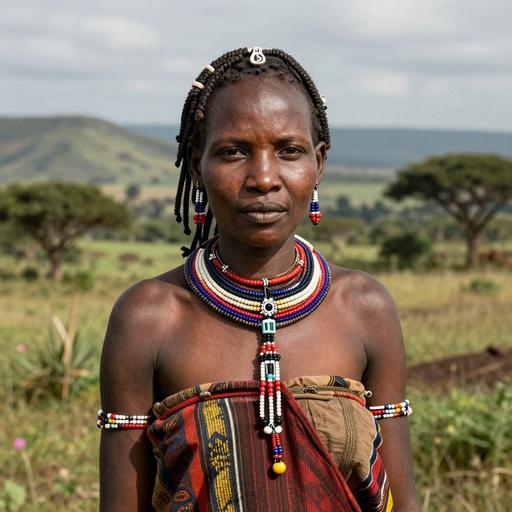
Haplogroup L3D1 is a subclade of the broader L3 lineage, which itself is a major African-rooted maternal lineage that gave rise to all non-African mtDNA haplogroups as well as many diverse African sublineages. Given its placement within the L3D branch, L3D1 most plausibly arose in East Africa or the adjoining Northeast African corridor during the Late Pleistocene to early Holocene. Molecular-clock considerations for L3 substructure and the geographic concentration of related L3D lineages support a time depth on the order of several to a few tens of thousands of years; a working estimate for the branching that produced the intermediate clade represented by L3D1 is approximately ~15 kya (thousand years ago), although confidence is moderate because sampling density and calibrated mutation-rate uncertainties remain limiting factors.

L3D1 should be viewed as an intermediate clade that connects deeper L3 diversity with younger daughter lineages; its persistence in modern populations reflects both continuity in some East African maternal lines and demographic processes (local expansions, migrations, and admixture) in the Holocene.

Subclades

As an intermediate node (often reported in Phylotree-style nomenclature as L3D1 within the L3D complex), L3D1 may contain finer sub-branches that have been identified in targeted regional studies, but comprehensive characterization of downstream subclades is still incomplete. Where deeply sampled, L3D-related diversity resolves into multiple localized sublineages, frequently showing structure by ethnic group or language-family in East Africa (for example, among Cushitic- and Nilotic-speaking populations). Continued mitogenome sequencing will refine the subclade topology and date estimates.

Geographical Distribution

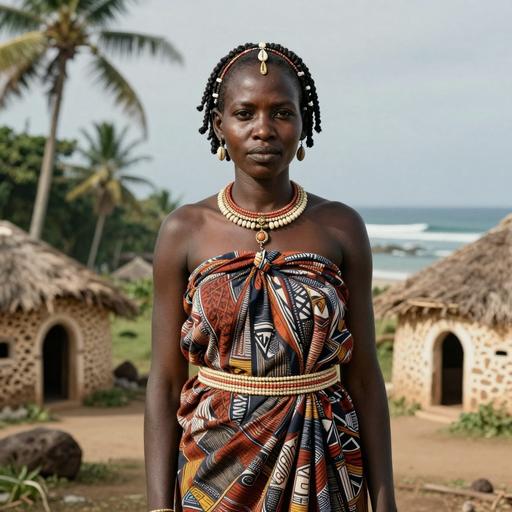
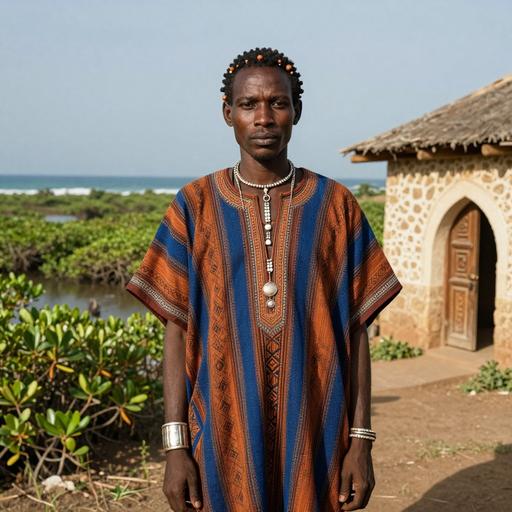
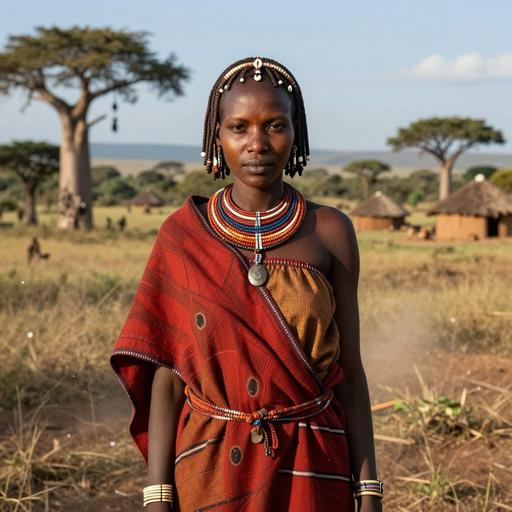
L3D1 and closely related L3D lineages are concentrated in East Africa and the Horn of Africa, with occurrences reported in populations from Ethiopia, Somalia, Sudan, South Sudan and parts of Kenya and Tanzania. The haplogroup is generally much less common outside this region, appearing at low frequencies in neighboring North Africa and Central Africa where gene flow and historical migrations have spread some lineages. Reported distributions are patchy and depend strongly on the depth of regional sampling; thus, apparent absences in some groups may reflect limited data rather than true absence.

Historical and Cultural Significance

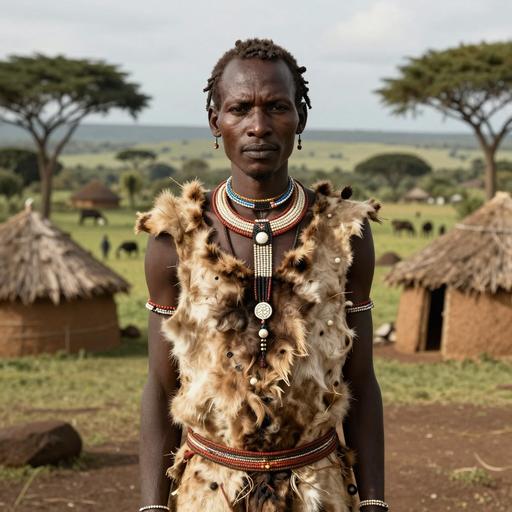
Because L3D1 is predominantly African and regionally concentrated, it is most relevant to reconstructing maternal ancestry and demographic events within East Africa. Its presence in modern Afro-Asiatic (e.g., Cushitic) and Nilotic-speaking groups suggests participation in local Holocene population processes such as the spread of pastoralism, local expansions associated with the Pastoral Neolithic, and later population movements across the Horn and Rift Valley. L3D1 is not associated with large-scale transcontinental migrations (unlike some L3 derivatives that left Africa), but it contributes to understanding regional population structure, maternal continuity, and sex-biased admixture patterns in eastern Africa.

Conclusion

L3D1 represents a regionally important maternal lineage within the L3 phylogeny, best interpreted as an East African clade of moderate age that helps link deeper L3 diversity to more recent, localized maternal lineages in the Horn and adjacent areas. Improved mitogenome sampling across underrepresented East African populations will be necessary to refine its internal structure, precise age estimates, and historical dynamics.

ื ืงื•ื“ื•ืช ืขื™ืงืจื™ื•ืช

  • Origins and Evolution
  • Subclades
  • Geographical Distribution
  • Historical and Cultural Significance
  • Conclusion
ืคืจื•ืคื™ืœ ื”ื™ื™ื—ื•ืก

ืขืฅ ื”ืฉื•ืฉืœืช ื•ื”ืขื ืคื™ื ื”ืงืฉื•ืจื™ื

ืžืงื•ื ื”ืขื ืฃ ื‘ืขืฅ ื”ืฉื•ืฉืœืช ื•ืชืช-ื”ืขื ืคื™ื ืฉืœื•

ืžืกืœื•ืœ ื”ื”ืชืคืฆืœื•ืช ืฉืœ ื”ืฉื•ืฉืœืช

ืขืงื‘ื• ืื—ืจ ืขื ืคื™ ื”ืื‘ ื”ืžืชื•ืขื“ื™ื ืขื“ L3D1. ื”ืชืืจื™ื›ื™ื ื”ื ืื•ืžื“ื ื™ื ื•ืขืฉื•ื™ื™ื ืœื”ืฉืชื ื•ืช ื›ืฉื ืชื•ื ื™ ื”ื™ื™ื—ื•ืก ืžืชืขื“ื›ื ื™ื.

ืฉืœื‘ื™ ื”ืชืคืฆืœื•ืช ื”ืงื‘ื•ืฆื” ื”ื”ืคืœื•ื’ืจื•ืคื™ืช ื’ื™ืœ ืžืฉื•ืขืจ ื”ืชืงื•ืคื” ื”ืืจื›ืื•ืœื•ื’ื™ืช ื”ื–ืžืŸ ืฉื—ืœืฃ ืขื ืคื™ื ื™ืฉื™ืจื™ื ื“ื’ื™ืžื•ืช ืžื•ื“ืจื ื™ื•ืช ืฉื ื‘ื“ืงื• ืงื™ืฉื•ืจื™ื ืขืชื™ืงื™ื
1 L3D1 ื”ืขื ืฃ ื”ื ื•ื›ื—ื™ ~15,000 years ago Mesolithic 15,000 שנים 3 82 0
2 L3D1'2'3'4'5'6A1 - - - 2 115 0
3 L3D1'2'3'4'5'6A - - - 1 115 0
4 L3D1'2'3'4'5'6 - - - 1 115 0
5 L3D ~50,000 years ago Paleolithic 50,000 שנים 1 117 0
6 L3C'D - - - 2 206 0
7 L3 ~70,000 years ago Paleolithic 70,000 שנים 7 30,162 6
8 L3'4 - - - 2 30,212 0
9 L3'4'6 - - - 2 30,216 0
10 L2'3'4'6 - - - 2 31,333 0
11 L2'3'4'5'6'7 - - - 2 31,349 0
12 L1'2'3'4'5'6'7 - - - 2 31,852 0
13 L ~160,000 years ago Paleolithic 160,000 שנים 2 32,236 5

ืขื ืคื™ื ืื—ื™ื (1)

ืขื ืคื™ื ื ื•ืกืคื™ื ืžืื•ืชื” ืงื‘ื•ืฆื” ื”ืคืœื•ื’ืจื•ืคื™ืช ืื‘

ืคืจื•ืคื™ืœ ื”ื™ื™ื—ื•ืก

ื”ื™ื›ืŸ ื”ืขื ืฃ ืžื•ืคื™ืข

ืชืคื•ืฆื” ื’ืื•ื’ืจืคื™ืช ื•ื ื•ื›ื—ื•ืช ื ื•ื›ื—ื™ืช

ืžื•ืฆื ืžืชื•ืขื“

East Africa

ืชืคื•ืฆื” ื ื•ื›ื—ื™ืช

The populations where mtDNA haplogroup L3D1 is found include:

  1. Ethiopian populations (including highland and lowland groups such as Amhara, Oromo and other local communities)
  2. Somali and other Horn of Africa populations
  3. Sudanese and South Sudanese groups (including Nilotic and Nubian-associated populations)
  4. Selected Kenyan and Tanzanian populations (particularly East African groups with long-term regional continuity)
  5. Smaller occurrences in neighboring North and Central African populations due to historical gene flow
ื”ืงืฉืจ ื”ื™ืกื˜ื•ืจื™

ืขื ืฃ ืœืื•ืจืš ื–ืžืŸ

ืื•ืžื“ืŸ ื”ื™ื•ื•ืฆืจื•ืช ื‘ืฆื™ืจ ื–ืžืŸ ื”ื™ืกื˜ื•ืจื™ ืจื—ื‘. ืกืžื ื™ ื”ืชืงื•ืคื•ืช ื ื•ืชื ื™ื ื”ืงืฉืจ ื•ืื™ื ื ืžืจืžื–ื™ื ืขืœ ืงืฉืจ ืœืชืจื‘ื•ื™ื•ืช ืžืกื•ื™ืžื•ืช.

  1. ~20k שנים לפני

    שיא עידן הקרח האחרון

    שיא עידן הקרח האחרון, ואוכלוסיות שנותרו מבודדות

  2. ~15k שנים לפני

    קבוצה הפלוגרופית L3D1

    אומדן להיווצרות ענף mtDNA זה. תאריכים ומיקומים הם אומדני ייחוס.

    ื”ืขื ืฃ ื”ื–ื”
  3. ~10k שנים לפני

    המהפכה הנאוליתית

    ראשית החקלאות והתגבשות קהילות יושבות קבע

  4. ~5k שנים לפני

    תקופת הברונזה

    עיבוד מתכות, כתב וציוויליזציות מוקדמות

  5. ~3k שנים לפני

    תקופת הברזל

    כלי ברזל ורשתות מסחר מורחבות

  6. ~2.5k שנים לפני

    העת העתיקה הקלאסית

    שגשוג הציוויליזציות היוונית והרומית

  7. Present

    ימינו

    העידן המודרני

ืคืจื•ืคื™ืœ ื”ื™ื™ื—ื•ืก

ื”ืงืฉืจ ืืจื›ืื•ืœื•ื’ื™

ื”ืงืฉืจื™ื ืืจื›ืื•ืœื•ื’ื™ื™ื ืžืชื•ืขื“ื™ื ืฉืœ ืขื ืฃ L3D1 ืž-mtDNA

ื”ืงืฉืจื™ื ืžืชื•ืขื“ื™ื

ืชื•ื•ื™ื•ืช ืืœื” ืžืชืืจื•ืช ื”ืงืฉืจื™ื ืืจื›ืื•ืœื•ื’ื™ื™ื ืžืชื•ืขื“ื™ื ืฉืœ ื“ื’ื™ืžื•ืช ื”ื™ื™ื—ื•ืก ื”ืžืงื•ืฉืจื•ืช ืœ-L3D1. ื”ืงื™ืฉื•ืจ ืื™ื ื• ืžื•ื›ื™ื— ืฉื›ืœ ื ื•ืฉืื™ ื”ืขื ืฃ ื”ืฉืชื™ื™ื›ื• ืœืชืจื‘ื•ืช ืžืกื•ื™ืžืช ืื• ื”ืœื›ื• ื‘ืžืกืœื•ืœ ื ื“ื™ื“ื” ืžืกื•ื™ื.

Austria_Avar Bungule Corded Ware Jordanow-Michelsberg Culture Khovd Long-Term Makwasinyi Modern Period Mtwapa Pastoral Neolithic Saint Martin Slab Grave Culture St. Helena Colonial
ืกื™ื•ื•ื’ ื”ืชืจื‘ื•ื™ื•ืช ืžื‘ื•ืกืก ืขืœ ื”ื”ืงืฉืจ ื”ืืจื›ืื•ืœื•ื’ื™ ืฉืœ ื“ื’ื™ืžื•ืช ื“ื "ื ืขืชื™ืง, ื•ื”ื•ื ืขืฉื•ื™ ืœืฉืงืฃ ืงืฉืจื™ื ืื–ื•ืจื™ื™ื ื‘ืชืงื•ืคื•ืช ืžืกื•ื™ืžื•ืช.
ืคืจื•ืคื™ืœ ื”ื™ื™ื—ื•ืก

ืื™ื ื“ืงืก ื“ื’ื™ืžื•ืช

ืžืกืคืจ ื“ื’ื™ืžื•ืช ืชืช-ื”ืขื ืคื™ื ืฉืœ ื”ืงื‘ื•ืฆื” ื”ื”ืคืœื•ื’ืจื•ืคื™ืช L3D1 ื”ื•ื 12. ืื™ืŸ ื“ื’ื™ืžื•ืช ื‘ื”ืชืืžื” ื™ืฉื™ืจื” ื‘ืงื‘ื•ืฆืช ื”ื™ื™ื—ื•ืก ื”ื ื•ื›ื—ื™ืช.

10 ืžื•ืฆื’ื•ืช ยท 12 ื“ื’ื™ืžื•ืช ืชื•ืืžื•ืช

ื”ื“ื™ื•ืงื ืื•ืช ื”ื ืื™ื•ืจื™ื ืฉื ื•ืฆืจื• ื‘ื‘ื™ื ื” ืžืœืื›ื•ืชื™ืช. ืฉืžื•ืช ื”ื“ื’ื™ืžื•ืช ื•ืžื–ื”ื™ ื”ื”ืคืงื“ื” ืžื–ื”ื™ื ืืช ืจืฉื•ืžื•ืช ื”ื™ื™ื—ื•ืก.

ื“ื™ื•ืงืŸ ื”ื“ื’ื™ืžื” ื”ืžื“ื™ื ื” ื”ืชืงื•ืคื” ื”ืชืืจื™ืš ื”ืชืจื‘ื•ืช mtDNA ืกื•ื’ ื”ื”ืชืืžื”
ืฉื—ื–ื•ืจ ืืžื ื•ืชื™ ืฉื ื•ืฆืจ ื‘ื‘ื™ื ื” ืžืœืื›ื•ืชื™ืช ืฉืœ ื”ื“ื’ื™ืžื” Pastoral N individual, Nyandarua. Ol Kalou, Kenya (215-326 BCE)
ืžื–ื”ื” ื“ื’ื™ืžื”: I12384
Kenya Kenya PastoralN 229-358 calCE (1800±20 BP, PSUAMS-4940) Pastoral Neolithic L3d1d תת-ענף
ืฉื—ื–ื•ืจ ืืžื ื•ืชื™ ืฉื ื•ืฆืจ ื‘ื‘ื™ื ื” ืžืœืื›ื•ืชื™ืช ืฉืœ ื”ื“ื’ื™ืžื” Swahili individual, Manda (Lamu), Kenya (800-1,500 CE)
ืžื–ื”ื” ื“ื’ื™ืžื”: I17419
Kenya Swahili Culture of Manda Island 800 CE - 1500 CE Manda L3d1a1a תת-ענף
ืฉื—ื–ื•ืจ ืืžื ื•ืชื™ ืฉื ื•ืฆืจ ื‘ื‘ื™ื ื” ืžืœืื›ื•ืชื™ืช ืฉืœ ื”ื“ื’ื™ืžื” Swahili-o Near East individual, Songo Mnara (Lindi Region, Kilwa District, Songo Mnara Island), Tanzania (1,412-1,446 CE)
ืžื–ื”ื” ื“ื’ื™ืžื”: I19550
Tanzania Swahili Culture of Songo Mnara 1412-1446 calCE (535±15 BP, PSUAMS-8409) Songo Mnara L3d1a1a תת-ענף
ืฉื—ื–ื•ืจ ืืžื ื•ืชื™ ืฉื ื•ืฆืจ ื‘ื‘ื™ื ื” ืžืœืื›ื•ืชื™ืช ืฉืœ ื”ื“ื’ื™ืžื” Medieval Swahili individual, Mtwapa (Kilifi), Kenya (1,435-1,469 CE)
ืžื–ื”ื” ื“ื’ื™ืžื”: I23660
Kenya Swahili Culture of Mtwapa 1435-1469 calCE (435±15 BP, PSUAMS-12281) Mtwapa L3d1a תת-ענף
ืฉื—ื–ื•ืจ ืืžื ื•ืชื™ ืฉื ื•ืฆืจ ื‘ื‘ื™ื ื” ืžืœืื›ื•ืชื™ืช ืฉืœ ื”ื“ื’ื™ืžื” Medieval Swahili individual, Mtwapa (Kilifi), Kenya (1,446-1,611 CE)
ืžื–ื”ื” ื“ื’ื™ืžื”: I17410
Kenya Swahili Culture of Mtwapa 1446-1611 calCE (450±15 BP, PSUAMS-12697) Mtwapa L3d1a1a תת-ענף
ืฉื—ื–ื•ืจ ืืžื ื•ืชื™ ืฉื ื•ืฆืจ ื‘ื‘ื™ื ื” ืžืœืื›ื•ืชื™ืช ืฉืœ ื”ื“ื’ื™ืžื” Early Colonial individual, San José de los Naturales Royal Hospital mass burial (Mexico City), Mexico (1,450-1,620 CE)
ืžื–ื”ื” ื“ื’ื™ืžื”: SJN002
Mexico Afro-Mexican Community of Colonial Mexico City 1450-1620 calCE Afro-Mexican L3d1a1a תת-ענף
ืฉื—ื–ื•ืจ ืืžื ื•ืชื™ ืฉื ื•ืฆืจ ื‘ื‘ื™ื ื” ืžืœืื›ื•ืชื™ืช ืฉืœ ื”ื“ื’ื™ืžื” Swahili individual, Songo Mnara (Kilwa District, Songo Mnara Island), Tanzania (1,508-1,648 CE)
ืžื–ื”ื” ื“ื’ื™ืžื”: I19547
Tanzania Swahili Culture of Songo Mnara 1508-1648 calCE (330±15 BP, PSUAMS-8444) Songo Mnara L3d1a1a1 תת-ענף
ืฉื—ื–ื•ืจ ืืžื ื•ืชื™ ืฉื ื•ืฆืจ ื‘ื‘ื™ื ื” ืžืœืื›ื•ืชื™ืช ืฉืœ ื”ื“ื’ื™ืžื” Swahili individual, Songo Mnara (Kilwa District, Songo Mnara Island), Tanzania (1,629-1,794 CE)
ืžื–ื”ื” ื“ื’ื™ืžื”: I19549
Tanzania Swahili Culture of Songo Mnara 1629 CE - 1794 CE Songo Mnara L3d1a1a1 תת-ענף
ืฉื—ื–ื•ืจ ืืžื ื•ืชื™ ืฉื ื•ืฆืจ ื‘ื‘ื™ื ื” ืžืœืื›ื•ืชื™ืช ืฉืœ ื”ื“ื’ื™ืžื” Swahili individual, Makwasinyi (Taita-Taveta), Kenya (1,650-1,950 CE)
ืžื–ื”ื” ื“ื’ื™ืžื”: I13871
Kenya Makwasinyi (Kenya) 1650-1950 CE Makwasinyi L3d1a1a תת-ענף
ืฉื—ื–ื•ืจ ืืžื ื•ืชื™ ืฉื ื•ืฆืจ ื‘ื‘ื™ื ื” ืžืœืื›ื•ืชื™ืช ืฉืœ ื”ื“ื’ื™ืžื” Swahili individual, Makwasinyi (Taita-Taveta), Kenya (1,650-1,950 CE)
ืžื–ื”ื” ื“ื’ื™ืžื”: I17404
Kenya Makwasinyi (Kenya) 1650-1950 CE Makwasinyi L3d1a1a תת-ענף
ענף אימהי ยท DNA ืงื“ื•ื

ืžืคืช ืจืื™ื•ืช ืงื“ื•ืžื•ืช ืœืขื ืฃ ื”ืฉื•ืฉืœืช

ืขืงื‘ื• ืื—ืจ ืขื ืคื™ ื”ืžืงื•ืจ ื”ืžื•ื‘ื™ืœื™ื ืœืขื ืฃ ื–ื”, ื•ื’ืœื• ื”ื™ื›ืŸ ื ืžืฆืื• ื”ื“ื’ื™ืžื•ืช ื”ืงื“ื•ืžื•ืช ื”ืงืฉื•ืจื•ืช ืืœื™ื•.

ื˜ื•ืขืŸ ืชืฆืคื™ื•ืช ืงื“ื•ืžื•ืช...

ื”ืกื™ืžื•ื ื™ื ืžืฆื™ื™ื ื™ื ืžืงื•ืžื•ืช ืžืฆื™ืื” ืืจื›ืื•ืœื•ื’ื™ื™ื. ืงื• ืžืงื•ื•ืงื• ื”ื•ื ืžืขื‘ืจ ื’ืื•ื’ืจืคื™ ืžื•ืฆืข ื•ืœื ื•ื“ืื™ ื‘ื™ืŸ ืขื ืคื™ื ืขื•ืงื‘ื™ื, ื”ื ืชืžืš ื‘ื›ืžื” ืชืฆืคื™ื•ืช ืžืชื•ืืจื›ื•ืช. ืื™ืŸ ื–ื” ืžืกืœื•ืœ ืžื“ื•ื™ืง, ืžืงื•ื ืœื™ื“ื” ืื• ื”ื•ื›ื—ื” ืœื™ืจื™ื“ื” ื™ืฉื™ืจื”. ื“ื’ื™ืžื•ืช ืžืขื ืคื™ ื”ืžืงื•ืจ ืขืฉื•ื™ื•ืช ืœื”ืฉืชื™ื™ืš ืœืขื ืคื™ ืฆืืฆืื™ื ืื—ืจื™ื. ื”ืคืขืจื™ื ื ืฉืืจื™ื ื‘ืžืงื•ื ืฉื‘ื• ื”ืจืื™ื•ืช ืื™ื ืŸ ืžืกืคื™ืงื•ืช. ืชืืจื™ื›ื™ ื”ื“ื’ื™ืžื•ืช ืฉื•ื ื™ื ืžืชืืจื™ื›ื™ ื”ื™ื•ื•ืฆืจื•ืช ื”ื”ืคืœื•ื’ืจื•ืค.

ืคืจื•ืคื™ืœ ื”ื™ื™ื—ื•ืก

ืžืคืช ืชืคื•ืฆืช ื”ื“ื’ื™ืžื•ืช

ื”ืชืคื•ืฆื” ื”ื’ืื•ื’ืจืคื™ืช ืฉืœ ื“ื’ื™ืžื•ืช ื“ื "ื ืขืชื™ืง ื‘ื”ืชืืžื” ื™ืฉื™ืจื” ืœืงื‘ื•ืฆื” L3D1 ืื• ืœืชืช-ื”ืขื ืคื™ื ืฉืœื”. ืžืกืคืจ ื“ื’ื™ืžื•ืช: 12

ื“ื’ื™ืžื” ืžืชืช-ืขื ืฃ
ืกื™ื ื•ืŸ ืœืคื™ ืชืงื•ืคื”
ื›ืœ ื”ืชืงื•ืคื•ืช
ื›ืœ ื”ื“ื’ื™ืžื•ืช ืžื•ืฆื’ื•ืช
ืคืจื•ืคื™ืœ ื”ื™ื™ื—ื•ืก

ืชืคื•ืฆื” ื‘ื–ืžืŸ

ืชืคื•ืฆืช ื”ื“ื’ื™ืžื•ืช ืขืœ ืคื ื™ ื”ืชืงื•ืคื•ืช ื”ืืจื›ืื•ืœื•ื’ื™ื•ืช

ืคืจื•ืคื™ืœ ื”ื™ื™ื—ื•ืก

ืชืคื•ืฆื” ื’ืื•ื’ืจืคื™ืช

ืžืกืคืจ ื”ื“ื’ื™ืžื•ืช ืœืคื™ ื”ืžื“ื™ื ื” ื”ืžืชื•ืขื“ืช ืฉืœื”ืŸ. ื”ืกืคื™ืจื•ืช ืžืฉืงืคื•ืช ืืช ื“ื’ื™ืžื•ืช ื”ื™ื™ื—ื•ืก ื”ื–ืžื™ื ื•ืช, ื‘ืœื™ ืœืžื“ื•ื“ ืืช ืชื“ื™ืจื•ืช ื”ืงื‘ื•ืฆื•ืช ื”ื”ืคืœื•ื’ืจื•ืคื™ื•ืช ื‘ืื•ื›ืœื•ืกื™ื™ื”.

ืคืจื•ืคื™ืœ ื”ื™ื™ื—ื•ืก

ืชืคื•ืฆืช ื”ื“ื’ื™ืžื•ืช ืœืคื™ ืžื“ื™ื ื” ื•ืชืงื•ืคื”

ื”ืฉื•ื• ืืช ืžืกืคืจ ื”ื“ื’ื™ืžื•ืช ื”ืžืชื•ืขื“ื•ืช ืœืคื™ ืžื“ื™ื ื•ืช ื•ืชืงื•ืคื•ืช ืืจื›ืื•ืœื•ื’ื™ื•ืช. ื‘ื—ืจื• ืชื ืขื ืชื•ืฆืื•ืช ื›ื“ื™ ืœืจืื•ืช ืื—ืช ืžื”ื“ื’ื™ืžื•ืช.

ื”ื ืชื•ื ื™ื

ื”ื ืชื•ื ื™ื ื•ืžืงื•ืจื•ืชื™ื”ื

ืžื™ื“ืข ืขืœ ื”ืžืงื•ืจื•ืช ื•ืื™ื›ื•ืช ื”ื ืชื•ื ื™ื

ืขื“ื›ื•ืŸ ืื—ืจื•ืŸ 2026-06-14
ืจืžืช ื‘ื™ื˜ื—ื•ืŸ 50/100
ื›ื™ืกื•ื™ Low

ืžืงื•ืจ ื”ื ืชื•ื ื™ื

ื”ืกื™ื•ื•ื’, ื”ืชืืจื™ื›ื™ื ื”ืžืฉื•ืขืจื™ื ื•ื”ื”ืงืฉืจ ื”ื’ืื•ื’ืจืคื™ ืžืฉืงืคื™ื ืืช ื ืชื•ื ื™ ื”ื™ื™ื—ื•ืก ื”ืžืชื•ืขื“ื™ื, ื•ื”ื ืขืฉื•ื™ื™ื ืœื”ืฉืชื ื•ืช ื›ืฉื”ืจืื™ื•ืช ื ื‘ื“ืงื•ืช ืžื—ื“ืฉ. ื›ื™ืกื•ื™ ื”ื“ื’ื™ืžื•ืช ืžืฉืชื ื”, ื•ืžื™ืงื•ืžื™ื ืžืชื•ืขื“ื™ื ื•ืงืฉืจื™ื ืืจื›ืื•ืœื•ื’ื™ื™ื ืื™ื ื ืžื•ื›ื™ื—ื™ื ืžื•ืฆื ืื™ืฉื™ ืื• ื–ื”ื•ืช ืชืจื‘ื•ืชื™ืช.