דילוג לתוכן הראשי
mtDNA · שושלת אימהית

U2E2A1A2

mtDNA Haplogroup U2E2A1A2

פרופיל ייחוס של ענף שושלת אחד. קבוצה הפלוגרופית משותפת אינה קובעת קשר משפחתי ואינה מגדירה זהות תרבותית.

פרופיל הייחוס

רקע הענף

ההקשר ההיסטורי של ענף U2E2A1A2 בשושלת mtDNA

Origins and Evolution

mtDNA haplogroup U2E2A1A2 is a deep-branching, Holocene-era subclade nested within the broader U2 lineage and specifically within U2E2A1A. The parent U2 haplogroup has a wide West Eurasian distribution, but the U2E2A1A1/A2-style substructure represents a regional diversification that occurred on the Indian subcontinent during the mid-Holocene (approximately 6 thousand years ago). Its pattern of variation and phylogenetic placement indicate local mutation and expansion after an initial arrival or in situ continuity of U2-derived maternal lineages in South Asia.

Genetically, U2E2A1A2 is characterized by the defining set of mutations that place it as a downstream branch of U2E2A1A; its emergence is consistent with post-glacial Holocene demographic processes (sedentary agriculture, village formation and regional interactions) that produced high local differentiation of maternal lineages in South Asia.

Subclades

U2E2A1A2 itself is a downstream terminal lineage within U2E2A1A and may contain micro-branches detectable only by full mitogenome sequencing. Because the clade is relatively young and regionally concentrated, many reported matches come from control-region or partial mitogenome data; higher-resolution sequencing frequently reveals additional private variants and very recent splits among regional populations.

Geographical Distribution

The primary geographic focus of U2E2A1A2 is South Asia, where it is most frequently found among various indigenous caste and tribal groups. Secondary occurrences appear in neighboring regions due to historical gene flow and long-range mobility:

  • Pakistan (Punjabi, Sindhi, Pashtun, Baloch and other groups) shows low-to-moderate frequencies reflecting cross-border continuity with north-western India.
  • Central Asia (Kazakh, Uzbek, Tajik and related groups) contains scattered detections consistent with medieval and earlier east–west contacts, trade routes and population movements.
  • The Iranian Plateau and adjacent Near Eastern areas show low-frequency occurrences, likely from long-term westward gene flow across Iran and through trans-regional networks.
  • Sporadic, very low-frequency detections are reported in parts of Eastern and Central Europe and in North Africa (Berber-adjacent samples), generally interpreted as rare long-distance dispersals or recent historical movements rather than signals of a large prehistoric expansion.

To date, U2E2A1A2 (and immediate sister lineages) have been identified in a small but notable number of ancient DNA specimens (approximately 10 samples in aggregated databases), demonstrating that the lineage has been present in archaeological contexts in the Holocene and corroborating its antiquity in the region.

Historical and Cultural Significance

Because U2E2A1A2 is concentrated among indigenous South Asian populations and shows persistence through the Holocene, it likely reflects local maternal continuity through major cultural transitions in the subcontinent rather than being primarily associated with large-scale incoming demic events. Its emergence around 6 kya places it before or contemporaneous with the Chalcolithic/early agricultural expansions in South Asia (Mehrgarh-related and other regional Neolithic traditions), and prior to the rise of Bronze Age urban systems such as the Indus Valley Civilization.

The haplogroup's low-frequency presence in Central Asia and the Iranian Plateau is consistent with documented prehistoric and historic east–west interactions (trade, pastoralist movements and later cultural linkages) that transferred small numbers of maternal lineages beyond South Asia. The concentration in tribal and some caste groups today suggests relative matrilineal continuity and limited replacement of maternal lineages in many local communities.

Conclusion

U2E2A1A2 is best interpreted as a South Asian Holocene maternal lineage that diversified locally and remained geographically concentrated, with limited but measurable spread into neighboring regions. It provides useful phylogeographic information about maternal continuity in the Indian subcontinent and about low-frequency long-distance dispersal events that occasionally placed South Asian-specific mtDNA lineages into Central Asia, the Iranian Plateau and farther west in later periods.

נקודות עיקריות

  • Origins and Evolution
  • Subclades
  • Geographical Distribution
  • Historical and Cultural Significance
  • Conclusion
פרופיל הייחוס

עץ השושלת והענפים הקשורים

מקום הענף בעץ השושלת ותת-הענפים שלו

מסלול ההתפצלות של השושלת

עקבו אחר ענפי האב המתועדים עד U2E2A1A2. התאריכים הם אומדנים ועשויים להשתנות כשנתוני הייחוס מתעדכנים.

שלבי התפצלות הקבוצה ההפלוגרופית גיל משוער התקופה הארכאולוגית הזמן שחלף ענפים ישירים דגימות מודרניות שנבדקו קישורים עתיקים
1 U2E2A1A2 הענף הנוכחי ~6,000 years ago Chalcolithic 6,000 שנים 0 0 0
2 U2E2A1A ~6,000 years ago Chalcolithic 6,000 שנים 2 9 18
3 U2E2A1 ~9,000 years ago Neolithic 9,000 שנים 3 30 0
4 U2E2A ~12,000 years ago Neolithic 12,000 שנים 1 30 19
5 U2E2 ~12,000 years ago Neolithic 12,000 שנים 1 41 0
6 U2EA - - - 3 158 0
7 U2E ~18,000 years ago Mesolithic 18,000 שנים 1 236 45
8 U2A ~22,000 years ago Mesolithic 22,000 שנים 4 756 6
9 U2 ~45,000 years ago Paleolithic 45,000 שנים 3 829 37
10 U2'3'4'7'8'9 - - - 5 3,500 0
11 U ~46,000 years ago Paleolithic 46,000 שנים 5 5,557 110
12 R ~55,000 years ago Paleolithic 55,000 שנים 17 22,830 57
13 NA - - - 1 22,830 0
14 N ~60,000 years ago Paleolithic 60,000 שנים 16 26,150 13
15 L3 ~70,000 years ago Paleolithic 70,000 שנים 7 30,162 6
16 L3'4 - - - 2 30,212 0
17 L3'4'6 - - - 2 30,216 0
18 L2'3'4'6 - - - 2 31,333 0
19 L2'3'4'5'6'7 - - - 2 31,349 0
20 L1'2'3'4'5'6'7 - - - 2 31,852 0
21 L ~160,000 years ago Paleolithic 160,000 שנים 2 32,236 5

תת-ענפים (0)

ענף סופי בלי תת-ענפים מתועדים

ענפים אחים (1)

ענפים נוספים מאותה קבוצה הפלוגרופית אב

פרופיל הייחוס

היכן הענף מופיע

תפוצה גאוגרפית ונוכחות נוכחית

מוצא מתועד

South Asia

תפוצה נוכחית

The populations where mtDNA haplogroup U2E2A1A2 is found include:

  1. Various Indian caste and tribal groups (India)
  2. Pakistani populations (Punjabi, Sindhi, Pashtun, Baloch groups)
  3. Central Asian populations (Kazakh, Uzbek, Tajik and related groups)
  4. Near Eastern populations on the Iranian Plateau and adjacent areas
  5. European populations at very low frequency (sporadic detections in Eastern/Central Europe)
  6. North African groups at low frequency (reported in some Berber-adjacent samples)
  7. Indigenous northern European groups in rare cases (reported in limited studies)
  8. Ancient Holocene archaeological samples from South Asia and adjacent West Asian contexts (sporadic ancient DNA detections)
הקשר היסטורי

ענף לאורך זמן

אומדן היווצרות בציר זמן היסטורי רחב. סמני התקופות נותנים הקשר ואינם מרמזים על קשר לתרבויות מסוימות.

  1. ~10k שנים לפני

    המהפכה הנאוליתית

    ראשית החקלאות והתגבשות קהילות יושבות קבע

  2. ~6k שנים לפני

    קבוצה הפלוגרופית U2E2A1A2

    אומדן להיווצרות ענף mtDNA זה. תאריכים ומיקומים הם אומדני ייחוס.

    הענף הזה
  3. ~5k שנים לפני

    תקופת הברונזה

    עיבוד מתכות, כתב וציוויליזציות מוקדמות

  4. ~3k שנים לפני

    תקופת הברזל

    כלי ברזל ורשתות מסחר מורחבות

  5. ~2.5k שנים לפני

    העת העתיקה הקלאסית

    שגשוג הציוויליזציות היוונית והרומית

  6. Present

    ימינו

    העידן המודרני

פרופיל הייחוס

הקשר ארכאולוגי

הקשרים ארכאולוגיים מתועדים של ענף U2E2A1A2 מ-mtDNA

הקשרים מתועדים

תוויות אלה מתארות הקשרים ארכאולוגיים מתועדים של דגימות הייחוס המקושרות ל-U2E2A1A2. הקישור אינו מוכיח שכל נושאי הענף השתייכו לתרבות מסוימת או הלכו במסלול נדידה מסוים.

Bulgarian Medieval Mixed TRB-CWC Mongun-Taiga Culture Poznań Środka Culture Saxon Dunum Srubnaya-Alakul Tollense Culture Ukraine_LateMedieval_Nogai Unetice Culture
סיווג התרבויות מבוסס על ההקשר הארכאולוגי של דגימות דנ"א עתיק, והוא עשוי לשקף קשרים אזוריים בתקופות מסוימות.
פרופיל הייחוס

אינדקס דגימות

מספר הדגימות בהתאמה ישירה לקבוצה ההפלוגרופית U2E2A1A2 הוא 11

10 מוצגות · 11 דגימות תואמות

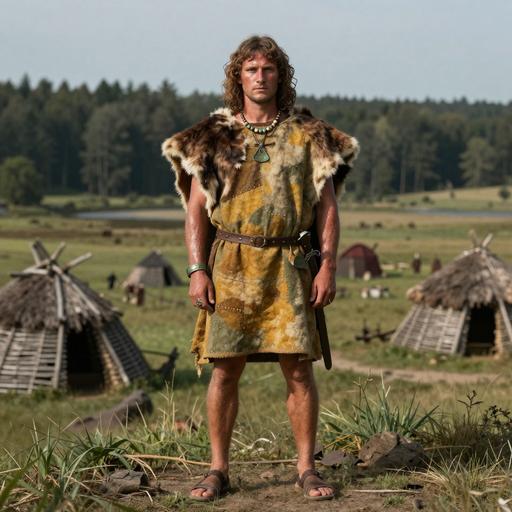
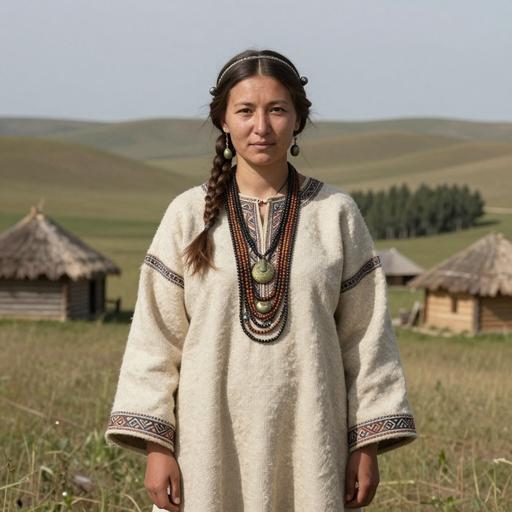
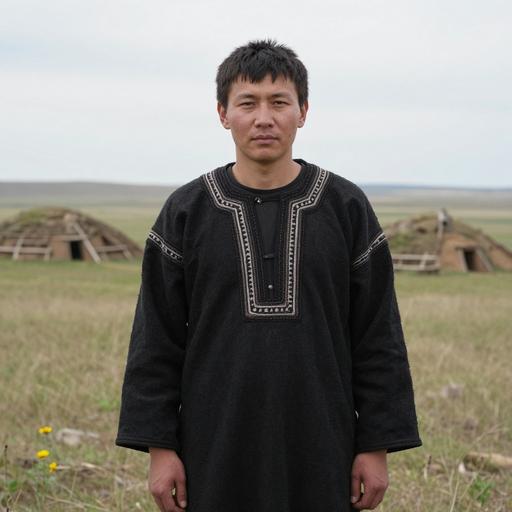
הדיוקנאות הם איורים שנוצרו בבינה מלאכותית. שמות הדגימות ומזהי ההפקדה מזהים את רשומות הייחוס.

דיוקן הדגימה המדינה התקופה התאריך התרבות mtDNA סוג ההתאמה
שחזור אמנותי שנוצר בבינה מלאכותית של הדגימה Proto-Germanic individual, Mecklenburg-Vorpommern. Tollense battlefield, Germany (1,300-1,200 BCE)
מזהה דגימה: WEZ53
Germany Bronze Age Tollense Valley, Germany 1300 BCE - 1200 BCE Tollense Culture U2e2a1a2 התאמה ישירה
שחזור אמנותי שנוצר בבינה מלאכותית של הדגימה Ceu Mlba individual, Mecklenburg-Vorpommern. Tollense battlefield, Germany (1,300-1,200 BCE)
מזהה דגימה: WEZ53
Germany Middle to Late Bronze Age Central Europe 1300 BCE - 1200 BCE U2e2a1a2 התאמה ישירה
שחזור אמנותי שנוצר בבינה מלאכותית של הדגימה Late Medieval Nogai individual, Mamay-Gora (Steppe, Northern Black Sea Region, Zaporizhzhia), Ukraine (1,392-1,508 CE)
מזהה דגימה: UKR022
Ukraine Ukraine LateMedieval Nogai 1400-1500 CE Ukraine_LateMedieval_Nogai U2e2a1a2 התאמה ישירה
שחזור אמנותי שנוצר בבינה מלאכותית של הדגימה Mongun Taiga LBA-3 individual, Bayan-Ulgii aimag. Ulaankhus sum. Kulala Ula barrow 2, Mongolia (1,441-1,304 BCE)
מזהה דגימה: I12976
Mongolia Late Bronze Age Mongun-Taiga 3, Mongolia 1441-1304 calBCE (3120±20 BP, UCIAMS-226550, PSUG-5465) Mongun-Taiga Culture U2e2a1a2 התאמה ישירה
שחזור אמנותי שנוצר בבינה מלאכותית של הדגימה Indo-European individual, Republic of Bashkorstan. Near Usmanovo village. Kazburun 1, Russia (1,868-1,618 BCE)
מזהה דגימה: kzb006
Russia Srubnaya-Alakul Culture, Russia 1868 BCE - 1618 BCE Srubnaya-Alakul U2e2a1a2 התאמה ישירה
שחזור אמנותי שנוצר בבינה מלאכותית של הדגימה Srubnaya Alakul individual, Republic of Bashkorstan. Near Usmanovo village. Kazburun 1, Russia (1,868-1,618 BCE)
מזהה דגימה: kzb006
Russia The Srubnaya Culture 1868 BCE - 1618 BCE U2e2a1a2 התאמה ישירה
שחזור אמנותי שנוצר בבינה מלאכותית של הדגימה Chelyabinsk BA individual, Nepluyevsky Barrow Necropolis (Chelyabinsk Oblast, Kartaly district, Nepluyevka), Russia (1,874-1,637 BCE)
מזהה דגימה: b32-1
Russia Srubnaya-Alakul Culture 1874-1637 calBCE Srubnaya-Alakul U2e2a1a2 התאמה ישירה
שחזור אמנותי שנוצר בבינה מלאכותית של הדגימה Chelyabinsk BA individual, Nepluyevsky Barrow Necropolis (Chelyabinsk Oblast, Kartaly district, Nepluyevka), Russia (1,878-1,689 BCE)
מזהה דגימה: b2a-1
Russia Srubnaya-Alakul Culture 1878-1689 calBCE Srubnaya-Alakul U2e2a1a2 התאמה ישירה
שחזור אמנותי שנוצר בבינה מלאכותית של הדגימה Chelyabinsk BA individual, Nepluyevsky Barrow Necropolis (Chelyabinsk Oblast, Kartaly district, Nepluyevka), Russia (1,895-1,706 BCE)
מזהה דגימה: b2b-1
Russia Srubnaya-Alakul Culture 1895-1706 calBCE Srubnaya-Alakul U2e2a1a2 התאמה ישירה
שחזור אמנותי שנוצר בבינה מלאכותית של הדגימה Czechia EBA Unetice individual, Central Bohemia. Prague 5. Prague-Stodůlky (Malá Ohrada site), Czech Republic (2,150-1,850 BCE)
מזהה דגימה: I7960
Czech Republic Early Bronze Age Unetice Culture, Czech Republic 2150-1850 BCE Unetice Culture U2e2a1a2 התאמה ישירה
ענף אימהי · DNA קדום

מפת ראיות קדומות לענף השושלת

עקבו אחר ענפי המקור המובילים לענף זה, וגלו היכן נמצאו הדגימות הקדומות הקשורות אליו.

טוען תצפיות קדומות...

הסימונים מציינים מקומות מציאה ארכאולוגיים. קו מקווקו הוא מעבר גאוגרפי מוצע ולא ודאי בין ענפים עוקבים, הנתמך בכמה תצפיות מתוארכות. אין זה מסלול מדויק, מקום לידה או הוכחה לירידה ישירה. דגימות מענפי המקור עשויות להשתייך לענפי צאצאים אחרים. הפערים נשארים במקום שבו הראיות אינן מספיקות. תאריכי הדגימות שונים מתאריכי היווצרות ההפלוגרופ.

פרופיל הייחוס

מפת תפוצת הדגימות

התפוצה הגאוגרפית של דגימות דנ"א עתיק בהתאמה ישירה לקבוצה U2E2A1A2 או לתת-הענפים שלה. מספר דגימות: 11

דגימה בהתאמה ישירה
סינון לפי תקופה
כל התקופות
כל הדגימות מוצגות
פרופיל הייחוס

תפוצה בזמן

תפוצת הדגימות על פני התקופות הארכאולוגיות

פרופיל הייחוס

תפוצה גאוגרפית

מספר הדגימות לפי המדינה המתועדת שלהן. הספירות משקפות את דגימות הייחוס הזמינות, בלי למדוד את תדירות הקבוצות ההפלוגרופיות באוכלוסייה.

פרופיל הייחוס

תפוצת הדגימות לפי מדינה ותקופה

השוו את מספר הדגימות המתועדות לפי מדינות ותקופות ארכאולוגיות. בחרו תא עם תוצאות כדי לראות אחת מהדגימות.

הנתונים

הנתונים ומקורותיהם

מידע על המקורות ואיכות הנתונים

עדכון אחרון 2026-02-16
רמת ביטחון 50/100
כיסוי Low

מקור הנתונים

הסיווג, התאריכים המשוערים וההקשר הגאוגרפי משקפים את נתוני הייחוס המתועדים, והם עשויים להשתנות כשהראיות נבדקות מחדש. כיסוי הדגימות משתנה, ומיקומים מתועדים וקשרים ארכאולוגיים אינם מוכיחים מוצא אישי או זהות תרבותית.