דילוג לתוכן הראשי
Y-DNA · שושלת אבהית

E1B1

Y-DNA Haplogroup E1B1

פרופיל ייחוס של ענף שושלת אחד. קבוצה הפלוגרופית משותפת אינה קובעת קשר משפחתי ואינה מגדירה זהות תרבותית.

פרופיל הייחוס

רקע הענף

ההקשר ההיסטורי של ענף E1B1 בשושלת Y-DNA

Origins and Evolution

Haplogroup E1B1 represents an intermediate diversification of haplogroup E1B that likely formed in Northeast/East Africa shortly after the main E1 split. Based on the phylogenetic position of downstream lineages and coalescent estimates for its daughter clades, E1B1 most plausibly arose in the Late Upper Paleolithic to early post-glacial interval (roughly the Late Pleistocene into the early Holocene, on the order of ~28 kya). As an internal node in the E1 branch, E1B1 is important because it precedes two major radiation events that shaped African paternal diversity in the Holocene.

Subclades (if applicable)

E1B1 is best understood as the ancestral node leading to the principal sub-branches that dominate different regions today. Key downstream lineages historically derived from this node include:

  • E-V38 / (E1b1a) — the major sub-Saharan branch that underwent large-scale expansions associated with west-to-east and Bantu-associated dispersals across Central, Eastern and Southern Africa. This lineage reaches high frequencies across much of sub-Saharan Africa.
  • E-M215 / (E1b1b) — a lineage that became common in Northeast Africa, the Horn, North Africa and parts of the Near East and southern Europe. It shows a complex pattern of Holocene movements, including Neolithic and later maritime/overland gene flow into the Mediterranean.

Because E1B1 itself is an internal ancestral node rather than a long-standing terminal lineage, most modern samples are assigned to its descendant clades; however, recognizing E1B1 is useful for reconstructing the timing and pattern of those major splits and the demographic events that followed.

Geographical Distribution

The distribution of E1B1-descended lineages reflects both Paleolithic roots in Northeast Africa and large Holocene demographic processes:

  • Sub-Saharan Africa: Through descendant E-V38/E1b1a, very high frequencies are found across West, Central, East and Southern Africa, especially in Bantu-speaking groups and many West African populations.
  • Horn of Africa and Ethiopia: Descendants of the E1B1 node (particularly E-M215/E1b1b sublineages) are common, reflecting long-term regional presence and later gene flow.
  • North Africa and the Near East: E1b1b-associated lineages show moderate to high presence in Berber populations, Arabic-speaking North Africans, and lower frequencies across the Levant and parts of the Arabian Peninsula and Mediterranean Europe — reflecting multiple Holocene episodes of movement.
  • Southern Europe and the Mediterranean: Low-to-moderate frequencies of E1b1b-derived lineages occur in coastal and island populations (e.g., Sicily, southern Italy, Iberia) consistent with prehistoric and historic trans-Mediterranean connections.
  • The Americas and Caribbean: E1b1-derived paternal lineages are present among Afro-descended populations as the result of the transatlantic slave trade, reflecting the distribution of African source populations.

Historical and Cultural Significance

The phylogeographic pattern that springs from E1B1 helps explain several major historical and prehistorical demographic events in Africa and adjacent regions:

  • Bantu expansion: The enormous spread of Bantu languages and farming practices across much of sub-Saharan Africa (starting in the mid-late Holocene, roughly 2–4 kya) was accompanied by large-scale movement of male lineages dominated by E-V38/E1b1a, a descendant of the E1B1 node.
  • Holocene Saharan dynamics and pastoralism: Climatic shifts in the early to mid-Holocene transformed North Africa and the Sahel, facilitating north–south interactions and the spread of pastoralist groups; some E1B1-descended lineages track these movements into the Horn and parts of North Africa.
  • Neolithic and later Mediterranean contacts: E1b1b sublineages show associations with Neolithic re-settlement routes, Mediterranean maritime networks, and historic trans-Mediterranean contacts (trade, migration, and conquest), explaining their presence at low-to-moderate levels in southern Europe.
  • Historical dispersals: Trans-Saharan trade, the Arab expansions, and the transatlantic slave trade redistributed descendant E1B1 lineages across large parts of Eurasia and the Americas.

Conclusion
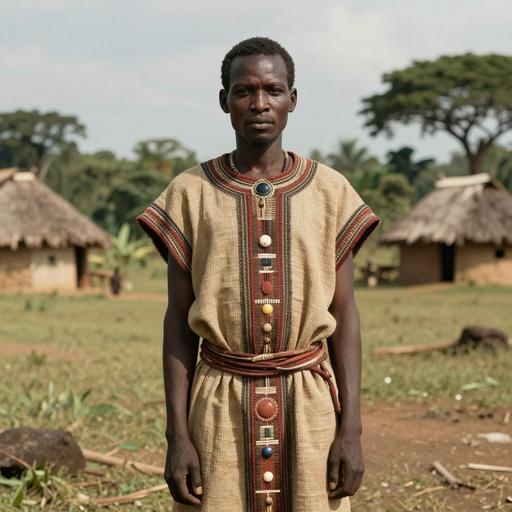
While E1B1 itself functions primarily as an internal node in the Y-chromosome tree, its importance comes from being ancestral to major male lineages that shaped African demography in the Holocene. Studying E1B1 and its daughter clades clarifies the timing of splits in eastern and northern Africa, the routes of Holocene expansions (including the Bantu dispersals and Neolithic-associated movements), and the downstream genetic contributions to North Africa, the Near East, southern Europe and the African diaspora. Continuous improvements in ancient DNA sampling across Africa and the Mediterranean will further refine the absolute timing and migration details tied to this key node.

נקודות עיקריות

  • Origins and Evolution
  • Subclades (if applicable)
  • Geographical Distribution
  • Historical and Cultural Significance
  • Conclusion

פרופיל הייחוס

עץ השושלת והענפים הקשורים

מקום הענף בעץ השושלת ותת-הענפים שלו

מסלול ההתפצלות של השושלת

עקבו אחר ענפי האב המתועדים עד E1B1. התאריכים הם אומדנים ועשויים להשתנות כשנתוני הייחוס מתעדכנים.

שלבי התפצלות הקבוצה ההפלוגרופית גיל משוער התקופה הארכאולוגית הזמן שחלף ענפים ישירים דגימות מודרניות שנבדקו קישורים עתיקים
1 E1B1 הענף הנוכחי ~28,000 years ago Paleolithic 28,000 שנים 2 1,572 0
2 E1B ~30,000 years ago Paleolithic 30,000 שנים 1 1,583 0
3 E1 ~50,000 years ago Paleolithic 50,000 שנים 2 1,667 2
4 E ~50,000 years ago Paleolithic 50,000 שנים 3 1,813 3
פרופיל הייחוס

היכן הענף מופיע

תפוצה גאוגרפית ונוכחות נוכחית

מוצא מתועד

Northeast Africa

תפוצה נוכחית

The populations where Y-DNA haplogroup E1B1 is found include:

  1. Yoruba and other West African groups
  2. Bantu-speaking populations across Central, Eastern and Southern Africa
  3. Mande and West African coastal groups
  4. Ethiopian, Somali and other Horn of Africa populations
  5. Berber (Amazigh) groups of North Africa
  6. Levantine and Near Eastern populations (at lower frequencies)
  7. Southern European groups in Mediterranean regions (e.g., Sicily, Iberia) at low–moderate frequencies
  8. African-descended populations in the Americas and Caribbean (via the transatlantic slave trade)

נוכחות לפי אזור

Eastern Africa High
North Africa High
Western Africa Moderate
Central Africa Moderate
Southern Europe Low
Near East / Western Asia Low
North America (diaspora) Low
North Africa Moderate
Near East / Levant Low
הקשר היסטורי

ענף לאורך זמן

אומדן היווצרות בציר זמן היסטורי רחב. סמני התקופות נותנים הקשר ואינם מרמזים על קשר לתרבויות מסוימות.

  1. ~28k שנים לפני

    קבוצה הפלוגרופית E1B1

    אומדן להיווצרות ענף Y-DNA זה. תאריכים ומיקומים הם אומדני ייחוס.

    הענף הזה
  2. ~20k שנים לפני

    שיא עידן הקרח האחרון

    שיא עידן הקרח האחרון, ואוכלוסיות שנותרו מבודדות

  3. ~10k שנים לפני

    המהפכה הנאוליתית

    ראשית החקלאות והתגבשות קהילות יושבות קבע

  4. ~5k שנים לפני

    תקופת הברונזה

    עיבוד מתכות, כתב וציוויליזציות מוקדמות

  5. ~3k שנים לפני

    תקופת הברזל

    כלי ברזל ורשתות מסחר מורחבות

  6. ~2.5k שנים לפני

    העת העתיקה הקלאסית

    שגשוג הציוויליזציות היוונית והרומית

  7. Present

    ימינו

    העידן המודרני

פרופיל הייחוס

הקשר ארכאולוגי

הקשרים ארכאולוגיים מתועדים של ענף E1B1 מ-Y-DNA

הקשרים מתועדים

תוויות אלה מתארות הקשרים ארכאולוגיים מתועדים של דגימות הייחוס המקושרות ל-E1B1. הקישור אינו מוכיח שכל נושאי הענף השתייכו לתרבות מסוימת או הלכו במסלול נדידה מסוים.

Moroccan Transitional Mtwapa Natufian Nazari Culture PPNB Saint Martin Udegram Culture
סיווג התרבויות מבוסס על ההקשר הארכאולוגי של דגימות דנ"א עתיק, והוא עשוי לשקף קשרים אזוריים בתקופות מסוימות.
פרופיל הייחוס

אינדקס דגימות

מספר דגימות תת-הענפים של הקבוצה ההפלוגרופית E1B1 הוא 37. אין דגימות בהתאמה ישירה בקבוצת הייחוס הנוכחית.

10 מוצגות · 37 דגימות תואמות

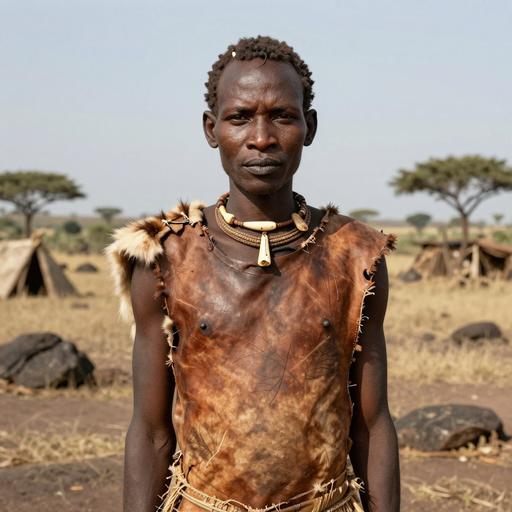
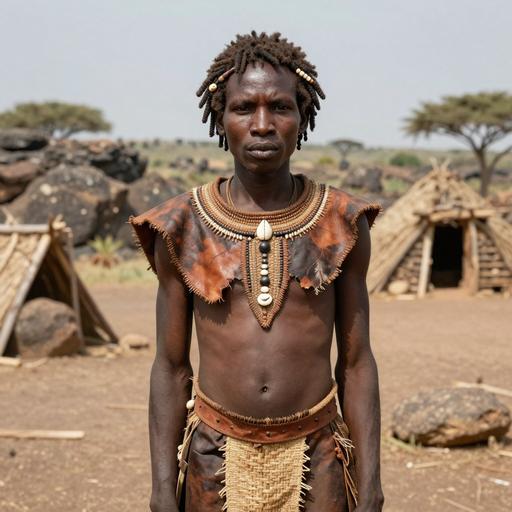
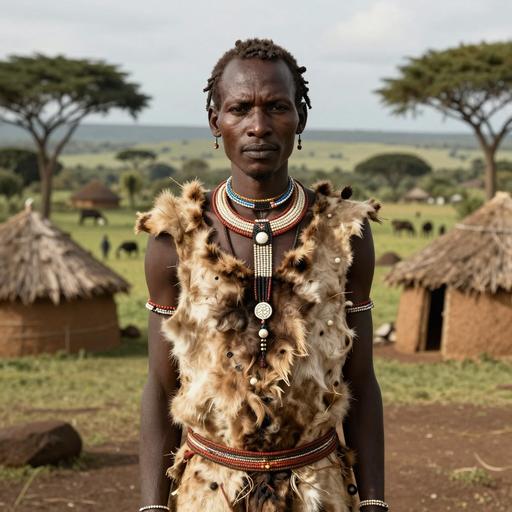
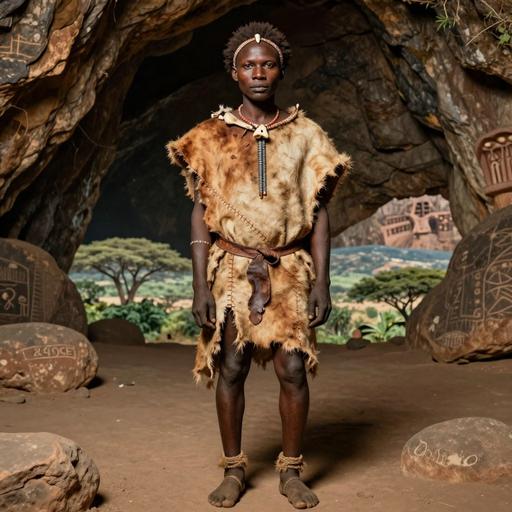
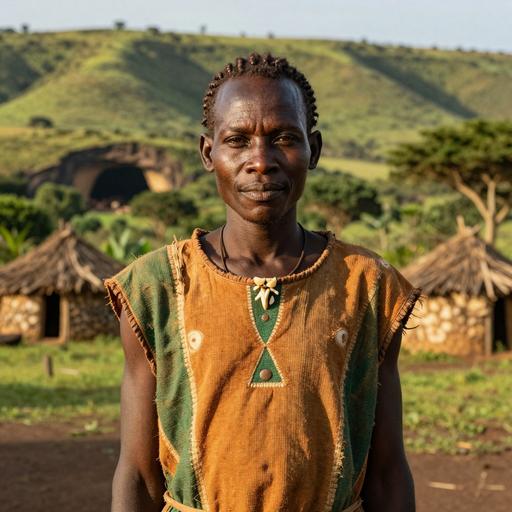
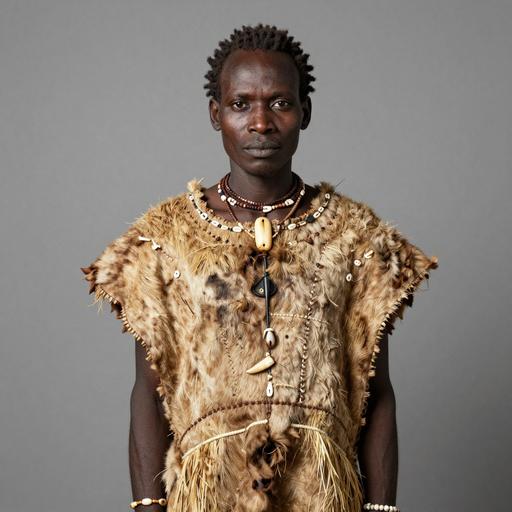
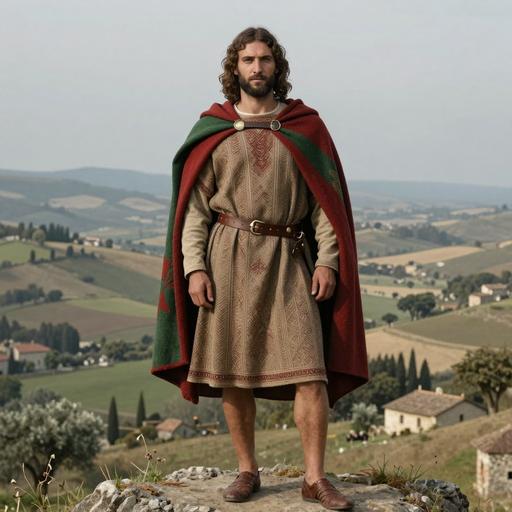
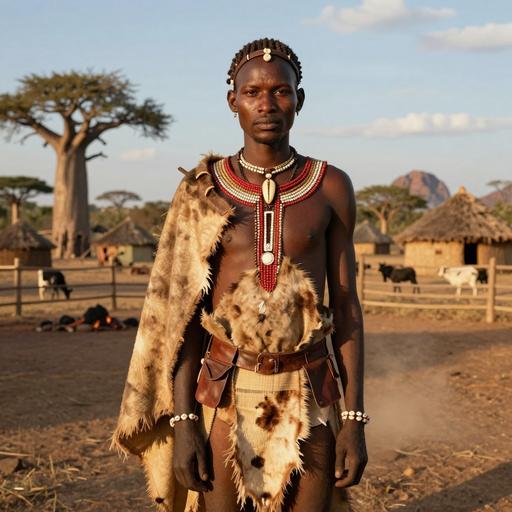
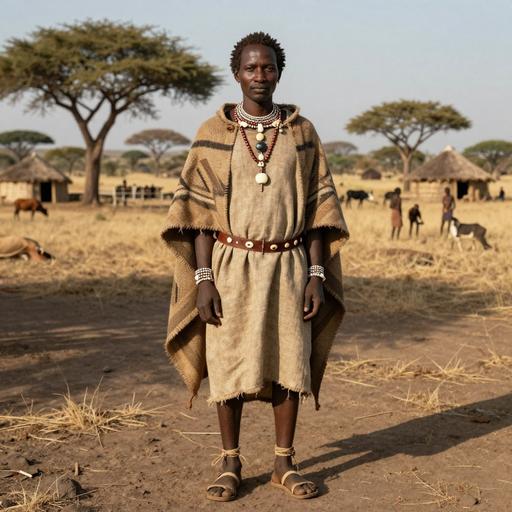
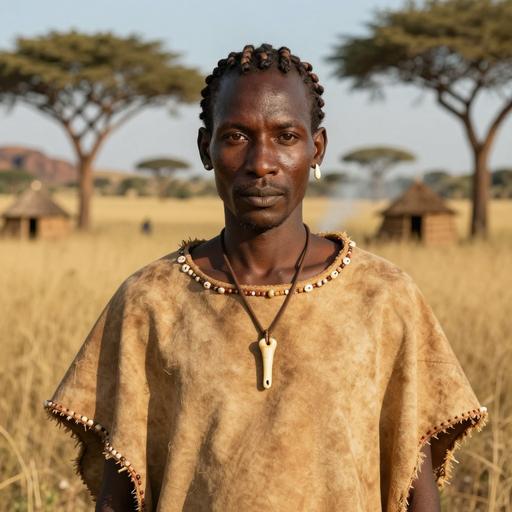
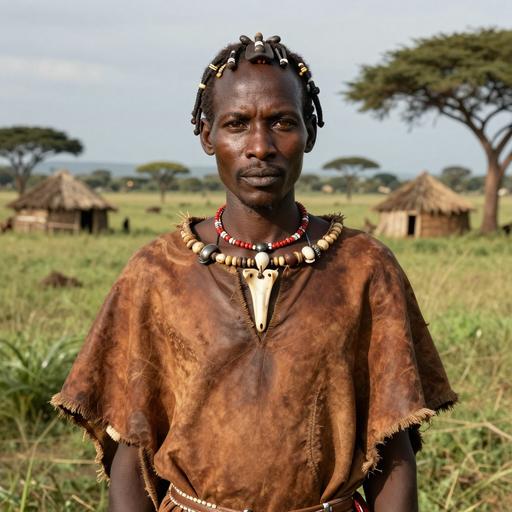
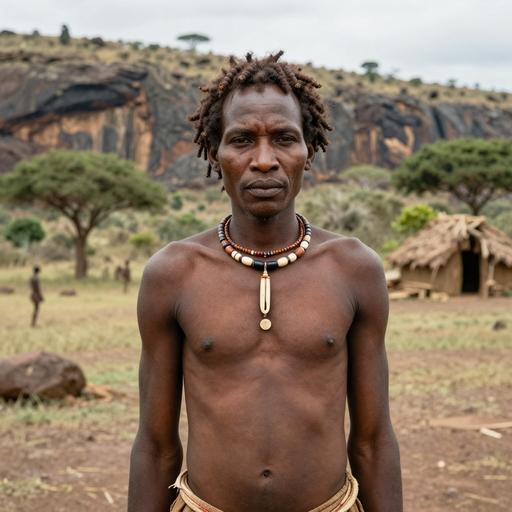
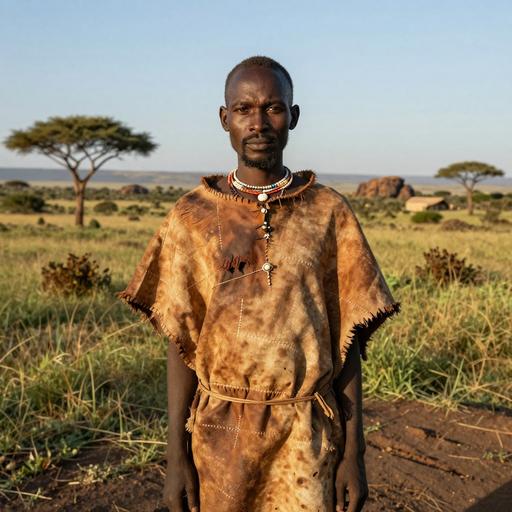
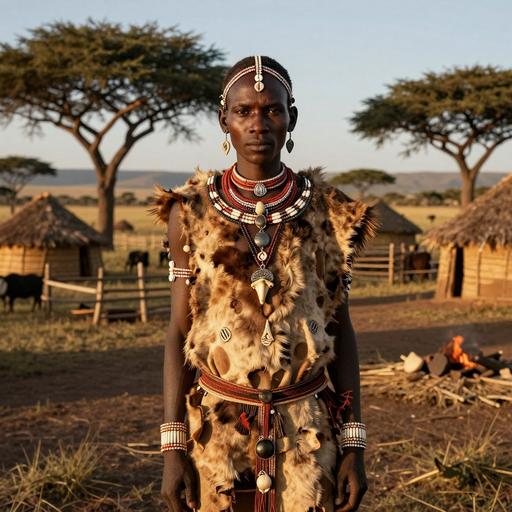
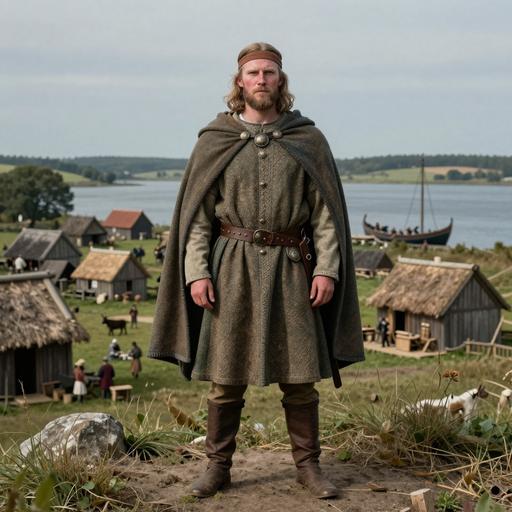
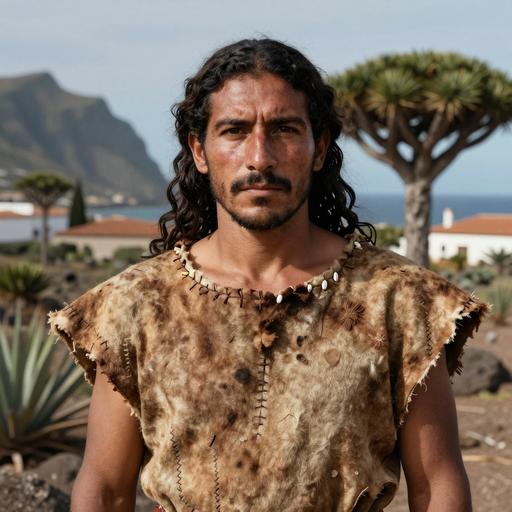
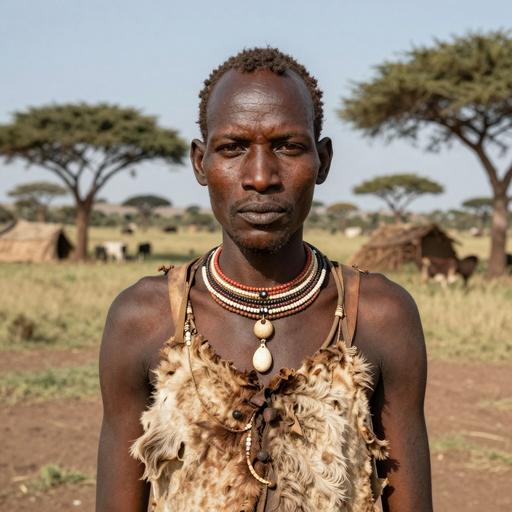
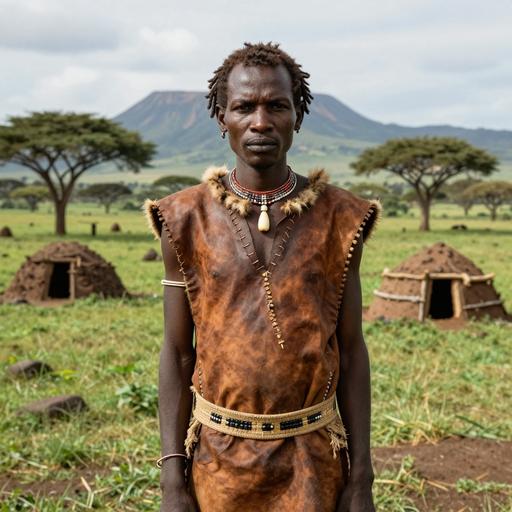
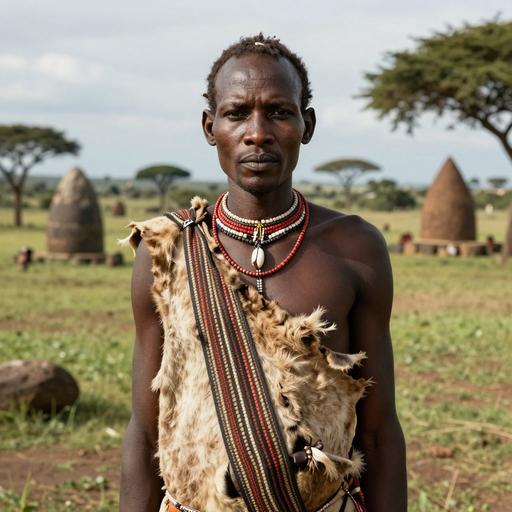
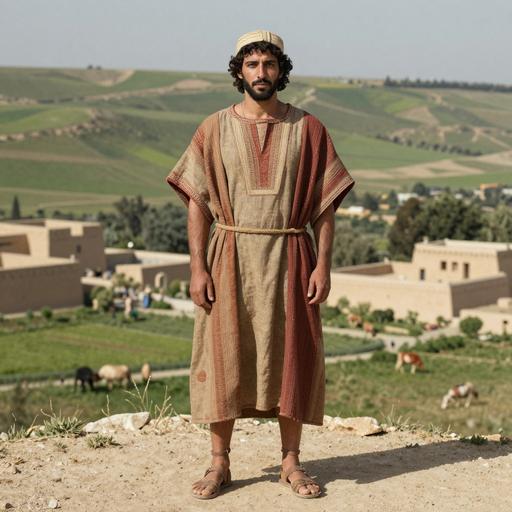
הדיוקנאות הם איורים שנוצרו בבינה מלאכותית. שמות הדגימות ומזהי ההפקדה מזהים את רשומות הייחוס.

דיוקן הדגימה המדינה התקופה התאריך התרבות Y-DNA סוג ההתאמה
שחזור אמנותי שנוצר בבינה מלאכותית של הדגימה Pastoral N individual, Gishimangeda Cave, Tanzania (47-113 BCE)
מזהה דגימה: I13977
Tanzania Prehistoric in Tanzania 47 calBCE - 113 calCE (2005±20 BP, PSUAMS-5652) Tanzanian Prehistoric E1b1b1b2b2 תת-ענף
שחזור אמנותי שנוצר בבינה מלאכותית של הדגימה LSA individual, Victoria Nyanza. Kisumu. Jawuoyo Rockshelter, Kenya (84-211 BCE)
מזהה דגימה: I8808
Kenya Kenya LSA 119-216 calCE (1895±15 BP, PSUAMS-4783) LSA Kenya E1b1b1a1b2 תת-ענף
שחזור אמנותי שנוצר בבינה מלאכותית של הדגימה Pastoral N IA-o individual, Gishimangeda Cave, Tanzania (200-1 BCE)
מזהה דגימה: I13762
Tanzania Prehistoric and Iron Age in Tanzania 163-59 calBCE (2140±15 BP, PSUAMS-5458) Tanzania Multi-Period E1b1b1b2b2a1 תת-ענף
שחזור אמנותי שנוצר בבינה מלאכותית של הדגימה Pastoral N individual, Nyandarua. Ol Kalou, Kenya (215-326 BCE)
מזהה דגימה: I12384
Kenya Kenya PastoralN 229-358 calCE (1800±20 BP, PSUAMS-4940) Pastoral Neolithic E1b1b1b2b2a1 תת-ענף
שחזור אמנותי שנוצר בבינה מלאכותית של הדגימה Pastoral N individual, Gishimangeda Cave, Tanzania (245-368 CE)
מזהה דגימה: I13972
Tanzania Prehistoric in Tanzania 245-368 calCE (1780±25 BP, PSUAMS-5651) Tanzanian Prehistoric E1b1b1b2b2 תת-ענף
שחזור אמנותי שנוצר בבינה מלאכותית של הדגימה Alt Inden Early Medieval-o Levant individual, North Rhine-Westphalia. Alt-Inden, Germany (400-800 CE)
מזהה דגימה: IND009
Germany Saxon Early Medieval Alt Inden, Germany 400-800 CE Saxon Culture E1b1b1a1b1a תת-ענף
שחזור אמנותי שנוצר בבינה מלאכותית של הדגימה Pastoral N individual, Molo Cave. GoJi3, Kenya (437-600 BCE)
מזהה דגימה: MOL001
Kenya Molo Cave Pastoral Neolithic in Kenya 541-637 calCE (1532±21 BP, OxA-37360) Molo Cave Culture E1b1b1b2b תת-ענף
שחזור אמנותי שנוצר בבינה מלאכותית של הדגימה Pastoral N individual, Hyrax Hill. GrJj25, Kenya (513-386 BCE)
מזהה דגימה: HYR002
Kenya Hyrax Hill Pastoral Neolithic in Kenya 415-202 calBCE (2354±23 BP, OxA-37352) Hyrax Hill E1b1b1b2b תת-ענף
שחזור אמנותי שנוצר בבינה מלאכותית של הדגימה Piedmont North Early Medieval Lombards-3 individual, Piedmont. Collegno, Italy (580-630 CE)
מזהה דגימה: CL38
Italy Early Medieval Langobards, Northern Italy 550-650 CE Langobard E1b1b1a1b1a3 תת-ענף
שחזור אמנותי שנוצר בבינה מלאכותית של הדגימה Berber individual, Tenerife, Canary Islands (593-660 CE)
מזהה דגימה: gun012
Canary Islands The Guanche People of the Canary Islands 593 CE - 660 CE Guanche E1b1b1b1a1 תת-ענף
ענף אבהי · DNA קדום

מפת ראיות קדומות לענף השושלת

עקבו אחר ענפי המקור המובילים לענף זה, וגלו היכן נמצאו הדגימות הקדומות הקשורות אליו.

טוען תצפיות קדומות...

הסימונים מציינים מקומות מציאה ארכאולוגיים. קו מקווקו הוא מעבר גאוגרפי מוצע ולא ודאי בין ענפים עוקבים, הנתמך בכמה תצפיות מתוארכות. אין זה מסלול מדויק, מקום לידה או הוכחה לירידה ישירה. דגימות מענפי המקור עשויות להשתייך לענפי צאצאים אחרים. הפערים נשארים במקום שבו הראיות אינן מספיקות. תאריכי הדגימות שונים מתאריכי היווצרות ההפלוגרופ.

פרופיל הייחוס

מפת תפוצת הדגימות

התפוצה הגאוגרפית של דגימות דנ"א עתיק בהתאמה ישירה לקבוצה E1B1 או לתת-הענפים שלה. מספר דגימות: 37

דגימה מתת-ענף
סינון לפי תקופה
כל התקופות
כל הדגימות מוצגות
פרופיל הייחוס

תפוצה בזמן

תפוצת הדגימות על פני התקופות הארכאולוגיות

פרופיל הייחוס

תפוצה גאוגרפית

מספר הדגימות לפי המדינה המתועדת שלהן. הספירות משקפות את דגימות הייחוס הזמינות, בלי למדוד את תדירות הקבוצות ההפלוגרופיות באוכלוסייה.

פרופיל הייחוס

תפוצת הדגימות לפי מדינה ותקופה

השוו את מספר הדגימות המתועדות לפי מדינות ותקופות ארכאולוגיות. בחרו תא עם תוצאות כדי לראות אחת מהדגימות.

הנתונים

הנתונים ומקורותיהם

מידע על המקורות ואיכות הנתונים

עדכון אחרון 2026-06-15
רמת ביטחון 50/100
כיסוי Low

מקור הנתונים

הסיווג, התאריכים המשוערים וההקשר הגאוגרפי משקפים את נתוני הייחוס המתועדים, והם עשויים להשתנות כשהראיות נבדקות מחדש. כיסוי הדגימות משתנה, ומיקומים מתועדים וקשרים ארכאולוגיים אינם מוכיחים מוצא אישי או זהות תרבותית.