דילוג לתוכן הראשי
תיקי DNA

Echoes of Fatyanovo: Ivanovo Bronze Age

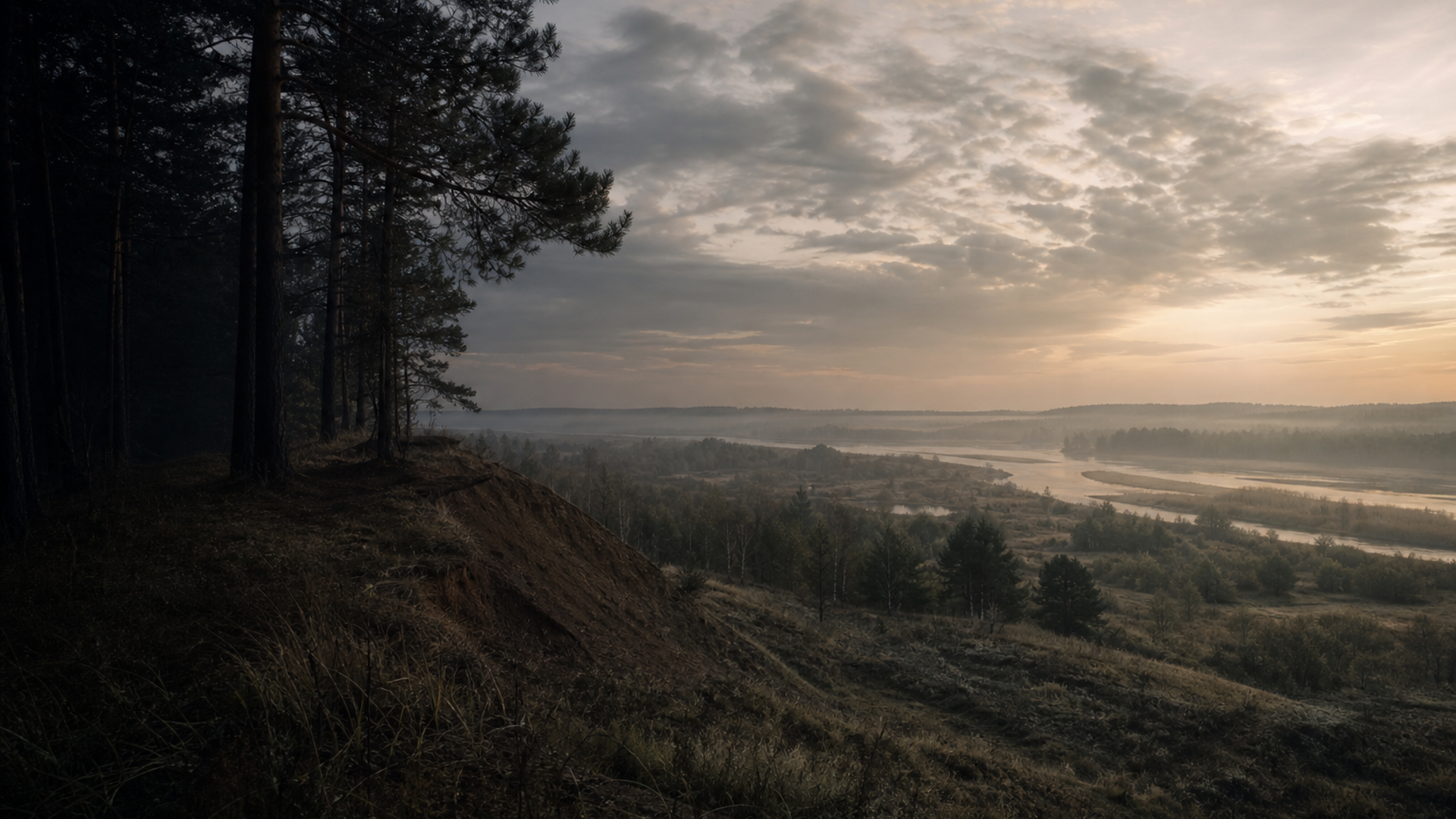
Bronze Age communities of Ivanovo where steppe winds met forested rivers

2834 CE - 2000 BCE
Ivanovo Oblast, central Russia

הסיפור

Archaeological and genetic glimpses into the Fatyanovo-related Bronze Age communities of Ivanovo (2834–2000 BCE). Material culture and DNA indicate steppe-derived ancestry blending with local lineages across the middle Volga forest-steppe.

Time Period

2834–2000 BCE

Region

Ivanovo Oblast, central Russia

Common Y-DNA

R (observed in 2/13)

Common mtDNA

U (3), K (2), W6 (2), T (2), H (1)

ציר הזמן

2500 BCE

Fatyanovo presence in Ivanovo

Material culture and burials in Ivanovo indicate Fatyanovo-related occupation and steppe-influenced ancestry around the mid–late 3rd millennium BCE.

Origins & Emergence

A place where steppe currents touched the forest

The Fatyanovo-related groups in the Ivanovo area emerge in the late 3rd millennium BCE as part of an eastward extension of Corded Ware–linked cultural horizons. Archaeological data indicates pottery styles, burial rites and metal objects at sites such as Miloslavka, Timofeyevka and Mytishchi (Ivanovo Oblast) that align with broader Fatyanovo traditions dated across the Volga and forest zone.

These communities appear where open river corridors meet dense forests — a cinematic landscape of braided waterways and birch stands. Material culture suggests mobile pastoralist lifeways combining animal herding and seasonal foraging, while burial practices reflect social markers carried from western Corded Ware traditions but adapted locally.

Genetically and archaeologically, the picture is of movement and mixture: steppe-derived ancestry associated with late Neolithic pastoral dispersals appears alongside local northern farmer-forager lineages. Limited evidence and regional variation mean that precise routes and mechanisms of arrival remain under study; some features likely reflect small-scale migration and cultural transmission rather than wholesale population replacement.

This emergence shaped a new Bronze Age mosaic in central Russia — a frontier where long-distance connections reworked local social and economic landscapes.

  • Fatyanovo-related material culture found at Miloslavka, Timofeyevka, Mytishchi
  • Dates span late 3rd to early 2nd millennium BCE (2834–2000 BCE)
  • Archaeological signals of Corded Ware connections adapted to forest-steppe contexts

Daily Life & Society

Between herd, field and forest

Archaeological remains portray a subsistence economy balanced between domesticated animals, small-scale cultivation and exploitation of forest resources. Tools, pottery fragments and faunal remains from Ivanovo-area sites show seasonal cycles: summer pastures along river terraces, winter camps in sheltered valleys, and spring-summer foraging in nearby woodlands.

Burial contexts — often single inhumations with simple grave goods — suggest households or kin groups with variable wealth. Metal objects and decorated pottery occur but are not ubiquitous, indicating social differentiation without extreme hierarchy in the sampled assemblages. The landscape encouraged mobility: waterways were communication routes that connected Ivanovo communities to wider exchange networks of copper and amber.

Craft production likely included flint and bone tools, textile working and rudimentary metallurgy. The rhythm of life was shaped by the forested environment: hunting and gathering supplemented herd products, and seasonal floods replenished soils near riverbanks. Ethnographic analogy and settlement patterns point to flexible social units capable of moving to exploit dispersed resources.

Archaeological data indicates adaptation rather than simple transplantation of lifeways — incoming elements were negotiated with established local practices to create distinct regional expressions of the Bronze Age.

  • Mixed economy: herding, small-scale cultivation, forest foraging
  • Mobility anchored to river corridors and seasonal resources

Genetic Profile

DNA: a mosaic of steppe influx and northern lineages

Genome-wide data from 13 individuals dated between 2834 and 2000 BCE from Ivanovo (Miloslavka, Timofeyevka, Mytishchi) portray a community with substantial steppe-related ancestry combined with northern European and local farmer-forager components. This pattern is consistent with Fatyanovo-related groups elsewhere, which carry ancestry linked to Corded Ware expansions from the steppe.

Uniparental markers in the dataset show limited diversity but informative signal: Y-chromosome haplogroup R is observed in 2 of the 13 samples, indicating presence of steppe-associated paternal lineages (the resolution here is coarse and specific subclades cannot be robustly assigned from the summary counts). Mitochondrial haplogroups are varied — U (3), K (2), W6 (2), T (2), H (1) — reflecting a mixture of lineages common across northern and eastern Europe and consistent with female-mediated gene flow from local populations.

Population genomic analyses (ADMIXTURE/PCA and formal tests in broader datasets) typically show Fatyanovo-related individuals shifted toward steppe clusters relative to earlier local foragers, but not pure steppe ancestry — admixture with local groups is clear. With 13 samples, conclusions are increasingly reliable for the Ivanovo cluster but remain geographically limited; regional sampling density and temporal depth are still insufficient to resolve fine-scale demographic processes such as sex-biased migration or the tempo of admixture.

In short: the Ivanovo Fatyanovo-related Bronze Age communities were genetically mixed, bearing the imprint of long-distance steppe movements while retaining local maternal diversity.

  • Genome-wide ancestry: steppe-related + local northern/farmer-forager components
  • Uniparental lineages: Y-R observed; mtDNA dominated by U, K, W6, T, H

Legacy & Modern Connections

Long shadows in modern genomes and landscapes

The genetic and cultural imprint of Fatyanovo-related groups contributes to the deep ancestry of populations across northern and central Russia. Steppe-derived ancestry components that arrived in the late 3rd millennium BCE persisted and mixed further over millennia, becoming part of the genetic substrate that later populations inherited. Archaeologically, the melding of Corded Ware–derived practices with local traditions set trajectories in metalworking, pastoralism and burial ritual that resonate through later Bronze Age and Iron Age cultures.

Caution is needed: modern populations are the result of many subsequent migrations and admixtures, so direct lineage claims are complex. Still, the Ivanovo samples illustrate a formative episode when long-distance connections reshaped local gene pools and lifeways, leaving detectable echoes in both DNA and material culture.

Ongoing sampling, better temporal resolution and more sites will refine how these early Bronze Age mixtures translated into later genetic and cultural landscapes.

  • Contributed to long-term steppe-derived ancestry in northern Russia
  • Material and genetic traces persist, but later events complicated direct continuity

עוזר הבינה המלאכותית

עוזר הבינה המלאכותית מאת DNA Genics

פתיחת התכונה הזו
שאלו שאלות על תרבות Echoes of Fatyanovo: Ivanovo Bronze Age. העוזר יכול להסביר ממצאים גנטיים, הקשר היסטורי, ראיות ארכאולוגיות וקשרים לעת המודרנית.
דוגמה לניתוח בבינה מלאכותית

מבט על תרבות Echoes of Fatyanovo: Ivanovo Bronze Age

דגימות DNA קדום עוזרות לחוקרים לחקור דפוסי נדידה וקשרים גנטיים בין אוכלוסיות קדומות.

זו תצוגה מקדימה של הניתוח. העוזר המלא מאפשר לעיין בנושאים הבאים:

  • הרכב גנטי ודמיון גנטי
  • דפוסי נדידה ומקורות
  • חיי יומיום ומנהגים תרבותיים
  • קשרים גנטיים בני זמננו