Roman Frontiers: Serbia & Italy
Archaeological and genetic glimpse into Roman-era communities (1–538 CE)
הכירו את המיקום והתקופה של דגימות DNA קדום ואת המחקר שפורסם עליהן, ועיינו בתרבויות הקשורות אליהן.
עיון באוסףתוצאות 1 עד 12 מתוך 12
Archaeological and genetic glimpse into Roman-era communities (1–538 CE)
Archaeology and ancient DNA tracing life across the Balkans, 5468–2000 BCE
Jakovo graves (400–600 CE) illuminate Gepidic presence in Serbia with preliminary DNA signals
Three Neolithic individuals from Vojvodina offer a glimpse of the first farmers' lives and genes.
Five Ostojicevo burials (2100–1800 BCE) linking Maros-era life to maternal lineages
Genomic and archaeological portrait of Starčevo communities (6221–5300 BCE) in Serbia
Early Medieval Slavic community in eastern Serbia, seen through archaeology and ancient DNA
Riverside hunter‑gatherers of the Danube whose bones and DNA illuminate deep European roots.
Medieval Slavic burials from Viminacium connect archaeology and emerging aDNA signals
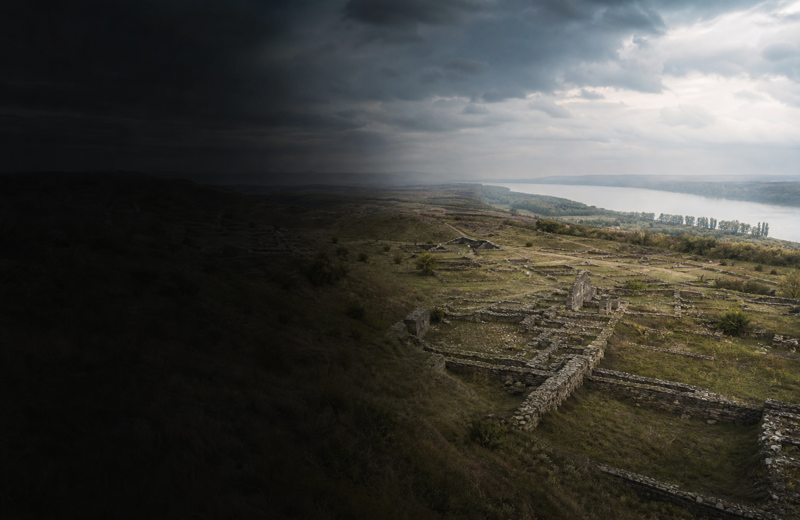
Archaeology and DNA illuminate life at Viminacium and Timacum Minus, 1–538 CE
Early Bronze Age necropolis at Mokrin connecting graves, artifacts and genomes
Early Neolithic communities across the Balkans and Carpathian Basin, seen through archaeology and DNA