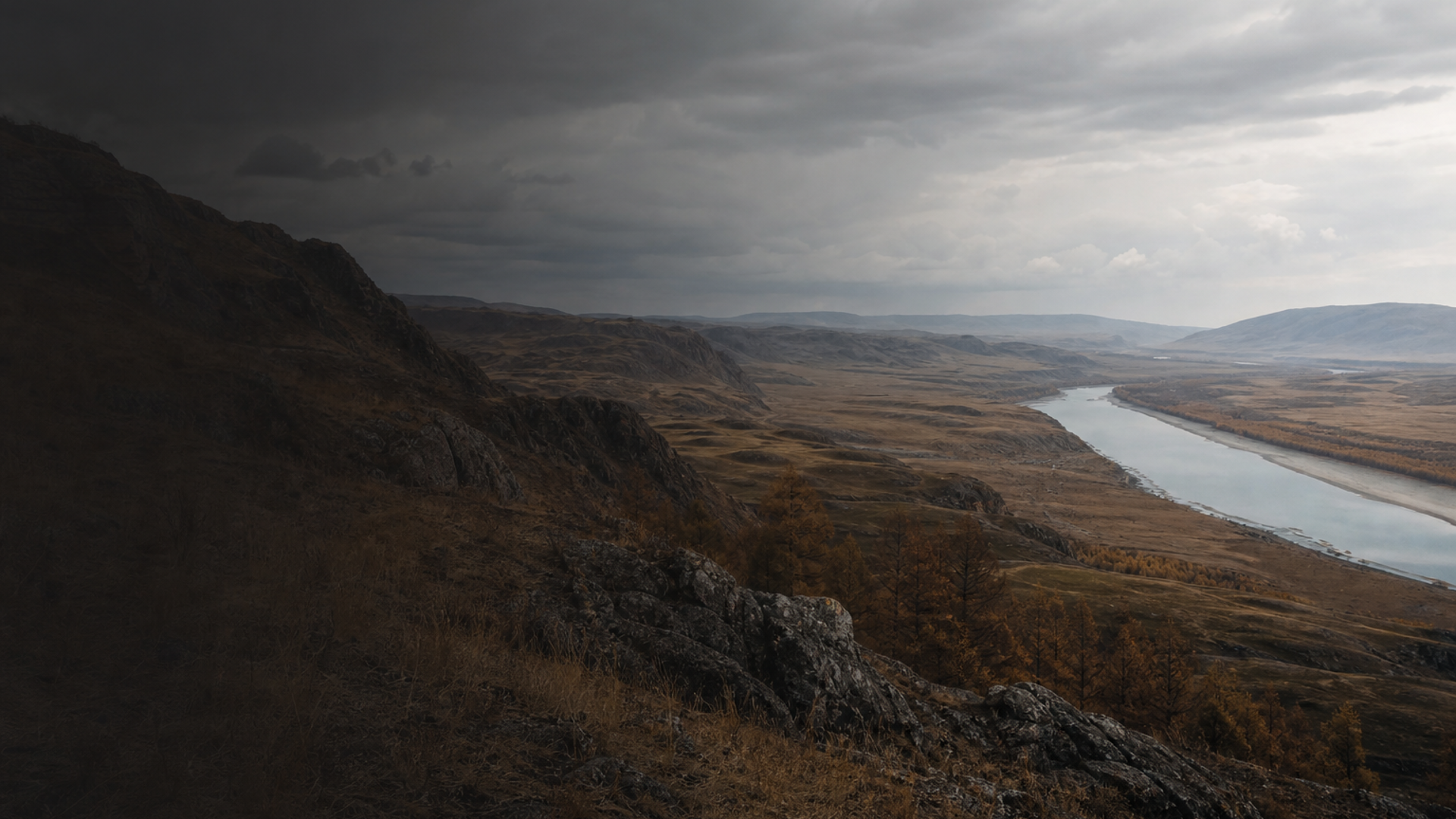
The Lena's currents sculpted livelihoods. Archaeological inference suggests communities relied on abundant freshwater fish, wild game (moose, deer, small mammals), and gathered plant foods. Settlement traces in the wider Cis-Baikal region indicate seasonal camps and shelters tuned to migratory and spawning cycles rather than dense, permanent villages.
Burial practice provides a rare window into social life. The three Lena River burials preserve human remains whose mortuary placement and any grave goods (where reported) suggest localized traditions with potential status differences, though the small sample inhibits broad generalizations. On a regional scale, occasional bronze objects and worked bone items in Baikal contexts show metal was known and incorporated into local material culture, likely in limited amounts and perhaps as prestige goods.
Craft, exchange, and mobility likely defined daily rhythms: fishing technology, hide-working, and small-scale woodworking; sporadic long-distance contacts may have brought exotic materials. Archaeological data indicates a flexible subsistence economy resilient to the northern climate, but many details remain tentative until larger, well-documented assemblages are recovered.