דילוג לתוכן הראשי
תיקי DNA

Voices of the Steppe

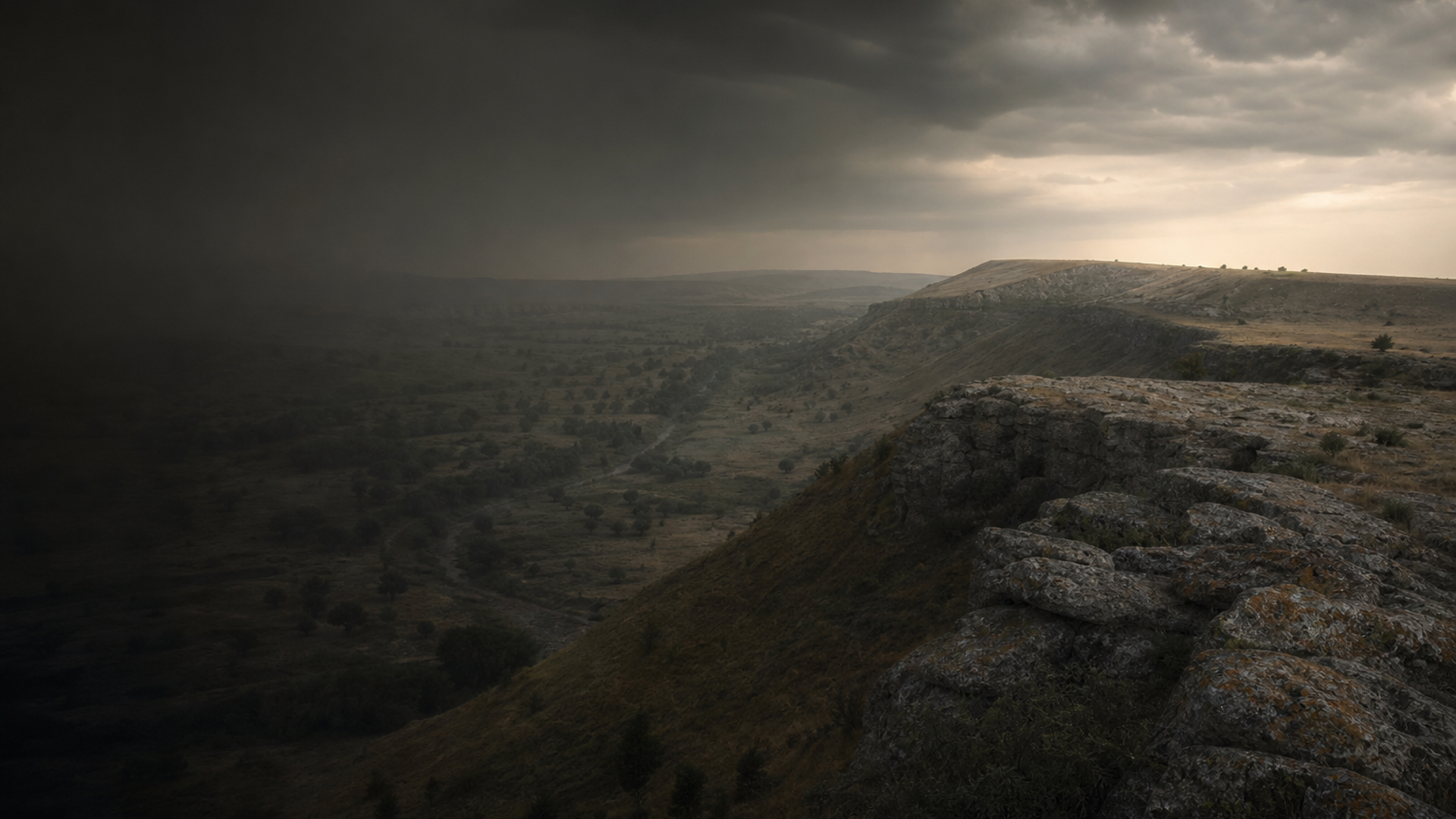
Archaeology and DNA reveal a mobile pastoral world from Kazakhstan to Europe.

3345 BCE - 410 CE
Kazakhstan, China, Russia, Hungary, Moldova, Ukraine, Kyrgyzstan
3 דגימות קדומות

הסיפור

Steppe_Cultures (c. 3345 BCE–410 CE) encompass mobile pastoral groups whose kurgan burials, horse culture, and long-distance contacts are visible in sites like Berel and Bektauata. Genetic data (99 samples) links these communities across Eurasia while showing regional admixture and change over millennia.

Time Period

c. 3345 BCE – 410 CE

Region

Kazakhstan, China, Russia, Hungary, Moldova, Ukraine, Kyrgyzstan

Common Y-DNA

R (26), Q (11), N (2), J (1), C (1)

Common mtDNA

U (17), C (9), H (8), R (7), D (6)

מיקומי הדגימות

המפה האינטראקטיבית אינה זמינה. אפשר לראות את המיקומים הרשומים בקטלוג הדגימות.

ציר הזמן

2500 BCE

Expansion of pastoral kurgan tradition

Kurgan burial customs and mobile herding economies expand across Central Eurasia, laying foundations for later Tasmola and Saka developments (archaeological signal in Kazakhstan).

Origins & Emergence

Overview

Across the open grasslands of Central Eurasia a mosaic of mobile pastoral lifeways took shape from the late 4th millennium BCE onward. Archaeological sequences traced in Central Kazakhstan — notably the kurgans of Berel Necropolis, Bektauata, and Akbeit I — show a continuity of burial mound traditions, horse gear, and richly furnished graves that signal social differentiation and long-distance connections.

Archaeological evidence

Excavations at Berel (mounds 5 and 44, and objects 67A, 69, 76, 80A/80E, 90A, 105) preserve organic furnishings and harness equipment in permafrost-like contexts, providing rare detail on material culture and funerary performance. Tasmola-period graves (Early Iron Age Tasmola Culture) in central Kazakhstan are archaeologically linked to earlier Bronze Age networks (Kumsay, Tasbas, Zevakinskiy) and later Iron Age interactions that reach Xinjiang and the Pontic steppe.

Interpretation

Archaeological data indicates a world defined by mobility — seasonal herding, horse riding, and exchange. Limited evidence suggests regionally distinct traditions fused through marriage and trade, producing the variegated steppe cultures sampled here. Chronological depth (3345 BCE to 410 CE) records both continuity and transformation as communities responded to climatic, economic, and cultural pressures.

  • Kurgan burials at Berel, Bektauata, Akbeit I preserve rich organic assemblages.
  • Material links connect Central Kazakhstan to Xinjiang and the Pontic-Caspian steppe.
  • Evidence indicates long-term pastoral mobility with regional cultural variation.

Daily Life & Society

Economy and mobility

Life on the steppe revolved around herds: horses, sheep, goats, and cattle shaped seasonal round and social organization. Archaeobotanical traces and faunal remains from mounds and habitation sites indicate mixed herding and localized cultivation in river valleys. Horse equipment from Berel — bits, bridles, and saddles — hints at mounted pastoralism central to transport, hunting, and status.

Social structure and ritual

Kurgan burials display striking social differentiation. Some mounds contain high-status graves with weapons, wooden furniture, felt textiles, and equestrian gear; others are simpler. Mortuary variability suggests hierarchical communities where elite lineages expressed power through funerary display. Grave offerings and animal sacrifices point to ritual systems tying kin, territory, and herds.

Craft, exchange, and mobility

Objects recovered (leatherwork, metal ornaments, embroidered textiles) reflect skilled local craft and long-distance exchange — from Xinjiang silks to steppe metalworking styles found in the Pontic region. Archaeological data indicates these groups were conduits of goods, ideas, and people across Eurasia, their mobility both material and genetic.

  • Herding and horse husbandry structured seasonal life and mobility.
  • Kurgan differentiation suggests social hierarchy and ritualized burial practices.

Genetic Profile

Sample context and scope

This dataset includes 99 ancient individuals spanning c. 3345 BCE to 410 CE from Central Kazakhstan (Akbeit I, Bektauata, Berel Necropolis) and broader steppe regions. The sample size enables robust regional patterns while still requiring caution for fine-scale temporal and social interpretation.

Uniparental markers

Y-chromosome results show a predominance of haplogroup R (26/99), consistent with a strong steppe-derived paternal lineage seen in many Bronze and Iron Age pastoralist contexts. Haplogroup Q (11) and low counts of N (2), J (1), and C (1) point to eastern and Siberian connections in some individuals, and occasional West Asian links.

Mitochondrial diversity is high: U (17), C (9), H (8), R (7), D (6), among others. This mixed maternal pool indicates female-mediated gene flow from diverse sources and suggests exogamous marriage networks across ecological and cultural zones.

Population dynamics and interpretation

Archaeogenetic patterns align with archaeological evidence for mobility: a dominant steppe genetic signature (reflected in R-lineages) combined with eastern/western admixture over time. The presence of Q and N haplogroups implies interactions with Inner Asian and Siberian populations, while mtDNA heterogeneity suggests incoming women from varied backgrounds. These data support models of largely male-driven mobility complemented by wide-ranging female exchange, but regional and temporal heterogeneity cautions against simple, uniform narratives.

  • Predominant Y-haplogroup R indicates strong steppe paternal ancestry.
  • mtDNA diversity and eastern Y-lineages (Q, N, C) point to multi-directional admixture.

Legacy & Modern Connections

The steppe cultures sampled here form part of a deep substrate in Eurasian prehistory. Genetic legacies of these populations contribute to the ancestry of modern Central Asian, Eastern European, and some Siberian groups — a palimpsest written by millennia of migration, marriage, and cultural exchange. Archaeological finds such as the richly furnished Berel burials provide a vivid material echo: felt carpets, carved wood, and horse harnesses that animate the lives behind the genomes.

Caution is necessary: genetic continuity is complex, with later migrations and population turnovers reshaping ancestry. Nevertheless, the combined archaeological and genetic record shows how pastoral mobility, social hierarchy, and long-distance networks helped shape the human geography of Eurasia. These steppe communities were not isolated; they were agents of connectivity whose material and genetic traces persist in surprising modern lineages and regional traditions.

  • Contributes to the genetic heritage of modern Central Asian and Eastern European populations.

  • Berel and related sites provide tangible cultural continuities that complement genetic evidence.

קטלוג הדגימות

3 / 3 דגימות
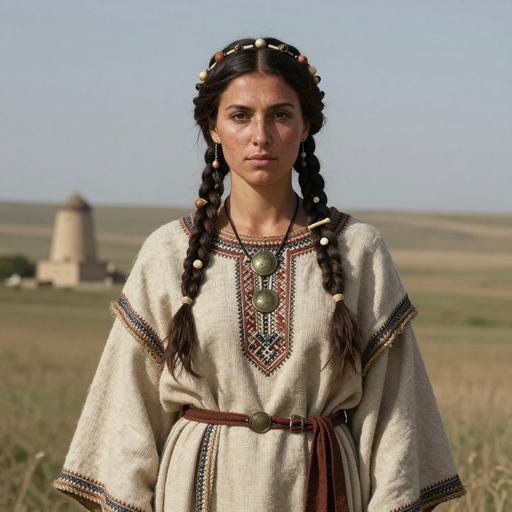
תמונה דגימה מדינה תקופה תאריך תרבות מין Y-DNA mtDNA
שחזור אמנותי שנוצר בבינה מלאכותית של Steppe Cultures individual, Moldova
Moldova Moldova_Cimmerian 1011 BCE Steppe Cultures F - R
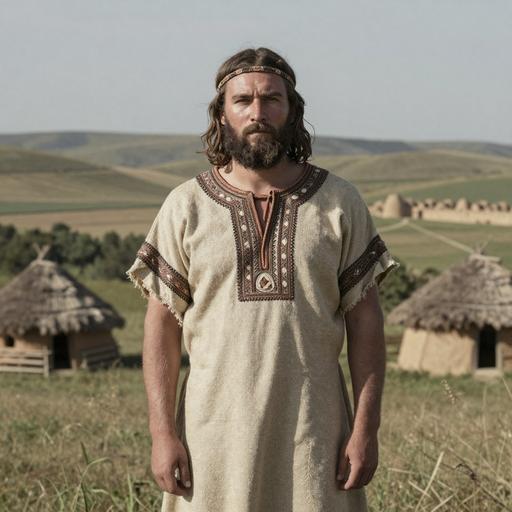
שחזור אמנותי שנוצר בבינה מלאכותית של Steppe Cultures individual, Moldova
Moldova Moldova_Cimmerian 916 BCE Steppe Cultures M R-Z2123 H9a
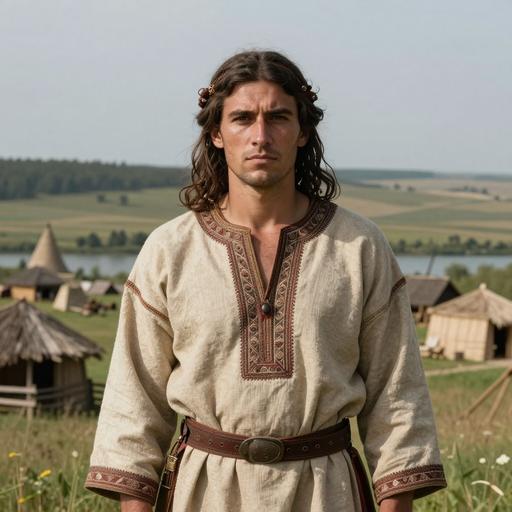
שחזור אמנותי שנוצר בבינה מלאכותית של Steppe Cultures individual, Moldova
Moldova Moldova_Cimmerian 971 BCE Steppe Cultures M Q-F4528 C5c

עוזר הבינה המלאכותית

עוזר הבינה המלאכותית מאת DNA Genics

פתיחת התכונה הזו
שאלו שאלות על תרבות Voices of the Steppe. העוזר יכול להסביר ממצאים גנטיים, הקשר היסטורי, ראיות ארכאולוגיות וקשרים לעת המודרנית.
דוגמה לניתוח בבינה מלאכותית

מבט על תרבות Voices of the Steppe

דגימות DNA קדום עוזרות לחוקרים לחקור דפוסי נדידה וקשרים גנטיים בין אוכלוסיות קדומות.

זו תצוגה מקדימה של הניתוח. העוזר המלא מאפשר לעיין בנושאים הבאים:

  • הרכב גנטי ודמיון גנטי
  • דפוסי נדידה ומקורות
  • חיי יומיום ומנהגים תרבותיים
  • קשרים גנטיים בני זמננו