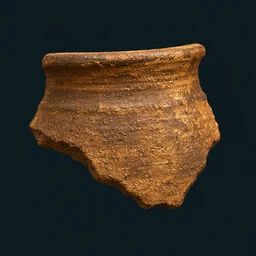
Danish Early Neolithic life (4000–3300 BCE) reflects the establishment and consolidation of farming communities in Denmark. Across the period, material culture and settlement evidence show how domestic production expanded in a landscape where earlier hunter-gatherer traditions had already shaped settlement choices.
התאמות
17
מרחק ממוצע
26.65
שיעור מתוך ההתאמות המוצגות
17%
אתרים של דגימות מייצגות
Lundby-Falster (Falster region), Denmark
Rude (Jutland region), Denmark
Elkenøre (Falster region), Denmark
אין מיקום מתועד
ההתאמה הקרובה ביותר
על התרבות הזאת Sweden N
Sweden N
In northern Sweden, medieval estates and manorial farms (frälsegårdar) shaped local landscapes between the 12th and 15th centuries. Archaeology and environmental evidence highlight how households organized land use, production, and consumption in a Christianizing regional economy.
התאמות
15
מרחק ממוצע
27.01
שיעור מתוך ההתאמות המוצגות
15%
אתרים של דגימות מייצגות
Frälsegården, Sweden
אין מיקום מתועד
ההתאמה הקרובה ביותר
על התרבות הזאת Ukraine CernavodaI Kartal C
Ukraine CernavodaI Kartal C
The Cernavoda I–Kartal horizon belongs to Chalcolithic communities in the Lower Danube region. It represents farming-and-herding lifeways using crafted ceramics and regional exchange networks during a time of growing complexity.
התאמות
7
מרחק ממוצע
25.69
שיעור מתוך ההתאמות המוצגות
7%
אתרים של דגימות מייצגות
Kartal (Odessa Oblast), Ukraine
אין מיקום מתועד
ההתאמה הקרובה ביותר
על התרבות הזאת Sweden N
Sweden N
The Hjelmars Rör Culture marks a Bronze Age phase in Sweden (1800–1100 BCE) within the Nordic Bronze Age framework. Archaeological patterns indicate continued development of Bronze Age lifeways, craft traditions, and social practices as communities adapted their settlement and resource use across varied landscapes.
התאמות
7
מרחק ממוצע
26.24
שיעור מתוך ההתאמות המוצגות
7%
אתרים של דגימות מייצגות
Hjelmars rör, Sweden
אין מיקום מתועד
ההתאמה הקרובה ביותר
על התרבות הזאת Ukraine Eneolithic Usatove Majaky C
Ukraine Eneolithic Usatove Majaky C
The Usatove culture represents Late Copper Age communities in Ukraine (c. 3500–3000 BCE), living amid steppe-and-forest-steppe ecologies and expressing shared identities through recognizable ceramic and settlement practices.
התאמות
5
מרחק ממוצע
23.53
שיעור מתוך ההתאמות המוצגות
5%
אתרים של דגימות מייצגות
Majaky (Odessa Oblast, Odesa District), Ukraine
אין מיקום מתועד
ההתאמה הקרובה ביותר
על התרבות הזאת Sweden N
Sweden N
From 1000 to 1300 CE in northern Sweden, *Landbo* (“farm-dweller”) communities reflect a medieval rural landscape organized around farmsteads and local resource control. This era lies in the broader Norse world, when settled agriculture and regional structures increasingly shaped everyday life and the archaeological record.
התאמות
5
מרחק ממוצע
26.69
שיעור מתוך ההתאמות המוצגות
5%
אתרים של דגימות מייצגות
Landbogården, Sweden
אין מיקום מתועד
ההתאמה הקרובה ביותר
על התרבות הזאת Ukraine Eneolithic Usatove Usatove-BolsojKujalnik C
Ukraine Eneolithic Usatove Usatove-BolsojKujalnik C
The Usatove Culture (3500–3000 BCE) in Ukraine belongs to the Late Copper Age, when communities across steppe and forest-steppe environments expressed shared identities through consistent ceramic and craft traditions.
התאמות
4
מרחק ממוצע
23.97
שיעור מתוך ההתאמות המוצגות
4%
אתרים של דגימות מייצגות
Usatove-Bolšoj Kujalnik (Odessa Oblast), Ukraine
אין מיקום מתועד
ההתאמה הקרובה ביותר
על התרבות הזאת Hungary MN AVK
Hungary MN AVK
In Hungary’s Middle Neolithic (about 5500–5000 BCE), the **Alföld Linear Pottery** tradition reflects settled farming villages within the broader European Neolithic. Archaeological remains—especially ceramics and stone toolkits—show durable household practices and regional styles across the Carpathian Basin.
התאמות
4
מרחק ממוצע
24
שיעור מתוך ההתאמות המוצגות
4%
אתרים של דגימות מייצגות
Polgár-Ferenci-hát (Hajdú-Bihar County, Hajdúnánás), Hungary
Füzesabony-Gubakút (Heves County, Füzesabony), Hungary
אין מיקום מתועד
ההתאמה הקרובה ביותר
על התרבות הזאת Sweden N
Sweden N
Sweden’s broad pre-Roman centuries before the Common Era—captured here by the **Sweden N** phase—reflect communities operating within a forested, water-rich environment. Archaeological evidence indicates sustained local lifeways and evolving material traditions that culminated in the transition toward the Roman period.
התאמות
3
מרחק ממוצע
28.4
שיעור מתוך ההתאמות המוצגות
3%
אתרים של דגימות מייצגות
Hunnebostrand (Västra Götaland County, Sotenäs Municipality), Sweden
Holma (Västra Götalands län, Falköping, Falbygden), Sweden
Landbogården (Västra Götalands län, Falköping, Falbygden), Sweden
אין מיקום מתועד
ההתאמה הקרובה ביותר
על התרבות הזאת Netherlands LNA CordedWare Vlaardingen
Netherlands LNA CordedWare Vlaardingen
In the western Netherlands during the later Neolithic, communities associated with the Vlaardingen tradition lived in a low, watery landscape of river channels and coastal wetlands. Their material culture is notable for corded-ware pottery styles and for the everyday toolkits that supported mixed subsistence in these challenging environments.
התאמות
2
מרחק ממוצע
25.17
שיעור מתוך ההתאמות המוצגות
2%
אתרים של דגימות מייצגות
Sijbekarspel de Veken (Noord-Holland, Medemblik), Netherlands
The **Jordanow** culture in Bohemia belongs to the Central European Neolithic, a period when farming settlements became established across temperate landscapes. Archaeological recognition comes largely from pottery traditions and lithic toolkits that reflect shared Neolithic practice and regional variation.
התאמות
2
מרחק ממוצע
25.97
שיעור מתוך ההתאמות המוצגות
2%
אתרים של דגימות מייצגות
Bohemia. Neratovice, Czech Republic
Bohemia. Tuchoměřice, Czech Republic
אין מיקום מתועד
ההתאמה הקרובה ביותר
על התרבות הזאת France Occitanie Gard AvendelaBoucle N
France Occitanie Gard AvendelaBoucle N
In southern France, communities during the later Neolithic organized their lives around farming and increasingly visible monument landscapes. The “Occitanie–Gard–AvendelaBoucle” phase highlights how local traditions expressed social identity through durable material culture and mortuary practice.
התאמות
2
מרחק ממוצע
26.58
שיעור מתוך ההתאמות המוצגות
2%
אתרים של דגימות מייצגות
Aven de la Boucle (Occitanie Region, Gard Department, Corconne), France
אין מיקום מתועד
ההתאמה הקרובה ביותר
על התרבות הזאת Romania C Bodrogkeresztur
Romania C Bodrogkeresztur
Around **4000–3600 BCE**, communities associated with the **Bodrogkeresztur** culture occupied parts of the Carpathian Basin, including areas of **Hungary**. In a landscape of river systems and productive soils, agriculture and household craft were central, with distinctive ceramics and material traditions reflecting shared cultural practice.
התאמות
2
מרחק ממוצע
26.86
שיעור מתוך ההתאמות המוצגות
2%
אתרים של דגימות מייצגות
Urziceni, Romania
Urziceni (Satu Mare County, Urziceni), Romania
אין מיקום מתועד
ההתאמה הקרובה ביותר
על התרבות הזאת Czech C Baalberge
Czech C Baalberge
In the early fourth millennium BCE, the Baalberge Culture flourished across parts of Central Europe, including what is now the Czech Republic. Communities lived in a transforming Chalcolithic landscape where farming, craft production, and new metal-working practices gradually took deeper root.
התאמות
2
מרחק ממוצע
27.27
שיעור מתוך ההתאמות המוצגות
2%
אתרים של דגימות מייצגות
Makotrasy, Czech Republic
אין מיקום מתועד
ההתאמה הקרובה ביותר
על התרבות הזאת Ukraine VertebaCave MLTrypillia
Ukraine VertebaCave MLTrypillia
Middle to Late Trypillia Culture in the Verteba Cave area (c. 4000–3000 BCE) belongs to the Copper Age traditions of the Cucuteni–Trypillian complex. Archaeology from cave and nearby contexts helps illuminate ceramic styles, craft activities, and changing settlement practices during a long Chalcolithic horizon.
התאמות
2
מרחק ממוצע
28.47
שיעור מתוך ההתאמות המוצגות
2%
אתרים של דגימות מייצגות
Ternopil oblast. Verteba Cave. Site 7 / Area 1, Ukraine
אין מיקום מתועד
ההתאמה הקרובה ביותר
על התרבות הזאת Portugal EN Cardial
Portugal EN Cardial
Early Neolithic communities in the *Western Mediterranean* of Iberia produced the distinctive *Cardial Ware* pottery style between about 6400 and 5500 BCE. This horizon reflects the spread of farming lifeways and coastal-connected exchange within the early Neolithic world.
התאמות
1
מרחק ממוצע
20.28
שיעור מתוך ההתאמות המוצגות
1%
אתרים של דגימות מייצגות
Gruta do Caldeirão (Santarém, Tomar), Portugal
אין מיקום מתועד
ההתאמה הקרובה ביותר
על התרבות הזאת Sweden N
Sweden N
In Sweden’s Atlantic-influenced landscapes, communities associated with the *Frälsegården* culture sustained lifeways grounded in hunting, fishing, and the seasonal use of coastal and inland resources. This Mesolithic period saw stable patterns of mobility and shared technological traditions without farming as the dominant subsistence base.
התאמות
1
מרחק ממוצע
22.2
שיעור מתוך ההתאמות המוצגות
1%
אתרים של דגימות מייצגות
Frälsegården, Sweden
אין מיקום מתועד
ההתאמה הקרובה ביותר
על התרבות הזאת Romania PietreleMaguraGorgana Gumelnita C
Romania PietreleMaguraGorgana Gumelnita C
The Gumelnița Culture in the Lower Danube region marks a major Chalcolithic farming horizon with densely connected communities. Its material record emphasizes craft production and distinctive ceramic styles during a period of growing social complexity.
התאמות
1
מרחק ממוצע
23.47
שיעור מתוך ההתאמות המוצגות
1%
אתרים של דגימות מייצגות
Pietrele Măgura Gorgana (Giurgiu County), Romania
אין מיקום מתועד
ההתאמה הקרובה ביותר
על התרבות הזאת Germany MN
Germany MN
Middle Neolithic Germany (4000–3000 BCE) saw established farming communities expand across varied landscapes, with settlement patterns tied to arable soils and waterways. Material culture—especially pottery styles—reflects connections to broader Central European Neolithic traditions such as the Funnel Beaker phenomenon.
התאמות
1
מרחק ממוצע
24.98
שיעור מתוך ההתאמות המוצגות
1%
אתרים של דגימות מייצגות
Erwitte-Schmerlecke, Germany
אין מיקום מתועד
ההתאמה הקרובה ביותר
על התרבות הזאת Netherlands EN LateMesolithic Swifterbant o
Netherlands EN LateMesolithic Swifterbant o
This Late Mesolithic phase (Swifterbant “o”) represents continued foraging lifeways in the Dutch lowlands, emphasizing repeated use of wetland and riverine landscapes. Archaeological patterns point to task-oriented tool production and seasonal subsistence.
התאמות
1
מרחק ממוצע
25.58
שיעור מתוך ההתאמות המוצגות
1%
אתרים של דגימות מייצגות
Het Klooster (Utrecht, Nieuwegein), Netherlands
אין מיקום מתועד
ההתאמה הקרובה ביותר
על התרבות הזאת Sweden TRB MN
Sweden TRB MN
During 4000–2800 BCE, Funnel Beaker traditions spread in parts of Sweden, linking communities to wider Neolithic networks. Archaeology emphasizes changes associated with farming, settlement organization, and distinctive ceramic forms within the broader TRB complex framework.
התאמות
1
מרחק ממוצע
26.28
שיעור מתוך ההתאמות המוצגות
1%
אתרים של דגימות מייצגות
Kvärlöv. Saxtorp. Skåne, Sweden
אין מיקום מתועד
ההתאמה הקרובה ביותר
על התרבות הזאת Spain C
Spain C
In Chalcolithic Iberia, communities associated with the **Los Millares** tradition developed settled farming and craft production across parts of Spain. From about 3200–2200 BCE, archaeological evidence points to growing social complexity, intensified land use, and distinctive styles of material culture.
התאמות
1
מרחק ממוצע
26.52
שיעור מתוך ההתאמות המוצגות
1%
אתרים של דגימות מייצגות
San Nicolás (Murcia), Spain
אין מיקום מתועד
ההתאמה הקרובה ביותר
על התרבות הזאת Netherlands EN LateMesolithic Swifterbant
Netherlands EN LateMesolithic Swifterbant
The Swifterbant horizon in the Late Mesolithic reflects forager communities in the Netherlands making repeated use of wetland-rich landscapes. Their material culture and site patterns highlight fishing and hunting strategies alongside increasing emphasis on long-term place use.
התאמות
1
מרחק ממוצע
26.56
שיעור מתוך ההתאמות המוצגות
1%
אתרים של דגימות מייצגות
Het Klooster (Utrecht, Nieuwegein), Netherlands
אין מיקום מתועד
ההתאמה הקרובה ביותר
על התרבות הזאת Czech LN
Czech LN
In the Late Neolithic of the Czech Republic, communities built settled agricultural lifeways across fertile basins and river valleys while also using uplands and forests for seasonal and subsistence needs. Archaeology highlights the Lengyel Culture’s distinctive pottery and tells, especially through cemeteries and settlement finds that reflect long-standing regional traditions and connections.
התאמות
1
מרחק ממוצע
26.64
שיעור מתוך ההתאמות המוצגות
1%
אתרים של דגימות מייצגות
Central Bohemia. Prague 5. Prague-Stodůlky (Malá Ohrada site), Czech Republic
אין מיקום מתועד
ההתאמה הקרובה ביותר
על התרבות הזאת Germany Blatterhohle MN
Germany Blatterhohle MN
In the mid-4th to early 3rd millennium BCE, the Blatterhohle phase reflects Middle Neolithic farming communities in Germany associated with Linear Pottery traditions. Archaeology emphasizes domestic lifeways, long-term settlement use, and characteristic ceramic and tool technologies.
התאמות
1
מרחק ממוצע
26.89
שיעור מתוך ההתאמות המוצגות
1%
אתרים של דגימות מייצגות
Blatterhole Cave, Germany
אין מיקום מתועד
ההתאמה הקרובה ביותר
על התרבות הזאת Germany EN LBK
Germany EN LBK
Early Neolithic Linear Pottery Culture in Germany (c. 5500–4500 BCE) marks the spread of farming lifeways into much of central Europe. Communities cultivated fields, domesticated animals, and built settled village life, leaving a recognizable archaeological signature in distinctive pottery and domestic production.
התאמות
1
מרחק ממוצע
27.02
שיעור מתוך ההתאמות המוצגות
1%
אתרים של דגימות מייצגות
Baden-Württemberg. Stuttgart-Mühlhausen I, Germany
אין מיקום מתועד
ההתאמה הקרובה ביותר
על התרבות הזאת Romania Curatesti Boian LN Eneolithic
Romania Curatesti Boian LN Eneolithic
In the Lower Danube corridor, the Boian Culture reflects long-lived Neolithic farming communities shaped by riverine landscapes and fertile floodplains. Between roughly 5300 and 4500 BCE, settlements produced a distinctive suite of pottery, figurines, and everyday tools that connect the region to wider Balkan and Danubian traditions.
התאמות
1
מרחק ממוצע
27.06
שיעור מתוך ההתאמות המוצגות
1%
אתרים של דגימות מייצגות
Curătești, Romania
אין מיקום מתועד
ההתאמה הקרובה ביותר
על התרבות הזאת Morocco KTG EN
Morocco KTG EN
The Moroccan Kaf Taht el-Ghar Early Neolithic (c. 5500–4500 BCE) reflects early farming and ceramic traditions in Northern Morocco. This period shows how Neolithic practices became locally expressed through pottery styles and domestic technologies suited to varied regional ecologies.
התאמות
1
מרחק ממוצע
27.2
שיעור מתוך ההתאמות המוצגות
1%
אתרים של דגימות מייצגות
Kaf Taht el-Ghar (Mediterranean coast, Jebal Gharghez, between Mechrouha and Yarrhite), Morocco
אין מיקום מתועד
ההתאמה הקרובה ביותר
על התרבות הזאת Poland N
Poland N
Neolithic Poland represents the spread and local establishment of farming and village life in the Polish lands. Communities cultivated crops, herded animals, and developed household crafts that left a durable archaeological signature in ceramics, stone tools, and settlement remains.
התאמות
1
מרחק ממוצע
27.71
שיעור מתוך ההתאמות המוצגות
1%
אתרים של דגימות מייצגות
Oslonki, Poland
אין מיקום מתועד
ההתאמה הקרובה ביותר
על התרבות הזאת Hungary LateC Protoboleraz
Hungary LateC Protoboleraz
Late Copper Age developments in Hungary culminated in material patterns associated with the Proto-Boleráz horizon. Situated within broader Baden Complex contexts, these assemblages reflect changing local practices in ceramics, settlement organization, and later exchange networks across the 4th millennium BCE.
התאמות
1
מרחק ממוצע
28.03
שיעור מתוך ההתאמות המוצגות
1%
אתרים של דגימות מייצגות
Abony. Turjányos-dűlő, Hungary
אין מיקום מתועד
ההתאמה הקרובה ביותר
על התרבות הזאת Romania Iclod Iclod LN Eneolithic
Romania Iclod Iclod LN Eneolithic
The Iclod Culture (5300–4900 BCE) represents a Neolithic farming tradition in Transylvania. It belongs to the Transylvanian Neolithic Complex, with archaeologists identifying it through characteristic ceramic and settlement patterns consistent with early Danubian agricultural lifeways.
התאמות
1
מרחק ממוצע
28.18
שיעור מתוך ההתאמות המוצגות
1%
אתרים של דגימות מייצגות
village Iclod, Cluj county, Romania
אין מיקום מתועד
ההתאמה הקרובה ביותר
על התרבות הזאת France MN
France MN
In France during the Middle Neolithic, farming communities expanded and stabilized in many parts of the country, building long-term settlement patterns tied to agriculture and animal husbandry. Their material culture—ceramics, polished stone tools, and distinctive regional styles—shows both local developments and participation in broader Neolithic networks.
התאמות
1
מרחק ממוצע
28.19
שיעור מתוך ההתאמות המוצגות
1%
אתרים של דגימות מייצגות
Bas-Rhin. Obernai, France
אין מיקום מתועד
ההתאמה הקרובה ביותר
על התרבות הזאת Scotland N
Scotland N
Scottish Neolithic (4000–2200 BCE) marks the long-term establishment of farming communities in a variety of habitats across Scotland. Monumental architecture and everyday pottery, along with polished stone tools and new farming technologies, show how people reorganized landscapes and built enduring social identities.
התאמות
1
מרחק ממוצע
28.28
שיעור מתוך ההתאמות המוצגות
1%
אתרים של דגימות מייצגות
Scotland. Argyll and Bute. Oban. Carding Mill Bay II, United Kingdom
אין מיקום מתועד
ההתאמה הקרובה ביותר
על התרבות הזאת Czech C
Czech C
The Chalcolithic in the Czech Republic reflects communities experimenting with copper use alongside established Neolithic farming. Over several centuries, settlement life, craft production, and exchange networks contributed to regional differences, including traditions associated with the Řivnáč culture.
על התרבות הזאת Poland Bronocice LublinVolhynian Eneolithic
Poland Bronocice LublinVolhynian Eneolithic
The Lublin-Volhynian Culture represents a Neolithic-to-Eneolithic farming tradition in eastern Poland and nearby regions during the late 5th to early 4th millennium BCE. Its communities practiced settled agriculture and crafted distinctive pottery while living in landscapes marked by rivers, wetlands, and productive loess soils.
התאמות
1
מרחק ממוצע
28.76
שיעור מתוך ההתאמות המוצגות
1%
אתרים של דגימות מייצגות
Bronocice (Świętokrzyskie Province, Pińczów County, Działoszyce), Poland
אין מיקום מתועד
ההתאמה הקרובה ביותר
על התרבות הזאת Czech Bohemia FunnelBeaker N
Czech Bohemia FunnelBeaker N
The Neolithic Funnel Beaker Culture represents an earlier 5th-to-4th millennium BCE farming horizon in Bohemia, associated with distinctive ceramic forms. In the Czech Republic, it reflects how communities adapted farming practices to Central European river landscapes well before later Chalcolithic transformations.
התאמות
1
מרחק ממוצע
29.17
שיעור מתוך ההתאמות המוצגות
1%
אתרים של דגימות מייצגות
Bohemia. Kolín-Šťáralka, Czech Republic
אין מיקום מתועד
ההתאמה הקרובה ביותר
EN Cardial individual, Gruta do Caldeirão (Santarém, Tomar), Portugal (5,306-5,063 BCE)