ื“ื™ืœื•ื’ ืœืชื•ื›ืŸ ื”ืจืืฉื™
mtDNA ยท ืฉื•ืฉืœืช אימהית

L4B2A1

mtDNA Haplogroup L4B2A1

ืคืจื•ืคื™ืœ ื™ื™ื—ื•ืก ืฉืœ ืขื ืฃ ืฉื•ืฉืœืช ืื—ื“. ืงื‘ื•ืฆื” ื”ืคืœื•ื’ืจื•ืคื™ืช ืžืฉื•ืชืคืช ืื™ื ื” ืงื•ื‘ืขืช ืงืฉืจ ืžืฉืคื—ืชื™ ื•ืื™ื ื” ืžื’ื“ื™ืจื” ื–ื”ื•ืช ืชืจื‘ื•ืชื™ืช.

ืคืจื•ืคื™ืœ ื”ื™ื™ื—ื•ืก

ืจืงืข ื”ืขื ืฃ

ื”ื”ืงืฉืจ ื”ื”ื™ืกื˜ื•ืจื™ ืฉืœ ืขื ืฃ L4B2A1 ื‘ืฉื•ืฉืœืช mtDNA

Origins and Evolution

mtDNA haplogroup L4B2A1 is a subclade of L4B2A (here referenced as L4B2AA in some phylogenies) and therefore sits within the broader African L4 branch. Haplogroup L4 itself is an ancient African maternal lineage, and its subclades show deep diversification in eastern and northeastern Africa. L4B2A1 likely arose as a local derivative within East Africa during the Holocene (several thousand years ago), although precise age estimates are uncertain due to limited sampling and resolution of sequences assigned to this fine-scale clade.

Because L4B2A1 is an intermediate/terminal lineage in the L4 phylogeny, it helps connect parent and child lineages and can be informative about localized maternal population structure and demographic events (for example, low-level expansions or persistence of small, regionally restricted maternal lineages).

Subclades (if applicable)

As a narrow subclade, L4B2A1 may itself contain downstream variants identifiable only through full mitochondrial genome sequencing. At present, available public phylogenies and population surveys indicate L4B2A1 is a terminal or near-terminal branch; further high-resolution mtDNA sequencing across East African populations is required to resolve any additional internal substructure or to identify reliably named downstream subclades.

Geographical Distribution

Available population-genetic data for broader L4 and L4B2 lineages show highest frequencies and diversity in the Horn of Africa and adjacent East African regions. By phylogenetic position and the distribution of closely related L4 subclades, L4B2A1 is most plausibly concentrated in:

  • Ethiopia, Eritrea and Somalia (Horn of Africa) โ€” expected pockets of occurrence and higher haplotype diversity reflecting local origin or long-term presence.
  • Kenya and Sudan โ€” possible occurrences linked to regional population movements and historical contact.
  • Lower frequencies in neighboring parts of North-East Africa and along routes of historical gene flow into the Nile Valley and the Arabian Peninsula.

However, concrete frequency estimates for L4B2A1 are limited by sparse reporting; targeted sampling and full mitogenome analysis are necessary to map its real-world distribution and diversity.

Historical and Cultural Significance

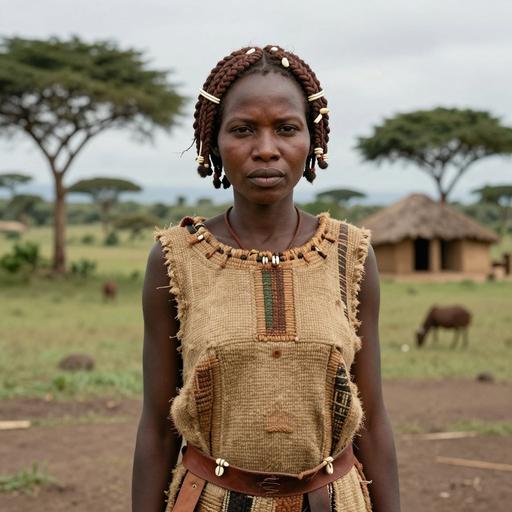
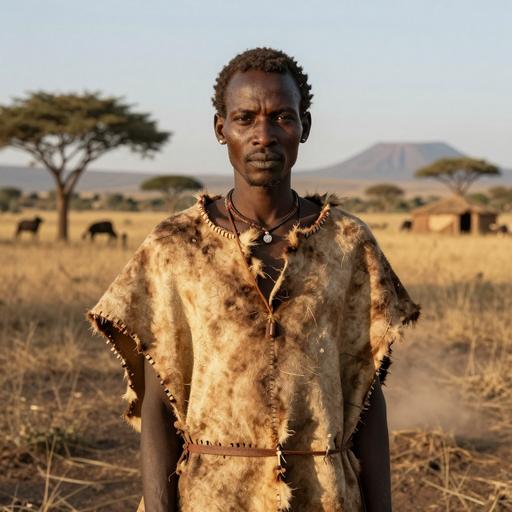
Because L4B2A1 appears to be an East African/ Horn-associated maternal lineage, it may track maternal ancestry through regional demographic processes during the Holocene such as the rise and spread of pastoralism, localized expansions of highland agriculturalists, or micro-differentiation among Nilotic, Cushitic, and Omotic-speaking groups. Any association with specific archaeological cultures (e.g., Pastoral Neolithic assemblages in eastern Africa) is currently hypothetical and should be treated cautiously: mtDNA lineages often persist through cultural transitions and do not map one-to-one onto archaeological cultures.

In genetic studies, lineages like L4B2A1 are valuable for reconstructing maternal population continuity, local female-mediated gene flow, and fine-scale demographic structure in the Horn and East Africa where L haplogroup diversity is highest.

Conclusion

L4B2A1 is a narrowly defined East African maternal lineage nested within the L4 clade. Current evidence points to a Holocene origin in the Horn/East African region and a restricted geographic distribution, but the clade remains under-characterized because of limited sampling and few published full mitogenomes assigned to it. Expanded, targeted sequencing across East African populations and clear reporting in phylogenetic resources will be needed to refine its age, spread, and any substructure.

Note: All inferences here are conservative and based on the phylogenetic position of L4B2A1 within L4 and the known distributions of related L4 subclades; empirical validation requires more comprehensive mitogenome data from East African populations.

ื ืงื•ื“ื•ืช ืขื™ืงืจื™ื•ืช

  • Origins and Evolution
  • Subclades (if applicable)
  • Geographical Distribution
  • Historical and Cultural Significance
  • Conclusion
ืคืจื•ืคื™ืœ ื”ื™ื™ื—ื•ืก

ืขืฅ ื”ืฉื•ืฉืœืช ื•ื”ืขื ืคื™ื ื”ืงืฉื•ืจื™ื

ืžืงื•ื ื”ืขื ืฃ ื‘ืขืฅ ื”ืฉื•ืฉืœืช ื•ืชืช-ื”ืขื ืคื™ื ืฉืœื•

ืžืกืœื•ืœ ื”ื”ืชืคืฆืœื•ืช ืฉืœ ื”ืฉื•ืฉืœืช

ืขืงื‘ื• ืื—ืจ ืขื ืคื™ ื”ืื‘ ื”ืžืชื•ืขื“ื™ื ืขื“ L4B2A1. ื”ืชืืจื™ื›ื™ื ื”ื ืื•ืžื“ื ื™ื ื•ืขืฉื•ื™ื™ื ืœื”ืฉืชื ื•ืช ื›ืฉื ืชื•ื ื™ ื”ื™ื™ื—ื•ืก ืžืชืขื“ื›ื ื™ื.

ืฉืœื‘ื™ ื”ืชืคืฆืœื•ืช ื”ืงื‘ื•ืฆื” ื”ื”ืคืœื•ื’ืจื•ืคื™ืช ื’ื™ืœ ืžืฉื•ืขืจ ื”ืชืงื•ืคื” ื”ืืจื›ืื•ืœื•ื’ื™ืช ื”ื–ืžืŸ ืฉื—ืœืฃ ืขื ืคื™ื ื™ืฉื™ืจื™ื ื“ื’ื™ืžื•ืช ืžื•ื“ืจื ื™ื•ืช ืฉื ื‘ื“ืงื• ืงื™ืฉื•ืจื™ื ืขืชื™ืงื™ื
1 L4B2A1 ื”ืขื ืฃ ื”ื ื•ื›ื—ื™ ~6,000 years ago Chalcolithic 6,000 שנים 0 2 0
2 L4B2AA - - - 2 15 0
3 L4B2A ~8,000 years ago Neolithic 8,000 שנים 1 15 6
4 L4B2 ~12,000 years ago Neolithic 12,000 שנים 2 35 0
5 L4B ~40,000 years ago Paleolithic 40,000 שנים 1 36 0
6 L4 ~80,000 years ago Paleolithic 80,000 שנים 2 43 0
7 L3'4 - - - 2 30,212 0
8 L3'4'6 - - - 2 30,216 0
9 L2'3'4'6 - - - 2 31,333 0
10 L2'3'4'5'6'7 - - - 2 31,349 0
11 L1'2'3'4'5'6'7 - - - 2 31,852 0
12 L ~160,000 years ago Paleolithic 160,000 שנים 2 32,236 5

ืชืช-ืขื ืคื™ื (0)

ืขื ืฃ ืกื•ืคื™ ื‘ืœื™ ืชืช-ืขื ืคื™ื ืžืชื•ืขื“ื™ื

ืขื ืคื™ื ืื—ื™ื (1)

ืขื ืคื™ื ื ื•ืกืคื™ื ืžืื•ืชื” ืงื‘ื•ืฆื” ื”ืคืœื•ื’ืจื•ืคื™ืช ืื‘

ืคืจื•ืคื™ืœ ื”ื™ื™ื—ื•ืก

ื”ื™ื›ืŸ ื”ืขื ืฃ ืžื•ืคื™ืข

ืชืคื•ืฆื” ื’ืื•ื’ืจืคื™ืช ื•ื ื•ื›ื—ื•ืช ื ื•ื›ื—ื™ืช

ืžื•ืฆื ืžืชื•ืขื“

East Africa (Horn of Africa)

ืชืคื•ืฆื” ื ื•ื›ื—ื™ืช

The populations where mtDNA haplogroup L4B2A1 is found include:

  1. Ethiopian highland and lowland populations (e.g., Amhara, Oromo, and related groups)
  2. Somali populations of the Horn of Africa
  3. Eritrean coastal and highland groups
  4. Selected Kenyan populations (especially in northern and northeastern Kenya)
  5. Sudanese and South Sudanese groups along Nile and adjacent regions
ื”ืงืฉืจ ื”ื™ืกื˜ื•ืจื™

ืขื ืฃ ืœืื•ืจืš ื–ืžืŸ

ืื•ืžื“ืŸ ื”ื™ื•ื•ืฆืจื•ืช ื‘ืฆื™ืจ ื–ืžืŸ ื”ื™ืกื˜ื•ืจื™ ืจื—ื‘. ืกืžื ื™ ื”ืชืงื•ืคื•ืช ื ื•ืชื ื™ื ื”ืงืฉืจ ื•ืื™ื ื ืžืจืžื–ื™ื ืขืœ ืงืฉืจ ืœืชืจื‘ื•ื™ื•ืช ืžืกื•ื™ืžื•ืช.

  1. ~10k שנים לפני

    המהפכה הנאוליתית

    ראשית החקלאות והתגבשות קהילות יושבות קבע

  2. ~6k שנים לפני

    קבוצה הפלוגרופית L4B2A1

    אומדן להיווצרות ענף mtDNA זה. תאריכים ומיקומים הם אומדני ייחוס.

    ื”ืขื ืฃ ื”ื–ื”
  3. ~5k שנים לפני

    תקופת הברונזה

    עיבוד מתכות, כתב וציוויליזציות מוקדמות

  4. ~3k שנים לפני

    תקופת הברזל

    כלי ברזל ורשתות מסחר מורחבות

  5. ~2.5k שנים לפני

    העת העתיקה הקלאסית

    שגשוג הציוויליזציות היוונית והרומית

  6. Present

    ימינו

    העידן המודרני

ืคืจื•ืคื™ืœ ื”ื™ื™ื—ื•ืก

ื”ืงืฉืจ ืืจื›ืื•ืœื•ื’ื™

ื”ืงืฉืจื™ื ืืจื›ืื•ืœื•ื’ื™ื™ื ืžืชื•ืขื“ื™ื ืฉืœ ืขื ืฃ L4B2A1 ืž-mtDNA

ื”ืงืฉืจื™ื ืžืชื•ืขื“ื™ื

ืชื•ื•ื™ื•ืช ืืœื” ืžืชืืจื•ืช ื”ืงืฉืจื™ื ืืจื›ืื•ืœื•ื’ื™ื™ื ืžืชื•ืขื“ื™ื ืฉืœ ื“ื’ื™ืžื•ืช ื”ื™ื™ื—ื•ืก ื”ืžืงื•ืฉืจื•ืช ืœ-L4B2A1. ื”ืงื™ืฉื•ืจ ืื™ื ื• ืžื•ื›ื™ื— ืฉื›ืœ ื ื•ืฉืื™ ื”ืขื ืฃ ื”ืฉืชื™ื™ื›ื• ืœืชืจื‘ื•ืช ืžืกื•ื™ืžืช ืื• ื”ืœื›ื• ื‘ืžืกืœื•ืœ ื ื“ื™ื“ื” ืžืกื•ื™ื.

Elmenteitan Culture Jordanow-Michelsberg Culture Kansyore Culture Late Swahili LSA Kenya Lukenya Hill Culture Makwasinyi Modern Period Pastoral Neolithic Tanzanian Prehistoric Zanzibar Culture
ืกื™ื•ื•ื’ ื”ืชืจื‘ื•ื™ื•ืช ืžื‘ื•ืกืก ืขืœ ื”ื”ืงืฉืจ ื”ืืจื›ืื•ืœื•ื’ื™ ืฉืœ ื“ื’ื™ืžื•ืช ื“ื "ื ืขืชื™ืง, ื•ื”ื•ื ืขืฉื•ื™ ืœืฉืงืฃ ืงืฉืจื™ื ืื–ื•ืจื™ื™ื ื‘ืชืงื•ืคื•ืช ืžืกื•ื™ืžื•ืช.
ืคืจื•ืคื™ืœ ื”ื™ื™ื—ื•ืก

ืื™ื ื“ืงืก ื“ื’ื™ืžื•ืช

ืžืกืคืจ ื”ื“ื’ื™ืžื•ืช ื‘ื”ืชืืžื” ื™ืฉื™ืจื” ืœืงื‘ื•ืฆื” ื”ื”ืคืœื•ื’ืจื•ืคื™ืช L4B2A1 ื”ื•ื 2

2 ืžื•ืฆื’ื•ืช ยท 2 ื“ื’ื™ืžื•ืช ืชื•ืืžื•ืช

ื”ื“ื™ื•ืงื ืื•ืช ื”ื ืื™ื•ืจื™ื ืฉื ื•ืฆืจื• ื‘ื‘ื™ื ื” ืžืœืื›ื•ืชื™ืช. ืฉืžื•ืช ื”ื“ื’ื™ืžื•ืช ื•ืžื–ื”ื™ ื”ื”ืคืงื“ื” ืžื–ื”ื™ื ืืช ืจืฉื•ืžื•ืช ื”ื™ื™ื—ื•ืก.

ื“ื™ื•ืงืŸ ื”ื“ื’ื™ืžื” ื”ืžื“ื™ื ื” ื”ืชืงื•ืคื” ื”ืชืืจื™ืš ื”ืชืจื‘ื•ืช mtDNA ืกื•ื’ ื”ื”ืชืืžื”
ืฉื—ื–ื•ืจ ืืžื ื•ืชื™ ืฉื ื•ืฆืจ ื‘ื‘ื™ื ื” ืžืœืื›ื•ืชื™ืช ืฉืœ ื”ื“ื’ื™ืžื” Pastoral N individual, Gishimangeda Cave, Tanzania (414-203 BCE)
ืžื–ื”ื” ื“ื’ื™ืžื”: I13978
Tanzania Prehistoric in Tanzania 414-203 calBCE (2355±20 BP, PSUAMS-5653) Tanzanian Prehistoric L4b2a1 התאמה ישירה
ืฉื—ื–ื•ืจ ืืžื ื•ืชื™ ืฉื ื•ืฆืจ ื‘ื‘ื™ื ื” ืžืœืื›ื•ืชื™ืช ืฉืœ ื”ื“ื’ื™ืžื” Pastoral N individual, Nakuru. Keringet Cave. GrJg4, Kenya (757-423 BCE)
ืžื–ื”ื” ื“ื’ื™ืžื”: I8804
Kenya Kenya PastoralN 750-402 calBCE (2465±20 BP, PSUAMS-4716) Pastoral Neolithic L4b2a1 התאמה ישירה
ענף אימהי ยท DNA ืงื“ื•ื

ืžืคืช ืจืื™ื•ืช ืงื“ื•ืžื•ืช ืœืขื ืฃ ื”ืฉื•ืฉืœืช

ืขืงื‘ื• ืื—ืจ ืขื ืคื™ ื”ืžืงื•ืจ ื”ืžื•ื‘ื™ืœื™ื ืœืขื ืฃ ื–ื”, ื•ื’ืœื• ื”ื™ื›ืŸ ื ืžืฆืื• ื”ื“ื’ื™ืžื•ืช ื”ืงื“ื•ืžื•ืช ื”ืงืฉื•ืจื•ืช ืืœื™ื•.

ื˜ื•ืขืŸ ืชืฆืคื™ื•ืช ืงื“ื•ืžื•ืช...

ื”ืกื™ืžื•ื ื™ื ืžืฆื™ื™ื ื™ื ืžืงื•ืžื•ืช ืžืฆื™ืื” ืืจื›ืื•ืœื•ื’ื™ื™ื. ืงื• ืžืงื•ื•ืงื• ื”ื•ื ืžืขื‘ืจ ื’ืื•ื’ืจืคื™ ืžื•ืฆืข ื•ืœื ื•ื“ืื™ ื‘ื™ืŸ ืขื ืคื™ื ืขื•ืงื‘ื™ื, ื”ื ืชืžืš ื‘ื›ืžื” ืชืฆืคื™ื•ืช ืžืชื•ืืจื›ื•ืช. ืื™ืŸ ื–ื” ืžืกืœื•ืœ ืžื“ื•ื™ืง, ืžืงื•ื ืœื™ื“ื” ืื• ื”ื•ื›ื—ื” ืœื™ืจื™ื“ื” ื™ืฉื™ืจื”. ื“ื’ื™ืžื•ืช ืžืขื ืคื™ ื”ืžืงื•ืจ ืขืฉื•ื™ื•ืช ืœื”ืฉืชื™ื™ืš ืœืขื ืคื™ ืฆืืฆืื™ื ืื—ืจื™ื. ื”ืคืขืจื™ื ื ืฉืืจื™ื ื‘ืžืงื•ื ืฉื‘ื• ื”ืจืื™ื•ืช ืื™ื ืŸ ืžืกืคื™ืงื•ืช. ืชืืจื™ื›ื™ ื”ื“ื’ื™ืžื•ืช ืฉื•ื ื™ื ืžืชืืจื™ื›ื™ ื”ื™ื•ื•ืฆืจื•ืช ื”ื”ืคืœื•ื’ืจื•ืค.

ืคืจื•ืคื™ืœ ื”ื™ื™ื—ื•ืก

ืžืคืช ืชืคื•ืฆืช ื”ื“ื’ื™ืžื•ืช

ื”ืชืคื•ืฆื” ื”ื’ืื•ื’ืจืคื™ืช ืฉืœ ื“ื’ื™ืžื•ืช ื“ื "ื ืขืชื™ืง ื‘ื”ืชืืžื” ื™ืฉื™ืจื” ืœืงื‘ื•ืฆื” L4B2A1 ืื• ืœืชืช-ื”ืขื ืคื™ื ืฉืœื”. ืžืกืคืจ ื“ื’ื™ืžื•ืช: 2

ื“ื’ื™ืžื” ื‘ื”ืชืืžื” ื™ืฉื™ืจื”
ืกื™ื ื•ืŸ ืœืคื™ ืชืงื•ืคื”
ื›ืœ ื”ืชืงื•ืคื•ืช
ื›ืœ ื”ื“ื’ื™ืžื•ืช ืžื•ืฆื’ื•ืช
ืคืจื•ืคื™ืœ ื”ื™ื™ื—ื•ืก

ืชืคื•ืฆื” ื‘ื–ืžืŸ

ืชืคื•ืฆืช ื”ื“ื’ื™ืžื•ืช ืขืœ ืคื ื™ ื”ืชืงื•ืคื•ืช ื”ืืจื›ืื•ืœื•ื’ื™ื•ืช

ืคืจื•ืคื™ืœ ื”ื™ื™ื—ื•ืก

ืชืคื•ืฆื” ื’ืื•ื’ืจืคื™ืช

ืžืกืคืจ ื”ื“ื’ื™ืžื•ืช ืœืคื™ ื”ืžื“ื™ื ื” ื”ืžืชื•ืขื“ืช ืฉืœื”ืŸ. ื”ืกืคื™ืจื•ืช ืžืฉืงืคื•ืช ืืช ื“ื’ื™ืžื•ืช ื”ื™ื™ื—ื•ืก ื”ื–ืžื™ื ื•ืช, ื‘ืœื™ ืœืžื“ื•ื“ ืืช ืชื“ื™ืจื•ืช ื”ืงื‘ื•ืฆื•ืช ื”ื”ืคืœื•ื’ืจื•ืคื™ื•ืช ื‘ืื•ื›ืœื•ืกื™ื™ื”.

ืคืจื•ืคื™ืœ ื”ื™ื™ื—ื•ืก

ืชืคื•ืฆืช ื”ื“ื’ื™ืžื•ืช ืœืคื™ ืžื“ื™ื ื” ื•ืชืงื•ืคื”

ื”ืฉื•ื• ืืช ืžืกืคืจ ื”ื“ื’ื™ืžื•ืช ื”ืžืชื•ืขื“ื•ืช ืœืคื™ ืžื“ื™ื ื•ืช ื•ืชืงื•ืคื•ืช ืืจื›ืื•ืœื•ื’ื™ื•ืช. ื‘ื—ืจื• ืชื ืขื ืชื•ืฆืื•ืช ื›ื“ื™ ืœืจืื•ืช ืื—ืช ืžื”ื“ื’ื™ืžื•ืช.

ื”ื ืชื•ื ื™ื

ื”ื ืชื•ื ื™ื ื•ืžืงื•ืจื•ืชื™ื”ื

ืžื™ื“ืข ืขืœ ื”ืžืงื•ืจื•ืช ื•ืื™ื›ื•ืช ื”ื ืชื•ื ื™ื

ืขื“ื›ื•ืŸ ืื—ืจื•ืŸ 2026-06-14
ืจืžืช ื‘ื™ื˜ื—ื•ืŸ 50/100
ื›ื™ืกื•ื™ Low

ืžืงื•ืจ ื”ื ืชื•ื ื™ื

ื”ืกื™ื•ื•ื’, ื”ืชืืจื™ื›ื™ื ื”ืžืฉื•ืขืจื™ื ื•ื”ื”ืงืฉืจ ื”ื’ืื•ื’ืจืคื™ ืžืฉืงืคื™ื ืืช ื ืชื•ื ื™ ื”ื™ื™ื—ื•ืก ื”ืžืชื•ืขื“ื™ื, ื•ื”ื ืขืฉื•ื™ื™ื ืœื”ืฉืชื ื•ืช ื›ืฉื”ืจืื™ื•ืช ื ื‘ื“ืงื•ืช ืžื—ื“ืฉ. ื›ื™ืกื•ื™ ื”ื“ื’ื™ืžื•ืช ืžืฉืชื ื”, ื•ืžื™ืงื•ืžื™ื ืžืชื•ืขื“ื™ื ื•ืงืฉืจื™ื ืืจื›ืื•ืœื•ื’ื™ื™ื ืื™ื ื ืžื•ื›ื™ื—ื™ื ืžื•ืฆื ืื™ืฉื™ ืื• ื–ื”ื•ืช ืชืจื‘ื•ืชื™ืช.