דילוג לתוכן הראשי
Y-DNA · שושלת אבהית

C2A1

Y-DNA Haplogroup C2A1

פרופיל ייחוס של ענף שושלת אחד. קבוצה הפלוגרופית משותפת אינה קובעת קשר משפחתי ואינה מגדירה זהות תרבותית.

פרופיל הייחוס

רקע הענף

ההקשר ההיסטורי של ענף C2A1 בשושלת Y-DNA

Origins and Evolution

Y-DNA haplogroup C2A1 is a downstream lineage of C2A (a branch of C2/M217), which itself is a major paternal lineage of northern and northeastern Eurasia. Based on the phylogenetic position beneath C2A and the geographic pattern of related lineages, C2A1 most plausibly arose in Central–East Asia during the late Upper Paleolithic to early Holocene (roughly ~12 kya in the estimate given here). Its emergence fits a pattern of regional diversification of male lineages in refugial and newly colonized zones of northeastern Asia following the Last Glacial Maximum.

Divergence of C2A1 would have occurred as human groups in Mongolia, Manchuria and adjacent Siberian zones developed local population structure; subsequent subclades of C2A1 expanded at different times, some during the Neolithic and Bronze Age transitions and others during historic-era nomadic movements.

Subclades

C2A1 is an intermediate clade between the broader C2A node and more terminal sublineages that are often highly regionalized. Subclades of C2A1 show varying patterns: some are relatively old and restricted to particular ethnic groups (for example specific Mongol or Tungusic lineages), while others display star-like patterns consistent with more recent rapid expansions associated with pastoralist or nomadic social structures. Ancient DNA studies and dense SNP-based sequencing continue to refine the internal tree and timing of those expansions.

Geographical Distribution

The highest frequencies of C2A1 and its subclades occur in populations of northeastern Eurasia: Mongolic-speaking peoples (Mongols, Buryats), many Tungusic groups (Evenks, Evens, Oroqen), and northern Siberian populations including Yakuts (Sakha). There are also moderate occurrences among some Turkic-speaking groups of Central Asia and southern Siberia (e.g., Tuvans, certain Kazakh clans) and low-frequency detections in Northeast Asian populations such as Koreans and Japanese, which likely reflect gene flow and historical contacts. A small number of geographically restricted subclades trace across Beringia into parts of North America, indicating very limited ancient connections between Siberia and Indigenous North American paternal lineages.

Historical and Cultural Significance

Although C2A1 predates historical states, its demographic footprint was amplified by the social and migratory dynamics of pastoralist and nomadic societies. Lineages within the broader C2 clade have been associated with elite paternal lineages in various nomadic confederations of the steppe and forest-steppe (for example, associations noted in studies of medieval Mongol period remains). Periods of demographic growth for particular C2A1 subclades likely correspond to the expansion of mobile pastoralism in eastern Eurasia, Bronze Age and Iron Age steppe dynamics, and historic-era events such as the formation and spread of Xianbei-, Xiongnu- and Mongol-related polities. In northern Siberia the spread of Yakut-speaking groups involved founder events that increased the local frequency of certain C2A1-derived lineages.

It is important to note that haplogroup presence does not map neatly onto language or culture; C2A1 coexists with other Y lineages in the same populations, and social processes (elite dominance, founder effects, assimilation) shape patterns observed in both modern and ancient DNA.

Conclusion

C2A1 is a regionally important East-Central Asian male lineage that helps trace the deep peopling and later demographic history of northern Eurasia. Its phylogenetic position beneath C2A and distribution among Mongolic, Tungusic, Turkic and some Siberian populations make it a useful marker for studying postglacial population differentiation, steppe and forest-steppe mobility, and more recent historic expansions across northeastern Asia and into localized North American contexts. Ongoing high-resolution Y-chromosome sequencing and ancient DNA sampling continue to refine its age estimates, subclade structure, and historical trajectories.

נקודות עיקריות

  • Origins and Evolution
  • Subclades
  • Geographical Distribution
  • Historical and Cultural Significance
  • Conclusion
פרופיל הייחוס

עץ השושלת והענפים הקשורים

מקום הענף בעץ השושלת ותת-הענפים שלו

מסלול ההתפצלות של השושלת

עקבו אחר ענפי האב המתועדים עד C2A1. התאריכים הם אומדנים ועשויים להשתנות כשנתוני הייחוס מתעדכנים.

שלבי התפצלות הקבוצה ההפלוגרופית גיל משוער התקופה הארכאולוגית הזמן שחלף ענפים ישירים דגימות מודרניות שנבדקו קישורים עתיקים
1 C2A1 הענף הנוכחי ~12,000 years ago Neolithic 12,000 שנים 1 3 0
2 C2A ~18,000 years ago Mesolithic 18,000 שנים 1 38 0
3 C2 ~40,000 years ago Paleolithic 40,000 שנים 2 99 24
4 C ~60,000 years ago Paleolithic 60,000 שנים 3 406 35
פרופיל הייחוס

היכן הענף מופיע

תפוצה גאוגרפית ונוכחות נוכחית

מוצא מתועד

Central–East Asia

תפוצה נוכחית

The populations where Y-DNA haplogroup C2A1 is found include:

  1. Mongolic-speaking groups (e.g., Mongols, Buryats)
  2. Tungusic peoples of Siberia (e.g., Evenks, Evens, Oroqen)
  3. Turkic and Central Asian groups (e.g., Tuvans, some Kazakh clans)
  4. Yakut (Sakha) and other North Siberian populations
  5. Selected Northeast Asian populations (e.g., low-frequency occurrences in Korean and Japanese lineages)
  6. Localized Indigenous North American groups (through rare Beringian-derived subclades)

נוכחות לפי אזור

Northeast Asia High
Northern Asia (Siberia) Moderate
Central Asia Low
Eastern Europe Low
East Asia (Korea, Japan) Low
North America (localized, rare) Low
הקשר היסטורי

ענף לאורך זמן

אומדן היווצרות בציר זמן היסטורי רחב. סמני התקופות נותנים הקשר ואינם מרמזים על קשר לתרבויות מסוימות.

  1. ~12k שנים לפני

    קבוצה הפלוגרופית C2A1

    אומדן להיווצרות ענף Y-DNA זה. תאריכים ומיקומים הם אומדני ייחוס.

    הענף הזה
  2. ~10k שנים לפני

    המהפכה הנאוליתית

    ראשית החקלאות והתגבשות קהילות יושבות קבע

  3. ~5k שנים לפני

    תקופת הברונזה

    עיבוד מתכות, כתב וציוויליזציות מוקדמות

  4. ~3k שנים לפני

    תקופת הברזל

    כלי ברזל ורשתות מסחר מורחבות

  5. ~2.5k שנים לפני

    העת העתיקה הקלאסית

    שגשוג הציוויליזציות היוונית והרומית

  6. Present

    ימינו

    העידן המודרני

פרופיל הייחוס

הקשר ארכאולוגי

הקשרים ארכאולוגיים מתועדים של ענף C2A1 מ-Y-DNA

הקשרים מתועדים

תוויות אלה מתארות הקשרים ארכאולוגיים מתועדים של דגימות הייחוס המקושרות ל-C2A1. הקישור אינו מוכיח שכל נושאי הענף השתייכו לתרבות מסוימת או הלכו במסלול נדידה מסוים.

Boisman China_AmurRiverBasin_LatePaleolithic China_AmurRiverBasin_N China_NorthernChina_Xingfulindai Chinese Neolithic Devil's Cave Culture Irkutsk Culture Lapa do Santo Russia_AltaiKrai_N Russia_EN_Kitoi Russia_Irkutsk_BA_Irkutsk
סיווג התרבויות מבוסס על ההקשר הארכאולוגי של דגימות דנ"א עתיק, והוא עשוי לשקף קשרים אזוריים בתקופות מסוימות.
פרופיל הייחוס

אינדקס דגימות

מספר דגימות תת-הענפים של הקבוצה ההפלוגרופית C2A1 הוא 13. אין דגימות בהתאמה ישירה בקבוצת הייחוס הנוכחית.

10 מוצגות · 13 דגימות תואמות

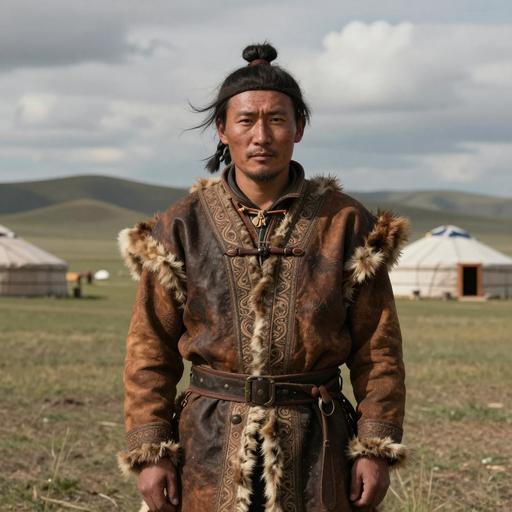
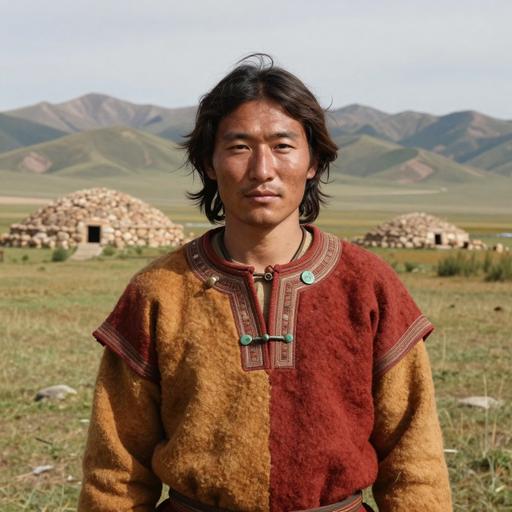
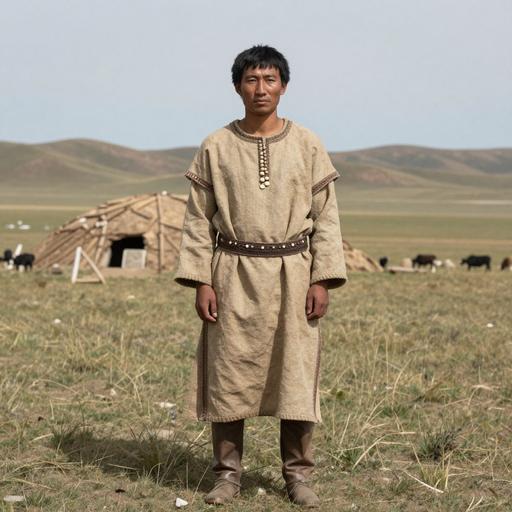
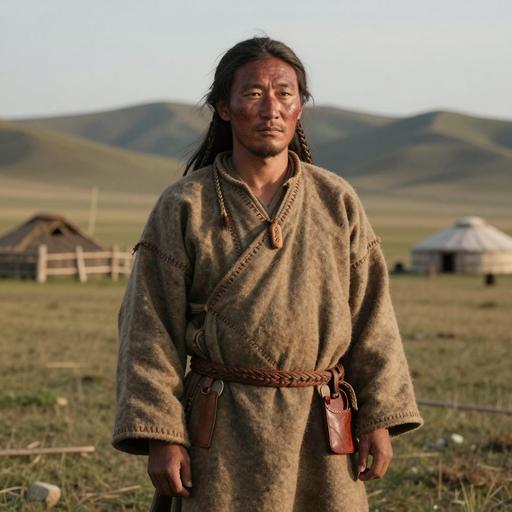
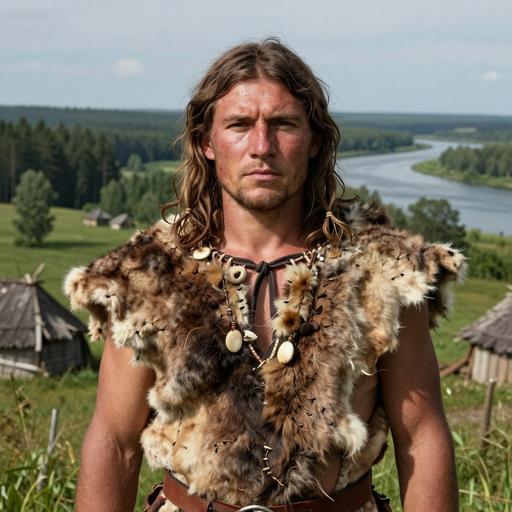
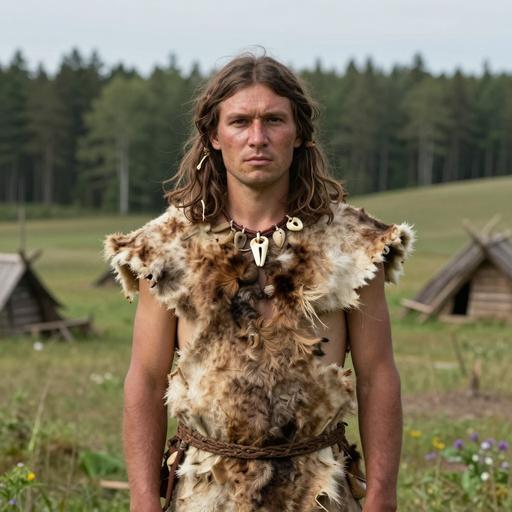
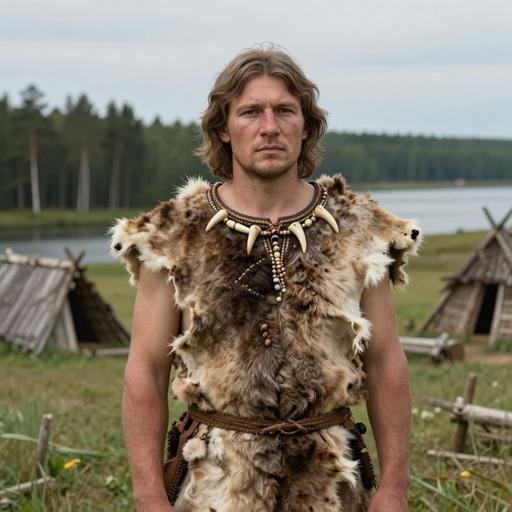
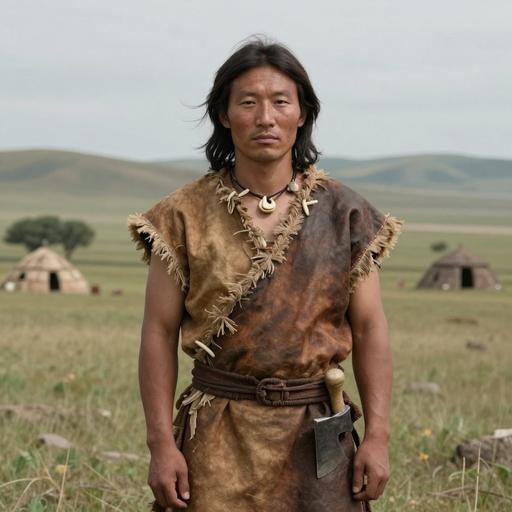
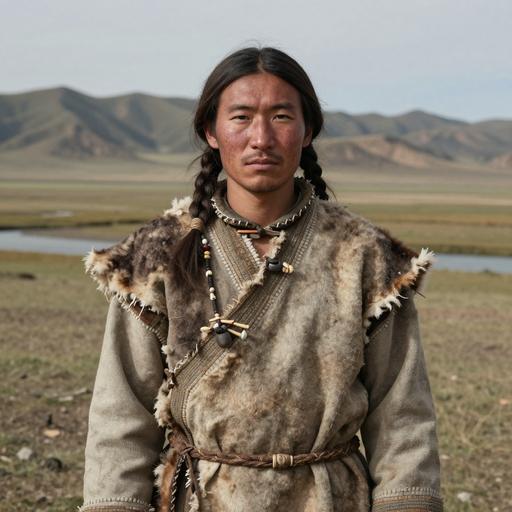
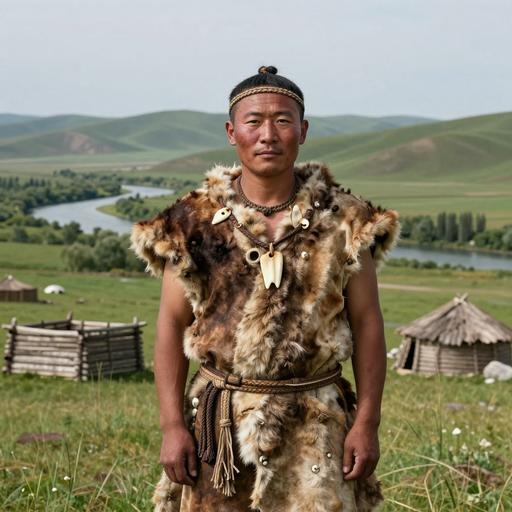
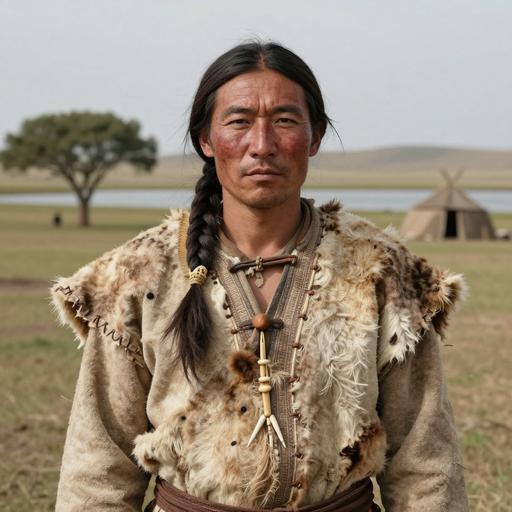
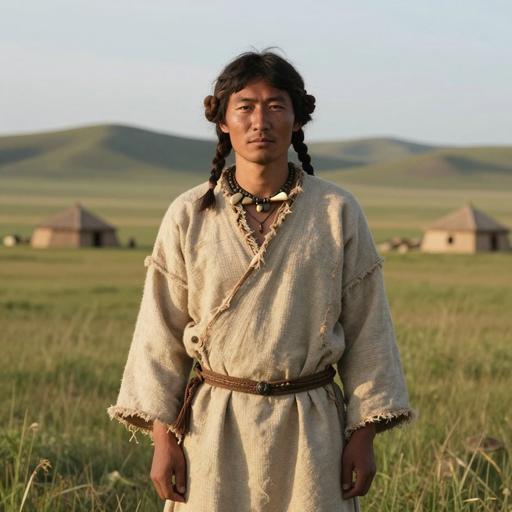
הדיוקנאות הם איורים שנוצרו בבינה מלאכותית. שמות הדגימות ומזהי ההפקדה מזהים את רשומות הייחוס.

דיוקן הדגימה המדינה התקופה התאריך התרבות Y-DNA סוג ההתאמה
שחזור אמנותי שנוצר בבינה מלאכותית של הדגימה Xiongnu Empire individual, Uvs aimag. Ulaangom sum. Chandman Uul. Ulaangom cemetery Grave #44, Mongolia (40 BCE-109 CE)
מזהה דגימה: I6228
Mongolia Early Iron Age Xiongnu Culture 7, Mongolia 40 BCE - 109 CE Xiongnu Culture C2a1a1b1b-Y11605 תת-ענף
שחזור אמנותי שנוצר בבינה מלאכותית של הדגימה Center West LBA-4 individual, Khuvsgul aimag. Khankh sum. Khavtsal II Tomb 1 (Khirgisuur), Mongolia (1,255-1,055 BCE)
מזהה דגימה: I12975
Mongolia Late Bronze Age Center West 4, Mongolia 1255-1055 calBCE (2950±20 BP, UCIAMS-226549, PSUG-5464) Center West 4 C2a1a-F1699 תת-ענף
שחזור אמנותי שנוצר בבינה מלאכותית של הדגימה Afanasievo2-2 individual, Bayan-Ulgii aimag. Ulaankhus sum. Kurgak govi barrow 1. infant burial in main grave, Mongolia (2,857-2,501 BCE)
מזהה דגימה: I13957
Mongolia Chalcolithic Afanasievo Culture 2, Mongolia 2857-2501 calBCE (4095±25 BP, PSUAMS-6942) Afanasievo Culture C2a1a1-Z18161 תת-ענף
שחזור אמנותי שנוצר בבינה מלאכותית של הדגימה EBA Ulgii-1 individual, Bayan-Ulgii aimag. Ulaankhus sum. Kulala Ula barrow 1. secondary burial, Mongolia (2,913-2,710 BCE)
מזהה דגימה: I12977
Mongolia Mongolia EBA Ulgii 1 2913-2710 calBCE (4250±25 BP, UCIAMS-226551, PSUG-5466) Ulgii Culture C2a1a1-Z18161 תת-ענף
שחזור אמנותי שנוצר בבינה מלאכותית של הדגימה Primorsky Krai MN Boisman individual, Primorsky Krai. Boisman-2, Russia (3,705-3,633 BCE)
מזהה דגימה: I3356
Russia Boisman Culture in Russia's Middle Neolithic 3705-3633 calBCE (4875±20 BP, PSUAMS-2160) Boisman C2a1a-F1788 תת-ענף
שחזור אמנותי שנוצר בבינה מלאכותית של הדגימה Circum-Arctic Prehistoric individual, Primorsky Krai. Boisman-2, Russia (4,935-4,605 BCE)
מזהה דגימה: I1192
Russia Boisman Culture in Russia's Middle Neolithic 4935 BCE - 4605 BCE Boisman C2a1-F3914 תת-ענף
שחזור אמנותי שנוצר בבינה מלאכותית של הדגימה Primorsky Krai MN Boisman individual, Primorsky Krai. Boisman-2, Russia (4,989-4,794 BCE)
מזהה דגימה: I1193
Russia Boisman Culture in Russia's Middle Neolithic 4989-4794 calBCE (5995±35 BP, Poz-83474) Boisman C2a1a-F1788 תת-ענף
שחזור אמנותי שנוצר בבינה מלאכותית של הדגימה Primorsky Krai MN Boisman individual, Primorsky Krai. Boisman-2, Russia (4,989-4,787 BCE)
מזהה דגימה: I3355
Russia Boisman Culture in Russia's Middle Neolithic 4989-4787 calBCE (5985±35 BP, PSUAMS-2114) Boisman C2a1a-F3927 תת-ענף
שחזור אמנותי שנוצר בבינה מלאכותית של הדגימה East N individual, Dornod aimag. Bulgan sum. Norovlin Uul burial, Mongolia (5,211-4,995 BCE)
מזהה דגימה: I7021
Mongolia Mongolia East N 5211-4995 calBCE (6145±35 BP, PSUAMS-3931) Mongolian Neolithic C2a1a1-Z18161 תת-ענף
שחזור אמנותי שנוצר בבינה מלאכותית של הדגימה N individual, Bulgan. Khutag-Undur sum. Marzyn khutul. Tomb 1-055-1. skeleton 4, Mongolia (5,620-5,481 BCE)
מזהה דגימה: I11697
Mongolia Neolithic Northern Mongolia 5620-5481 calBCE (6610±30 BP, UCIAMS-226524, PSUG-5427) Northern Mongolian Culture C2a1a1-Z18161 תת-ענף
ענף אבהי · DNA קדום

מפת ראיות קדומות לענף השושלת

עקבו אחר ענפי המקור המובילים לענף זה, וגלו היכן נמצאו הדגימות הקדומות הקשורות אליו.

טוען תצפיות קדומות...

הסימונים מציינים מקומות מציאה ארכאולוגיים. קו מקווקו הוא מעבר גאוגרפי מוצע ולא ודאי בין ענפים עוקבים, הנתמך בכמה תצפיות מתוארכות. אין זה מסלול מדויק, מקום לידה או הוכחה לירידה ישירה. דגימות מענפי המקור עשויות להשתייך לענפי צאצאים אחרים. הפערים נשארים במקום שבו הראיות אינן מספיקות. תאריכי הדגימות שונים מתאריכי היווצרות ההפלוגרופ.

פרופיל הייחוס

מפת תפוצת הדגימות

התפוצה הגאוגרפית של דגימות דנ"א עתיק בהתאמה ישירה לקבוצה C2A1 או לתת-הענפים שלה. מספר דגימות: 13

דגימה מתת-ענף
סינון לפי תקופה
כל התקופות
כל הדגימות מוצגות
פרופיל הייחוס

תפוצה בזמן

תפוצת הדגימות על פני התקופות הארכאולוגיות

פרופיל הייחוס

תפוצה גאוגרפית

מספר הדגימות לפי המדינה המתועדת שלהן. הספירות משקפות את דגימות הייחוס הזמינות, בלי למדוד את תדירות הקבוצות ההפלוגרופיות באוכלוסייה.

פרופיל הייחוס

תפוצת הדגימות לפי מדינה ותקופה

השוו את מספר הדגימות המתועדות לפי מדינות ותקופות ארכאולוגיות. בחרו תא עם תוצאות כדי לראות אחת מהדגימות.

הנתונים

הנתונים ומקורותיהם

מידע על המקורות ואיכות הנתונים

עדכון אחרון 2026-06-15
רמת ביטחון 50/100
כיסוי Low

מקור הנתונים

הסיווג, התאריכים המשוערים וההקשר הגאוגרפי משקפים את נתוני הייחוס המתועדים, והם עשויים להשתנות כשהראיות נבדקות מחדש. כיסוי הדגימות משתנה, ומיקומים מתועדים וקשרים ארכאולוגיים אינם מוכיחים מוצא אישי או זהות תרבותית.