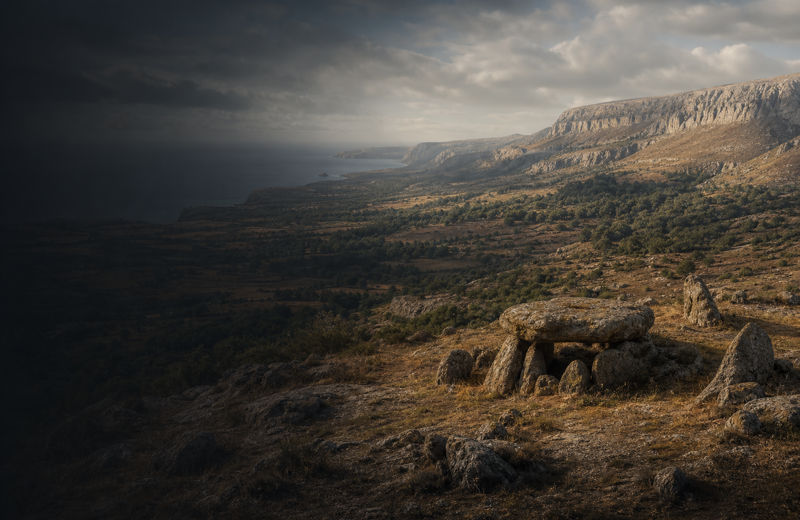
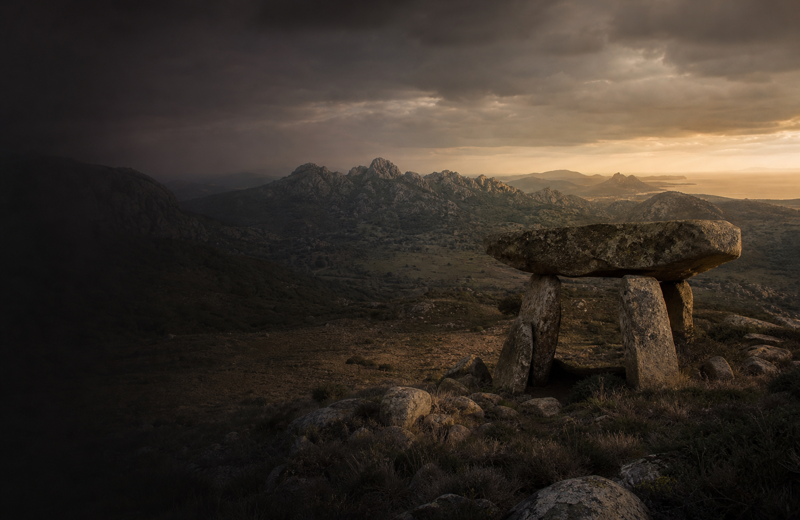
Spain_MLN Iberian Neolithic: Farmers of the Atlantic Edge 4700–2500 BCE Spain: caves, tombs and DNA illuminate the first farming communities 4700 CE - 2500 BCE Iberian Peninsula (Spain)
Cueva de los Esqueletos: Late Ceramic Cuba Cave burials in Camagüey reveal a fragmentary, living story of late precontact Cuba 1400 CE - 1650 CE Camagüey, Sierra de Cubitas, Cuba
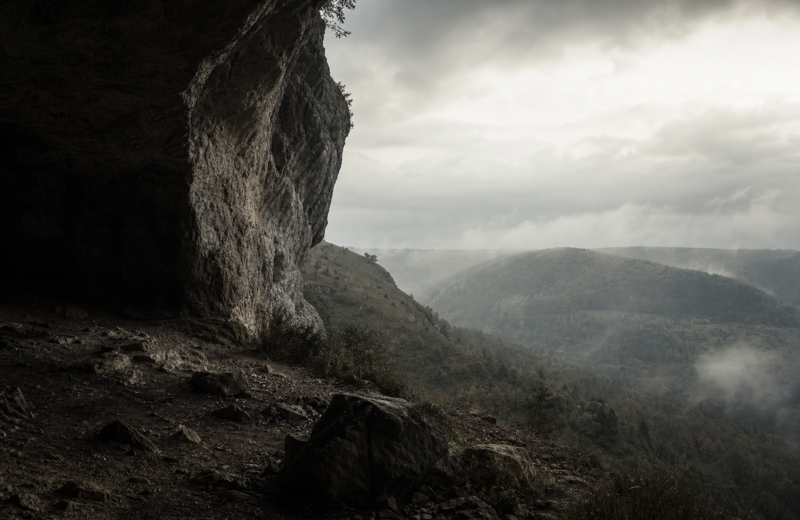
Voices from Blatterhohle Middle Neolithic cave burials in Germany illuminated by archaeology and ancient DNA 3725 CE - 3024 BCE Blatterhole Cave, Germany (North Rhine-Westphalia)
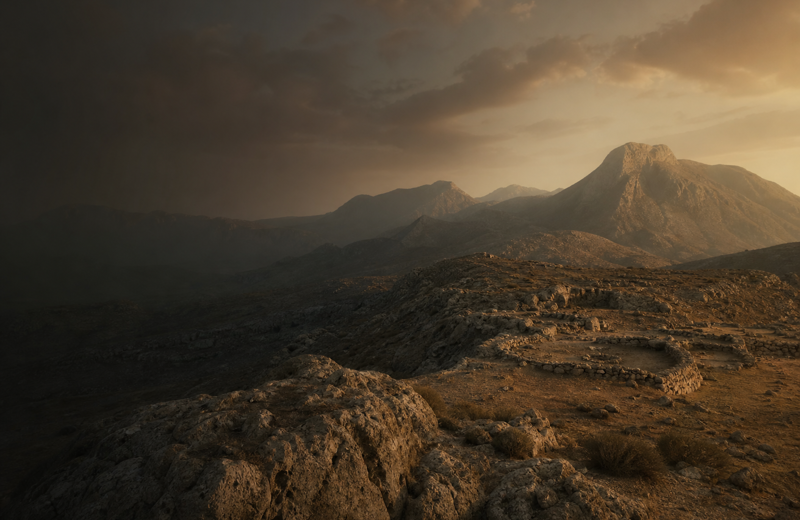
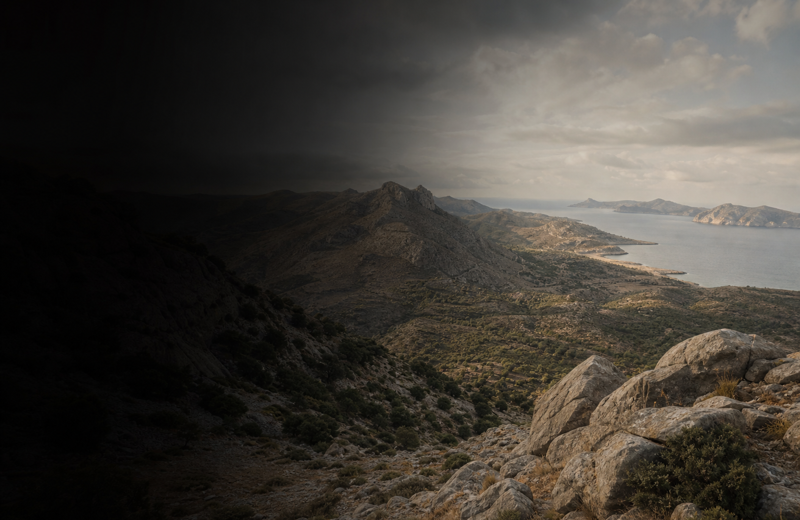
Hagios Charalambos, Crete (EMBA) A Lasithi community (2300–1900 BCE) where cave burials and genomes illuminate Bronze Age lives 2300 CE - 1900 BCE Lasithi, Crete, Greece
Neolithic Sardinians (4442–3050 BCE) A coastal, cavernous world where farmers and foragers shaped Sardinia’s first villages and genes 4442 CE - 3050 BCE Sardinia, Italy (various sites)
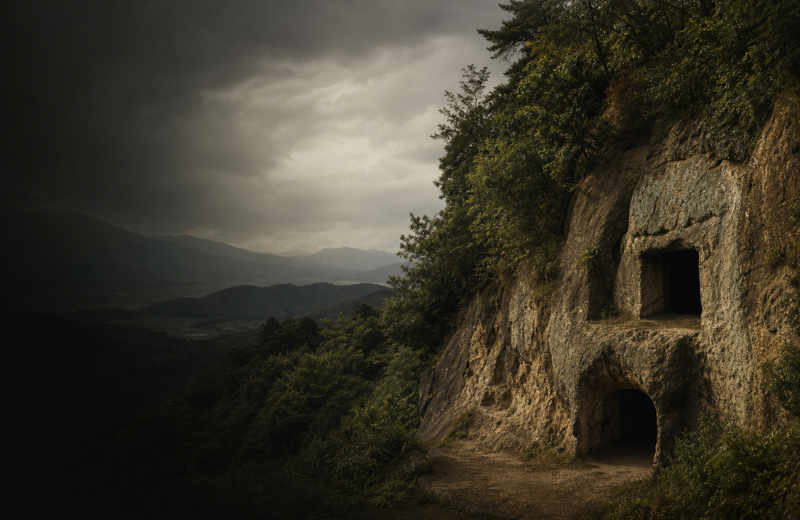
Iwade Kofun: Honshu Cave Burials Late Kofun-period burials from Kanazawa that hint at maternal continuity and continental contacts 541 CE - 655 CE Honshu, Ishikawa Prefecture (Kanazawa)
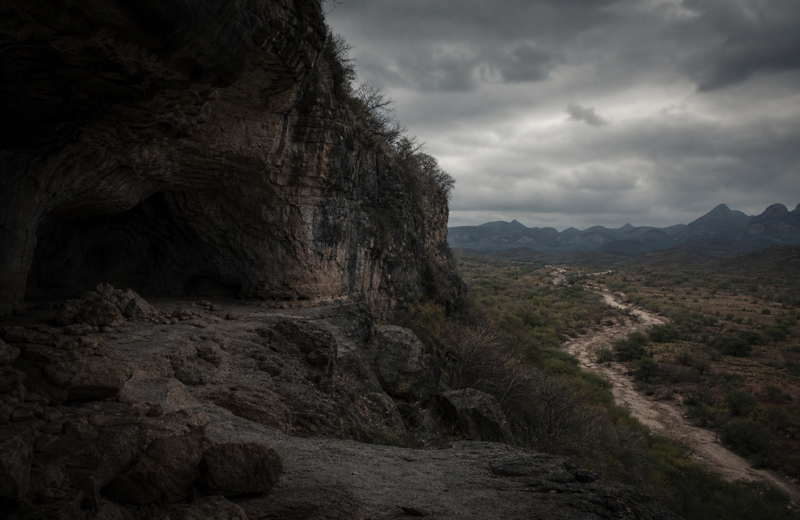
Cueva de los Muertos Chiquitos (Rio Zape) Late Holocene mortuary community in northern Mexico, 100–1400 CE — DNA reveals founding Native American lineages 100 CE - 1400 CE Cueva DeLos Muertos Chiquitos (Rio Zape), Mexico
Southeast Iberia Chalcolithic Echoes Human stories from caves and copper, 3300–2146 BCE in southeastern Spain 3300 CE - 2146 BCE Southeast Iberia (Murcia, Alicante)
Gaofeng Cave: Ming–Qing Era Echoes A single late imperial genome from Guangxi links cave burial archaeology to maternal lineages 1530 CE - 1950 CE Guangxi, China — Gaofeng Cave (Huatu Village, Nandan County)
Huatuyan Cave: Ming-era Mothers of Guangxi Cave burials in Hechi reveal maternal lineages spanning late Ming to early Qing transitions 1400 CE - 1700 CE Guangxi, southern China (Hechi, Nandan County)