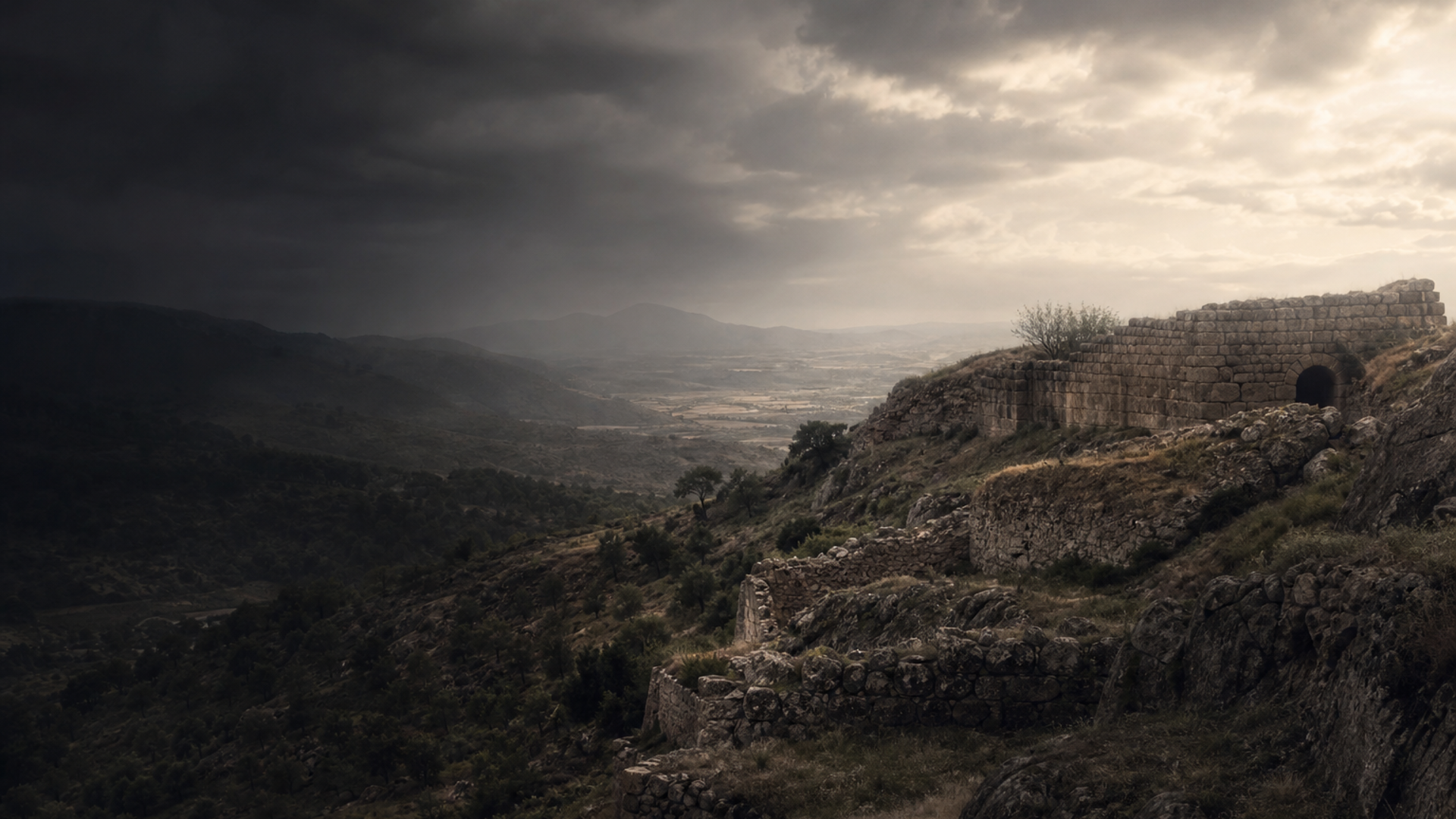
Everyday life in medieval Girona and its hinterland would have been shaped by a rhythm of fields, markets, and church festivals. Archaeological indicators — ceramics, metalworking debris, agricultural tools, and hearth features — point to cereal agriculture as the backbone of subsistence, supplemented by legumes, garden produce, and local livestock. Proximity to river valleys and the Mediterranean coast permitted access to coastal fish and broader maritime commerce, reflected in trade ceramics and imported goods at regional sites.
Socially, the era encompassed a range of statuses: peasant households managing strips of land, craftsmen producing tools and domestic wares, and clerical or noble figures administering legal and spiritual life. Settlement archaeology in Girona province reveals clustered hamlets and small fortified centers where defensive concerns and lordship shaped architectural choices. Religious life left an especially visible imprint through parish churches and burial practices; grave goods are typically modest, though occasional metalwork or imported sherds suggest participation in wider exchange networks.
Skeletal remains can also tell dramatic, tactile stories: patterns of wear on teeth and bones point to diet and labor, while isotopic analyses (when available) hint at childhood origins and lifetime mobility. For Sant Julià de Ramis, such osteological signals remain limited, but the combined archaeological and genetic glimpses sketch a community embedded in both local landscapes and long-distance connections.