انتقل إلى المحتوى الرئيسي
ملفات الحمض النووي

Echoes of Modern Bolivia

A cinematic look at living landscapes, recent samples, and what DNA hints at local continuity

2000 CE
Bolivia (La Paz, Pando, Cochabamba)

القصة

Modern Bolivian samples (2000 CE) from La Paz, Pando, and Cochabamba offer a preliminary genetic window into highland and lowland life. Limited 7-sample dataset suggests continuity with Indigenous lineages and post-contact admixture, but conclusions remain tentative.

Time Period

2000 CE (Modern)

Region

Bolivia (La Paz, Pando, Cochabamba)

Common Y-DNA

Not reported in input — region often shows Native American Q and post-contact lineages

Common mtDNA

Not reported in input — region often carries Native A/B/C/D matrilines and diverse admixed profiles

الموضوعات

الخط الزمني

2000 CE

Modern samples collected

Seven genetic samples were collected in 2000 from La Paz, Pando, and Cochabamba; dataset remains small and preliminary.

Origins & Emergence

The modern Bolivian tapestry is a palimpsest: highland plateaus, Amazonian lowlands, and centuries of Indigenous histories overwritten and re‑woven through colonial and republican eras. Archaeological data indicates deep pre-Columbian occupation across the Altiplano and adjacent valleys — the shores of Lake Titicaca, Tiwanaku, and later Andean polities — persisting into the living cultural landscapes of 2000 CE. The seven modern samples collected in 2000 from La Paz, Pando, and Cochabamba are snapshots taken from this long continuum, not endpoints.

Limited evidence suggests continuity in material practices and local residence patterns: traditional agriculture, kin-based community organization, and linguistic persistence (Aymara, Quechua, and many Amazonian languages) tie modern inhabitants to archaeological sequences. At the same time, historical events — Spanish colonization from the 16th century, mining booms, and internal migrations — have layered new demographic forces onto older populations.

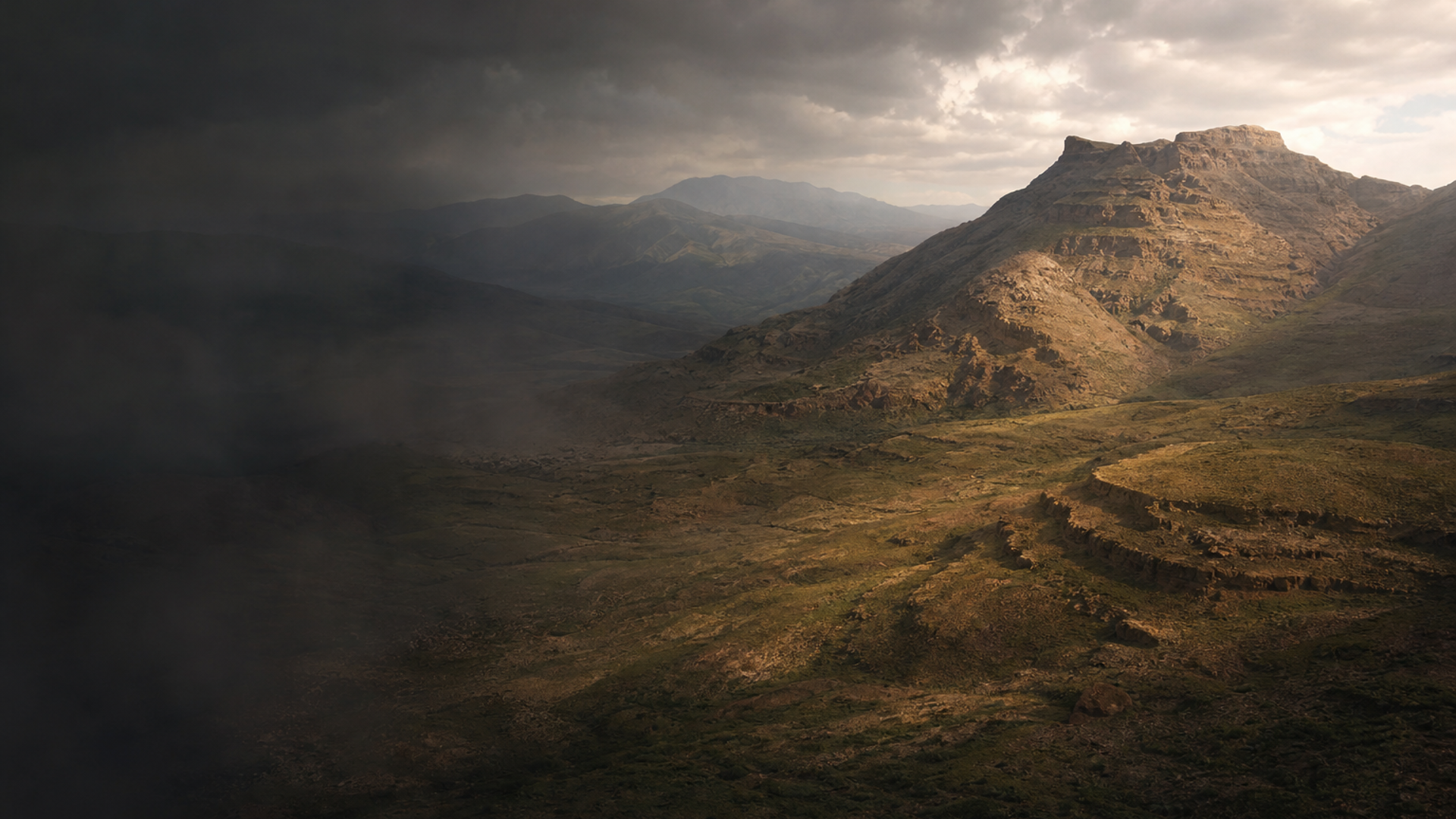
In short, these modern samples sit at the intersection of millennia-old Indigenous roots and recent centuries of mobility and admixture. Because the genetic sample is small, archaeological and ethnographic context remains essential to interpret any signal accurately. The cinematic sweep of the Andes and the hush of Amazonian canopy are both part of the story these genomes begin to tell.

  • Samples date to 2000 CE from La Paz, Pando, Cochabamba
  • Modern populations reflect long Indigenous continuity plus colonial/post‑colonial overlays
  • Small sample size requires archaeological context and caution

Daily Life & Society

In 2000 CE Bolivia, everyday life is vivid and regionally varied: the highland city of La Paz hums with market traders, Aymara and Quechua cultural expression, and urban workers commuting along steep streets; Cochabamba’s valleys are famed for diverse agriculture and temperate climate; Pando’s Amazonian expanses host riverine communities and a different ecological rhythm. Archaeological sensibilities translate these observations into material continuities — terracing and irrigation echoes in modern farming, artisanal textile traditions derived from pre‑Hispanic techniques, and market forms that mirror long-standing exchange networks.

Household and kinship remain central. Extended families, reciprocal labor systems, and rituals connected to the agricultural calendar persist alongside Catholic and syncretic religious practices. Urban centers demonstrate layered consumption: indigenous craft, imported goods, and modern plastics co-exist, producing archaeological signatures in the form of debris, architecture, and refuse patterns.

From an ancestry perspective, daily life leaves biological traces: diet, mobility, and community structure influence isotopic signatures and patterns of relatedness. Yet with only seven genetic samples, linking specific social practices to genetic patterns is speculative. Instead, archaeology grounds interpretation — showing how modern behaviors can grow from ancient lifeways while responding to recent historical forces.

  • Distinct highland (La Paz, Cochabamba) vs lowland (Pando) lifestyles and ecologies
  • Continuity of craft, agriculture, and kinship, with added colonial-era influences

Genetic Profile

The genetic dataset for this Modern_Bolivia identifier comprises seven samples collected in 2000 from La Paz, Pando, and Cochabamba. The small sample count (<10) makes any population-level inference preliminary: statistical power is limited and sampling may not represent local diversity. The input does not list specific Y‑DNA or mtDNA haplogroups, so interpretations must be cautious and framed by regional expectations and archaeological context.

Broadly, Bolivian populations often carry Native American maternal lineages (mtDNA haplogroups A, B, C, D) and Y‑DNA lineages including Native American Q alongside post‑contact European and African contributions in many regions. Highland populations (e.g., La Paz, Cochabamba) tend to show stronger Indigenous genetic continuity in some studies, while Amazonian groups (Pando) can display distinct local ancestries tied to lowland forager and horticulturalist histories. However, urban centers frequently exhibit admixture reflecting centuries of internal migration and colonial-era influxes.

For these seven samples, a careful genetic analysis would include autosomal ancestry deconvolution, uniparental marker assessment, and runs of homozygosity to infer recent demographic history. Any claim about continuity, admixture proportions, or regional differentiation must be qualified: with n=7, results are suggestive at best. Archaeological data — settlement patterns, material culture, isotopes — should be integrated to produce robust narratives about ancestry and lived experience.

  • Dataset: 7 samples (2000 CE) — conclusions are preliminary
  • No haplogroups reported in input; regional expectations include Native American uniparental markers and post‑contact admixture

Legacy & Modern Connections

Modern Bolivian identity is living legacy: languages, textiles, agricultural techniques, and ceremonial life echo ancient templates even as they adapt. The small genetic snapshot from 2000 CE gestures toward continuity but cannot on its own map the full tapestry of ancestry across Bolivia. Museums and DNA platforms can use such samples responsibly — presenting evocative, evidence-based stories while clearly communicating uncertainty and sampling limits.

For museum audiences and ancestry seekers, the most meaningful narratives link genomes to landscapes and histories: how Andean verticality shaped mobility, how Amazonian river networks structured kinship, and how colonial and republican epochs reconfigured population structure. Genetic findings should be presented alongside archaeology, oral histories, and living traditions. Where data are thin, emphasize open questions rather than definitive claims. This approach honors both the cinematic sweep of Bolivia’s past and the scientific commitment to nuance.

  • Living cultural practices reflect deep historical continuity
  • Genetic signals from small samples must be contextualized with archaeology and history

مساعد الذكاء الاصطناعي

مساعد الذكاء الاصطناعي من DNA Genics

فتح هذه الميزة
اطرح أسئلة عن ثقافة Echoes of Modern Bolivia. يمكن للمساعد شرح النتائج الجينية والسياق التاريخي والأدلة الأثرية والصلات بالعصر الحديث.
مثال على تحليل بالذكاء الاصطناعي

لمحة عن ثقافة Echoes of Modern Bolivia

تساعد عينات الحمض النووي القديم الباحثين على دراسة أنماط الهجرة والعلاقات الجينية بين المجموعات السكانية القديمة.

هذه معاينة للتحليل. يتيح المساعد الكامل استكشاف الموضوعات التالية:

  • التركيب الجيني والأصول
  • أنماط الهجرة والأصول
  • الحياة اليومية والممارسات الثقافية
  • الإرث الجيني المعاصر