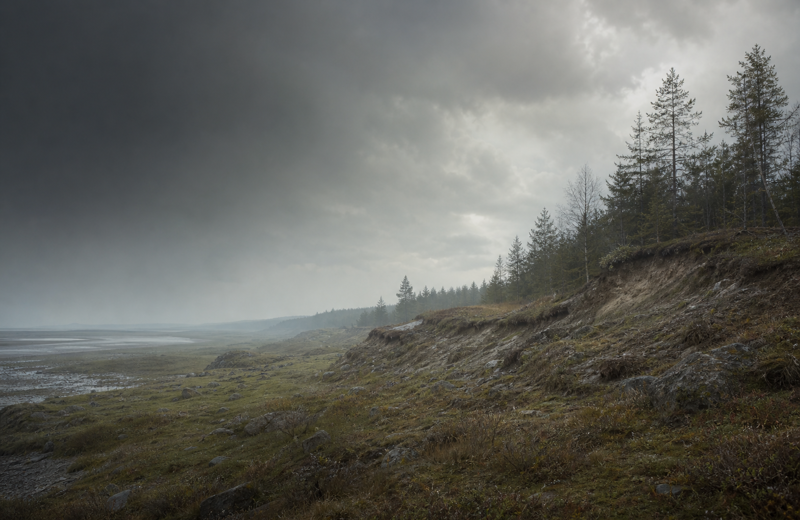
Fatyanovo Echoes
Bronze Age communities on the western edge of the Russian forests, seen through bones and genomes
تعرّف على أماكن عينات الحمض النووي القديم وفتراتها والأبحاث المنشورة حولها، واستكشف الثقافات المرتبطة بها.
تصفّح المجموعةالنتائج من 1,069 إلى 1,080 من أصل 1,627
Bronze Age communities on the western edge of the Russian forests, seen through bones and genomes
Mesolithic graves on the Vologda lakeshores where stones, bone and DNA whisper of ancient lives
Three ancient genomes from Murzikha-2 illuminate Eneolithic lifeways on the Volga-Kama fringe
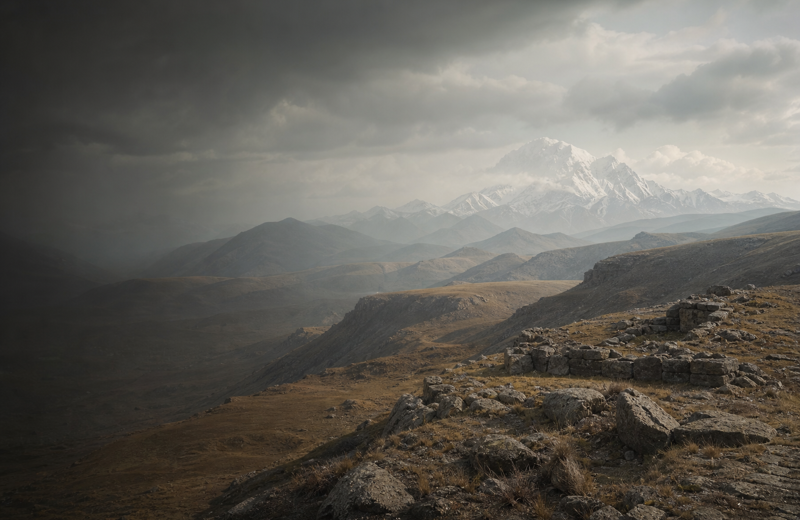
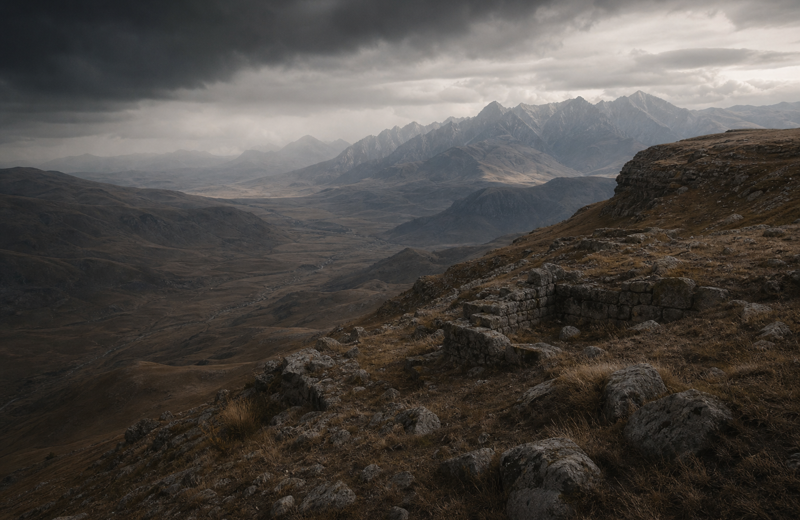
Seven Bronze Age genomes reveal a strong paternal R signal and mixed maternal ancestry across the North Caucasus piedmont.
Mountain peoples at the crossroads of steppe and Caucasus, 2197–1700 BCE
Seven genetic voices from comb‑pit burials on the Ob River reveal a frontier of northern and western ancestries
Three Late Neolithic individuals from Omsk-2 and Protoka link riverine archaeology with Siberian genetic threads.
Four genomes from Altai river valleys illuminate Late Neolithic lifeways and deep Siberian lineages
Northern Siberian hunter–gatherers at Vengerovo-2, 5479–3980 BCE
Three Bronze Age voices from a southern Ural steppe cemetery, showing maternal U and W lineages
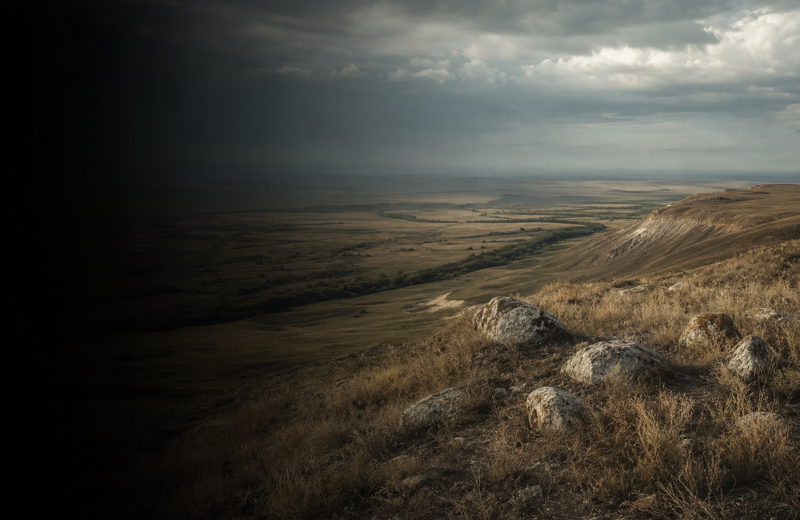
Bronze Age kurgans on the Samara and Sok rivers reveal a fleeting, mobile society
Early Bronze Age pastoralists from the Volga steppe, 3339–2500 BCE