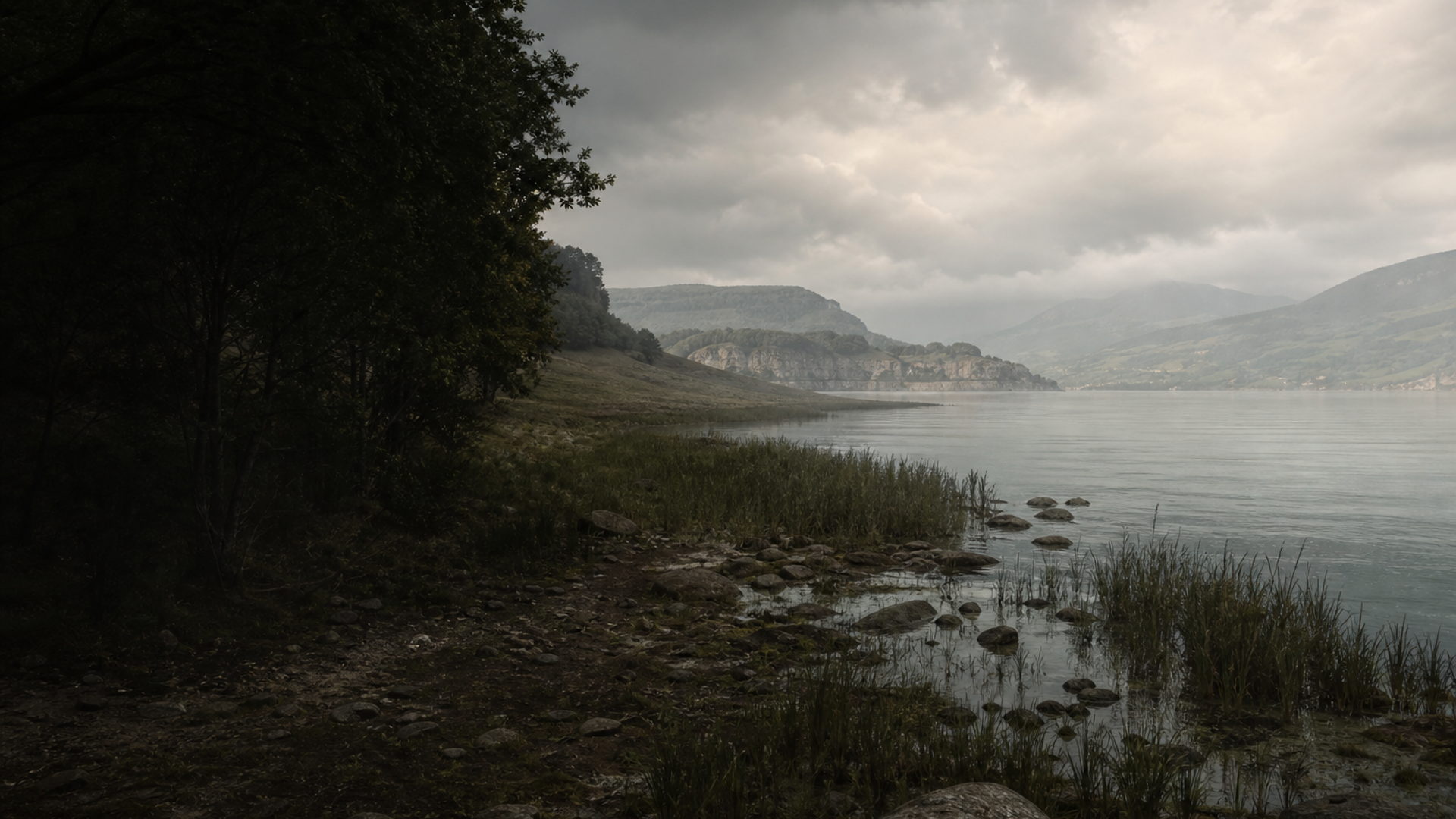
Under a sky of low, iron-rich clouds, communities clustered near lakes and rivers where fishing platforms, seasonal pastures and exchange networks shaped daily routines. Material culture recovered in nearby Early Bronze Age layers — metalwork fragments, pottery styles, and worked flint — hints at craft specialization and long-distance exchange of raw materials such as copper and tin. Archaeological indicators, including burial assemblages and settlement traces at Rapperswil Zürichstrasse and Seengen, point to households integrated into regional networks of trade and ritual.
Funerary behavior in this period is variable: burials may be individual or dispersed across small cemeteries, and grave goods range from utilitarian items to metal ornaments that signal status differences. Wooden structures and pile-dwelling traditions on lakeshores persist in the landscape, leaving wetland deposits that preserve organic materials rare elsewhere. However, direct links between specific graves sampled for DNA and broader settlement patterns remain sparse for these sites. Archaeological data indicates vibrant local lifeways, yet many social details — kinship organization, craft organization, seasonal mobility — remain open questions pending more integrated bioarchaeological study.