انتقل إلى المحتوى الرئيسي
ملفات الحمض النووي

Ostrów Lednicki: Island of Early Poland

A fortified island stronghold (1000–1200 CE) where archaeology and DNA meet

1000 CE - 1200 CE
Ostrów Lednicki, Greater Poland, Poland

القصة

Archaeological remains from Ostrów Lednicki (Greater Poland) illuminate life in a Piast-era stronghold (1000–1200 CE). Thirteen genomic samples reveal a mostly European maternal profile (H, U) with a surprising mix of paternal lineages, underscoring complex contacts and mobility in medieval Poland.

Time Period

1000–1200 CE

Region

Ostrów Lednicki, Greater Poland, Poland

Common Y-DNA

L (3), R (2), F (1), CTS (1)

Common mtDNA

H (5), U (3), U3a (1), T2b (1), T (1)

الخط الزمني

966 CE

Baptism of Poland (contextual)

The Christianization of Poland around 966 CE set in motion processes of state formation and ecclesiastical architecture seen at strongholds like Ostrów Lednicki.

Origins & Emergence

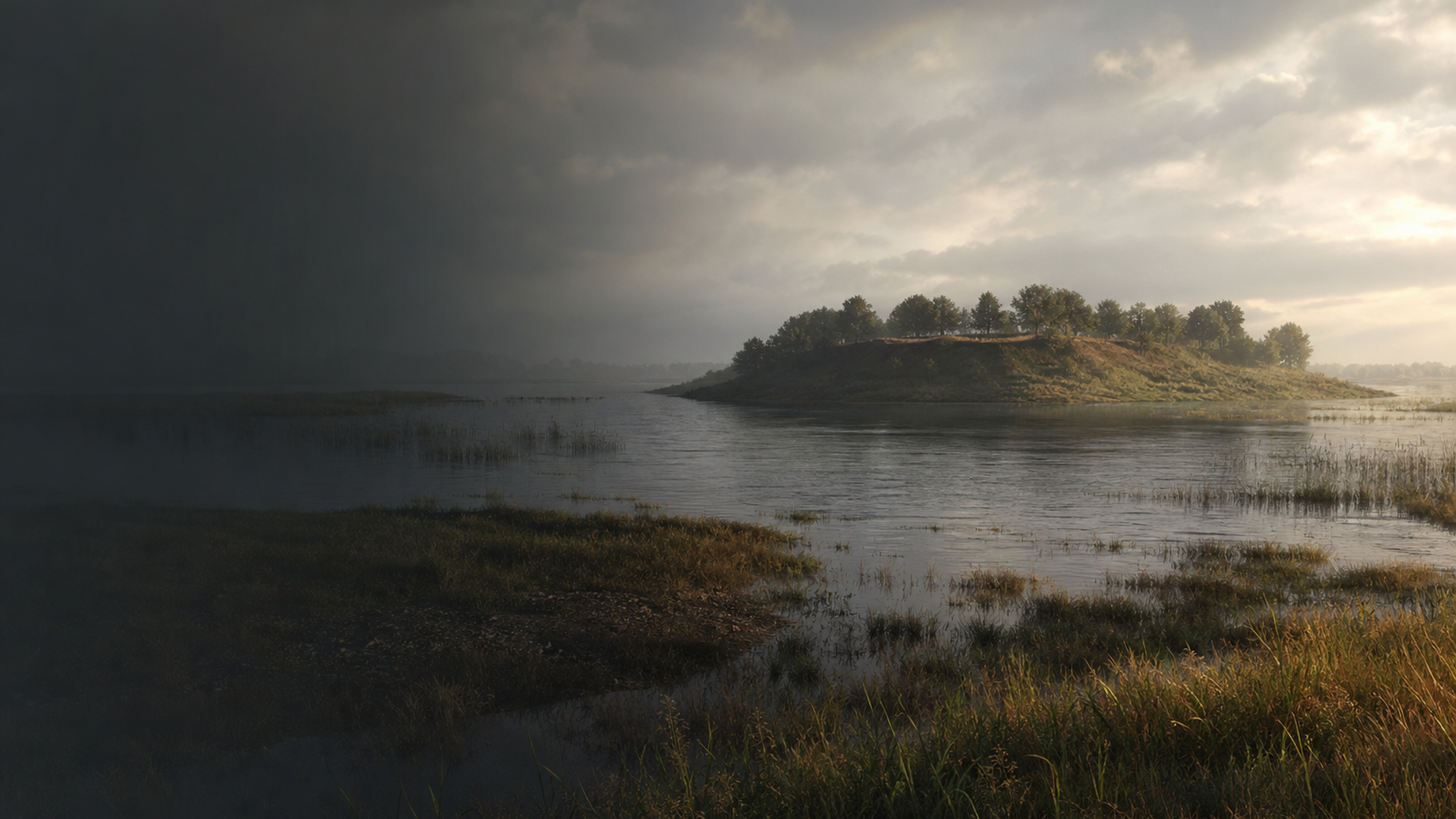
Ostrów Lednicki occupies a small island in Lake Lednica near Gniezno, the heartland of the early Polish state. Archaeological excavations have revealed layered occupation from the 10th through 13th centuries CE: timber and stone fortifications, traces of palatial buildings, and ecclesiastical architecture that speak to a center of political and ritual significance. The material record—ceramics, metalwork, and building remains—places the site squarely within the Piast-era network of strongholds that consolidated regional power after the Baptism of Poland (c. 966 CE).

The island setting made Ostrów Lednicki both defensible and symbolic: water encircling a ruler’s residence created a conscious separation between elite space and the surrounding landscape. Archaeological data indicates phases of construction and rebuilding consistent with changing political fortunes across the 11th–12th centuries. Limited evidence of long-distance trade—imported dress accessories and atypical brooch styles—hints at connections beyond Greater Poland, but the full scope of those contacts remains uncertain.

Genetic sampling from burials and contexts tied to the island offers a new axis to trace origins and mobility. While material culture frames a narrative of an emergent medieval polity, ancient DNA provides individual-level perspectives that can confirm continuity, highlight migration, or reveal unexpected heterogeneity within a geographically constrained community.

  • Island stronghold associated with early Piast polity (10th–13th c.)
  • Archaeology shows timber/stone buildings, ecclesiastical features, imported goods
  • Material and genetic evidence together test hypotheses of mobility and contact

Daily Life & Society

Life on Ostrów Lednicki would have been vivid and hierarchical: the clatter of craft workshops, the smell of smoke from kitchens, and the ceremonial weight of a ruler’s hall. Archaeological layers preserve domestic features—hearths, post-holes, and refuse pits—alongside high-status architecture that likely served administrative and ritual functions. Finds such as weaving implements, iron tools, and specialized metalwork point to a mixed economy combining local agriculture, artisanal production, and craft specialization.

Burial practices on and near the island show variation that may reflect social stratification, religious change, and chronological shifts. Christianization is archaeologically visible in church foundations and ritual assemblages; some graves show Christian orientation while others preserve older practices or ambiguous rites, indicating overlapping beliefs during a dynamic period of cultural transformation.

Mobility and exchange were part of daily life: river and road networks connected Ostrów Lednicki to markets and political centers. The presence of imported objects, even if sparse, suggests personal networks and occasional long-distance contacts that could involve merchants, artisans, or marriage ties. Combining osteoarchaeological data (age, sex, trauma) with ancient DNA allows us to glimpse household composition, kinship, and the movement of individuals into and out of the island community.

  • Domestic and elite architecture indicate craft production and administration
  • Burial variability reflects religious change and social differentiation

Genetic Profile

Thirteen samples dated to 1000–1200 CE from Ostrów Lednicki provide a preliminary snapshot of the site’s genetic makeup. Maternal lineages are dominated by mtDNA haplogroup H (5 of 13), with U lineages present (U total 3, including U3a), and single occurrences of T2b and T. This pattern aligns with broader medieval Central European maternal diversity, where H and U are common and reflect long-standing European matrilines.

Paternal markers show a more unexpected mix. Reported Y-DNA includes three individuals assigned to haplogroup L, two to R, and single instances of F and CTS. Haplogroup R is common in Europe and fits expected regional patterns, but the presence of L (three individuals) and basal F/CTS-like lineages is notable because haplogroup L is today rare in northern Europe and more typical of South Asia and parts of the Middle East. These signals could indicate individual-level mobility, non-local ancestry, or complexities in haplogroup assignment for degraded ancient samples. Archaeogeneticists must treat such patterns cautiously: contamination, low coverage, or difficulty in resolving upstream clades can produce ambiguous calls.

Together, the mtDNA and Y-DNA results suggest a predominantly European maternal background with a more heterogeneous paternal input. This asymmetry can reflect social processes (e.g., male-mediated mobility, mercantile or marital connections) but requires additional sampling and high-coverage genomes to test robustly. With 13 samples, conclusions are promising but provisional; further targeted sampling and genome-wide analyses will clarify ancestry components and kinship structures at the island stronghold.

  • Maternal profile dominated by H and U—typical for medieval Central Europe
  • Paternal mix includes unexpected L (3) alongside R, F, CTS; interpret cautiously

Legacy & Modern Connections

Ostrów Lednicki stands as a cinematic emblem of Poland’s formative centuries: an island stronghold that anchors stories of early statecraft, Christianization, and regional identity. Archaeological remains preserve the built environment of power while ancient DNA adds human faces to that narrative, revealing diversity within a politically significant locale.

For present-day populations, genetic links are complex. The dominance of European mtDNA haplogroups aligns with continuity in maternal lines across the region, while the mixed paternal signal raises questions about episodic connections with distant regions—movements that might map onto trade, marriage, or service networks in the medieval world. These genetic hints should not be overinterpreted; rather, they invite richer sampling, integration with isotope studies, and careful contextual archaeology.

Ostrów Lednicki’s story is one of layered contact: local traditions, incoming influences, and the constant negotiation of identity. As archaeogenetics refines its tools, this island will continue to illuminate how communities in medieval Central Europe were woven into broader webs of mobility and exchange.

  • Site anchors narratives of early Polish polity and Christianization
  • Genetic signals hint at both local continuity and episodes of external contact

مساعد الذكاء الاصطناعي

مساعد الذكاء الاصطناعي من DNA Genics

فتح هذه الميزة
اطرح أسئلة عن ثقافة Ostrów Lednicki: Island of Early Poland. يمكن للمساعد شرح النتائج الجينية والسياق التاريخي والأدلة الأثرية والصلات بالعصر الحديث.
مثال على تحليل بالذكاء الاصطناعي

لمحة عن ثقافة Ostrów Lednicki: Island of Early Poland

تساعد عينات الحمض النووي القديم الباحثين على دراسة أنماط الهجرة والعلاقات الجينية بين المجموعات السكانية القديمة.

هذه معاينة للتحليل. يتيح المساعد الكامل استكشاف الموضوعات التالية:

  • التركيب الجيني والأصول
  • أنماط الهجرة والأصول
  • الحياة اليومية والممارسات الثقافية
  • الإرث الجيني المعاصر