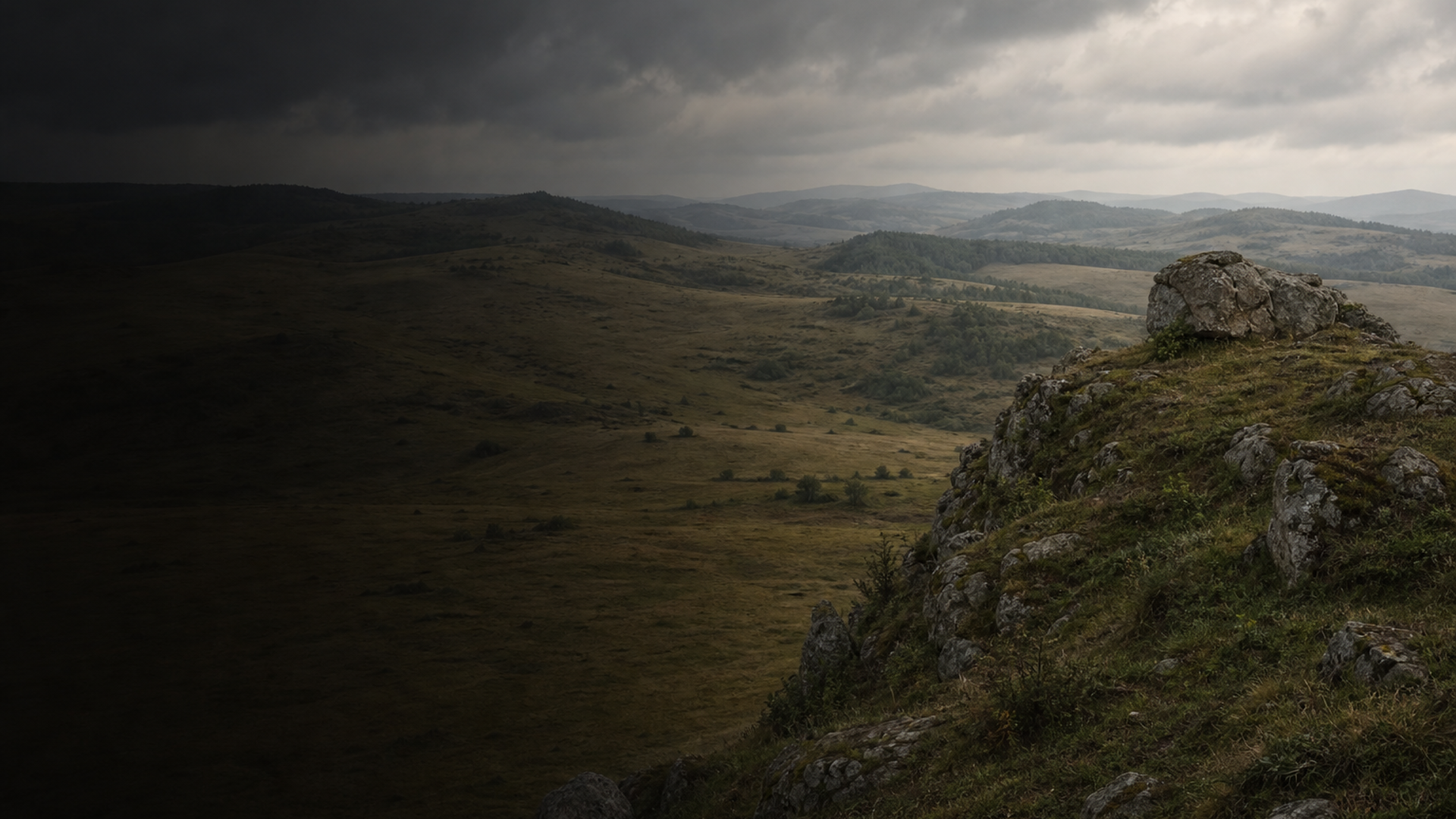
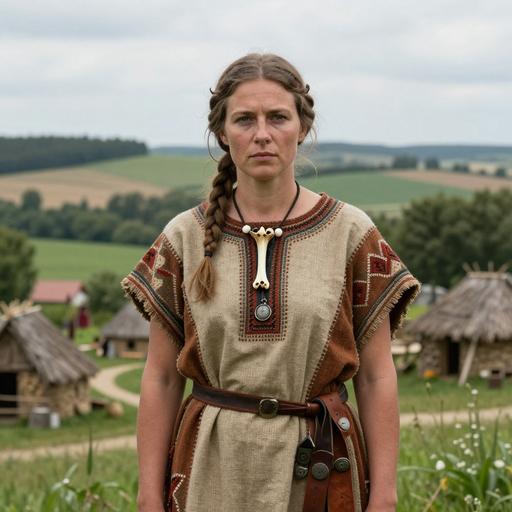
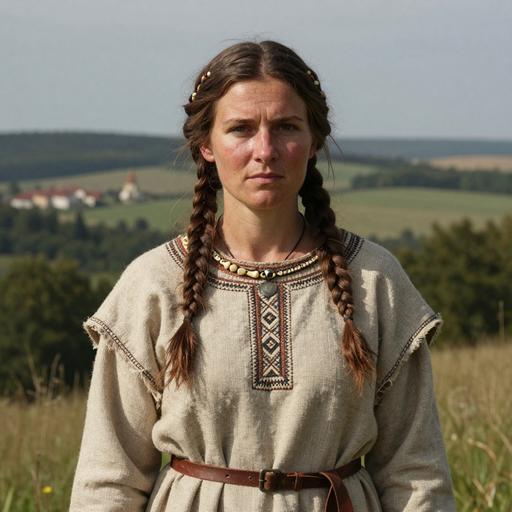
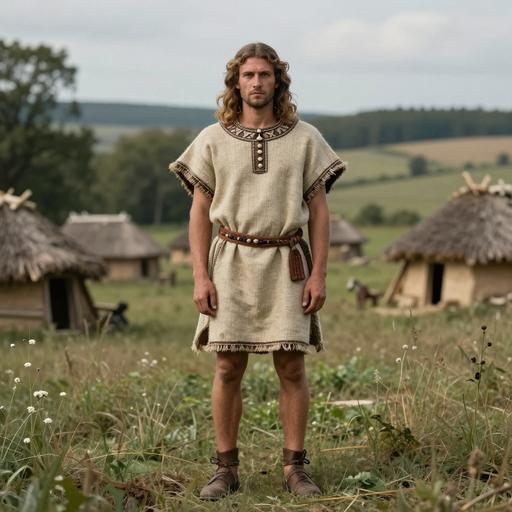
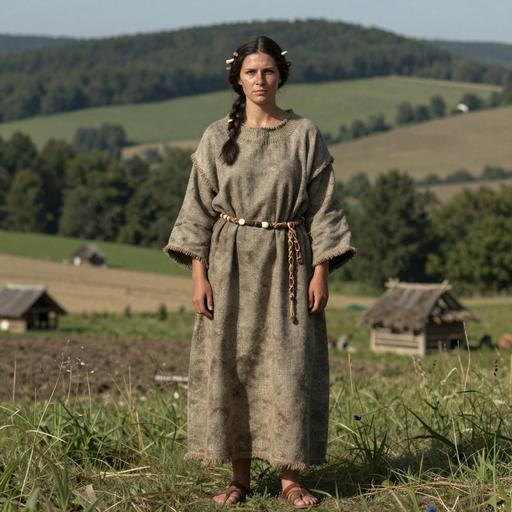
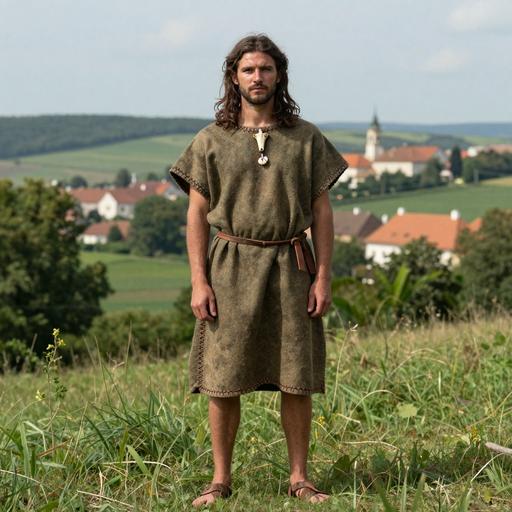
In the soft light of dawn, fields and hearths anchored communities whose daily rhythms were agricultural, domestic and social. Archaeological assemblages show mixed economies: cereal cultivation and animal husbandry formed the subsistence base, while crafted pottery, polished stone tools, and later early metal objects reflect specialized skills and craft exchange.
Burial customs reveal social complexity. Collective graves and long mounds preserve multiple generations and structured deposition, suggesting kin-based groups, ritualized commemoration, and possibly differential status. Settlement traces—pit houses, storage features, and workshop debris—indicate seasonal planning, resource storage, and craft production at local scales.
Material connections across regions point to mobility of ideas and goods: certain pottery styles, flint sources, and finished metal items traveled along networks that linked the loess plains to upland zones. Limited osteological and isotopic work from comparable contexts often reveals varied childhood locales for some individuals, implying movement for marriage, craft apprenticeship, or seasonal work, although direct isotope data for this sample set are not uniformly available.