Amur River Mesolithic Echoes

下载的 PDF 是图像副本。如需可选中文本及更好的辅助技术支持,请使用打印功能。

Amur River Mesolithic Echoes

揭开一个失落的文明

正在加载考古记录……

正在收集古代记录

跳转到主内容
Amur River Mesolithic Echoes
文明焦点

Amur River Mesolithic Echoes

Riverine hunter-gatherers of northeastern China glimpsed through archaeology and DNA

9442 CE - 8475 BCE
Amur River Basin, China
滚动开始
Chapter I

剧情

了解 Amur River Mesolithic Echoes 文化

Mesolithic communities along the Amur River (9442–8475 BCE) left an archaeological and genetic imprint. Five ancient genomes show Y-haplogroups C, F, DE and mtDNA D, hinting at deep Northeast Asian lineages. Limited samples make conclusions provisional.

Time Period

9442–8475 BCE

Region

Amur River Basin, China

Common Y-DNA

C (2), F (1), DE (1)

Common mtDNA

D (1)

Chapter II

时间线

这种文化历史上的关键时刻

9000 BCE

Mesolithic occupation in the Amur corridor

Archaeological and genetic evidence places hunter-gatherer occupation of Amur terraces around 9442–8475 BCE, with riverine adaptations documented in toolkits and hearth features.

Chapter III

Origins & Emergence

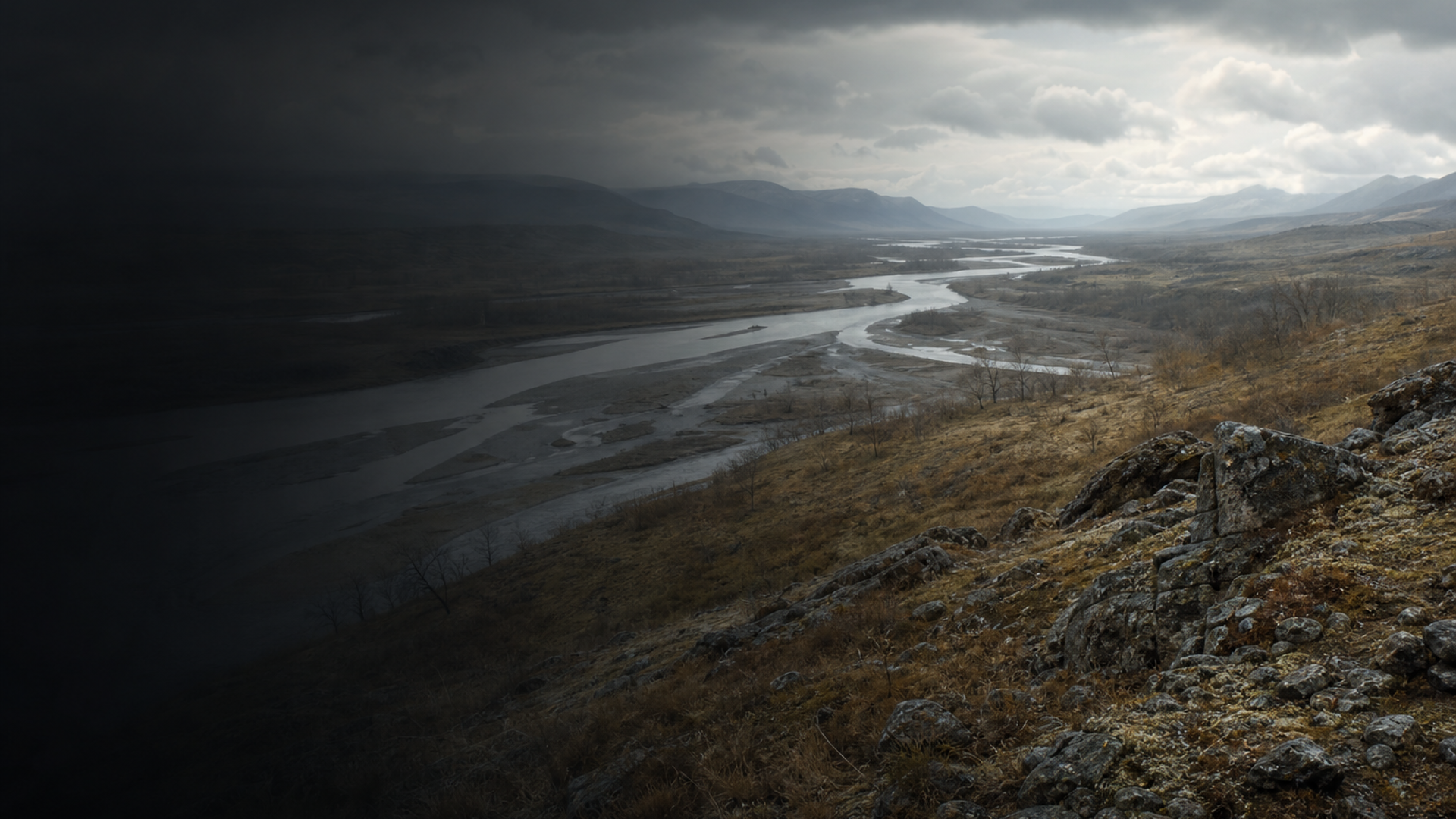
The first millennia after the last Ice Age reshaped northern East Asia: rivers swelled, forests expanded, and the Amur corridor became a green, dynamic landscape that supported human resettlement. Archaeological data indicates Mesolithic occupation of river terraces and floodplains in the Amur River Basin of what is now northeastern China between ca. 9442 and 8475 BCE. Sites in the basin preserve scatterings of stone tools, hearths, and organic traces that suggest a lifeway tuned to seasonal floods, migrating fish, and rich riparian plants.

Genetic samples from five individuals recovered from Amur Basin contexts provide a rare molecular window. Although the sample count is small, the recovered Y-DNA lineages (notably C, F, and DE) and mtDNA (haplogroup D) fit broad expectations for early Northeast Asian populations, reflecting deep standing diversity in the region. Limited evidence suggests these communities were part of a wider network of postglacial hunter-gatherers that exploited riverine corridors from inland Siberia to the Pacific coast. Archaeology indicates technology focused on small formal bladelets and composite tools; preservation is uneven, and many interpretations remain provisional.

Because only five genomes are available, archaeological and genetic syntheses are cautious: patterns suggest continuity with later northern East Asian groups, but broader sampling is required to resolve migrations, local continuity, and interaction with neighboring Mesolithic populations.

  • Occupation dated ca. 9442–8475 BCE along the Amur River Basin
  • Postglacial riverine adaptation with microlithic stone tools and organic remains
  • Small genetic sample (n=5) gives preliminary signal of deep Northeast Asian lineages
Chapter IV

Daily Life & Society

Life on the Amur in the early Holocene would have been cinematic and pragmatic: seasonal pulses of fish, migrating waterfowl, and riverine plants dictated movement and technology. Archaeological data indicates camps located on levees and terraces with hearth concentrations and scatters of flaked stone, suggesting short-term occupation and logistical mobility rather than permanent settlements. Bone fragments and preserved organic residues at some sites imply use of bone points, possible harpoons or barbed implements, and processing of fish and small mammals.

Material culture likely emphasized light, transportable toolkits—bladelets and microburins suitable for hafted points—and organic gear such as nets, woven baskets, and cordage that rarely survive archaeologically but are inferred from tool wear and site organization. Seasonal rounds followed predictable riverine resources: spring spawning runs, summer plant gathering, autumn hunting for fat stores. Social networks probably connected families and small bands across the basin; exchange of raw materials and ideas along the river corridor is archaeologically plausible but not well documented.

Archaeological interpretation is limited by preservation and sample size; ethnographic analogy and experimental archaeology help fill gaps, but many reconstructions remain hypothetical until more sites and dated contexts are analyzed.

  • River-focused subsistence: fishing, waterfowl, and plant gathering
  • Light, mobile toolkits with bladelets and probable bone harpoons
Chapter V

Genetic Profile

Five ancient genomes from the Amur River Mesolithic (9442–8475 BCE) provide the genetic pillars for interpretation—but they come with strong caveats. Observed Y-DNA lineages include two samples assigned to haplogroup C, one to F, and one to DE; mitochondrial data includes at least one individual carrying mtDNA haplogroup D. These markers are consistent with deep-standing Northeast Asian paternal and maternal lineages seen in later Holocene and modern populations of northeastern Asia.

Haplogroup C is commonly associated with northern Eurasian hunter-gatherers and has broad geographic persistence; its presence here supports a northern hunter-gatherer contribution to the early Amur basin gene pool. Haplogroup F is an upstream lineage that gave rise to many later Eurasian Y-clades and may reflect early diversity retained in the region. The detection of DE—an ancient split within Y-chromosome diversity—suggests survival of deep lineages in East Asia, though its substructure and exact affinities cannot be resolved without more data.

Mitochondrial haplogroup D is a frequent maternal lineage in Northeast Asia and the Japanese archipelago; its occurrence aligns with archaeological expectations for the region. Importantly, with only five genomes (<10), patterns of diversity, population continuity, and migration remain preliminary. Broader sampling across sites, times, and genomic coverage is required to test hypotheses about admixture, demographic stability, and links to later Tungusic, Nivkh, or other regional groups.

  • Y: C (2), F (1), DE (1) — suggests deep northern lineages
  • mtDNA: D (1) — aligns with Northeast Asian maternal ancestry; conclusions are preliminary (n=5)
Chapter VI

Legacy & Modern Connections

The Mesolithic inhabitants of the Amur River Basin contributed a foundational chapter to the human story in northeastern Asia. Archaeological adaptations—river-focused subsistence, microlithic technologies, and seasonal mobility—set strategies that persisted and evolved into the Neolithic and later periods. Genetically, early Amur-related ancestry likely entered the ancestral pool of later populations in the region, contributing components that survive in varying degrees among modern East Asian and Siberian peoples.

However, the genetic legacy is not a simple line of descent. Over the millennia the Amur corridor saw additional migrations, gene flow, and cultural transformations (including the arrival of agriculturalists and later waves of pastoralists). These processes layered new ancestries over the Mesolithic substrate. Limited ancient DNA (n=5) constrains the strength of claims about direct descent: current data suggest continuity of some lineages but cannot yet map precise inheritance to particular modern groups. Continued archaeological survey and expanded aDNA sampling are needed to illuminate how these early riverine communities were woven into the genetic and cultural tapestry of northeastern Asia.

  • Early Amur lifeways influenced later regional subsistence and mobility strategies
  • Genetic contributions likely persist but are obscured by later admixture; larger aDNA samples required
AI 电源

AI 助手

就 Amur River Mesolithic Echoes 文化提问

AI 助手 由DNAGENICS公司制作

解锁此特性
Ask questions about the Amur River Mesolithic Echoes culture. Our AI assistant can explain genetic findings, historical context, archaeological evidence, and modern connections.
AI 样本分析

Amur River Mesolithic Echoes 文化是人类历史中值得了解的一章……

遗传分析揭示了与早期种群的联系,同时显示了独特的适应和文化创新的证据。 古代DNA样本提供了对迁徙模式、社会结构以及古代种群之间的生物关系的深刻见解。

这是人工智能分析的预览。 解锁全AI 助手, 以探索关于:

  • 遗传组成和祖先
  • 移徙模式和起源
  • 日常生活和文化习俗
  • 现代遗传遗产

探索更古老的文化

揭开古代世界文明的故事

使用优惠码 可减免 35% • 11月12日 到期