Amur River Neolithic Voices

下载的 PDF 是图像副本。如需可选中文本及更好的辅助技术支持,请使用打印功能。

Amur River Neolithic Voices

揭开一个失落的文明

正在加载考古记录……

正在收集古代记录

跳转到主内容
Amur River Neolithic Voices
文明焦点

Amur River Neolithic Voices

Early riverine communities (6690–4270 BCE) from the Amur Basin, China — archaeology meets DNA

6690 CE - 4270 BCE
Amur River Basin, China
滚动开始
Chapter I

剧情

了解 Amur River Neolithic Voices 文化

Archaeological and ancient-DNA evidence from 10 individuals in the Amur River Basin (6690–4270 BCE) reveals river-focused Neolithic lifeways and a genetic profile dominated by Y-haplogroup C and mtDNA lineages D and F. Limited sample size makes conclusions provisional.

Time Period

6690–4270 BCE

Region

Amur River Basin, China

Common Y-DNA

C (5/10)

Common mtDNA

D (3), F (1), D4o (1)

Chapter II

时间线

这种文化历史上的关键时刻

5000 BCE

Riverine Neolithic lifeways flourish

Circa 5000 BCE, Amur Basin communities intensify river-based fishing and establish recurring seasonal camps; this period is evidenced by pottery, fish-dominated faunal assemblages, and emerging local genetic signatures.

Chapter III

Origins & Emergence

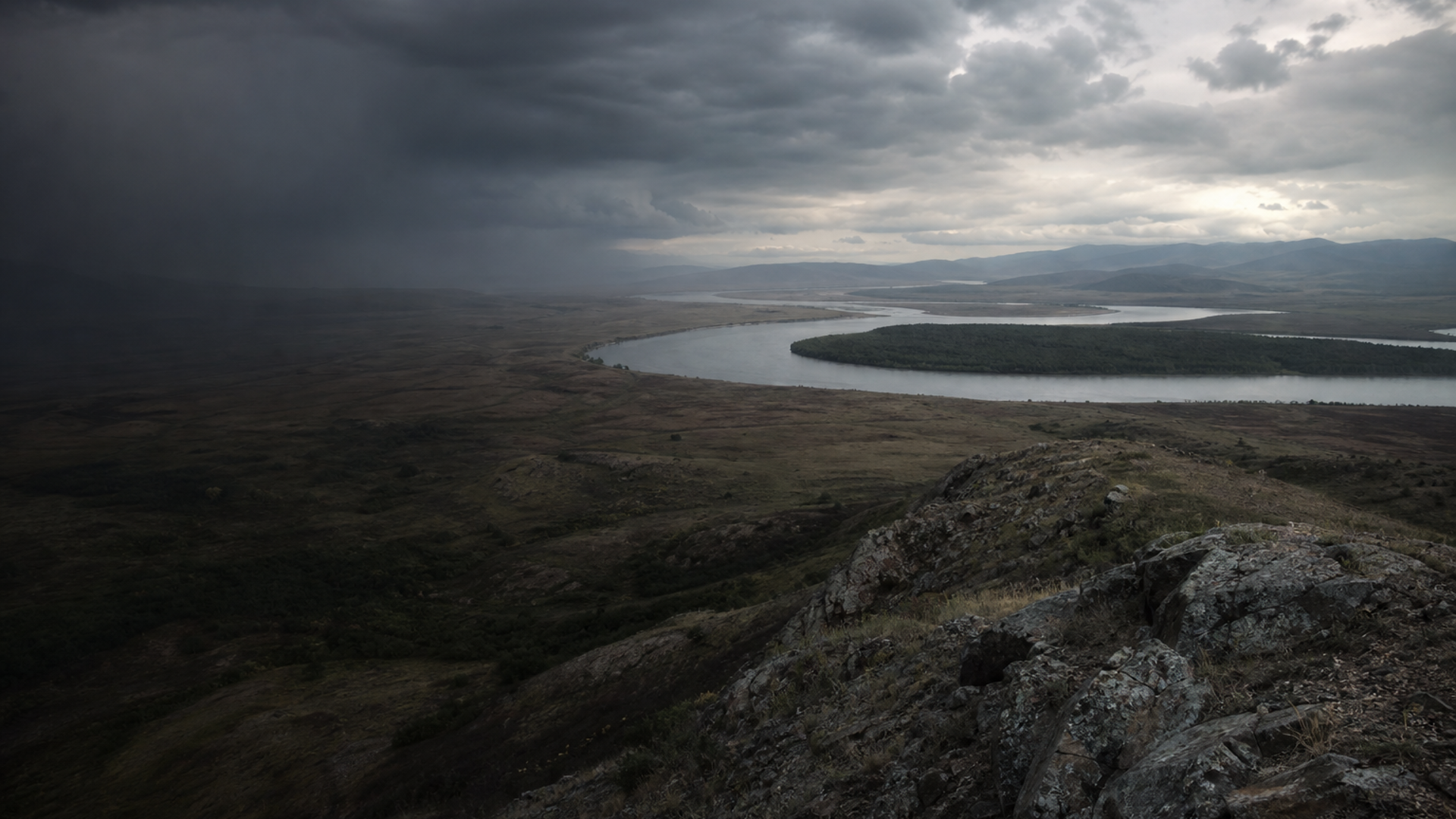
Along the broad, braided channels of the Amur River Basin, communities emerged in the mid-Holocene to exploit a landscape of wetlands, floodplain forests, and abundant fish runs. Archaeological data indicates sustained human presence in parts of what is now Heilongjiang and neighboring provinces between roughly 6690 and 4270 BCE, a period when rising temperatures and stable riverine resources fostered denser seasonal occupation.

Material traces — pottery sherds, stone tools with riverine wear patterns, charred fish and mammal bones — paint a picture of groups whose lifeways pivoted on the river. Limited evidence suggests a gradual intensification of fishing, targeted hunting of cervids and boar, and plant foraging rather than an immediate turn to agriculture. Settlement traces appear in low-lying camps and possible semi-subterranean structures in flood-protected ridges, though preservation varies and data remain patchy.

The cinematic sweep of broad waters and coniferous shorelines frames a slow, local emergence of Neolithic adaptations in northeastern China. Archaeologists emphasize that while the Amur Basin shows hallmarks of independent regional development, connections to neighboring northern East Asian groups likely influenced technology and mobility. Given the modest number of archaeological contexts that have been sampled for DNA so far, narratives about migration and cultural transmission remain provisional and open to revision as more sites are analyzed.

  • Occupation concentrated along Amur floodplains and tributaries
  • Evidence of riverine fishing, hunting, and pottery use
  • Regional Neolithic traits develop alongside influences from neighboring areas
Chapter IV

Daily Life & Society

Daily life in the Amur Neolithic likely unfolded with the rhythms of the river: seasonal pulses of spawning fish, migratory birds, and the movement of game. Archaeological assemblages contain ground and chipped stone tools, pottery fragments with simple cord or comb impressions, and faunal remains dominated by freshwater fish and medium-sized ungulates. These remains imply technologies adapted to processing fish (butchery marks, bone concentrations) and preserving seasonal surplus, though direct evidence for storage features is sparse.

Sites suggest small to medium-sized bands, perhaps aggregating seasonally for social exchange, resource abundance, or ritual activities. The presence of worked bone, antler, and domestic debris implies craft specialization at a household level—cordage, netting, simple fishing gear, and composite stone-bone implements. Funerary data are limited but indicate a range of burial treatments, sometimes with grave goods, hinting at social differentiation that remains difficult to quantify.

Environmental resilience mattered: these communities navigated flood cycles, ice, and shifting fish runs, adapting mobility and settlement to the river’s moods. Archaeological data indicates a people intimately tied to the Amur as a highway and pantry, shaping both material culture and social organization around predictable ecological wealth.

  • Seasonal riverine subsistence dominated by fishing and hunting
  • Craft production using bone, antler, and stone; pottery fragments common
Chapter V

Genetic Profile

Ten ancient individuals sampled from the Amur River Basin provide the first glimpses of a coherent genetic signal for this Neolithic assemblage, but the sample size is small enough that conclusions are tentative. Y-chromosome data show a predominance of haplogroup C in 5 of the 10 males tested, a paternal lineage widely found in northern East Asia and parts of Siberia. This pattern suggests local continuity with northern Eurasian male lineages that were present in the region during the Holocene.

Mitochondrial DNA diversity among the 10 individuals includes haplogroup D (3 individuals), F (1), and a D4o branch (1). Haplogroup D is a frequent component in northern and eastern East Asian maternal lineages and appears in many modern populations across northeastern Asia and in ancient samples implicated in wider Holocene dispersals. Haplogroup F similarly has deep roots in East Asia. The presence of D4o is intriguing as a sublineage with northern associations, but with only a single occurrence its significance is limited.

Genome-wide affinities (where available) indicate an “Amur-related” ancestry component that is observed at elevated levels in some modern populations of the Lower Amur and adjacent Siberia. Such affinities may link these Neolithic groups to later Tungusic-speaking and other northern East Asian communities, but genetic continuity is complex: admixture, later migrations, and demographic shifts have reshaped ancestry profiles over millennia. Given the limited total of 10 samples, these genetic signals should be treated as preliminary—valuable hints rather than definitive population histories.

  • Y-haplogroup C predominant among males (5/10)
  • mtDNA dominated by D lineages; presence of F and D4o; sample size limits inference
Chapter VI

Legacy & Modern Connections

The echoes of Amur Neolithic communities persist in both landscape and genes. Archaeological continuities—river-focused subsistence strategies and certain pottery traditions—are mirrored in genetic affinities that contribute to an Amur-related ancestry component identified in multiple modern and ancient populations of northeastern Asia. This component may have participated in broader population blends that shaped later Tungusic, Mongolic, and other northern East Asian groups.

However, the story is not linear. Millennia of movement, admixture, and cultural change mean that modern populations are palimpsests of many ancestries. While haplogroup C and mtDNA D lineages in the ancient Amur samples resonate with patterns seen today, asserting direct descent demands more data. Continued sampling across time and space in the Amur Basin will help resolve questions about continuity, migration, and the role these communities played in regional prehistory. For now, these people stand as a vivid chapter: river-born lifeways whose genetic traces inform our understanding of northeastern Asia’s deep past.

  • Amur-related ancestry persists in parts of northeastern Asia
  • Continuity plausible but complex; more samples needed to confirm direct descent
AI 电源

AI 助手

就 Amur River Neolithic Voices 文化提问

AI 助手 由DNAGENICS公司制作

解锁此特性
Ask questions about the Amur River Neolithic Voices culture. Our AI assistant can explain genetic findings, historical context, archaeological evidence, and modern connections.
AI 样本分析

Amur River Neolithic Voices 文化是人类历史中值得了解的一章……

遗传分析揭示了与早期种群的联系,同时显示了独特的适应和文化创新的证据。 古代DNA样本提供了对迁徙模式、社会结构以及古代种群之间的生物关系的深刻见解。

这是人工智能分析的预览。 解锁全AI 助手, 以探索关于:

  • 遗传组成和祖先
  • 移徙模式和起源
  • 日常生活和文化习俗
  • 现代遗传遗产

探索更古老的文化

揭开古代世界文明的故事

使用优惠码 可减免 35% • 11月12日 到期