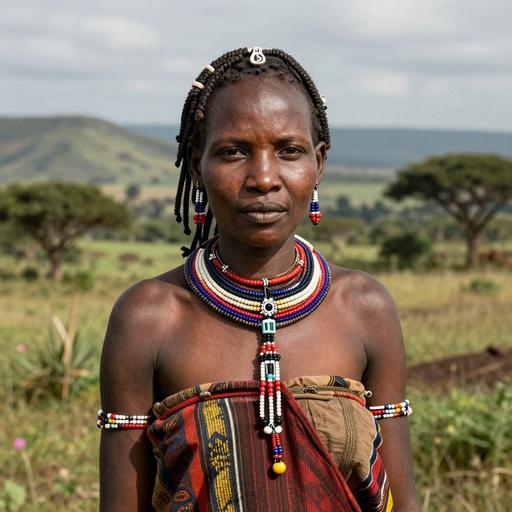
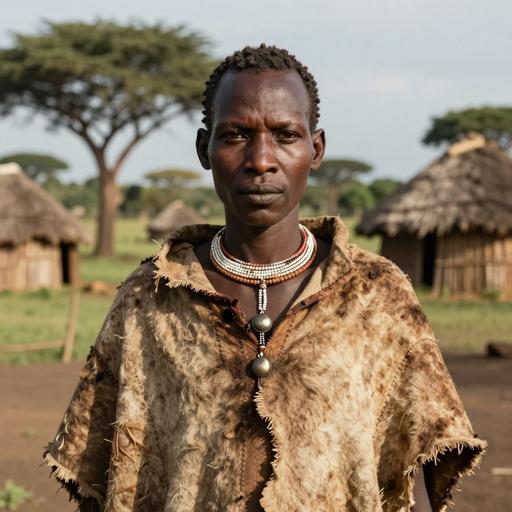
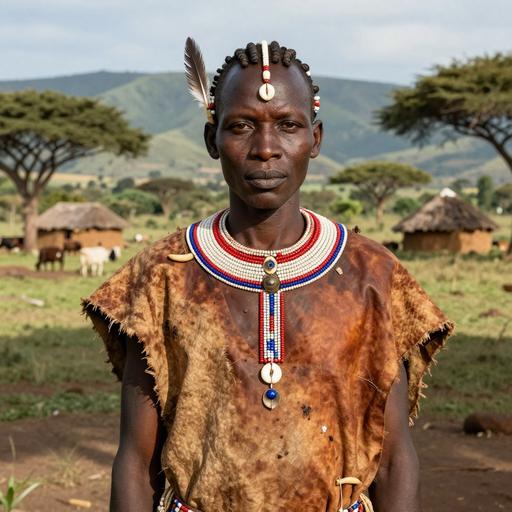
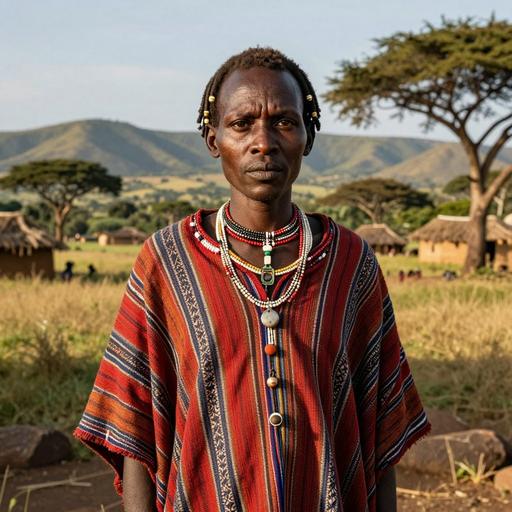
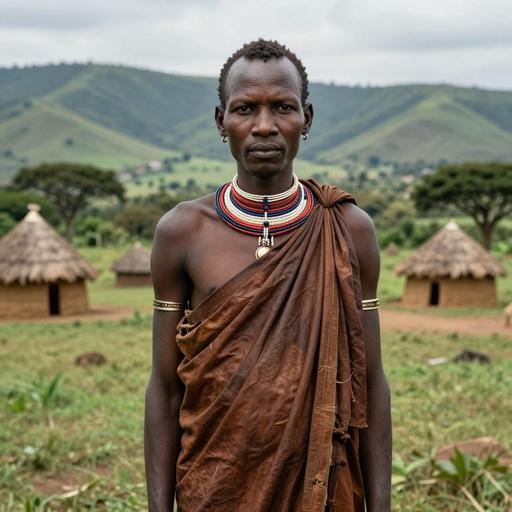
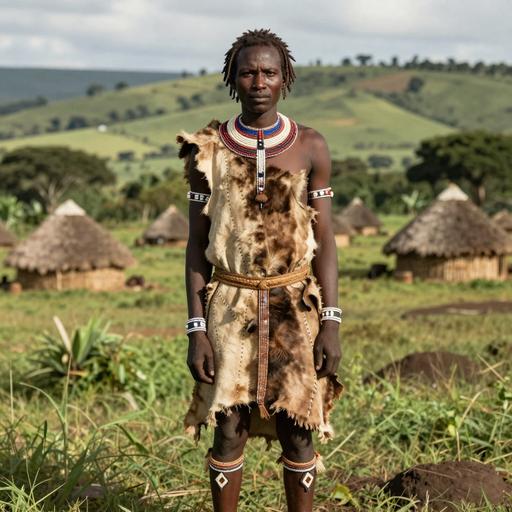
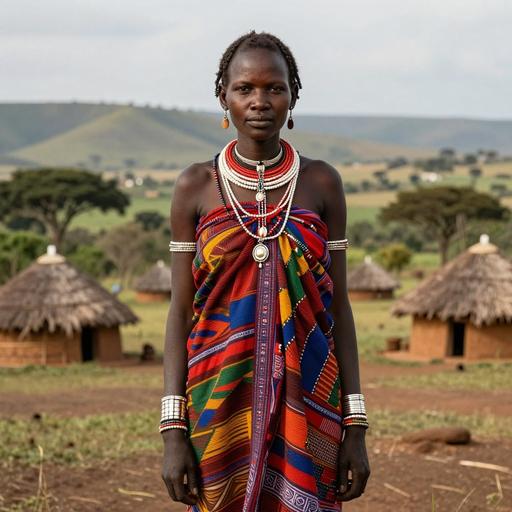
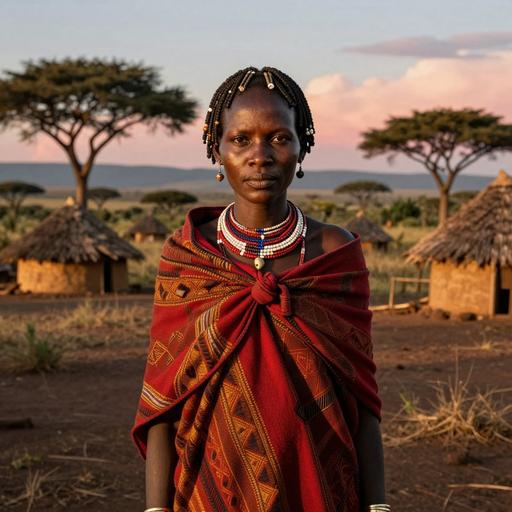
Bantu: Echoes of an Expanding People

下载的 PDF 是图像副本。如需可选中文本及更好的辅助技术支持,请使用打印功能。

Bantu: Echoes of an Expanding People

揭开一个失落的文明

正在加载考古记录……

正在收集古代记录

跳转到主内容
Bantu: Echoes of an Expanding People
文明焦点

Bantu: Echoes of an Expanding People

Archaeology and ancient DNA trace a millennia-long spread across sub‑Saharan Africa.

4300 BCE - 1950 CE
East & Southern Africa (Kenya → South Africa)
12 Ancient Samples
滚动开始
Chapter I

剧情

了解 Bantu: Echoes of an Expanding People 文化

Combining archaeological sites from Ballito Bay to Panga ya Saidi with 59 ancient genomes, this profile links material culture and DNA to the Bantu-speaking expansions across East and Southern Africa, highlighting admixture with local foragers and regional diversity.

Time Period

c. 4300 BCE–1950 CE

Region

East & Southern Africa (Kenya → South Africa)

Common Y-DNA

E (13), A (5), B (5), BT (1), R (1)

Common mtDNA

L (48), L0f (2)

Chapter II

时间线

这种文化历史上的关键时刻

2500 BCE

Proto‑Bantu dispersal pulses

Widespread shifts in pottery, subsistence and demography mark pulses of Bantu‑associated expansion into East and Southern Africa, setting the stage for later Iron Age communities.

Chapter III

Origins & Emergence

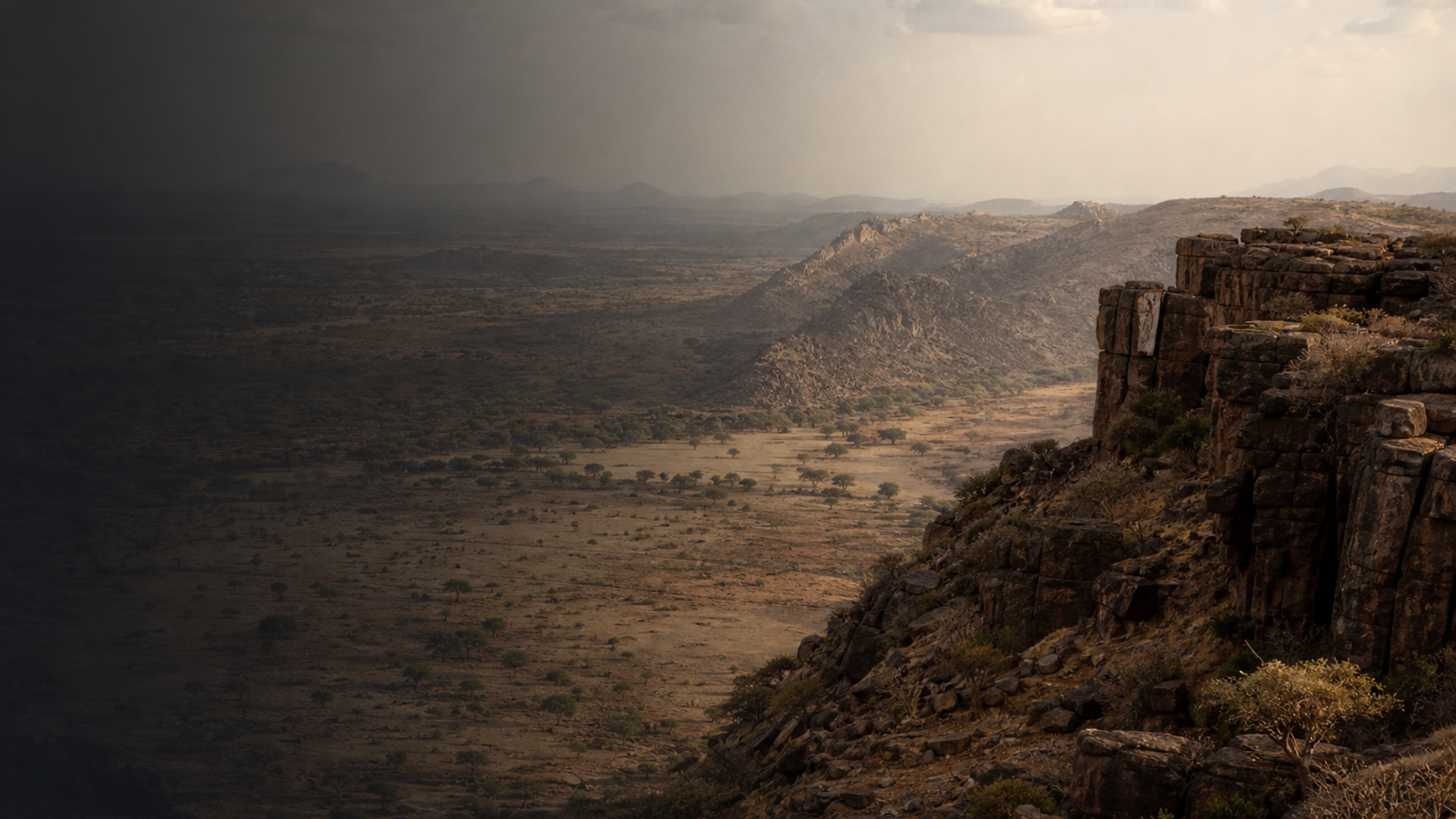
Across a panorama of savannahs, lakeshores and coastal caves, the archaeological record captures the slow, uneven pulse of the Bantu expansions. Material traces associated with expanded food production and Iron Age lifeways appear throughout East and Southern Africa from the first millennia BCE onward, but evidence presented here reaches back to 4300 BCE in some sampled contexts. Key sites include Panga ya Saidi and Kilifi on the Kenyan coast, Fingira and Chencherere in Malawi, Gishimangeda Cave and sites near Lake Eyasi in Tanzania, and multiple South African localities such as Ballito Bay, Champagne Castle and Eland Cave.

Archaeological data indicate a mosaic of local developments and incoming traditions: pottery, ironworking, and new subsistence practices spread along river corridors and lakeshores. Genetic data from 59 individuals attributed to Bantu-associated contexts support a core ancestry component widespread in East–Southern African samples, but also show regionally variable admixture with preexisting hunter‑gatherer groups. Limited evidence suggests some early interactions with eastern African pastoralist groups, but the timing and directionality of those contacts remain under study.

The story is cinematic: moving people carrying crops and metallurgy into diverse landscapes, meeting established communities and creating local blends of material culture. Yet many sites are patchy in time and coverage, so reconstructions are provisional and benefit from ongoing sampling.

  • Earliest samples in dataset date to 4300 BCE; most Iron Age expansion evidence from 1st millennium BCE onward
  • Key sites: Ballito Bay (ZA), Panga ya Saidi (KE), Fingira (MW), Gishimangeda (TZ)
  • Archaeology shows pottery, metallurgy and farming spreading with local variation
Chapter IV

Daily Life & Society

Archaeological assemblages evoke daily rhythms: hearths, grinding stones, pottery sherds, iron slag and animal bone speak of farmed fields, pastoral herds, and fishing on lakeshores. At coastal sites like Kilifi and Panga ya Saidi, shell middens and coastal resources complement farming. Inland, in places such as the Karatu District and the northeastern shore of Lake Eyasi, communities exploited mixed agro‑pastoral economies adapted to highland and rift environments.

Settlement patterns range from scattered homesteads to nucleated Iron Age villages. Social life would have been organized around kinship, cattle, and crop cycles; iron tools and pottery shaped daily work. Burials from sites such as Champagne Castle and Ballito Bay provide glimpses of mortuary practice and health, though preservation and excavation intensity vary widely. When skeletal remains are preserved, isotopic analyses sometimes indicate mixed diets—C3 and C4 plants, fish, and animal protein—consistent with mosaic economies.

Archaeology alone paints a rich but incomplete picture: material culture signals broad economic shifts, while ancient DNA adds personal stories of ancestry and admixture. Together they reveal communities negotiating new technologies and landscapes across centuries.

  • Mixed agro‑pastoral economies with local adaptations to coast, rift, and highlands
  • Material culture includes pottery, ironworking debris, grinding stones, and coastal middens
Chapter V

Genetic Profile

The genetic dataset of 59 individuals linked to Bantu contexts provides a moderate-resolution window into population history across East and Southern Africa. A majority of mitochondrial genomes belong to haplogroup L (48/59), consistent with deep maternal continuity in sub‑Saharan Africa; two individuals carry L0f, a lineage present in eastern African hunter‑gatherer and pastoralist contexts. On the Y chromosome, haplogroup E is most common (13 samples), reflecting widespread paternal lineages associated with many African farming and pastoral populations. Notable minority paternal haplogroups include A (5) and B (5), often associated with local forager lineages, and single occurrences of BT and R.

These patterns point to a core Bantu‑related ancestry component spreading through regionally diverse populations, then mixing with local hunter‑gatherers and earlier East African groups. The presence of A and B Y‑lineages and substantial L mtDNA diversity indicates sex‑biased and regionally specific admixture: incoming farming groups frequently absorbed local forager women and men to varying degrees depending on locality and chronology. The single R lineage likely reflects limited Eurasian gene flow into coastal or later historic contexts but should be interpreted cautiously.

Because sampling covers wide geographies and a long time span (4300 BCE–1950 CE), temporal changes in admixture and lineage frequencies are visible but require denser time-series sampling to resolve. Where sample counts per site are small, conclusions remain preliminary.

  • High mtDNA L frequency (48/59) indicates deep sub‑Saharan maternal ancestry
  • Y‑DNA shows majority E, with A and B indicating local forager admixture; single R hints at limited Eurasian input
Chapter VI

Legacy & Modern Connections

The archaeological and genetic threads converge to explain how many modern Bantu‑speaking populations inherited a layered ancestry: a core Bantu‑associated component overlaid with significant admixture from local foragers and regional groups. Sites such as Munsa (Uganda), Luxmanda (Tanzania), and the Makwasinyi contexts in Kenya help link ancient movements to languages and cultural practices still present today. Genetic continuity of mitochondrial L lineages highlights deep regional roots in maternal lines, while Y‑chromosome diversity reflects complex local dynamics.

These findings illuminate living populations without reducing them to single origins. They underscore a history of movement, interaction and cultural transformation across eastern and southern Africa. Ongoing sampling—especially dense time-series and underrepresented regions—will refine the picture, clarify the timing of admixture events, and better connect ancient individuals to specific modern communities. Limited sample coverage in some locales means several conclusions remain tentative.

  • Modern Bantu speakers reflect a mosaic of incoming farmer ancestry and indigenous contributions
  • Continued ancient DNA sampling is needed to clarify regional admixture timelines
Chapter VII

样本目录

12 份与 Bantu: Echoes of an Expanding People 文化相关的古 DNA 样本,为研究该时期的人群提供遗传线索。

12 / 12 samples
纵向 样本 国家 大纪元 日期 文化 性别 Y-DNA mtDNA
重建的肖像画 Swahili individual, Kenya
Swahili individual, Kenya
Kenya Kenya_Makwasinyi 1650-1950 CE Bantu F - L3d1a1a
重建的肖像画 Swahili individual, Kenya
Swahili individual, Kenya
Kenya Kenya_Makwasinyi 1650-1950 CE Bantu M E-Z1788 L4b2a
重建的肖像画 Swahili individual, Kenya
Swahili individual, Kenya
Kenya Kenya_Makwasinyi 1650-1950 CE Bantu M E-Z1788 L2a1+143
重建的肖像画 Swahili individual, Kenya
Swahili individual, Kenya
Kenya Kenya_Makwasinyi 1709-1927 calCE (110±15 BP, PSUAMS-10330) Bantu M E-Y25272 L3a2
重建的肖像画 Swahili individual, Kenya
Swahili individual, Kenya
Kenya Kenya_Makwasinyi 1667-1843 calCE (200±15 BP, PSUAMS-10331) Bantu M E-M3865 L2a1+143
重建的肖像画 Swahili individual, Kenya
Swahili individual, Kenya
Kenya Kenya_Makwasinyi 1650-1950 CE Bantu M - L3e3a
重建的肖像画 Swahili individual, Kenya
Swahili individual, Kenya
Kenya Kenya_Makwasinyi 1650-1950 CE Bantu F - L0d3
重建的肖像画 Swahili individual, Kenya
Swahili individual, Kenya
Kenya Kenya_Makwasinyi 1698-1950 calCE (135±20 BP, PSUAMS-10332) Bantu F - L0a1a+200
重建的肖像画 Swahili individual, Kenya
Swahili individual, Kenya
Kenya Kenya_Makwasinyi 1650-1950 CE Bantu F - L3f2a1
重建的肖像画 Swahili individual, Kenya
Swahili individual, Kenya
Kenya Kenya_Makwasinyi 1650-1950 CE Bantu M E-M3865 L1c3b1a
AI 电源

AI 助手

就 Bantu: Echoes of an Expanding People 文化提问

AI 助手 由DNAGENICS公司制作

解锁此特性
Ask questions about the Bantu: Echoes of an Expanding People culture. Our AI assistant can explain genetic findings, historical context, archaeological evidence, and modern connections.
AI 样本分析

Bantu: Echoes of an Expanding People 文化是人类历史中值得了解的一章……

遗传分析揭示了与早期种群的联系,同时显示了独特的适应和文化创新的证据。 古代DNA样本提供了对迁徙模式、社会结构以及古代种群之间的生物关系的深刻见解。

这是人工智能分析的预览。 解锁全AI 助手, 以探索关于:

  • 遗传组成和祖先
  • 移徙模式和起源
  • 日常生活和文化习俗
  • 现代遗传遗产

探索更古老的文化

揭开古代世界文明的故事

使用优惠码 可减免 35% • 11月12日 到期