Botswana — Modern Mosaic

下载的 PDF 是图像副本。如需可选中文本及更好的辅助技术支持,请使用打印功能。

Botswana — Modern Mosaic

揭开一个失落的文明

正在加载考古记录……

正在收集古代记录

跳转到主内容
Botswana — Modern Mosaic
文明焦点

Botswana — Modern Mosaic

Four modern-era samples linking archaeological traces in Botswana with preliminary genetic glimpses.

2000 CE
Botswana (samples also noted from Namibia)
滚动开始
Chapter I

剧情

了解 Botswana — Modern Mosaic 文化

A concise, evocative profile of Modern Botswana (2000 CE) connecting material culture and limited genetic samples (n=4). Archaeological context in Botswana and northern Namibia frames preliminary DNA results and highlights the need for broader sampling to resolve ancestry and continuity.

Time Period

2000 CE (Modern)

Region

Botswana (samples also noted from Namibia)

Common Y-DNA

Not reported (sample size small)

Common mtDNA

Not reported (sample size small)

Chapter II

时间线

这种文化历史上的关键时刻

1966 CE

Independence of Botswana

Botswana gains independence from Britain, initiating rapid economic and social transformation that reshaped settlement and mobility patterns.

2000 CE

Modern-era samples recorded

Four genomic samples dated to c. 2000 CE were catalogued from sites in Botswana and nearby northern Namibia (small sample set).

Chapter III

Origins & Emergence

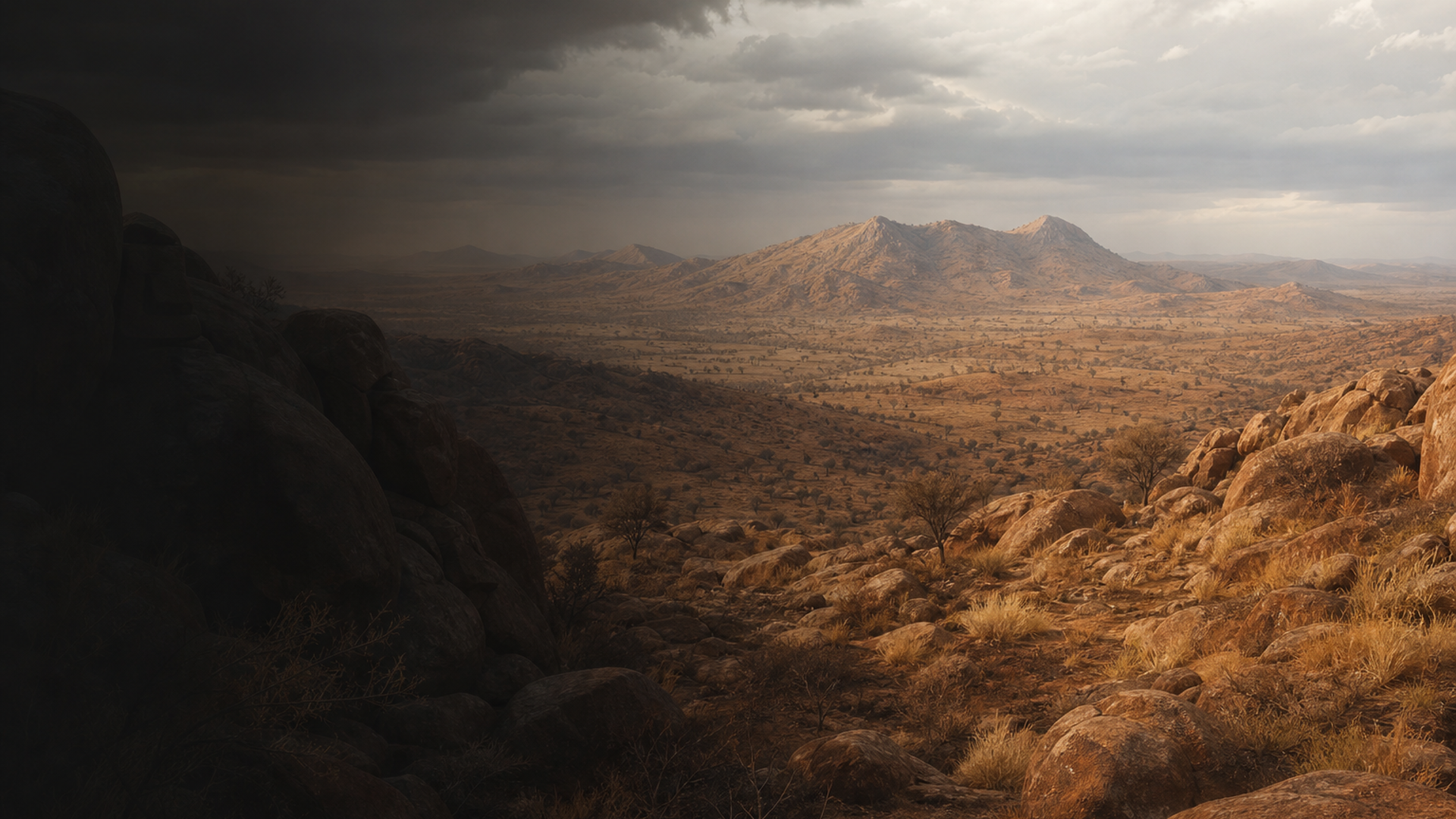
The materials and human remains associated with "Modern Botswana" sit within a deep southern African palimpsest. Archaeological data indicates that by 2000 CE the landscape bears layers of earlier hunter-gatherer, pastoralist and Bantu-speaking farmer occupations; the modern era overlays these long-term patterns with colonial-era infrastructure and urban expansion. Excavations and surface surveys in urban and peri-urban places across Botswana, and adjacent locales in northern Namibia, recover ceramics, metal objects and stratified refuse that reflect twentieth-century lifeways and regional trade networks.

Limited evidence suggests continuity in certain craft traditions—pottery shapes, leatherworking and iron tools—while other practices reflect rapid social change driven by state formation, missionary activity and global markets. For biological ancestry, genomic studies across southern Africa establish broad strokes: many present-day populations derive ancestry from ancient Khoe-San groups, intersected by gene flow associated with the Bantu expansion and later intercontinental contacts. However, the four samples from this dataset represent a very small window into that complexity. Archaeological contexts for these samples are modern or recent, meaning they capture living traditions and recent demographic events rather than deep prehistoric transitions.

In cinematic terms: the ground itself is layered like old film—patches of San trackways, Bantu farming plots, colonial roads—each frame contributing to the modern human story. Yet, with only four genomic frames, the full motion picture remains only partially developed. Further integrated excavation, ethnohistoric study, and broad genomic sampling are essential to reconstruct the origins and emergence of contemporary genetic and cultural landscapes in Botswana.

  • Modern contexts (circa 2000 CE) overlay millennia of occupation
  • Material culture reflects continuity and rapid change
  • Small sample set (n=4) limits deep chronological inferences
Chapter IV

Daily Life & Society

Archaeological traces of daily life in modern Botswana are often subtle: foundation remnants, refuse pits, postholes, household ceramics, and metal fragments that speak of cooking, storage, mobility, and craft. Ethnographic records and site surveys from regions across Botswana — from village compounds to expanding towns — document livelihoods built on mixed farming, cattle pastoralism, trade, and increasingly, wage labor in urban centers. The Setswana language and Tswana cultural practices are central to social identity for many communities, while Khoe-San languages and customs persist in specific groups and locales.

Material culture recovered from late twentieth- and early twenty-first-century contexts includes galvanized metal containers, glass beads, commercial ceramics, and modified traditional objects. These finds reveal entangled lifeways: cattle enclosures adjacent to modern houses, funerary items blending Christian and indigenous practices, and marketplaces that move goods across southern Africa. Archaeology captures this layered daily life: middens hold both traditional millet grains and imported processed foods; hearths contain residues of both local and global cooking traditions.

Genetically, daily life mirrors movement and connection. Marriage networks, seasonal labor migration, and market trade create pathways for gene flow. But because the dataset here comprises only four samples from Botswana and nearby Namibia, archaeological interpretations of everyday life and how it shaped genetic patterns are preliminary. Continued integrated study—combining living memory, material culture, and expanded genomic sampling—will better illuminate how daily routines shaped ancestry in the modern era.

  • Household assemblages reflect mixed farming and pastoralism
  • Urbanization and trade introduce new materials and gene flow
Chapter V

Genetic Profile

The genetic picture for Modern Botswana is tantalizing but currently fragmentary. This dataset includes four samples dated to around 2000 CE from Botswana and adjoining areas of Namibia. With such a small sample count, any population-level claims must be labeled preliminary. Archaeogenetic research across southern Africa has demonstrated major ancestry components: deep indigenous Khoe-San lineages, widespread Bantu-related ancestry linked to millennia-old expansions from western/central Africa, and varying degrees of later Eurasian admixture associated with Indian Ocean and colonial-era contacts. These broad patterns provide a contextual backdrop, but they cannot be directly inferred at high confidence from four modern-era samples.

Importantly, no common Y‑DNA or mtDNA haplogroups are reported for this small series, so haplogroup-based narratives cannot be constructed here. Instead, genetic interpretation should focus on qualitative possibilities: the samples may reflect local admixture dynamics in Botswana, signal persistence of Khoe-San maternal lineages in some communities, or reveal recent gene flow tied to urban migration. Each possibility must be tested with larger, geographically stratified sampling, high-coverage sequencing, and secure archaeological/origin metadata.

From a methodological standpoint, integrating archaeological provenience (site contexts, associated artifacts, radiocarbon where applicable) with genomic data is essential. Only by expanding both the number of samples and the geographic and social breadth of sampling can researchers move from evocative hypotheses to robust conclusions about ancestry, mobility, and continuity in modern Botswana.

  • Sample count is very low (n=4): conclusions are preliminary
  • No Y- or mtDNA haplogroups reported; broader genomic context suggests Khoe-San and Bantu admixture in the region
Chapter VI

Legacy & Modern Connections

The legacy of these modern-era finds is as much cultural as biological. Archaeological traces from the modern period preserve the textures of community life—ceramic shards in a yard, fence lines for cattle, hybrid funerary goods—that tie living people to landscape histories stretching back millennia. Genetically, modern Botswana is part of a continental story of movement and mixture: threads of ancient Khoe-San ancestry are woven alongside Bantu-origin lineages and later global inputs. Yet with four samples, any direct link between specific archaeological practices and genetic lineages must remain tentative.

For communities and scholars alike, the crucial task is collaborative expansion: respectful permissioned sampling, ethical curation of remains and data, and research designs that center local stakeholders. When archaeology and genetics are combined with community narratives and documentary history, the result is a richer, more humane portrait of modern identity—one that reads like an evocative film strip of human resilience, adaptation, and connection across southern Africa.

  • Heritage reflects layered cultural continuity and recent change
  • Ethical, community-centered research is essential for deeper insight
AI 电源

AI 助手

就 Botswana — Modern Mosaic 文化提问

AI 助手 由DNAGENICS公司制作

解锁此特性
Ask questions about the Botswana — Modern Mosaic culture. Our AI assistant can explain genetic findings, historical context, archaeological evidence, and modern connections.
AI 样本分析

Botswana — Modern Mosaic 文化是人类历史中值得了解的一章……

遗传分析揭示了与早期种群的联系,同时显示了独特的适应和文化创新的证据。 古代DNA样本提供了对迁徙模式、社会结构以及古代种群之间的生物关系的深刻见解。

这是人工智能分析的预览。 解锁全AI 助手, 以探索关于:

  • 遗传组成和祖先
  • 移徙模式和起源
  • 日常生活和文化习俗
  • 现代遗传遗产

探索更古老的文化

揭开古代世界文明的故事

使用优惠码 可减免 35% • 11月12日 到期




