Bulgaria_C Chalcolithic Cluster

下载的 PDF 是图像副本。如需可选中文本及更好的辅助技术支持,请使用打印功能。

跳转到主内容
文明焦点

Bulgaria_C Chalcolithic Cluster

A Chalcolithic community in central and northeastern Bulgaria (5468–4245 BCE) tied to Yunatsite, Smyadovo and other sites

5468 CE - 4245 BCE
Bulgaria (central & northeast)

剧情

Archaeogenetic and archaeological evidence from 14 individuals (5468–4245 BCE) across sites such as Yunatsite and Smyadovo reveals a community with predominantly Neolithic farmer maternal lineages (mtDNA K) and mixed paternal signals (R, G, F). Findings illuminate local continuity and cautious hints of external contact.

Time Period

5468–4245 BCE

Region

Bulgaria (central & northeast)

Common Y-DNA

R (2), G (1), F (1)

Common mtDNA

K (4), H1j, N, H7, U

时间线

5468 BCE

Earliest sampled individuals

First dated genetic samples for Bulgaria_C appear around 5468 BCE from sites like Yunatsite and Sushina, marking the beginning of the dataset's temporal span.

Origins & Emergence

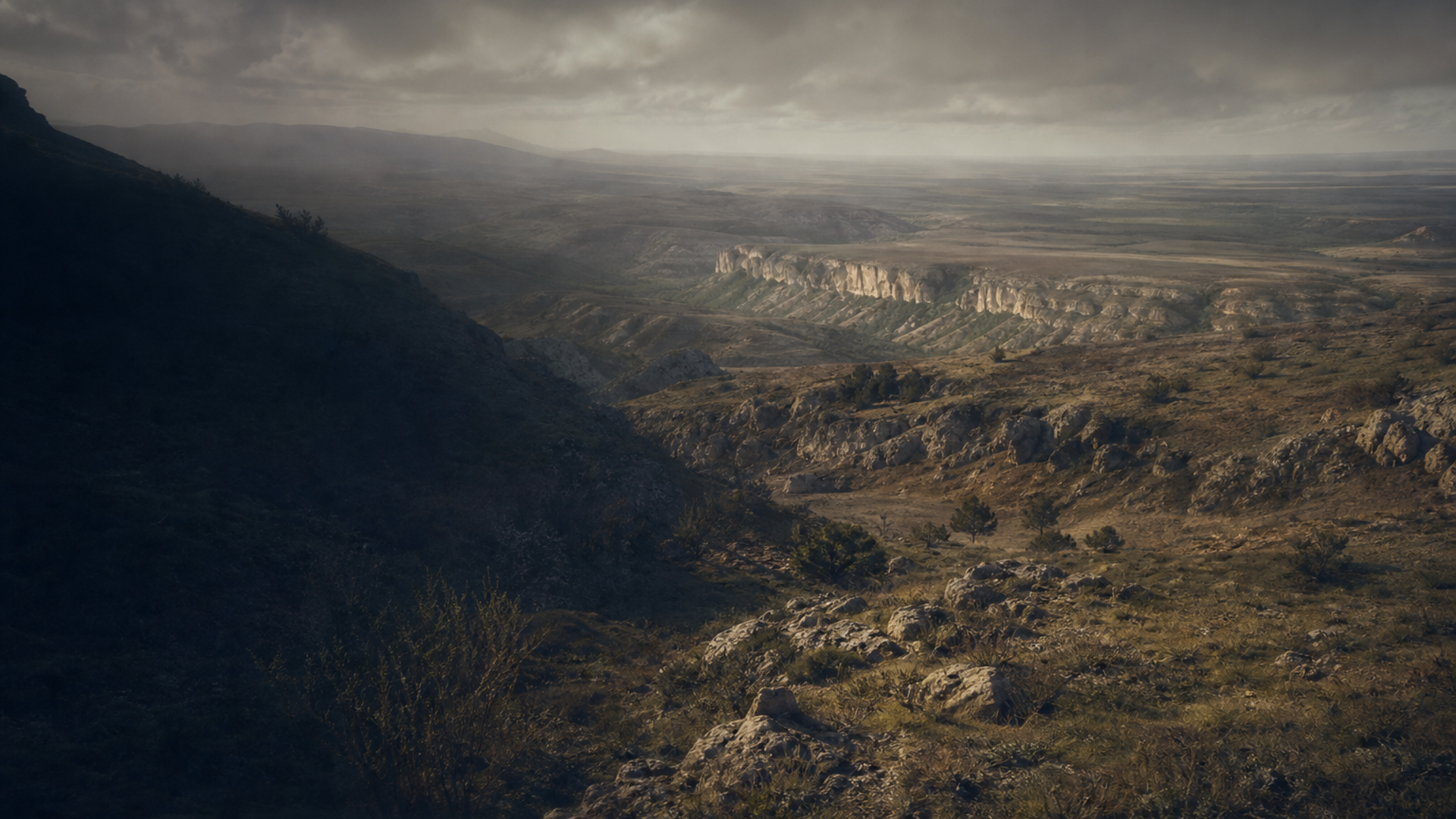
Archaeological data indicates that the group labeled Bulgaria_C occupies a transitional Chalcolithic horizon in central and northeastern Bulgaria between ca. 5468 and 4245 BCE. Human remains sampled for ancient DNA come from settlements and burial contexts at Yunatsite, Sushina, Ivanovo, Veliko Tarnovo, Dzhulyunitsa, Smyadovo and Samovodene. Material culture from some of these sites — settlement layers, pottery styles and burial practices — continues regional Neolithic traditions while also showing local innovations.

Genetically, the assemblage carries features typical of southeastern European farming communities: a predominance of maternal lineages associated with early farmers (notably mtDNA K) alongside a small diversity of paternal markers. Limited evidence suggests intermittent contact with neighboring groups to the north and west; however the sample set, while larger than many early studies (14 individuals), still provides a regional snapshot rather than a comprehensive demographic survey. Archaeological contexts imply continuity of farming lifeways, with incremental social and technological change rather than abrupt population replacement.

Taken together, the archaeological record and the genetic signatures portray a community rooted in Neolithic farming ancestry, adapting in place through the Chalcolithic with episodic external connections. Further sampling across Bulgaria will refine the timing and directionality of those contacts.

  • Dates: 5468–4245 BCE across multiple burial and settlement contexts
  • Sites: Yunatsite, Sushina, Ivanovo, Veliko Tarnovo, Dzhulyunitsa, Smyadovo, Samovodene
  • Evidence points to Neolithic continuity with local Chalcolithic change

Daily Life & Society

Archaeological contexts for Bulgaria_C suggest communities rooted in mixed farming, animal husbandry and pottery production. Excavations at Yunatsite and nearby tells reveal house remains, storage features and chipped stone and ceramic assemblages consistent with sedentary agricultural life. Grave goods are modest in many burials, indicating household-level economy with variable social differentiation rather than extreme inequality.

Economy likely centered on cereal cultivation, pulses, sheep and cattle, with seasonal rhythms set by the fertile plains and river valleys of central and northeastern Bulgaria. Craft activities — pottery, bone working and textile production inferred from tools — would have structured daily labor and exchange. Some sites show long-term occupation phases, implying stable land use and inherited farmland parcels.

Archaeological data indicates ritual and communal behaviors tied to settlement foci: clustered burials near habitation areas and re-use of particular enclosures. While material culture retains Neolithic continuity, small shifts in ceramic styles and tool types hint at networks of interaction. Mobility appears mostly local, but occasional exotic items and genetic signals point to episodic connections with neighboring groups.

Descriptions remain provisional: the combined sample of 14 genomes provides household- to community-scale perspectives but cannot capture the full social variability across the entire Chalcolithic Balkans.

  • Mixed farming and herding economy with sedentary village life
  • Modest grave goods and craft production indicate household-scale social structure

Genetic Profile

The genetic dataset for Bulgaria_C comprises 14 individuals dated between 5468 and 4245 BCE, a modest but informative sample size for regional inference. Maternally, the assemblage is dominated by mtDNA K (four individuals) — a lineage commonly associated with early European farmers — along with single occurrences of H1j, H7, N and U. This maternal profile aligns with a strong Neolithic farmer legacy in the Balkans, suggesting continuity of maternal ancestry from earlier Neolithic populations.

Paternally, the recovered Y-chromosome diversity includes two individuals assigned broadly to haplogroup R and single instances of G and F. Haplogroup G is frequently associated with Neolithic male lineages in Southeastern Europe, while R lineages are heterogeneous and may reflect multiple processes (local diversification, contact with distinct groups, or later lineal persistence). Given the temporal window (mid-6th to mid-5th millennium BCE), the presence of R should be interpreted cautiously: it does not necessarily indicate large-scale Steppe influx (which becomes more pronounced in later millennia), but may reflect regional genetic complexity and low-frequency contacts.
Genome-wide patterns (where available) tend to reflect predominant Anatolian-derived farmer ancestry with varying amounts of local hunter-gatherer admixture. Because the sample count is 14, conclusions about population turnover or migration dynamics are preliminary; additional genomes and higher-resolution Y-haplogroup subclades would clarify paternal line continuity versus incoming lineages.

  • mtDNA dominated by K — consistent with Neolithic farmer maternal ancestry
  • Y-DNA shows R (2), G (1), F (1), indicating mixed paternal signals and possible contacts

Legacy & Modern Connections

Archaeological and genetic traces of Bulgaria_C contribute to understanding the deep roots of southeastern European populations. The strong presence of farmer-associated maternal lineages (mtDNA K) ties these Chalcolithic communities to the broader Neolithic expansion from Anatolia, a legacy that persists in mitochondrial lineages seen across later European populations. Paternal diversity hints at complex male-line histories that would continue to evolve through the Bronze Age and beyond.

While direct genealogical links to modern Bulgarians cannot be asserted from this dataset alone, these genomes represent ancestral components that likely contributed to the genetic tapestry of the region. Cultural practices — farming strategies, settlement patterns and craft traditions visible at Yunatsite and Smyadovo — helped shape long-term human ecology in the Bulgarian plains. Future sampling and comparative analyses with later Bronze Age and historic populations will clarify how Bulgaria_C fits into the chain of ancestry leading to present-day communities.

  • Maternal lineages reflect continuity with early European farmers
  • Paternal diversity indicates regional complexity that later populations inherited

AI 助手

AI 助手 由DNAGENICS公司制作

解锁此特性
Ask questions about the Bulgaria_C Chalcolithic Cluster culture. Our AI assistant can explain genetic findings, historical context, archaeological evidence, and modern connections.
AI 样本分析

Bulgaria_C Chalcolithic Cluster 文化是人类历史中值得了解的一章……

遗传分析揭示了与早期种群的联系,同时显示了独特的适应和文化创新的证据。 古代DNA样本提供了对迁徙模式、社会结构以及古代种群之间的生物关系的深刻见解。

这是人工智能分析的预览。 解锁全AI 助手, 以探索关于:

  • 遗传组成和祖先
  • 移徙模式和起源
  • 日常生活和文化习俗
  • 现代遗传遗产
使用优惠码 可减免 30% • 11月15日 到期




