Butkara II — Swat Valley Iron Age

下载的 PDF 是图像副本。如需可选中文本及更好的辅助技术支持,请使用打印功能。

Butkara II — Swat Valley Iron Age

揭开一个失落的文明

正在加载考古记录……

正在收集古代记录

跳转到主内容
Butkara II — Swat Valley Iron Age
文明焦点

Butkara II — Swat Valley Iron Age

A small but evocative genetic window into an Iron Age religious center, 1000–785 BCE

1000 CE - 785 BCE
Swat Valley, Pakistan
滚动开始
Chapter I

剧情

了解 Butkara II — Swat Valley Iron Age 文化

Archaeological remains from Butkara II in Swat Valley (1000–785 BCE) paired with five ancient genomes reveal a mixed genetic picture: Y haplogroups dominated by R and presence of J; maternal lineages include U, HV, M, W. Limited samples make conclusions preliminary.

Time Period

1000–785 BCE

Region

Swat Valley, Pakistan

Common Y-DNA

R (predominant), J

Common mtDNA

U, HV, M, W

Chapter II

时间线

这种文化历史上的关键时刻

1000 BCE

Butkara II active as Iron Age center

Archaeological evidence indicates ritual and communal occupation at Butkara II around the start of the first millennium BCE.

785 BCE

Latest sampled individuals

The most recent radiocarbon-calibrated genomes from the site date to about 785 BCE, framing the sampled interval.

Chapter III

Origins & Emergence

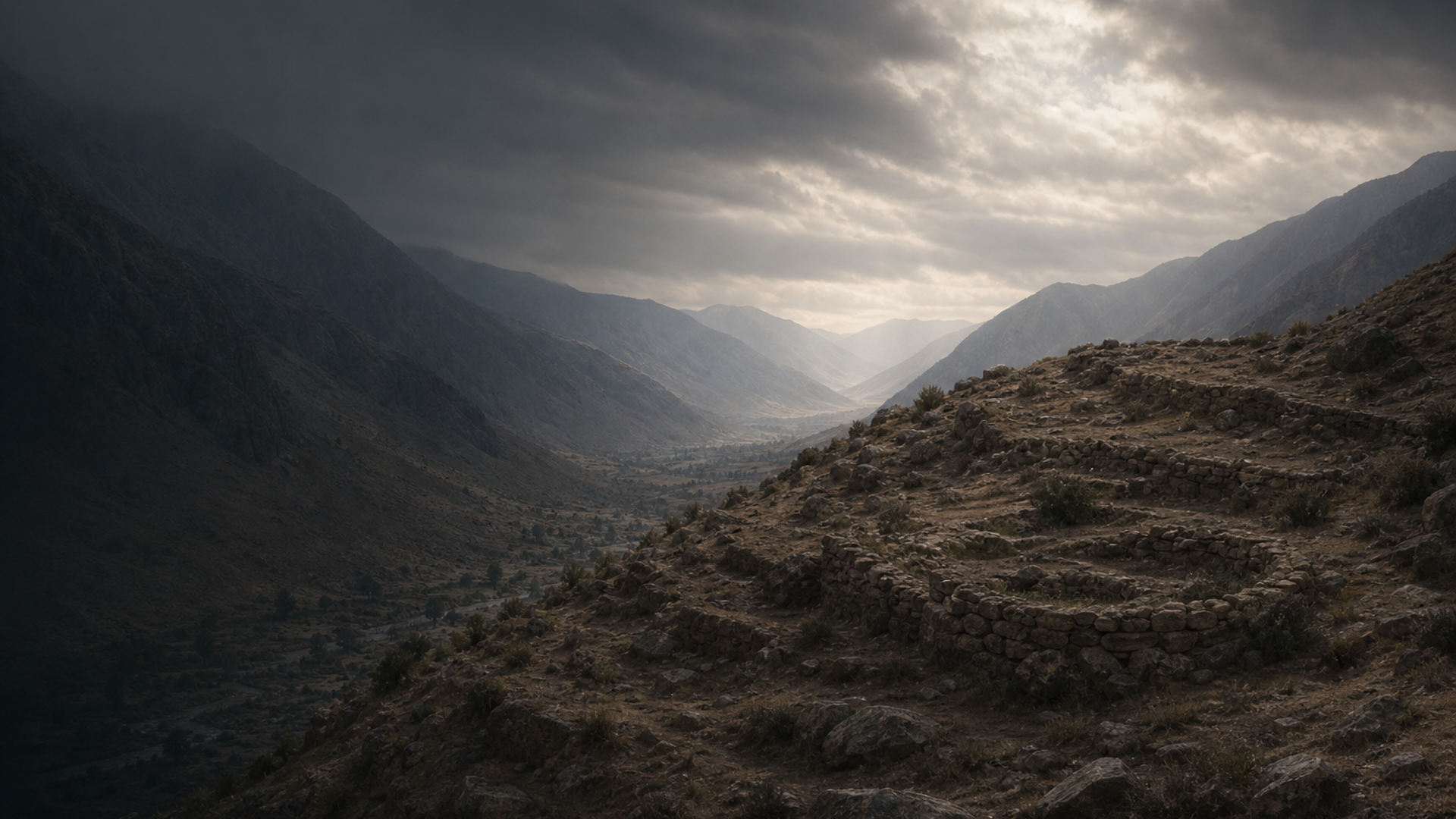
Under the long sweep of the Hindu Kush foothills, Butkara II in the Swat Valley emerges in the archaeological record as an Iron Age locus of ritual and communal life between roughly 1000 and 785 BCE. Excavations and survey work in the Butkara area reveal stratified deposits and localized concentrations of ritual architecture that signal an enduring cultural presence. Archaeological data indicates continuity of place: the valley’s deep river slots and fertile terraces supported farming communities while also anchoring pilgrimage and ritual locales.

Genetic data from five sampled individuals provides a tentative glimpse of the people who used these spaces. The predominance of Y-chromosome R lineages among the small set of male individuals is consistent with wider patterns of West Eurasian-associated ancestry in parts of northern South Asia during the first millennium BCE, while the presence of J hints at Near Eastern connections. Maternal lineages are mixed (U, HV alongside M and W), suggesting complex local and regional networks of descent and mobility. Limited evidence suggests these genetic signatures reflect both local continuity and incoming influences; however, with only five genomes the picture remains preliminary and subject to revision as more samples and direct archaeological associations become available.

  • Butkara II occupied as an Iron Age ritual center, 1000–785 BCE
  • Stratified archaeological deposits indicate long-term local use
  • Genetic signals suggest mixed local and West Eurasian influences
Chapter IV

Daily Life & Society

Archaeological traces from the Swat Valley reveal a landscape of fields, lanes, and ritual precincts where everyday labor met formal performance. At Butkara II, pottery sherds, small stone tools, and fragments of worked metal recovered from surface and stratigraphic contexts point to agriculture, craft production, and exchange. Archaeological data indicates spaces used for communal rites—shrines, curated deposits, and assemblages that would have structured seasonal and life-cycle ceremonies.

The social life of the valley likely blended household production with regional networks of movement. The presence of diverse maternal haplogroups (U, HV, M, W) in the genetic sample aligns with an expectation of incoming and local female lineages, which may reflect exogamous marriage patterns or the mobility of women through trade and pilgrimage routes. Material culture suggests small-scale metallurgy and craft specialization, while landscape evidence implies irrigation and mixed farming. Limited excavation coverage and the small genetic sample size mean these reconstructions are provisional: each artifact, hearth, or burial context still has the power to change our view of daily practice at Butkara II.

  • Evidence for agriculture, craft production, and local metallurgy
  • Material and genetic diversity imply regional mobility and exchange
Chapter V

Genetic Profile

Five ancient genomes sampled from burials and contexts attributed to Butkara II (Swat Valley, Pakistan) date between 1000 and 785 BCE. Y-chromosome results show three individuals carrying haplogroup R and one carrying J (one male may be undetermined in published calls); mitochondrial haplogroups in the five individuals are U (2), HV (1), M (1), and W (1). These data suggest a mixed ancestry profile blending lineages typically associated with West Eurasian maternal and paternal markers alongside South/Central Asian maternal lineages.

Caution is essential: with fewer than ten genomes the dataset is preliminary. Still, the predominance of Y-R in this small set is consistent with broader patterns in northern South Asia where R-lineages are frequent in late Bronze and Iron Age contexts and often interpreted as signals of West Eurasian-related male-mediated ancestry. The presence of mtDNA M—widespread in South and Central Asia—alongside U and HV points to local maternal continuity or integration of diverse maternal sources. The difference between predominantly R Y-lineages and a mixed set of maternal haplogroups could indicate sex-biased mobility or marriage networks, but archaeological correlation is limited. Further sampling across well-dated contexts at Butkara II and neighboring sites is required to test hypotheses about population movement, social organization, and the relationship between genetic change and cultural transformation.

  • Five genomes: Y haplogroups R (3) and J (1); mtDNA U (2), HV, M, W
  • Patterns suggest mixed West Eurasian and local South/Central Asian ancestry, but sample size is small
Chapter VI

Legacy & Modern Connections

The genetic and archaeological traces from Butkara II underscore the deep entanglement of local tradition and long-distance connections across the first millennium BCE. Many of the haplogroups observed—R, J, U, HV, M, W—continue to occur across populations of Pakistan and neighboring regions today. This continuity does not imply direct one-to-one ancestry for any single community, but it does signal enduring biological and cultural interactions in the Swat corridor: routes of trade, marriage, and ritual that have shaped human landscapes for millennia.

Because the dataset is small, statements about continuity or replacement must remain tentative. Expanded ancient DNA sampling, coupled with targeted excavation and improved chronological control at Butkara II and nearby sites, will clarify how these early Iron Age communities contributed to the genetic and cultural mosaic of South Asia.

  • Haplogroups seen at Butkara II persist in modern South Asian populations
  • More samples and context needed to trace direct lines of ancestry
AI 电源

AI 助手

就 Butkara II — Swat Valley Iron Age 文化提问

AI 助手 由DNAGENICS公司制作

解锁此特性
Ask questions about the Butkara II — Swat Valley Iron Age culture. Our AI assistant can explain genetic findings, historical context, archaeological evidence, and modern connections.
AI 样本分析

Butkara II — Swat Valley Iron Age 文化是人类历史中值得了解的一章……

遗传分析揭示了与早期种群的联系,同时显示了独特的适应和文化创新的证据。 古代DNA样本提供了对迁徙模式、社会结构以及古代种群之间的生物关系的深刻见解。

这是人工智能分析的预览。 解锁全AI 助手, 以探索关于:

  • 遗传组成和祖先
  • 移徙模式和起源
  • 日常生活和文化习俗
  • 现代遗传遗产

探索更古老的文化

揭开古代世界文明的故事

使用优惠码 可减免 35% • 11月12日 到期