Çamlıbel Tarlası: Late Chalcolithic Echoes

下载的 PDF 是图像副本。如需可选中文本及更好的辅助技术支持,请使用打印功能。

Çamlıbel Tarlası: Late Chalcolithic Echoes

揭开一个失落的文明

正在加载考古记录……

正在收集古代记录

跳转到主内容
Çamlıbel Tarlası: Late Chalcolithic Echoes
文明焦点

Çamlıbel Tarlası: Late Chalcolithic Echoes

Twelve individuals from Çorum Province illuminate Anatolian farmer lineages and regional Y‑G signatures.

3651 CE - 3376 BCE
Çorum Province, Turkey (Çamlıbel Tarlası)
滚动开始
Chapter I

剧情

了解 Çamlıbel Tarlası: Late Chalcolithic Echoes 文化

Human remains from Çamlıbel Tarlası (3651–3376 BCE) connect Late Chalcolithic life in central Anatolia to Neolithic farmer mtDNA lineages and regional Y‑DNA G haplogroups, offering a cautious window into population history and local continuity.

Time Period

3651–3376 BCE

Region

Çorum Province, Turkey (Çamlıbel Tarlası)

Common Y-DNA

G (4 of 12)

Common mtDNA

K (6), HV1 (2), T2b (1), H5 (1), U (1)

Chapter II

时间线

这种文化历史上的关键时刻

3651 BCE

Late Chalcolithic burials dated at Çamlıbel Tarlası

Human remains from Çamlıbel Tarlası are radiocarbon‑dated to c. 3651–3376 BCE, marking a Late Chalcolithic occupation in central Anatolia.

Chapter III

Origins & Emergence

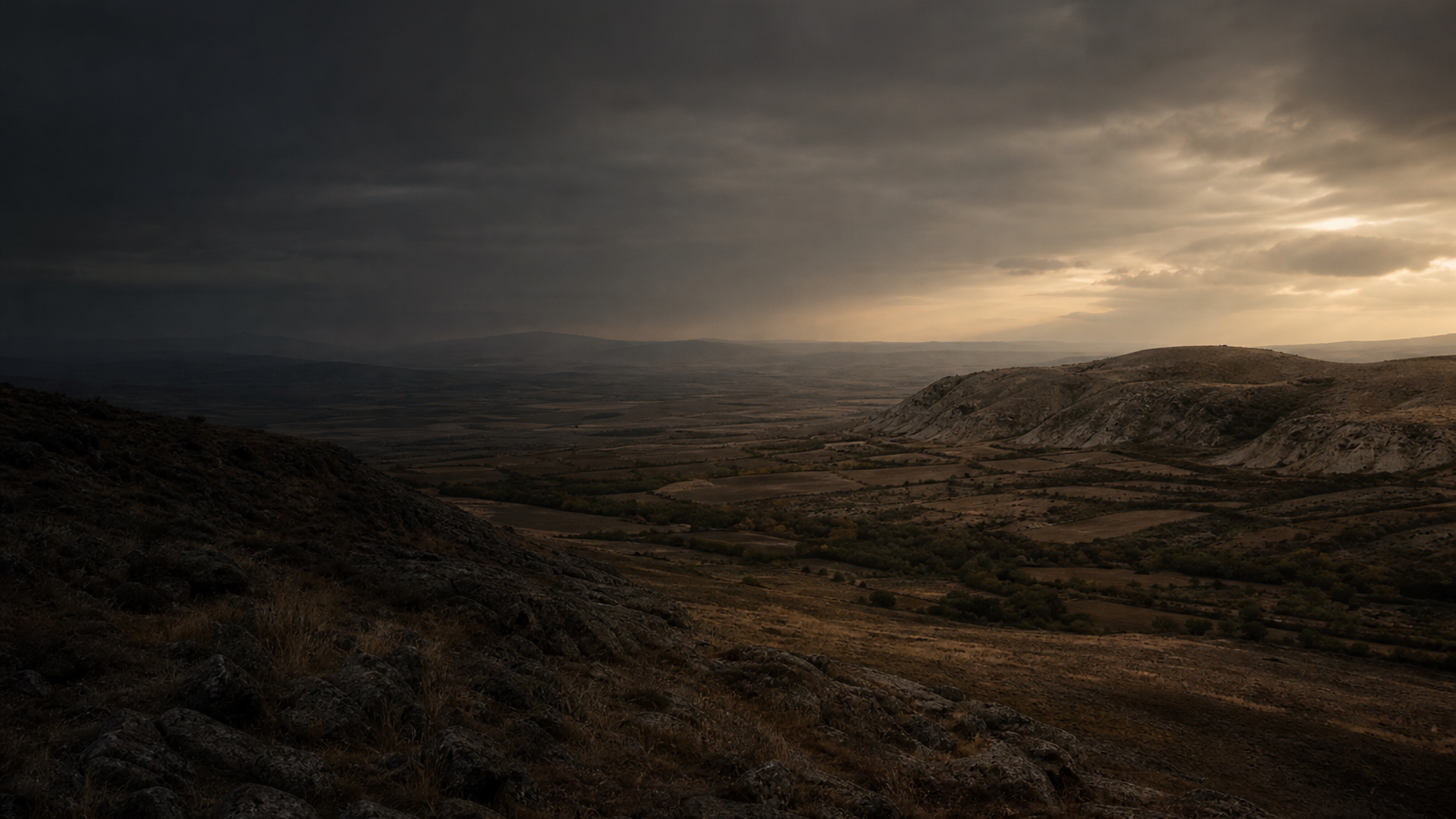
Beneath the wind-scoured plateau of Çorum Province, the Late Chalcolithic layers at Çamlıbel Tarlası (dated 3651–3376 BCE) hold skeletons that bridge the Neolithic agricultural revolution and later Bronze Age transformations. Archaeological data indicates occupation during a period when communities in central Anatolia intensified farming, crafted fine ceramics, and negotiated long-distance exchange networks. Material remains from nearby Late Chalcolithic sites suggest settlement continuity in the region, though large-scale urbanism had not yet appeared.

The genetic signal from the Çamlıbel Tarlası individuals aligns with this archaeological picture: maternal lineages dominated by mtDNA K and paternal lineages with a notable presence of haplogroup G point to ancestry related to Anatolian and Near Eastern farming populations rather than purely steppe-derived groups. Limited stratigraphic resolution and the moderate sample size mean interpretations must remain cautious; however, the combined archaeological and genetic evidence paints a scene of rooted farming households, local social networks, and selective interaction with neighbouring regions.

  • Site: Çamlıbel Tarlası, Çorum Province, Turkey; dated 3651–3376 BCE.
  • Occupation fits regional Late Chalcolithic settlement and farming patterns.
  • Genetic and material culture suggest continuity with Anatolian Neolithic farmer traditions.
Chapter IV

Daily Life & Society

The lives behind the bones at Çamlıbel Tarlası can be imagined through surviving traces: pottery sherds, grinding stones, and the spatial patterning of burials indicate small, organized communities anchored to agriculture. Archaeological data indicates households engaged in cereal cultivation, herding, and craft production; seasonality of resources and local ecology shaped seasonal labor and social rituals around harvest and burial.

Burial placement and grave assemblages at contemporaneous Central Anatolian sites imply structured social practices and potentially varying statuses, though direct evidence from the Çamlıbel assemblage is limited. The interplay of everyday objects and genetic kinship can reveal family ties — mitochondrial haplogroups clustered in some burials may reflect matrilineal continuities within households, while Y‑chromosome patterns hint at patrilineal or localized male line persistence. These glimpses, poetic in detail yet rooted in fragments, speak to communities negotiating landscape, memory, and identity.

  • Economy centered on farming, herding, and household crafts.
  • Burial patterns and genetic markers suggest family-based community structures.
Chapter V

Genetic Profile

Twelve Late Chalcolithic individuals from Çamlıbel Tarlası provide a modest but informative ancient DNA dataset. Maternal lineages are dominated by mtDNA K (6/12), with additional haplogroups HV1 (2), T2b (1), H5 (1), and U (1). These maternal types are commonly associated with Neolithic and post‑Neolithic farmer populations in Anatolia and the Near East, consistent with archaeological expectations of agricultural communities.

On the paternal side, haplogroup G appears in 4 of the 12 male-associated samples. Y‑G is observed in multiple Near Eastern and Caucasus contexts and is often interpreted as part of the broader Anatolian/Levantine genetic substrate rather than a steppe‑derived signature. The mix of mtDNA and Y‑DNA here suggests population continuity with earlier Neolithic groups, along with the possibility of regional gene flow.

Caveats: with 12 samples the dataset is moderate — not exhaustive. While patterns point toward Anatolian farmer ancestry and local male continuity, the sample size and geographic coverage limit fine-grained inference about social structure, migration pulses, or sex-biased mobility. Future larger datasets and wider regional comparisons will refine these early conclusions.

  • mtDNA dominated by K (6 of 12), indicating Neolithic farmer maternal ancestry.
  • Y‑DNA shows a notable presence of haplogroup G (4 of 12), consistent with regional Anatolian/Caucasus affinities.
Chapter VI

Legacy & Modern Connections

The Çamlıbel Tarlası assemblage offers a cinematic moment where dusted bone meets sequence reads: echoes of Anatolian farming lineages persist into later millennia and contribute to the genetic tapestry of the region. Archaeogenetic continuity in maternal lineages like mtDNA K suggests that elements of the Neolithic demographic transition remained resilient in central Anatolia through the Late Chalcolithic.

While modern populations in Anatolia are the product of many later movements, the Çamlıbel data underscore a durable component of Near Eastern farmer ancestry in the region. These remains do not map directly onto any single modern group, but they help anchor models that trace how early agricultural communities shaped the genetic foundations of Anatolia.

  • Contributes to evidence for Anatolian farmer ancestry persisting into the Chalcolithic.
  • Provides anchor points for models of regional genetic continuity and later population change.
AI 电源

AI 助手

就 Çamlıbel Tarlası: Late Chalcolithic Echoes 文化提问

AI 助手 由DNAGENICS公司制作

解锁此特性
Ask questions about the Çamlıbel Tarlası: Late Chalcolithic Echoes culture. Our AI assistant can explain genetic findings, historical context, archaeological evidence, and modern connections.
AI 样本分析

Çamlıbel Tarlası: Late Chalcolithic Echoes 文化是人类历史中值得了解的一章……

遗传分析揭示了与早期种群的联系,同时显示了独特的适应和文化创新的证据。 古代DNA样本提供了对迁徙模式、社会结构以及古代种群之间的生物关系的深刻见解。

这是人工智能分析的预览。 解锁全AI 助手, 以探索关于:

  • 遗传组成和祖先
  • 移徙模式和起源
  • 日常生活和文化习俗
  • 现代遗传遗产

探索更古老的文化

揭开古代世界文明的故事

使用优惠码 可减免 35% • 11月12日 到期