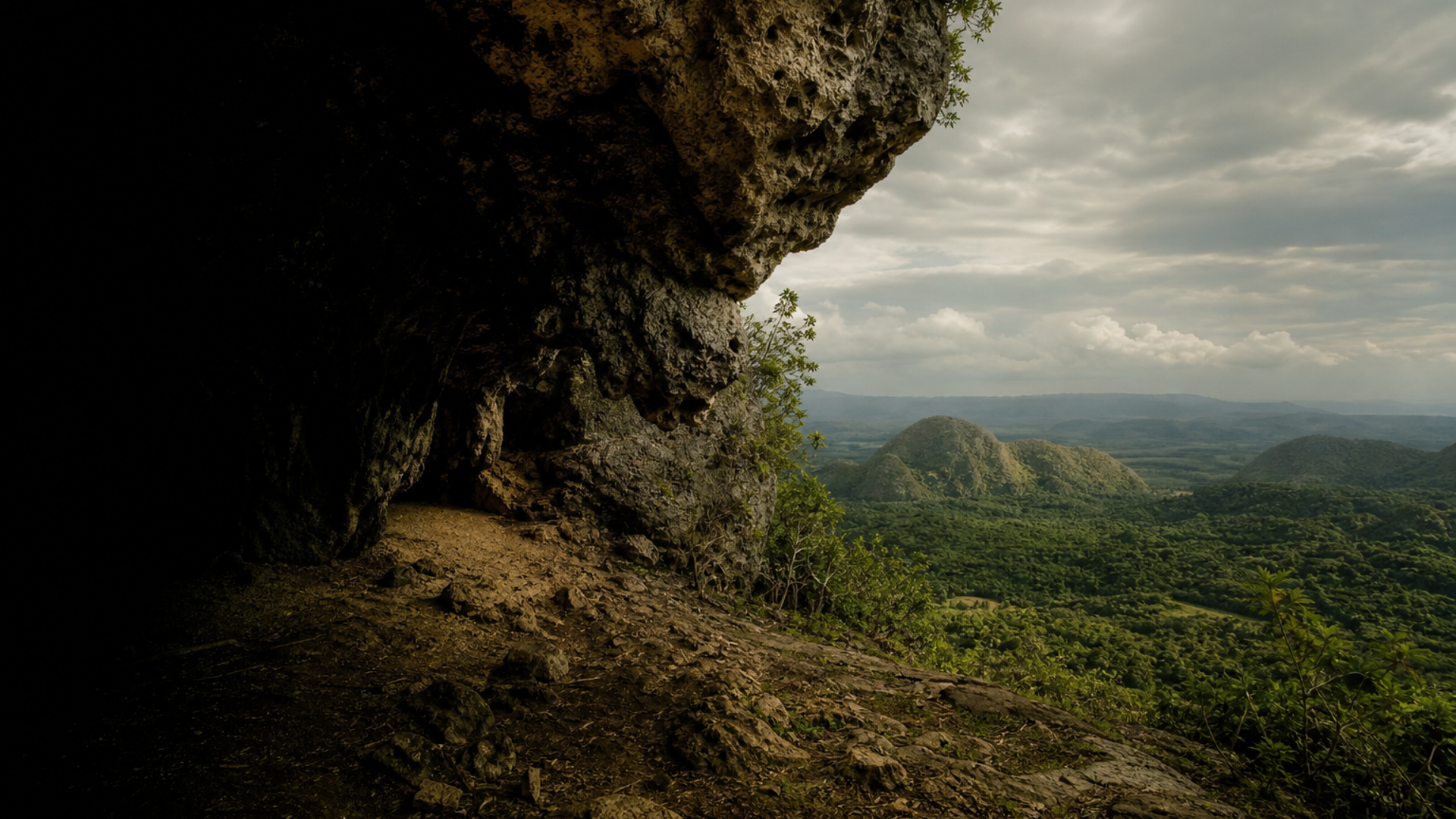
Canimar Abajo: Cuba's Preceramic Voices

下载的 PDF 是图像副本。如需可选中文本及更好的辅助技术支持,请使用打印功能。

Canimar Abajo: Cuba's Preceramic Voices

揭开一个失落的文明

正在加载考古记录……

正在收集古代记录

跳转到主内容
Canimar Abajo: Cuba's Preceramic Voices
文明焦点

Canimar Abajo: Cuba's Preceramic Voices

Late Preceramic remains from northwestern Cuba where bones and genomes whisper island origins.

591 CE - 944 CE
Canimar Abajo, Matanzas, Northwestern Cuba
滚动开始
Chapter I

剧情

了解 Canimar Abajo: Cuba's Preceramic Voices 文化

Archaeological and genetic data from Canimar Abajo (Matanzas, Cuba) dated 591–944 CE reveal a small Preceramic community with mtDNA dominated by D1 and C haplogroups. With only four samples, conclusions are preliminary but link island lifeways to broader Caribbean Archaic ancestries.

Time Period

591–944 CE (late Preceramic)

Region

Canimar Abajo, Matanzas, Northwestern Cuba

Common Y-DNA

Undetermined / not reported

Common mtDNA

D1 (3), C (1)

Chapter II

时间线

这种文化历史上的关键时刻

591 CE

Earliest dated Canimar Abajo individual

One sampled individual from Canimar Abajo dates to 591 CE, anchoring the site's late Preceramic chronology.

944 CE

Latest dated Canimar Abajo individual

The most recent of the sampled individuals dates to 944 CE, indicating persistence of Preceramic-associated lifeways into the first millennium CE.

2500 BCE

Early Archaic migrations into the Caribbean (approx.)

Broad archaeological models place initial Archaic arrivals into the Greater Antilles millennia before the Common Era, setting the stage for island Preceramic communities.

Chapter III

Origins & Emergence

On the low limestone terraces near the modern mouth of the Canímar River, archaeologists have recovered human remains and ephemeral cultural material that speak to a long-standing Archaic presence in the Greater Antilles. Radiocarbon dates associated with the sampled individuals fall between 591 and 944 CE — late for what is traditionally called "Preceramic" — suggesting either enduring lifeways that persisted after the arrival of ceramics elsewhere, or contexts in which older material practices coexisted with new influences. Archaeological data indicate shoreline foraging, exploitation of coastal wetlands, and use of marine resources, while the scarcity of diagnostic artifacts at the burial locus makes cultural assignment cautious.

Regional syntheses place the initial movement of Archaic (Preceramic) populations into the Caribbean millennia earlier; those broad migration events set the demographic stage for later island communities like the people at Canimar Abajo. Limited evidence suggests continuity in coastal adaptation, but site-specific taphonomy and later disturbance mean that interpretations must remain provisional. The material record here invites a cinematic image: small groups moving along luminous coasts, carrying traditions of navigation and resource knowledge that would leave faint but traceable marks in both bones and genomes.

  • Site: Canimar Abajo, Matanzas province, NW Cuba
  • Dates from sampled individuals: 591–944 CE
  • Archaeological context suggests coastal foraging and long-term Archaic persistence
Chapter IV

Daily Life & Society

The material footprint of the Canimar Abajo community is subtle: middens of shell, scattered tools of stone and bone, and burial features set into the coastal plain. Such traces suggest lifeways shaped by a sea-girt environment — fish, crustaceans, and mangrove resources would have provided caloric staples, while terrestrial plants and small mammals supplemented the diet. The mortuary evidence, limited but evocative, implies care for the dead and localized social memory expressed through placement in the landscape.

Architectural remains are not prominent at the locus, pointing toward transient or dispersed settlement patterns rather than large, sedentary villages. Craft and mobility likely structured social ties: canoe journeys, seasonal rounds, and inter-island exchange could have woven networks across the Cuban archipelago. Ethnographic analogy and archaeological parallels across the Greater Antilles suggest flexible household units and strong coastal knowledge transmission. Yet, because excavation at Canimar Abajo yields few artifacts and only a handful of burials, reconstructions of social hierarchy, ritual, and economy remain inferential and should be treated as working hypotheses rather than firm reconstructions.

  • Economy centered on coastal foraging and fishing
  • Transient or dispersed settlement patterns with modest material culture
Chapter V

Genetic Profile

Ancient DNA from four individuals at Canimar Abajo provides a narrow but informative window into maternal ancestry. Three of the four individuals carry mtDNA haplogroup D1 and one carries haplogroup C. Both lineages are well-attested in Native American populations and are consistent with broader patterns observed in Archaic and early Indigenous Caribbean genomes. These mitochondrial haplogroups point to deep connections with continental source populations that originally peopled the Americas, reflecting maternal lines that persisted in the insular context.

Important caveats: the sample count is small (n = 4). With fewer than ten samples, population-level inferences are preliminary; the observed predominance of D1 might reflect chance, family relationships within the burial sample, or true local continuity. Y-chromosome data are not reported for these individuals, so paternal lineages remain unknown. Genome-wide data would be required to resolve questions about admixture, relatedness among individuals, and affinities to other Caribbean and mainland groups. Archaeological patterns and these maternal markers together tentatively support a model of Archaic-derived island populations maintaining genetic continuity in the face of later cultural changes — but more samples are needed to test this scenario rigorously.

  • mtDNA: D1 (3 individuals), C (1 individual)
  • Sample count is small (4); conclusions are preliminary and require more data
Chapter VI

Legacy & Modern Connections

The genetic echoes preserved at Canimar Abajo remind us that modern Caribbean populations are layered palimpsests of ancient movements. mtDNA lineages like D1 and C persist in contemporary Indigenous-descended and admixed populations across the Americas, indicating enduring maternal connections. Archaeologically, the site illuminates a strand of lifeways — coastal expertise, mobility, and resilience — that fed into later histories of the island.

Because the dataset is limited, the clearest legacy is methodological: small ancient DNA series from under-sampled regions like Cuba can transform our narratives when integrated with careful excavation, radiocarbon dating, and wider comparative sequencing. These four genomes act as beacons, urging expanded sampling and respectful collaboration with local communities to deepen our understanding of how the human story unfolded along Cuba's luminous shores.

  • mtDNA lineages at Canimar Abajo link to wider Native American maternal ancestries
  • Small ancient DNA samples highlight the need for more research and community collaboration
AI 电源

AI 助手

就 Canimar Abajo: Cuba's Preceramic Voices 文化提问

AI 助手 由DNAGENICS公司制作

解锁此特性
Ask questions about the Canimar Abajo: Cuba's Preceramic Voices culture. Our AI assistant can explain genetic findings, historical context, archaeological evidence, and modern connections.
AI 样本分析

Canimar Abajo: Cuba's Preceramic Voices 文化是人类历史中值得了解的一章……

遗传分析揭示了与早期种群的联系,同时显示了独特的适应和文化创新的证据。 古代DNA样本提供了对迁徙模式、社会结构以及古代种群之间的生物关系的深刻见解。

这是人工智能分析的预览。 解锁全AI 助手, 以探索关于:

  • 遗传组成和祖先
  • 移徙模式和起源
  • 日常生活和文化习俗
  • 现代遗传遗产

探索更古老的文化

揭开古代世界文明的故事

使用优惠码 可减免 35% • 11月12日 到期