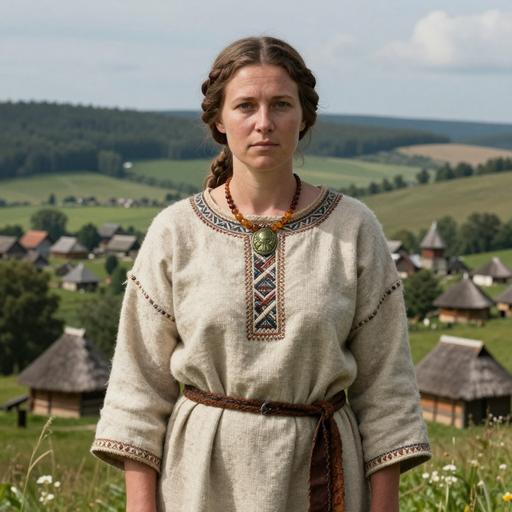
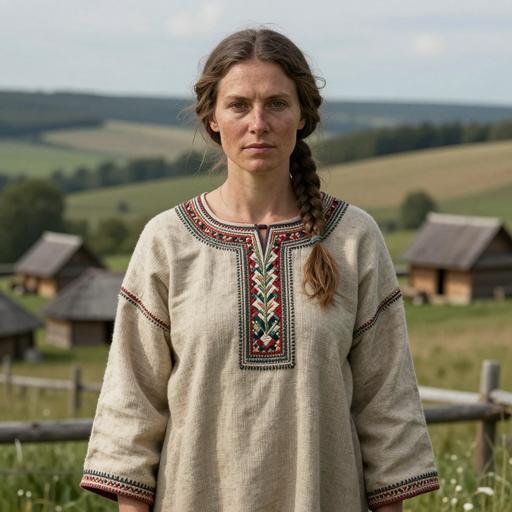
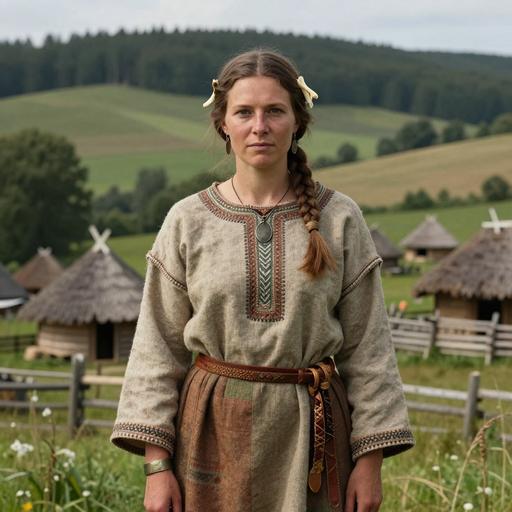
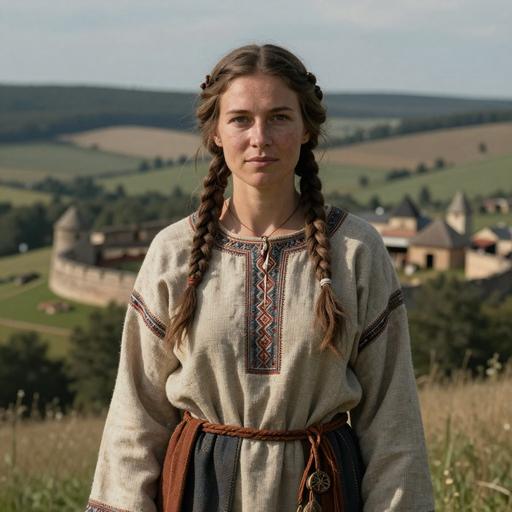
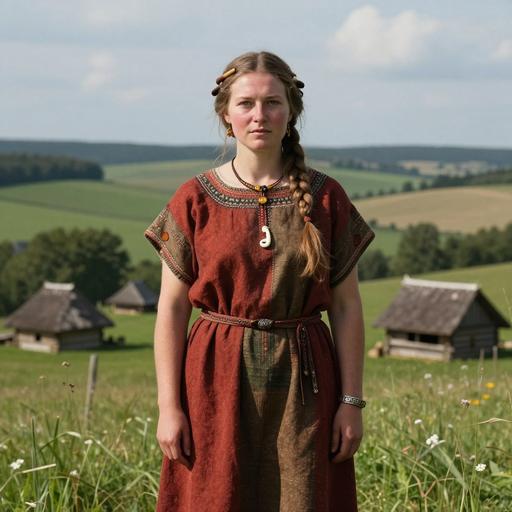
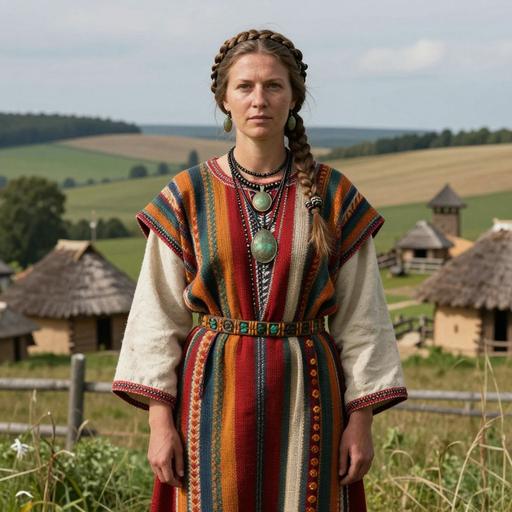
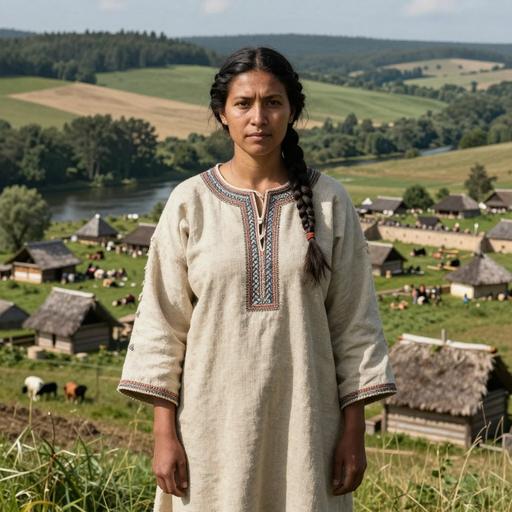
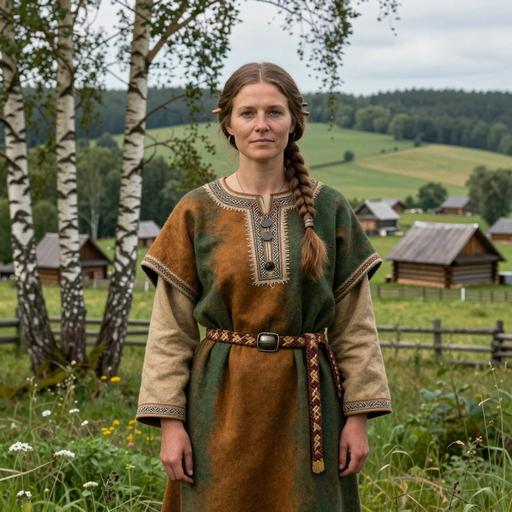
Celtic‑Influenced Communities of Niemcza

下载的 PDF 是图像副本。如需可选中文本及更好的辅助技术支持,请使用打印功能。

Celtic‑Influenced Communities of Niemcza

揭开一个失落的文明

正在加载考古记录……

正在收集古代记录

跳转到主内容
Celtic‑Influenced Communities of Niemcza
文明焦点

Celtic‑Influenced Communities of Niemcza

Archaeology and DNA illuminate Celtic motifs and mixed ancestries across medieval Polish sites

776 CE - 1200 CE
Poland (Lower Silesia, Kuyavian-Pomeranian, Opole, Greater Poland)
20 Ancient Samples
滚动开始
Chapter I

剧情

了解 Celtic‑Influenced Communities of Niemcza 文化

Archaeological and genetic data from 53 individuals (776–1200 CE) at Niemcza, Markowice, Groszowice, Ostrów Lednicki and Milicz reveal Celtic-influenced material culture integrated into local Iron Age traditions. Genetic patterns show maternal continuity (H, U, T) alongside unexpected paternal lineages, highlighting mobility and cultural exchange in medieval Poland.

Time Period

776–1200 CE

Region

Poland (Lower Silesia, Kuyavian-Pomeranian, Opole, Greater Poland)

Common Y-DNA

L, CTS, I, R, FGC

Common mtDNA

H, U, T (incl. T2b), J

Chapter II

时间线

这种文化历史上的关键时刻

776 CE

Earliest dated activity in dataset

First archaeological and genetic samples in this collection date to 776 CE, marking the beginning of observed cultural layering at the included sites.

1000 CE

Peak of regional craft and exchange

Archaeological layers indicate intensive craft production and increased exchange of decorative motifs around the 10th–11th centuries CE.

1200 CE

Latest samples in the series

The most recent dated contexts in the dataset fall near 1200 CE, closing the primary chronological window for these cultural interactions.

Chapter III

Origins & Emergence

Archaeological data indicates that from the late 8th century CE this cluster of sites—Niemcza (Lower Silesian Province), Markowice (Kuyavian-Pomeranian), Groszowice (Opole), Ostrów Lednicki (Greater Poland) and Milicz—contained material traits described as "Celtic‑influenced." These traits appear layered onto local Iron Age traditions (Groszowice, Markowice, Milicz, Niemcza, Ostrów Lednicki cultures), suggesting a regional palimpsest of styles rather than a wholesale population replacement.

Artifacts such as weapon fittings, fibulae variants, ring‑motifs and ornamental metalwork reflect iconographic links to La Tène‑style art but are often hybridized with distinct local forms. Radiocarbon dates and stratigraphic contexts place primary activity across the 776–1200 CE window, a period of intense cultural reorganization in Central Europe.

Limited evidence suggests these stylistic currents traveled via trade, craftsmen mobility, and perhaps elite emulation, rather than simple mass migration. Archaeological layers at Ostrów Lednicki and Niemcza include fortified enclosures and craft production zones that imply social centers capable of absorbing foreign motifs.

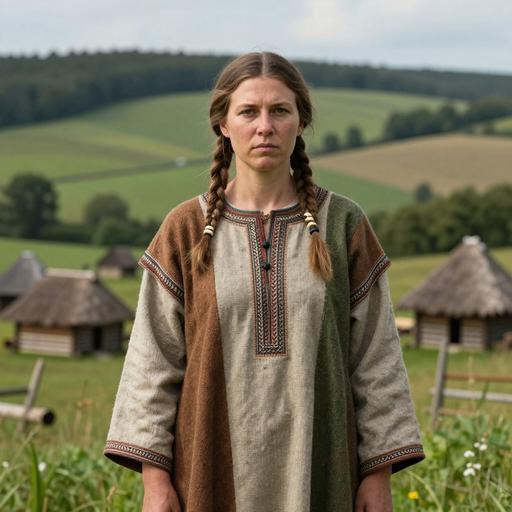
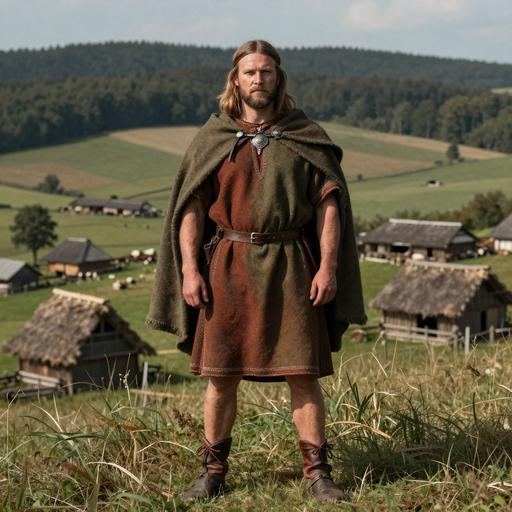
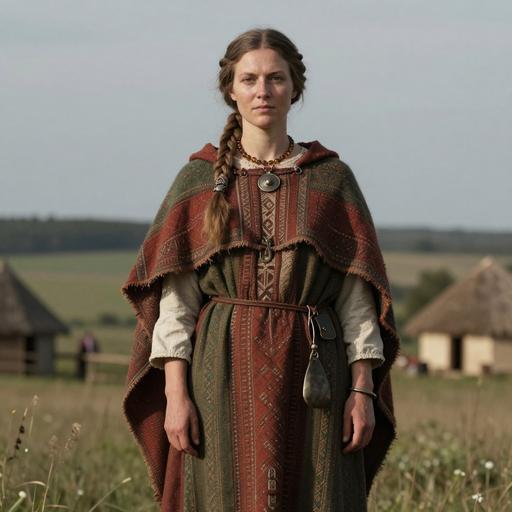
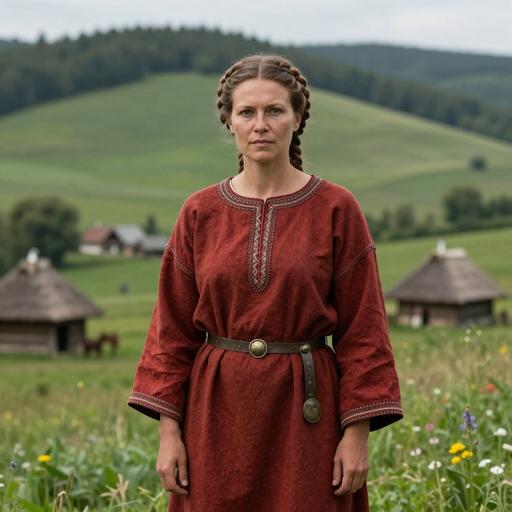
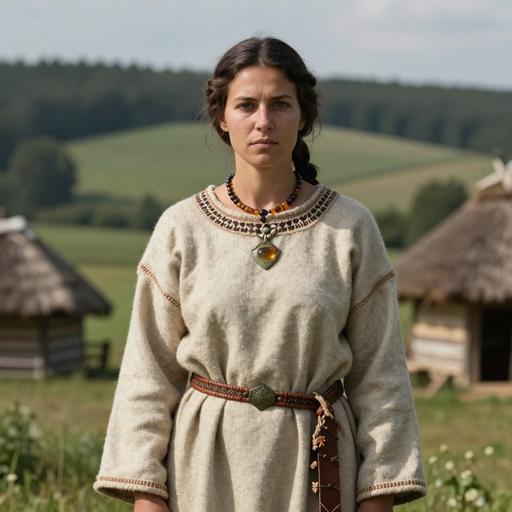
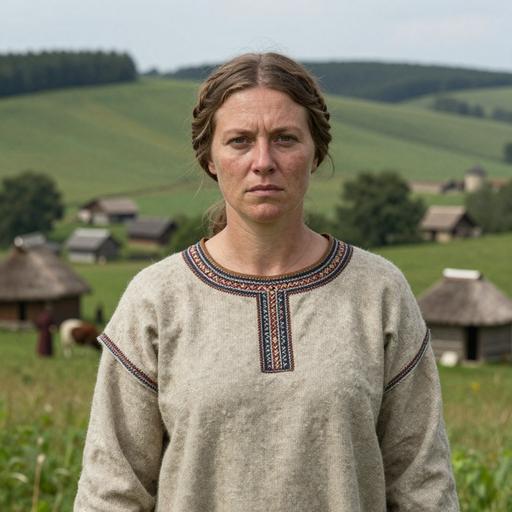
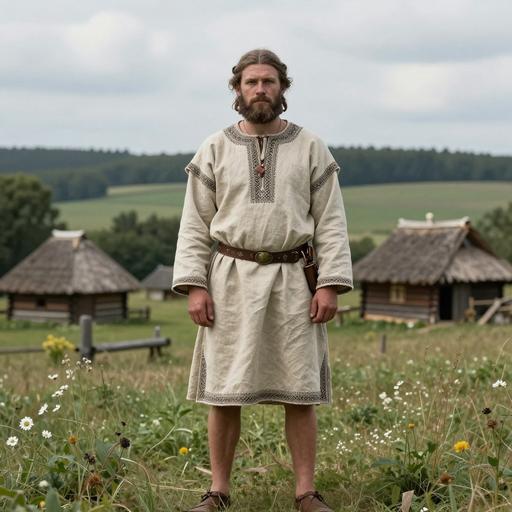
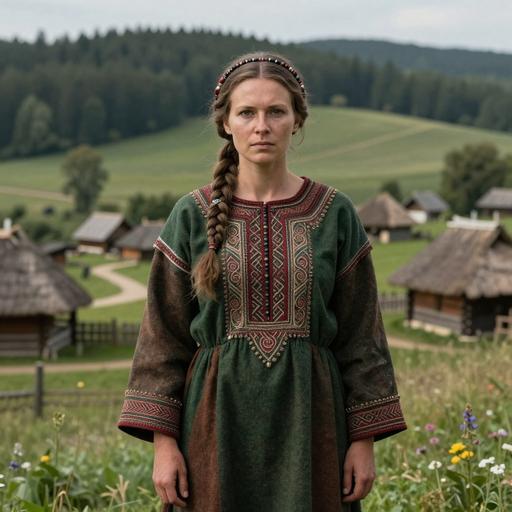
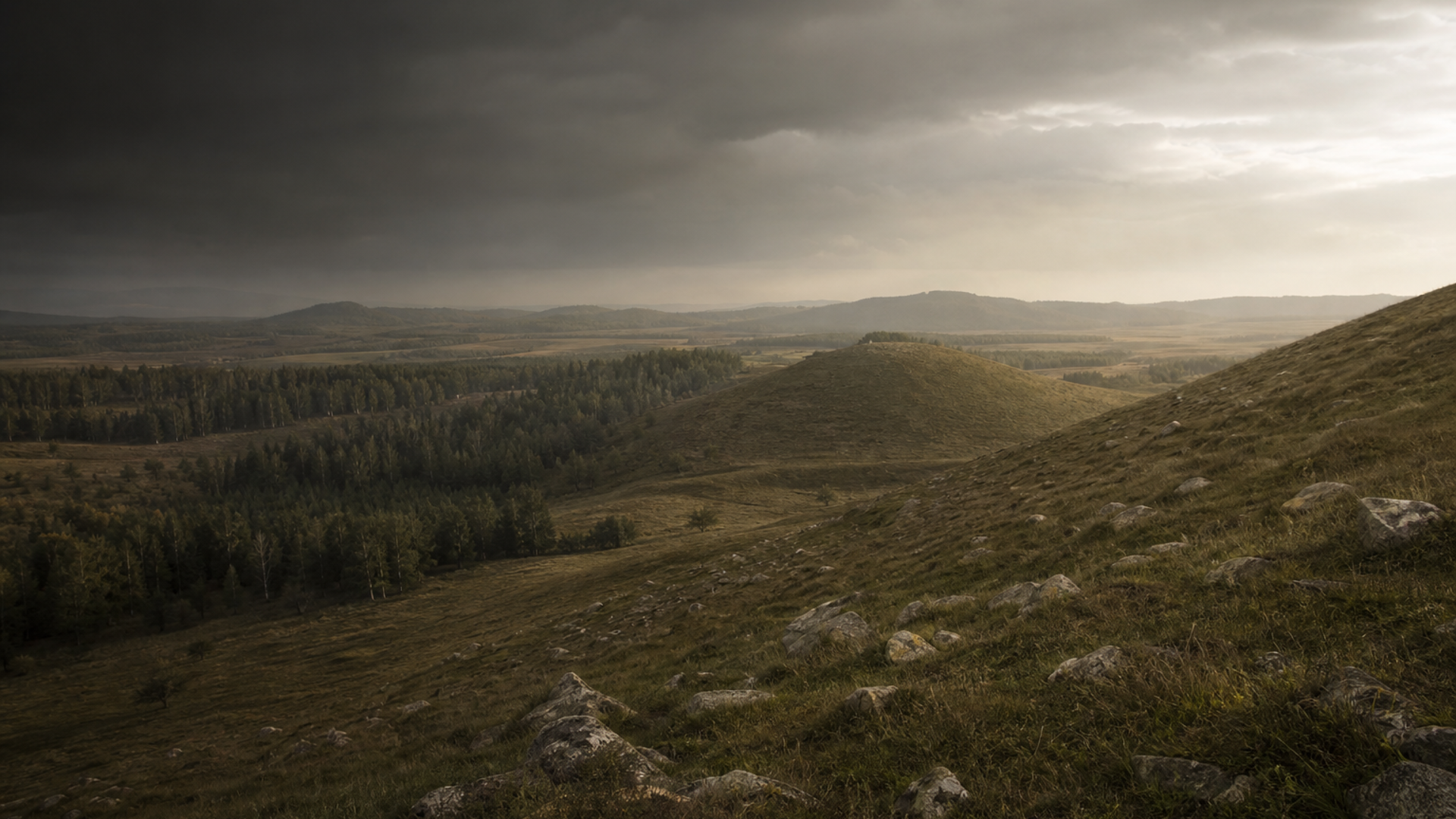
Cinematic image: imagine a riverside workshop where local smiths reforge imported styles into new, regionally recognized objects—each piece a visible trace of cultural conversation.

  • Hybrid material culture links La Tène motifs with local Iron Age forms
  • Sites show fortification and craft activity from late 8th to early 13th century
  • Evidence favors cultural diffusion and elite adoption over wholesale replacement
  • Hybrid La Tène motifs appear in local Iron Age contexts
  • Key sites: Niemcza, Ostrów Lednicki, Markowice, Groszowice, Milicz
  • Activity concentrated 776–1200 CE with craft and fortification layers
Chapter IV

Daily Life & Society

Archaeological assemblages offer glimpses of daily routines shaped by craft, trade and social hierarchy. Excavations in Niemcza and Ostrów Lednicki recovered smithing slag, bone tools, pottery with hybrid decoration, and foundation traces of timber buildings—signs of settled craft production. Settlement patterns suggest nucleated habitations near rivers and trade routes, where riverine transport facilitated exchange of objects and ideas.

Dietary remains and domestic refuse indicate mixed agrarian economies: cereal agriculture, animal husbandry, and localized craft specialization. Metalworking debris and specialized toolkits point to organized workshops; some high‑quality metal ornaments imply patronage by local elites who adopted fashionable motifs to signal status.

Social life likely combined inherited Iron Age kin structures with new status displays influenced by traveling artisans and merchants. Burial practices across these sites display variability: some graves retain local rites, while others include exotic grave goods, suggesting differential adoption of external customs.

Archaeological data indicates a society negotiated between continuity and innovation—household economies and craft specialization under the sway of emerging political centers. Scene: dusk over a stockaded settlement, where a smith hammers a decorative plate inspired by an outsider’s design—an intimate moment where cultural borrowing is forged into daily life.

  • Craft specialization with smithing and ceramic production
  • Mixed agrarian economy with elite consumption of exotic goods
  • Organized craft production (smithing, pottery) near waterways
  • Household economy blended agriculture with specialized workshops
Chapter V

Genetic Profile

Fifty‑three ancient individuals sampled across the five sites provide a genomic window into ancestry and mobility. Mitochondrial DNA is dominated by Western Eurasian maternal haplogroups: H (14), U (9), T (6, incl. T2b = 3), and J (2). These mtDNA frequencies are consistent with regional maternal continuity dating back through the Iron Age and into earlier European populations, suggesting local maternal lineages remained influential during the 8th–13th centuries.

The Y‑chromosome picture shows unexpected diversity: haplogroup L appears in eight individuals, CTS in three, I in two, R in two, and FGC in one. Haplogroup L is today most common in South Asia and is rare in northern Europe; its presence here is surprising and should be interpreted cautiously. Possible explanations include: migration of individuals or small kin groups, medieval long‑distance mobility, post‑depositional contamination, or nomenclatural differences in haplogroup assignment pipelines. Archaeological context and broader comparative datasets are needed to evaluate these options.

Genome‑wide patterns (where available) point to a majority profile that aligns with Central and Northern European Iron Age and early medieval backgrounds, with admixture signals consistent with episodic influxes of nonlocal ancestry. Because the sample size is moderate (n=53), conclusions about population structure are plausible but not definitive; regional heterogeneity is visible and invites more sampling.

  • Maternal lineages show regional continuity (H, U, T, J)
  • Paternal lineages include unexpected L frequency—interpret cautiously
  • mtDNA dominated by H, U, T (incl. T2b), J indicating maternal continuity
  • Y-DNA shows diverse and partly unexpected haplogroups (L notable); interpret cautiously
Chapter VI

Legacy & Modern Connections

The archaeological and genetic tapestry of these sites speaks to a layered legacy: local Iron Age traditions absorbed and reworked external styles, producing material cultures that are both familiar and novel. For modern populations in Lower Silesia, Opole and Greater Poland, the genetic signal is one strand among many that formed medieval ancestry—maternal continuity is clear, while paternal diversity hints at episodes of mobility that enriched the gene pool.

For heritage and identity, the story is nuanced rather than deterministic. Cultural motifs described as "Celtic‑influenced" do not equate to direct lineal descent from ancient Celtic polities; instead, they testify to long-distance networks, craftsmen mobility and selective adoption. In genetic terms, these communities exemplify how cultural influence and biological ancestry can follow different paths: artifacts travel with people, ideas, or trade goods, and genes move more variably.

Future ancient DNA sampling and comparative analyses with neighboring regions will refine these connections. For now, the cinematic image endures: in medieval Poland, local hands reshaped foreign designs—both art and ancestry braided into a resilient, regionally specific identity.

  • Cultural influence does not equal direct population replacement
  • Maternal continuity with signs of episodic male‑line diversity
  • Material culture and DNA together show continuity plus episodic mobility
  • Celtic influence reflects networks, not simple ancestry claims
Chapter VII

样本目录

20 份与 Celtic‑Influenced Communities of Niemcza 文化相关的古 DNA 样本,为研究该时期的人群提供遗传线索。

20 / 20 samples
纵向 样本 国家 大纪元 日期 文化 性别 Y-DNA mtDNA
重建的肖像画 IA individual, Poland
IA individual, Poland
Poland Poland_Niemcza_IA 900-1000 CE Celtic-influenced U - H65
重建的肖像画 IA individual, Poland
IA individual, Poland
Poland Poland_Niemcza_IA 900-1000 CE Celtic-influenced M F H
重建的肖像画 IA individual, Poland
IA individual, Poland
Poland Poland_Niemcza_IA 900-1000 CE Celtic-influenced U - T1a1j
重建的肖像画 IA individual, Poland
IA individual, Poland
Poland Poland_Niemcza_IA 900-1000 CE Celtic-influenced M I-S17250 H1c
重建的肖像画 IA individual, Poland
IA individual, Poland
Poland Poland_Niemcza_IA 900-1000 CE Celtic-influenced M R-A7970 H13
重建的肖像画 IA individual, Poland
IA individual, Poland
Poland Poland_Niemcza_IA 900-1000 CE Celtic-influenced F - T2b23
重建的肖像画 IA individual, Poland
IA individual, Poland
Poland Poland_Niemcza_IA 900-1000 CE Celtic-influenced U - J1b1a1e
重建的肖像画 IA individual, Poland
IA individual, Poland
Poland Poland_Niemcza_IA 900-1000 CE Celtic-influenced M CTS10494 J1c2q1
重建的肖像画 IA individual, Poland
IA individual, Poland
Poland Poland_Niemcza_IA 900-1000 CE Celtic-influenced U - V1a1
重建的肖像画 IA individual, Poland
IA individual, Poland
Poland Poland_Niemcza_IA 900-1000 CE Celtic-influenced M FGC12081 N1a1a1a1
AI 电源

AI 助手

就 Celtic‑Influenced Communities of Niemcza 文化提问

AI 助手 由DNAGENICS公司制作

解锁此特性
Ask questions about the Celtic‑Influenced Communities of Niemcza culture. Our AI assistant can explain genetic findings, historical context, archaeological evidence, and modern connections.
AI 样本分析

Celtic‑Influenced Communities of Niemcza 文化是人类历史中值得了解的一章……

遗传分析揭示了与早期种群的联系,同时显示了独特的适应和文化创新的证据。 古代DNA样本提供了对迁徙模式、社会结构以及古代种群之间的生物关系的深刻见解。

这是人工智能分析的预览。 解锁全AI 助手, 以探索关于:

  • 遗传组成和祖先
  • 移徙模式和起源
  • 日常生活和文化习俗
  • 现代遗传遗产

探索更古老的文化

揭开古代世界文明的故事

使用优惠码 可减免 35% • 11月12日 到期