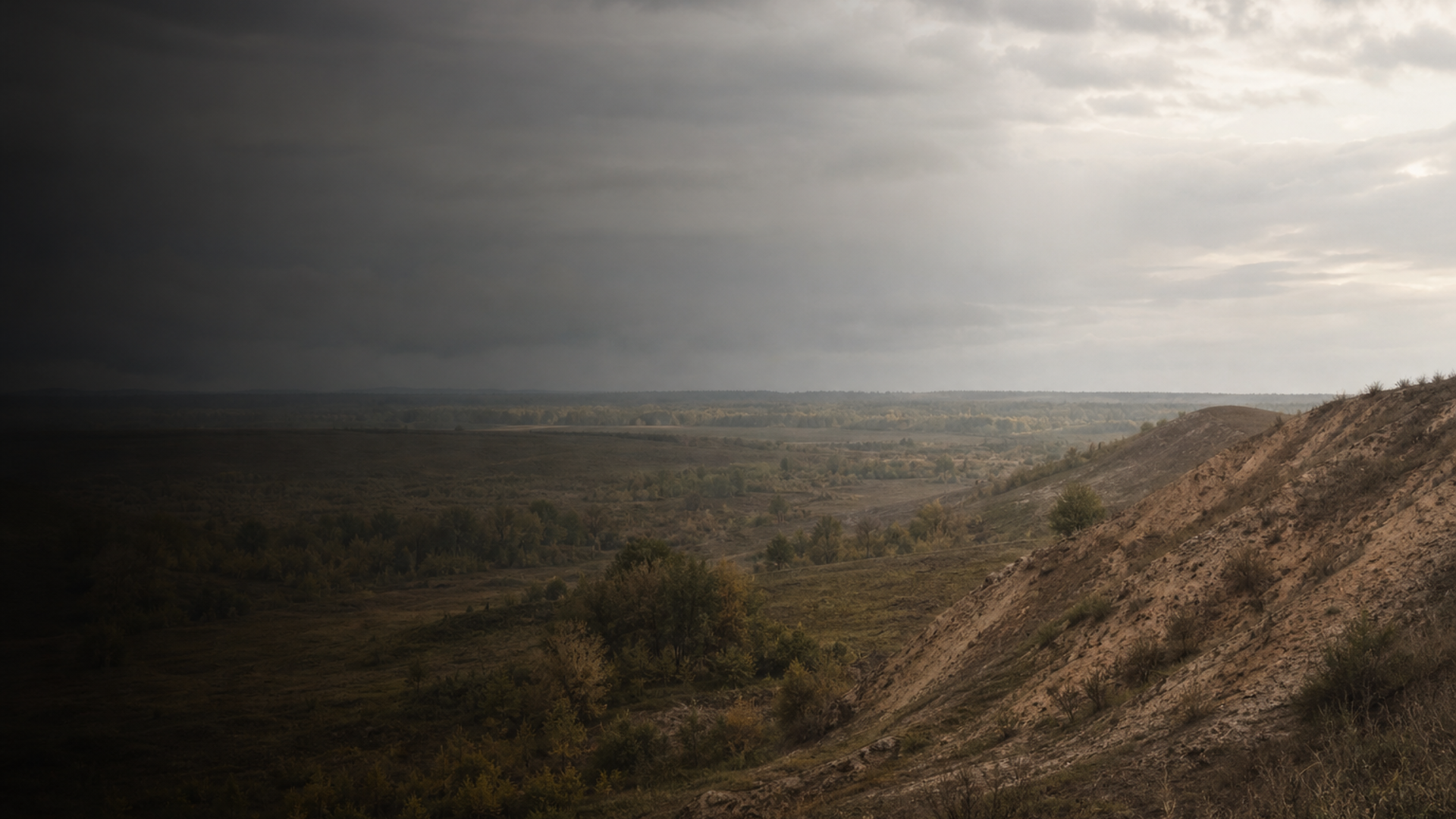
Davydovskoye Antiquity

下载的 PDF 是图像副本。如需可选中文本及更好的辅助技术支持,请使用打印功能。

Davydovskoye Antiquity

揭开一个失落的文明

正在加载考古记录……

正在收集古代记录

跳转到主内容
Davydovskoye Antiquity
文明焦点

Davydovskoye Antiquity

Late Antique community of the Bolshoye‑Davydovskoye plain, seen through archaeology and ancient DNA

130 CE - 420 CE
Ivanovo Oblast, Russia (Bolshoye‑Davydovskoye‑2)
滚动开始
Chapter I

剧情

了解 Davydovskoye Antiquity 文化

Archaeological and genetic evidence from Bolshoye‑Davydovskoye‑2 (Ivanovo Oblast) dated 130–420 CE reveals a small Late Antique sample (n=9). mtDNA shows predominantly European maternal lineages; Y‑DNA is poorly represented. Conclusions are preliminary given low sample count.

Time Period

130–420 CE

Region

Ivanovo Oblast, Russia (Bolshoye‑Davydovskoye‑2)

Common Y-DNA

Undetermined (limited male data)

Common mtDNA

H (2), H5 (1), U (1), T2g (1)

Chapter II

时间线

这种文化历史上的关键时刻

130 CE

Earliest dated individuals at Bolshoye‑Davydovskoye‑2

Initial radiocarbon and contextual dating place the earliest sampled burials around 130 CE, marking the start of the site's sampled Late Antique sequence.

420 CE

Latest sampled contexts

The most recent dated remains fall near 420 CE, encompassing part of the 2nd–5th century CE occupational span.

Chapter III

Origins & Emergence

The Davydovskoye Antiquity assemblage sits within the broader Davydovskoye archaeological tradition documented across central European Russia. Excavations and surveys at Bolshoye‑Davydovskoye‑2 (Gavrilovo‑Posadsky District, Ivanovo Oblast) yield material and burial evidence dated by associated contexts and radiocarbon to ca. 130–420 CE. Archaeological data indicates continuity of settlement and mortuary practices that link this locality to regional networks of the Late Antique period.

Limited evidence suggests that the Davydovskoye community here was neither an isolated frontier outpost nor the seat of a large urban center, but rather a modest rural settlement integrated into local economic and social circuits. Pottery styles, settlement layout elements, and burial orientations show parallels with neighbouring Davydovskoye sites, though detailed comparisons remain preliminary. The temporal placement in the 2nd–5th centuries CE situates these people amid shifting political landscapes across the Pontic‑East European zone, when mobility and cultural contact increased.

Because the dataset is small (n=9), interpretations about origins should be cautious. Archaeology points to local continuities with regional Davydovskoye cultural patterns, while ancient DNA begins to provide maternal lineage signals that can be compared with coeval populations across the forest‑steppe interface.

  • Site: Bolshoye‑Davydovskoye‑2, Gavrilovo‑Posadsky District, Ivanovo Oblast
  • Date range: 130–420 CE (Late Antiquity)
  • Evidence of local Davydovskoye cultural continuity; broader contacts likely
Chapter IV

Daily Life & Society

Archaeological traces from Bolshoye‑Davydovskoye‑2 paint an image of everyday life shaped by the forest‑steppe margins: households linked to mixed agriculture, seasonal resource use, and local craft production. Settlement patterns and small burial clusters suggest kinship‑based communities where extended families managed plots and shared burial grounds.

Material culture and funerary practice—while variably preserved—indicate pragmatic adaptation rather than elite spectacle. Graves at the site appear modest, with occasional personal items that reflect local styles rather than long‑distance opulence. Archaeological data indicates the importance of animal husbandry and woodland resources alongside crop cultivation, consistent with environmental reconstructions for central Russia in the 2nd–5th centuries CE.

Social organization can be inferred as village‑level and kin‑oriented; however, the archaeological record at a single locality provides only a partial window. Mobility and interaction with neighbouring groups are probable, given the region’s place along trans‑regional routes during Late Antiquity.

  • Rural, kin‑oriented settlement economy
  • Modest burial contexts; limited grave goods
Chapter V

Genetic Profile

Ancient DNA from nine individuals recovered at Bolshoye‑Davydovskoye‑2 provides an initial, cautious genetic portrait of this Davydovskoye community. Maternal lineages are dominated by haplogroup H (including H5), with single occurrences of U and T2g among the tested individuals. Haplogroup H and its subclades are widespread across Europe from the Neolithic through historic periods; H5 is known in multiple European contexts. Haplogroup U is an ancient Eurasian lineage with deep roots in European prehistory, while T2g is often seen in lineages stemming from Neolithic farmer ancestries.

No consistent Y‑DNA pattern could be established from the available dataset: male markers are limited or undetermined in the current samples, so paternal affinities remain unresolved. Because the sample count is low (n=9), any population‑level inference is preliminary. Nevertheless, the maternal profile suggests affinities with broader European maternal gene pools rather than a wholly distinct, isolated lineage. Future sampling across more graves and nearby sites is essential to test hypotheses about admixture, sex‑biased mobility, and connections to contemporaneous groups (for example, neighbouring forest‑steppe communities and Sarmatian‑period populations).

Genetic data here functions as a complementary lens to archaeology: mtDNA points to European maternal continuity, while missing or scarce Y‑DNA emphasizes how uneven preservation and sampling bias shape our interpretations.

  • mtDNA dominated by H (2) with H5, U, and T2g present
  • Y‑DNA currently undetermined — paternal patterns remain unclear
Chapter VI

Legacy & Modern Connections

The people of Bolshoye‑Davydovskoye‑2 belong to a web of Late Antique communities that contributed to the genetic and cultural tapestry of central Russia. The presence of common European maternal haplogroups suggests that, at least maternally, these inhabitants shared ancestry components widely distributed across Europe and the forest‑steppe zone.

Linking ancient lineages to modern populations requires many more samples and geographic coverage. Given the small sample size, any claim of direct descent to present‑day groups is speculative. Still, the Davydovskoye material record and initial DNA results remind us that modern regional diversity is the product of layered local continuities and episodic contacts over centuries. Continued archaeogenetic work at Davydovskoye sites will clarify how these Late Antique communities fit into longer‑term population histories of eastern Europe.

  • Maternal lineages reflect broad European affinities
  • Modern connections remain tentative until larger datasets are analyzed
AI 电源

AI 助手

就 Davydovskoye Antiquity 文化提问

AI 助手 由DNAGENICS公司制作

解锁此特性
Ask questions about the Davydovskoye Antiquity culture. Our AI assistant can explain genetic findings, historical context, archaeological evidence, and modern connections.
AI 样本分析

Davydovskoye Antiquity 文化是人类历史中值得了解的一章……

遗传分析揭示了与早期种群的联系,同时显示了独特的适应和文化创新的证据。 古代DNA样本提供了对迁徙模式、社会结构以及古代种群之间的生物关系的深刻见解。

这是人工智能分析的预览。 解锁全AI 助手, 以探索关于:

  • 遗传组成和祖先
  • 移徙模式和起源
  • 日常生活和文化习俗
  • 现代遗传遗产

探索更古老的文化

揭开古代世界文明的故事

使用优惠码 可减免 35% • 11月12日 到期