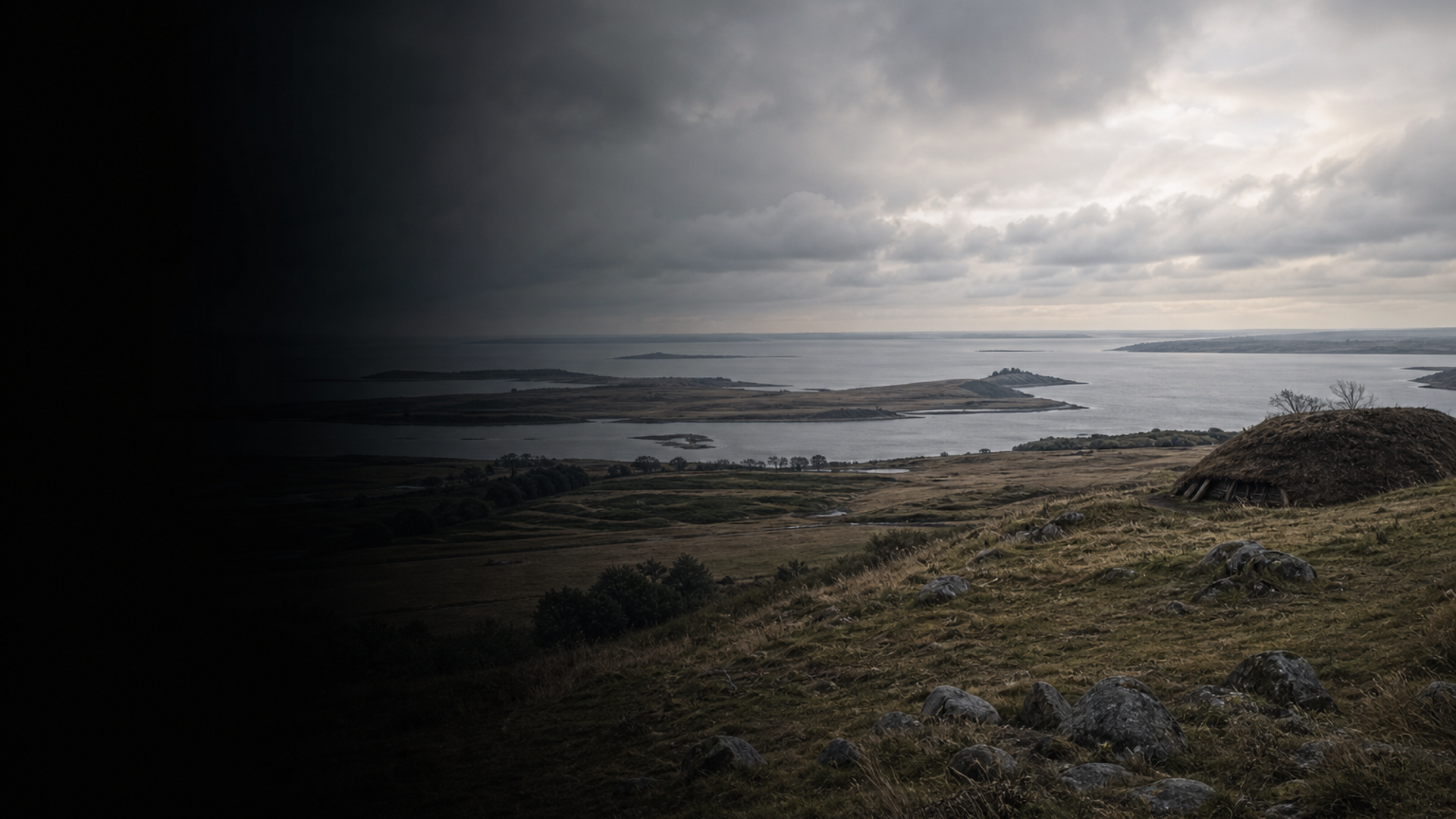
Denmark, Iron Age — Sealand & Jutland

下载的 PDF 是图像副本。如需可选中文本及更好的辅助技术支持,请使用打印功能。

Denmark, Iron Age — Sealand & Jutland

揭开一个失落的文明

正在加载考古记录……

正在收集古代记录

跳转到主内容
Denmark, Iron Age — Sealand & Jutland
文明焦点

Denmark, Iron Age — Sealand & Jutland

A small archaeogenetic window (1–530 CE) linking bogs, settlements and ancestry

1 CE - 530 CE
Denmark (Sealand, Jutland)
滚动开始
Chapter I

剧情

了解 Denmark, Iron Age — Sealand & Jutland 文化

Archaeogenetic snapshot from four Iron Age individuals (1–530 CE) from Sealand and Jutland, Denmark. Y haplogroup I predominates; mtDNA includes H, H1, and U. Archaeological contexts (Brondsager Torsiinre, Kragehave Odetofter, Gerdrup, Alken Enge) suggest regional continuity — conclusions remain preliminary.

Time Period

1–530 CE (Roman Iron Age to early Migration Period)

Region

Denmark (Sealand, Jutland)

Common Y-DNA

I (3 of 4 samples)

Common mtDNA

H, H1, U (2 H, 1 H1, 1 U)

Chapter II

时间线

这种文化历史上的关键时刻

2500 BCE

Emerging Bronze Age trade networks in southern Scandinavia

Long-distance exchange intensifies in southern Scandinavia, laying foundations for later Iron Age social landscapes; metalwork and amber circulate across the region.

Chapter III

Origins & Emergence

The period 1–530 CE in Denmark unfolds like a slow-motion drama: the Roman Iron Age gives way to the first tremors of the Migration Period. Archaeological layers from Sealand and Jutland preserve long-lived farming settlements, coastal exchange networks, and striking ritual landscapes where bogs and wetlands serve as stage and archive. Sites in this dataset — Brondsager Torsiinre, Kragehave Odetofter and Gerdrup on Sealand, and the notable wetland deposit at Alken Enge in Jutland — capture different facets of life and ritual across this era.

Archaeological evidence indicates continuity of settled agrarian lifeways coupled with intensified long-distance contacts across the North Sea and Baltic. Material culture shows both local traditions and imported influences, reflecting shifting trade and social ties rather than a simple population replacement. Limited evidence suggests communities were structured around mixed farming, craft specialization, and maritime mobility. Where wetland deposits occur — most dramatically at Alken Enge — the archaeological record records episodes of violence, sacrifice, or communal ritual that punctuate everyday life.

Taken together, the sites paint a picture of a region anchored in local landscapes but entangled in wider Atlantic and continental networks. Genetic data from a few individuals can begin to test whether those cultural ties also involved significant population movement or primarily reflected cultural exchange.

  • Period spans Roman Iron Age into early Migration Period (1–530 CE)
  • Sites include settlements and wetland deposits: Brondsager Torsiinre; Kragehave Odetofter; Gerdrup; Alken Enge
  • Archaeological evidence shows local continuity with growing long-distance contacts
Chapter IV

Daily Life & Society

Daily existence in Iron Age Denmark balanced the familiar and the dramatic. Farmsteads cultivated rich soils on Sealand and the Jutland peninsula: barley, rye and livestock underpinned subsistence, while artisans produced textiles, iron tools and bone objects. Coastal and riverine routes provided avenues for exchange — amber, iron goods and Roman imports appear in the archaeological record, attesting to participation in wider economic webs.

Archaeological data indicates a landscape where households were the primary economic units, but communal gatherings — seasonal markets, funerary rites, and ritual depositions — reinforced social bonds. Bog finds and wetland assemblages, particularly at Alken Enge, reflect exceptional events: assemblages of weapons, human remains, and curated objects that archaeologists interpret as either battlefield debris, sacrificial offerings, or both. Craft specialization and evidence for long-distance goods suggest social differentiation and connectivity rather than isolation.

Material culture evokes a tactile world of woven textiles, iron knives, and wooden boats: everyday objects that also carried status and identity. Burial practices, settlement patterns, and votive deposits together create a textured sense of communities negotiating continuity and change across the first half of the first millennium CE.

  • Mixed farming economy with specialized crafts and maritime exchange
  • Wetland deposits (e.g., Alken Enge) indicate episodes of conflict, ritual, or both
Chapter V

Genetic Profile

The genetic snapshot from these four individuals offers a suggestive — but necessarily cautious — glimpse into Iron Age Denmark. Three of the four males carry Y-chromosome haplogroup I, a lineage known across northern and northwestern Europe and often associated with long-standing regional continuity from Mesolithic and later periods. Maternal lineages include mtDNA H (two samples), H1 (one), and U (one), haplogroups common in Europe and frequently observed in ancient and modern Danish populations.

Archaeogenetic research more broadly has shown that Iron Age Scandinavians typically carried mixtures of deep European hunter‑gatherer, Neolithic farmer, and Steppe-derived ancestries. However, with only four samples in this dataset, any inference about population-level structure, admixture proportions, or sex-biased mobility is preliminary. The predominance of Y‑haplogroup I here could reflect local male continuity or sampling bias; similarly, mtDNA diversity in four individuals cannot capture the full maternal landscape.

Future sampling and genome-wide data from more individuals and contexts will be required to test whether these genetic patterns mirror archaeological continuity, reflect incoming genealogical threads, or reveal complex local demography. For now, these genomes act as individual beacons, illuminating possibilities rather than delivering definitive answers.

  • Y-DNA dominated by haplogroup I (3 of 4) — suggests local male continuity but tentative
  • mtDNA includes H, H1, and U — common European maternal lineages; small sample size limits conclusions
Chapter VI

Legacy & Modern Connections

The genetic signatures seen in these four Iron Age individuals resonate with present-day Denmark: haplogroup I and mtDNA H remain part of the region’s genetic tapestry. Archaeologically, the period set patterns of settlement, craft and exchange that influenced later Scandinavian societies. Yet the story is not one of static inheritance; subsequent migrations, trade networks and social transformations layered new ancestries and practices onto the landscape.

These DNA snapshots, paired with context from sites like Alken Enge and Sealand settlements, help bridge the sensory past — the wet, shimmering bogs, the creak of wooden boats — with the deep biological histories of people who lived there. Given the small sample set, conclusions must be tentative, but each genome expands the archive from which we reconstruct human lives, movements, and connections across northern Europe.

  • Modern Danish populations retain many related lineages, but later migrations added diversity
  • Genetic snapshots complement archaeology to illuminate continuity and change
AI 电源

AI 助手

就 Denmark, Iron Age — Sealand & Jutland 文化提问

AI 助手 由DNAGENICS公司制作

解锁此特性
Ask questions about the Denmark, Iron Age — Sealand & Jutland culture. Our AI assistant can explain genetic findings, historical context, archaeological evidence, and modern connections.
AI 样本分析

Denmark, Iron Age — Sealand & Jutland 文化是人类历史中值得了解的一章……

遗传分析揭示了与早期种群的联系,同时显示了独特的适应和文化创新的证据。 古代DNA样本提供了对迁徙模式、社会结构以及古代种群之间的生物关系的深刻见解。

这是人工智能分析的预览。 解锁全AI 助手, 以探索关于:

  • 遗传组成和祖先
  • 移徙模式和起源
  • 日常生活和文化习俗
  • 现代遗传遗产

探索更古老的文化

揭开古代世界文明的故事

使用优惠码 可减免 35% • 11月12日 到期