Echoes of Iron Age Grand-Est

下载的 PDF 是图像副本。如需可选中文本及更好的辅助技术支持,请使用打印功能。

Echoes of Iron Age Grand-Est

揭开一个失落的文明

正在加载考古记录……

正在收集古代记录

跳转到主内容
Echoes of Iron Age Grand-Est
文明焦点

Echoes of Iron Age Grand-Est

Five genomes from Grand-Est (800–400 BCE) reveal diverse maternal lineages and tentative regional links

800 CE - 400 BCE
Grand-Est (eastern France)
滚动开始
Chapter I

剧情

了解 Echoes of Iron Age Grand-Est 文化

Archaeogenetic data from five Iron Age I individuals in Grand-Est (800–400 BCE) show predominantly Neolithic-derived maternal haplogroups (J, K) alongside H7d and U, suggesting layered ancestry in eastern France. Conclusions are preliminary due to small sample size.

Time Period

800–400 BCE

Region

Grand-Est (eastern France)

Common Y-DNA

Not reported (limited samples)

Common mtDNA

J (2), K (1), H7d (1), U (1)

Chapter II

时间线

这种文化历史上的关键时刻

2500 BCE

Bronze Age genetic foundations

Regional Bronze Age populations establish layered ancestry—Neolithic farmer, steppe-influenced, and hunter-gatherer—that shapes later Iron Age genomes.

Chapter III

Origins & Emergence

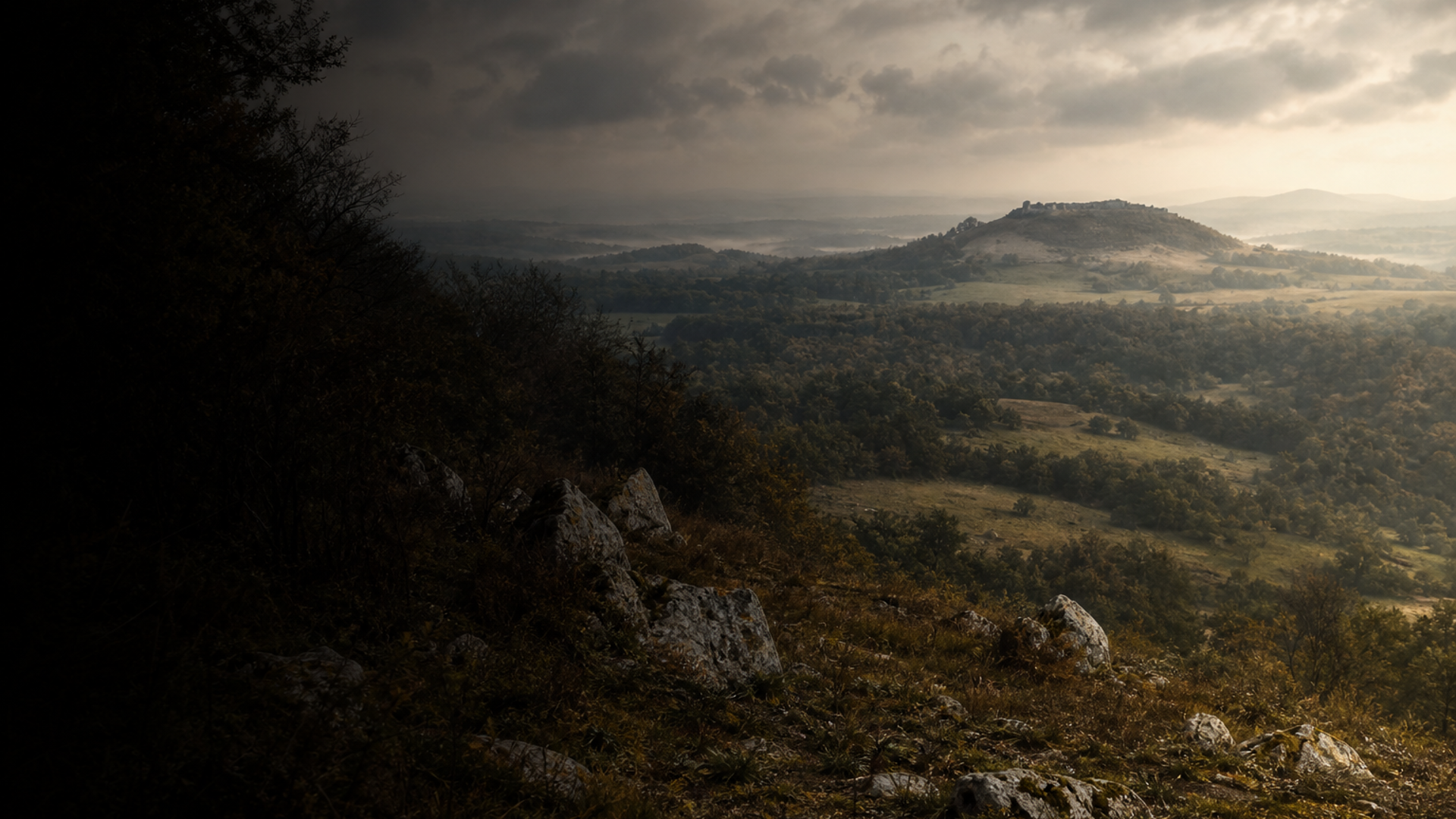
In the dim sweep of eastern France, the Iron Age I horizon (c. 800–400 BCE) in the Grand-Est unfolds as a palimpsest of earlier Neolithic and Bronze Age traditions. Archaeological data indicates continuity of settlement and exchange across river valleys and upland plateaus, while material culture shows regional varieties of Iron Age craft and funerary practice. The samples for France_GrandEst_IA1 were recovered from contexts at Sainte-Croix-en-Plaine and Jebsen Boden (Nordhouse), placing them in the heart of the modern Grand-Est.

Genetically, this phase sits on multiple older layers. Limited evidence suggests maternal lineages associated with European Neolithic farmers (haplogroups J and K) remain prominent, while the presence of haplogroup U hints at deeper Mesolithic or mixed Bronze Age ancestry. These strands are consistent with a scenario in which local farming populations, Bronze Age networks, and incoming influences during the later first millennium BCE combined to produce regionally distinct communities. Because this interpretation rests on only five genomes, it should be read as a preliminary window into origins rather than a definitive story.

  • Samples dated to Iron Age I (800–400 BCE) from Grand-Est sites
  • MtDNA shows Neolithic-derived and older European maternal lineages
  • Interpretation is cautious due to small sample count
Chapter IV

Daily Life & Society

Archaeological traces from Iron Age Grand-Est evoke a landscape of riverine fields, small nucleated settlements, and craft specialists. Objects of iron, bronze, pottery, and imported goods suggest local production nested within wider trade networks that stretched across Gaul and into central Europe. Burial evidence in the region variably records inhumation and cremation rites, with grave goods indicating status differentiation and connections to long-distance exchange.

The lives of the people behind the France_GrandEst_IA1 genomes would have been shaped by seasonal cycles of agriculture, animal husbandry, and artisanal work. Plant and animal remains from related Iron Age contexts in Grand-Est point to mixed farming economies—cereals, legumes, cattle, and sheep—with supplemental hunting and foraging in woodland margins. Socially, villages and hilltop sites likely served as focal points for craft, feasting, and ritual. While the genetic samples illuminate ancestry, archaeological materials supply the textures of everyday life—tools, textiles, and pottery rims that speak of skilled hands and local identities.

  • Mixed farming economy with local craft and trade
  • Funerary variability and social differentiation visible archaeologically
Chapter V

Genetic Profile

The genetic portrait for France_GrandEst_IA1 is necessarily tentative: only five genomes are available. Maternal haplogroups observed are J (2 individuals), K (1), H7d (1), and U (1). Haplogroup J and K are frequently associated with early European farmers and their descendants, indicating substantial Neolithic-derived maternal ancestry persisting into the Iron Age. Haplogroup U has a long presence in Europe, often linked to Mesolithic hunter-gatherer ancestry or to later admixture with those older lineages. H7d is a sublineage of H, a widespread European maternal lineage with complex local histories.

No robust, replicated pattern of Y-DNA continuity or turnover can be stated here because Y-chromosome haplogroups were not consistently reported for these five samples. Broader regional studies of Iron Age and earlier periods in France show a mosaic of ancestries—Neolithic farmer-derived, Bronze Age steppe-influenced, and residual hunter-gatherer components—and the Grand-Est fits into that layered picture. Given the sample count (<10), conclusions about population movements, sex-biased migration, or continuity must remain provisional. Future sampling and genome-wide analyses would clarify how these maternal signals map onto autosomal ancestries and male lineages.
  • MtDNA: J (2), K (1), H7d (1), U (1) — suggests Neolithic farmer and older European inputs
  • Y-DNA not reported consistently; sample size (<10) makes population-level claims preliminary
Chapter VI

Legacy & Modern Connections

The genetic threads found in these five individuals echo into modern Europe: haplogroups J and K persist in contemporary populations across France and beyond, reflecting long-term survival of Neolithic maternal lines. Haplogroup U and sublineages of H likewise point to enduring deep European roots. Archaeogenetic links do not translate into simple ancestry claims—modern Grand-Est populations are the product of many later movements (Roman, Germanic, medieval) layered atop Iron Age foundations.

Cinematically, these genomes are like candles glimpsed through fog: they illuminate continuity and mixture but also underscore how much remains veiled. The most responsible reading emphasizes connection without overreach: these five mtDNA profiles contribute pieces to a complex puzzle. Expanded sampling and integration of genome-wide data will be necessary to meaningfully trace direct lines from Iron Age Grand-Est communities to modern groups.

  • Neolithic-derived maternal lineages persist into the present, but continuity is complex
  • Small sample size advises caution; broader datasets needed for firm modern links
AI 电源

AI 助手

就 Echoes of Iron Age Grand-Est 文化提问

AI 助手 由DNAGENICS公司制作

解锁此特性
Ask questions about the Echoes of Iron Age Grand-Est culture. Our AI assistant can explain genetic findings, historical context, archaeological evidence, and modern connections.
AI 样本分析

Echoes of Iron Age Grand-Est 文化是人类历史中值得了解的一章……

遗传分析揭示了与早期种群的联系,同时显示了独特的适应和文化创新的证据。 古代DNA样本提供了对迁徙模式、社会结构以及古代种群之间的生物关系的深刻见解。

这是人工智能分析的预览。 解锁全AI 助手, 以探索关于:

  • 遗传组成和祖先
  • 移徙模式和起源
  • 日常生活和文化习俗
  • 现代遗传遗产

探索更古老的文化

揭开古代世界文明的故事

使用优惠码 可减免 35% • 11月12日 到期




