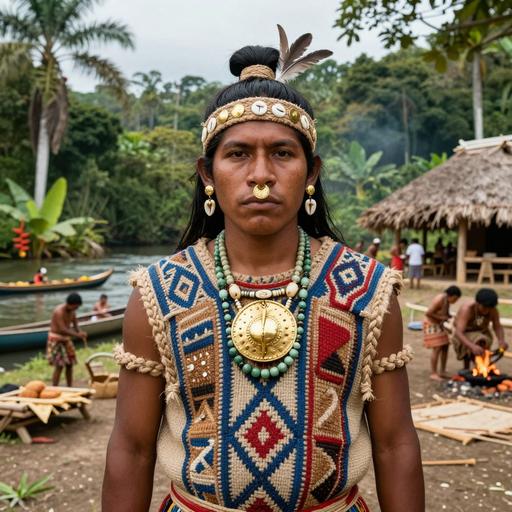
Echoes of Mesoamerican Coasts

下载的 PDF 是图像副本。如需可选中文本及更好的辅助技术支持,请使用打印功能。

Echoes of Mesoamerican Coasts

揭开一个失落的文明

正在加载考古记录……

正在收集古代记录

跳转到主内容
Echoes of Mesoamerican Coasts
文明焦点

Echoes of Mesoamerican Coasts

A millennia‑long portrait from Baja shores to Panama’s Plaza Mayor, blending archaeology and ancient DNA

4000 BCE - 1700 CE
Panama, Mexico (Baja to Campeche)
9 Ancient Samples
滚动开始
Chapter I

剧情

了解 Echoes of Mesoamerican Coasts 文化

Archaeological and genetic evidence from 61 samples spanning 4000 BCE–1700 CE links coastal foragers, inland communities, and later colonial encounters across Baja California, central Mexico, and Panama. Ancient DNA highlights Indigenous Y and mitochondrial lineages that persist in the region today.

Time Period

4000 BCE – 1700 CE

Region

Panama, Mexico (Baja to Campeche)

Common Y-DNA

Q (majority), P, CT

Common mtDNA

B, C, CZ, A, C1b

Chapter II

时间线

这种文化历史上的关键时刻

4000 BCE

Early coastal occupation

Shell middens and lithic scatters indicate maritime foraging economies along Baja coasts and lowland shores.

2500 BCE

Regional interaction grows

Obsidian, shell ornaments, and stylistic parallels suggest increasing exchange between coasts and inland zones.

300 CE

Complex lowland communities

Ceramics and settlement nucleation in Campeche and Isthmo areas mark intensified agriculture and social complexity.

1520 CE

Colonial contact and change

European contact initiates demographic and cultural disruptions reflected in late samples approaching 1700 CE.

Chapter III

Origins & Emergence

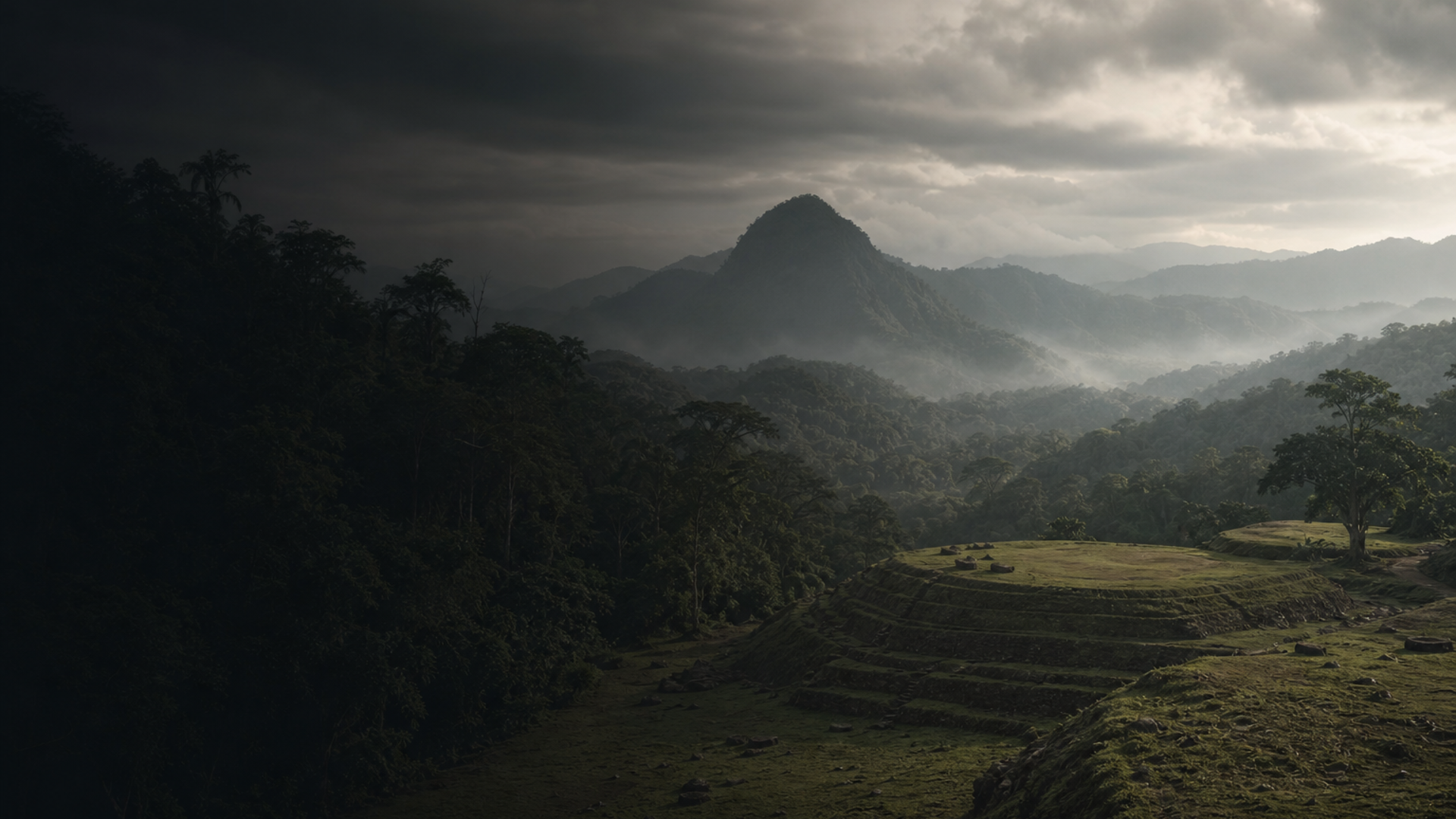
Across a sweep of coastlines, river valleys and uplands, the deep past of Mesoamerican Civilizations unfolds through stone tools, shell middens and burial contexts recovered at sites such as LC-218 (Baja), Comondú (Baja), Piedra Gorda (Las Palmas culture, Mexico) and the highland Sierra Tarahumara. Archaeological data indicates continuous human presence in parts of this region from the mid-Holocene: our dataset reaches back to ca. 4000 BCE. These early communities were often maritime and riverine foragers, exploiting rich coastal and estuarine resources; shell middens and fish bone concentrations attest to seasonal and year‑round exploitation of marine protein.

Material culture — lithics, shell ornaments, and early ceramics in later horizons — documents regional differentiation long before the rise of the Classic Mesoamerican polities. Limited evidence suggests episodic long-distance interaction: obsidian sourcing, shell trade, and stylistic parallels hint at networks that linked Baja and mainland coasts with inland Campeche and Isthmo-Colombian Panama. While 61 genetic samples provide a window into population continuity and change, spatial sampling is uneven; some areas are well represented, others remain archaeologically thin. Accordingly, the origins sketched here combine solid archaeological patterns with genetic signals but should be read as a dynamic, still-developing picture.

  • Mid-Holocene coastal and riverine adaptations (ca. 4000 BCE)
  • Sites: LC-218, Comondú, Piedra Gorda, Sierra Tarahumara
  • Evidence for early regional interaction via marine and lithic exchange
Chapter IV

Daily Life & Society

The everyday lives of these communities are revealed in quiet traces: hearths, fishbone scatters, burial offerings and domestic architecture. On Baja peninsula sites like Iron Springs and Comondú the archaeological record is dominated by shell middens, bone tools and simple camps that reflect a maritime lifeway adapted to tides and seasonal fish runs. In coastal Campeche and Panama City localities — Plaza Mayor, Plaza Casas Oeste, Parque Morelos and Coco del Mar — urban and village life later incorporated ceramic craft, agriculture and complex burial practices.

Social organization likely ranged from small kin bands in open‑coast settings to larger, nucleated communities in fertile lowlands. Burial variability — from simple interments to richly furnished graves in later periods — suggests social differentiation increased over time. Botanical remains and isotopic data (where available) point to mixed economies: maize and other domesticates appear alongside continued marine foraging. Archaeological indicators of ritual practice (platforms, curated shell ornaments, and patterned interments) imply belief systems tied to sea, maize cycles and ancestor veneration. However, preservation biases—coastal erosion, modern development—mean many household details are lost, and interpretations depend on integrating multiple lines of evidence.

  • Maritime foraging dominates Baja sites; mixed farming in lowland Campeche and Panama
  • Burial variability indicates increasing social differentiation over time
Chapter V

Genetic Profile

The genetic dataset (61 samples) spanning 4000 BCE to 1700 CE reveals a regional mosaic consistent with long-standing Indigenous ancestry in both male and female lineages. Y-chromosome haplogroup Q is the most common (12 individuals), a lineage widely associated with Indigenous populations across the Americas; rarer occurrences of P (2) and CT (1) appear in the collection and warrant cautious interpretation. Mitochondrial DNA shows diversity typical of northern and Mesoamerican populations: haplogroups B (9), C (7), CZ (4), A (2) and C1b (2). These maternal lineages track deep peopling events in the Americas and reflect local persistence.

Genetic patterns align with archaeological geography: coastal Baja and Pericú-associated contexts show continuity with early Holocene foragers, while lowland Panama and Campeche samples include later ancestries consistent with sustained inland and coastal interaction. Population structure analyses indicate regional clustering but also gene flow — likely driven by maritime and terrestrial trade routes. Because some haplogroups are represented by modest counts and sampling is uneven across time and place, conclusions about migrations and admixture should be treated as provisional. Future sampling, especially from underrepresented sites and temporal horizons, will refine models of demographic change and cultural transmission across the Isthmus and Mesoamerican coasts.

  • Y-DNA dominated by Q; minor representation of P and CT
  • mtDNA diversity (B, C, CZ, A, C1b) reflects deep American maternal lineages
Chapter VI

Legacy & Modern Connections

The genetic and archaeological threads of these ancient communities continue into the present. Many mtDNA and Y-DNA lineages identified among the ancient samples mirror those found in contemporary Indigenous and mixed communities of Mexico and Panama, underscoring biological continuity despite social upheavals. Archaeological materials — shell jewelry forms, lithic traditions, and ceramic types — have descendants in living craft practices and regional identities.

Colonial contact beginning in the 16th century introduced new demographic pressures, diseases and cultural transformations; our latest samples approaching 1700 CE capture moments close to those disruptions. While genetic continuity is evident in portions of the dataset, colonial-era admixture and population displacement complicate direct lines of descent. Recognizing uncertainty where the record is thin, integrating ancient DNA with archaeological context allows a richer, more humane narrative: one that honors long-term resilience and the living heritage of coastal Mesoamerica.

  • Ancient lineages reflect continuity with modern Indigenous populations
  • Colonial contact (post-16th century) complicates demographic trajectories
Chapter VII

样本目录

9 份与 Echoes of Mesoamerican Coasts 文化相关的古 DNA 样本,为研究该时期的人群提供遗传线索。

9 / 9 samples
纵向 样本 国家 大纪元 日期 文化 性别 Y-DNA mtDNA
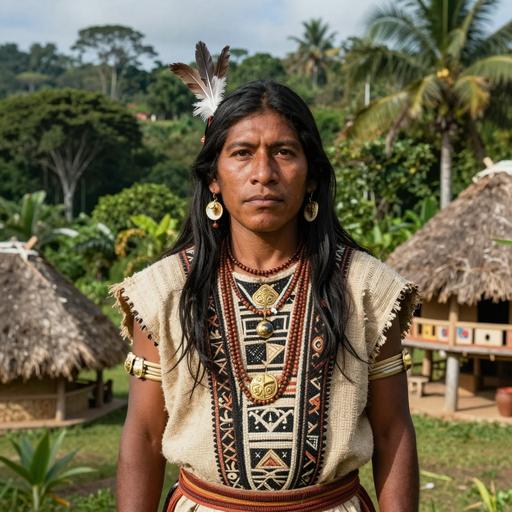
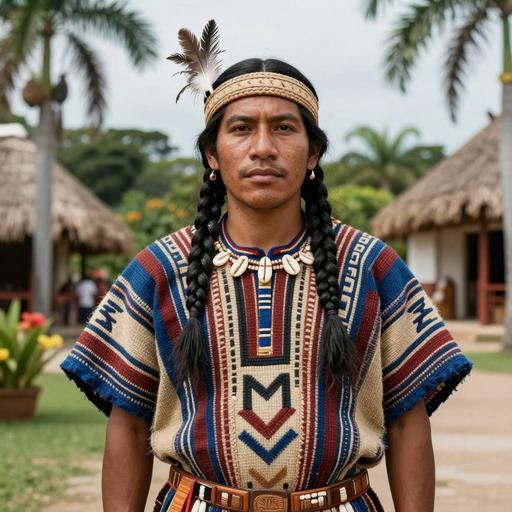
重建的肖像画 Mesoamerican Civilizations individual, Panama
Mesoamerican Civilizations individual, Panama
Panama Panama_IsthmoColombian_PreColonial 1327 CE Mesoamerican Civilizations M - -
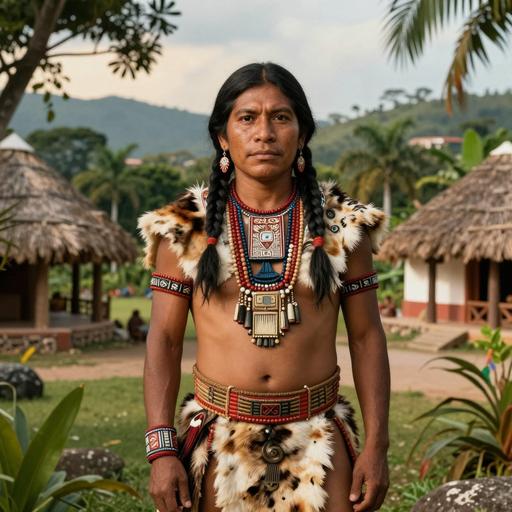
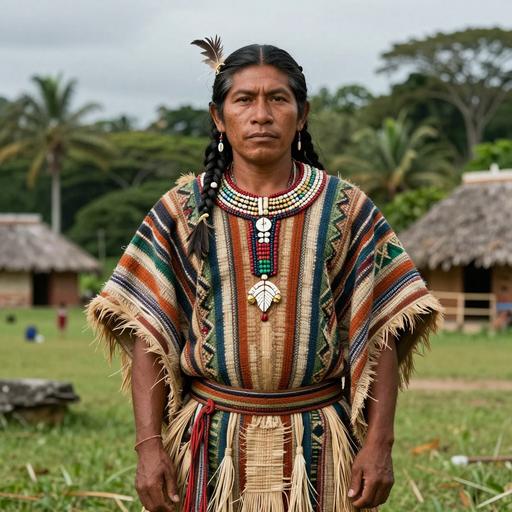
重建的肖像画 Mesoamerican Civilizations individual, Panama
Mesoamerican Civilizations individual, Panama
Panama Panama_IsthmoColombian_PreColonial 773 CE Mesoamerican Civilizations M - -
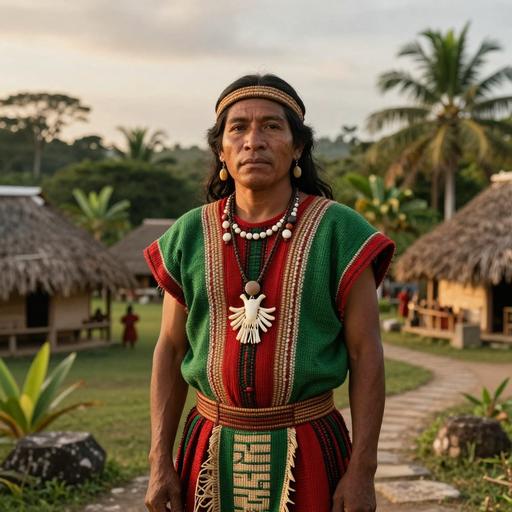
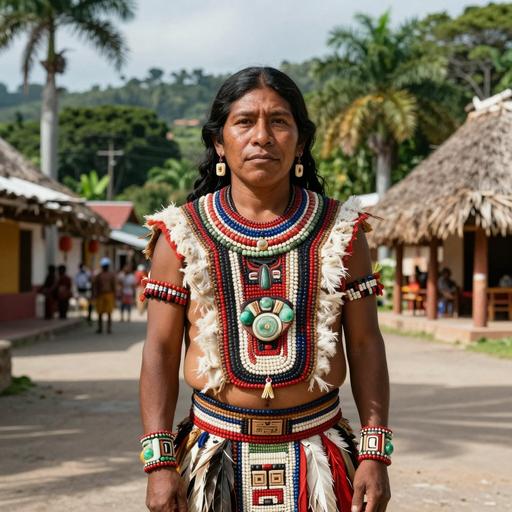
重建的肖像画 Mesoamerican Civilizations individual, Panama
Mesoamerican Civilizations individual, Panama
Panama Panama_IsthmoColombian_PreColonial 987 CE Mesoamerican Civilizations M - -
重建的肖像画 Mesoamerican Civilizations individual, Panama
Mesoamerican Civilizations individual, Panama
Panama Panama_IsthmoColombian_PreColonial 1302 CE Mesoamerican Civilizations M - -
重建的肖像画 Mesoamerican Civilizations individual, Panama
Mesoamerican Civilizations individual, Panama
Panama Panama_IsthmoColombian_PreColonial 1283 CE Mesoamerican Civilizations M - -
重建的肖像画 Mesoamerican Civilizations individual, Panama
Mesoamerican Civilizations individual, Panama
Panama Panama_IsthmoColombian_PreColonial 656 CE Mesoamerican Civilizations M - -
重建的肖像画 Mesoamerican Civilizations individual, Panama
Mesoamerican Civilizations individual, Panama
Panama Panama_IsthmoColombian_PreColonial 602 CE Mesoamerican Civilizations M - -
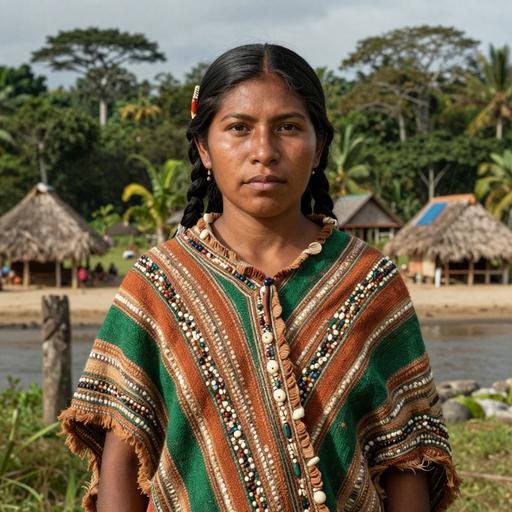
重建的肖像画 Mesoamerican Civilizations individual, Panama
Mesoamerican Civilizations individual, Panama
Panama Panama_IsthmoColombian_PreColonial 1053 CE Mesoamerican Civilizations F - -
重建的肖像画 Mesoamerican Civilizations individual, Panama
Mesoamerican Civilizations individual, Panama
Panama Panama_IsthmoColombian_PreColonial 775 CE Mesoamerican Civilizations M - -
AI 电源

AI 助手

就 Echoes of Mesoamerican Coasts 文化提问

AI 助手 由DNAGENICS公司制作

解锁此特性
Ask questions about the Echoes of Mesoamerican Coasts culture. Our AI assistant can explain genetic findings, historical context, archaeological evidence, and modern connections.
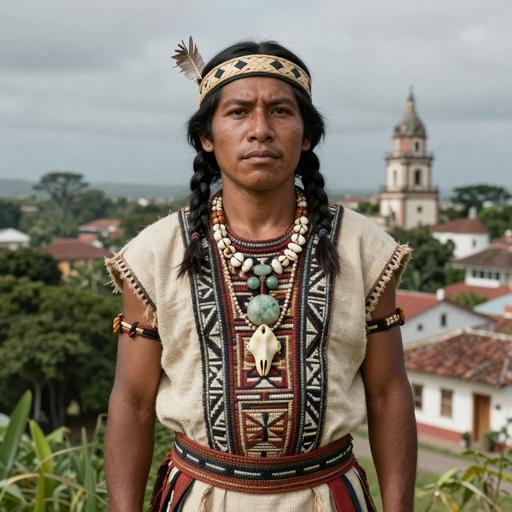
AI 样本分析

Echoes of Mesoamerican Coasts 文化是人类历史中值得了解的一章……

遗传分析揭示了与早期种群的联系,同时显示了独特的适应和文化创新的证据。 古代DNA样本提供了对迁徙模式、社会结构以及古代种群之间的生物关系的深刻见解。

这是人工智能分析的预览。 解锁全AI 助手, 以探索关于:

  • 遗传组成和祖先
  • 移徙模式和起源
  • 日常生活和文化习俗
  • 现代遗传遗产

探索更古老的文化

揭开古代世界文明的故事

使用优惠码 可减免 35% • 11月12日 到期