Echoes of Middle Bronze Spain

下载的 PDF 是图像副本。如需可选中文本及更好的辅助技术支持,请使用打印功能。

跳转到主内容
文明焦点

Echoes of Middle Bronze Spain

Five voices from 1533–1200 BCE linking archaeology and ancient DNA

1533 CE - 1200 BCE
Spain (Basque Country, Castilla y León, Salamanca)

剧情

Archaeological and genetic snapshots from five Middle Bronze Age sites in Spain (1533–1200 BCE). Limited samples suggest a mix of Steppe‑associated Y lineages and Neolithic maternal continuity, offering cautious insight into mobility, metallurgy, and regional networks.

Time Period

1533–1200 BCE

Region

Spain (Basque Country, Castilla y León, Salamanca)

Common Y-DNA

R (observed in 3/5 samples)

Common mtDNA

K, H1, H, J (diverse maternal lineages)

时间线

1200 BCE

Latest dated sample in dataset

The most recent genome in this group dates to about 1200 BCE, marking the dataset's upper bound.

1533 BCE

Earliest dated sample in dataset

One of the five sampled individuals dates to 1533 BCE, from El Sotillo (Laguardia, Álava).

1550 BCE

Regional transformations in Bronze Age Iberia

Circa mid-2nd millennium BCE saw cultural shifts and the legacy of earlier El Argar and Atlantic networks.

Origins & Emergence

Against the wind-swept ridges and fertile valleys of northern and central Iberia, the Middle Bronze Age emerges in the archaeological record as a mosaic of local traditions and long‑distance contacts. The five genome-bearing contexts — El Sotillo (Laguardia, Álava), Tordillos (Aldeaseca de la Frontera, Salamanca), and La Requejada (San Román de Hornija, Valladolid) — date between 1533 and 1200 BCE. Archaeological data indicates continuity with earlier Bronze Age metallurgy and pottery styles, while also showing regional variation in settlement patterns and exchange.

Material traces suggest communities engaged in mixed farming and pastoralism, with bronze production and curated metalwork pointing to specialized craft practices in some locales. Limited evidence from these specific sites prevents sweeping assertions about societal organization across Iberia; instead, the sites offer snapshots of localized life within broader Middle Bronze Age networks. The genetic results, though preliminary, hint at demographic processes that complemented cultural change: lineages linked to wider Bronze Age Europe appear alongside maternally inherited markers tied to long‑standing Neolithic populations. Together, archaeology and DNA reveal a landscape of both continuity and movement, where regional identities were forged amid new connections.

  • Five samples from three provinces: Álava, Salamanca, Valladolid
  • Dates span 1533–1200 BCE within Middle Bronze Age Spain
  • Evidence points to regional continuity plus long-distance contacts

Daily Life & Society

The lived world of Middle Bronze Age Iberia was textured: fields of grains, grazing herds, and the clang of bronze tools. Archaeological contexts in the sampled sites indicate agrarian economies supplemented by animal husbandry and seasonal mobility. Settlements in the plateau and river valleys favored proximity to arable land and routes of exchange that carried metal and finished goods.

Burial practices across Iberia in this era are diverse — from collective to individual interments — but the limited set of genomic samples does not allow robust inferences about funerary variability at these exact locations. Archaeological finds from contemporaneous regional sites show differential access to prestige goods, implying social differentiation; craft specialization in bronze and textile production likely underpinned local status systems. Everyday life blended local traditions with imported influences: foreign forms of decoration or metalwork can appear beside long‑lived ceramic types, testifying to selective adoption rather than wholesale replacement.

  • Mixed farming and pastoralism anchored local economies
  • Craft specializations (bronze-working, textiles) suggest social differentiation

Genetic Profile

Across the five Middle Bronze Age individuals sampled from El Sotillo, Tordillos, and La Requejada, the most frequent Y‑chromosome signal is haplogroup R (3/5), while mitochondrial diversity includes K (2), H1 (1), H (1), and J (1). These patterns mirror a broader Bronze Age trend in western Europe: an increase in R‑lineages commonly associated with Steppe‑derived male ancestry, alongside maternal haplogroups (K, H, J) that trace back to earlier Neolithic farmer populations.

This combination is consistent with a model of sex‑biased admixture observed elsewhere in Bronze Age Europe, where incoming male lineages spread into resident farming communities, resulting in continuity in maternal lineages even as paternal markers shift. However, the small number of genomes (n = 5) means any demographic interpretation must remain tentative. Limited evidence suggests local heterogeneity — some individuals show genetic profiles closer to pan‑European Bronze Age signals, others retain stronger Neolithic affinities — but larger sample sizes and genome‑wide ancestry estimates are required to resolve the scale and timing of admixture in Iberia. Integrating isotopic data and more archaeological contexts will be essential to link mobility, kinship, and cultural change.

  • Y-DNA R in 3 of 5 samples suggests Steppe‑associated paternal influx
  • mtDNA (K, H, J) indicates continuity with Neolithic maternal lineages

Legacy & Modern Connections

The genetic and archaeological echoes of Middle Bronze Age Spain ripple into the present, but continuity is complex rather than direct. Haplogroups observed here — R paternal types and mtDNA lineages like H and K — are widespread in contemporary Iberian populations, but modern genetic landscapes reflect many subsequent migrations and centuries of admixture.
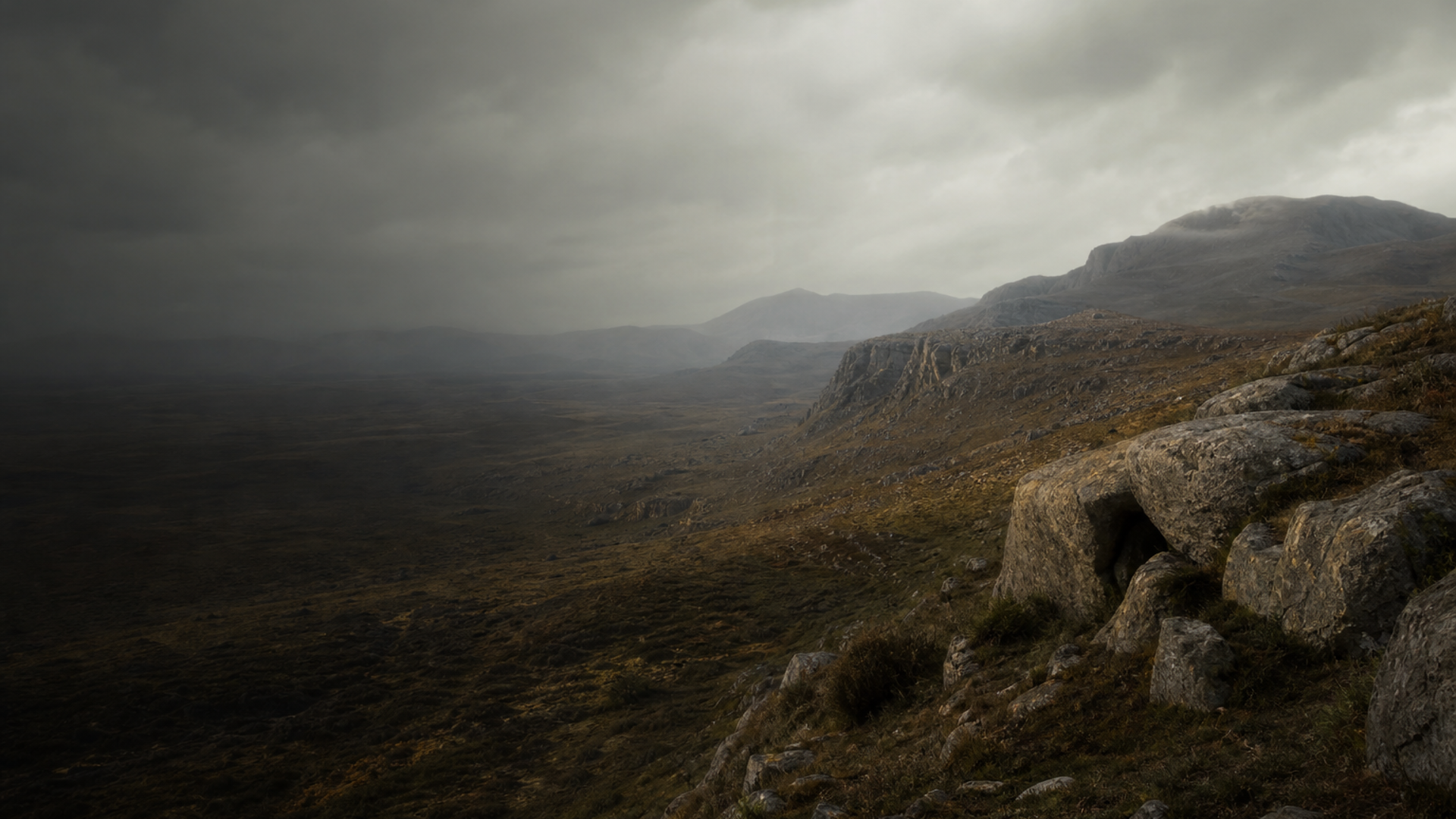
For regions such as the Basque Country, where one sample originates, modern distinctiveness is often emphasized; yet the tiny ancient sample set prevents claims of direct ancestral continuity. Instead, these five individuals illuminate moments when local and incoming ancestries intersected, creating genealogical threads that would be woven by later historical processes. Future larger datasets from the same valleys and settlements could reveal whether the patterns hinted at here were persistent features or ephemeral episodes in Iberia’s deep past.

  • Observed haplogroups are part of the genetic tapestry seen in modern Iberia
  • Small sample size means connections to modern populations remain provisional

AI 助手

AI 助手 由DNAGENICS公司制作

解锁此特性
Ask questions about the Echoes of Middle Bronze Spain culture. Our AI assistant can explain genetic findings, historical context, archaeological evidence, and modern connections.
AI 样本分析

Echoes of Middle Bronze Spain 文化是人类历史中值得了解的一章……

遗传分析揭示了与早期种群的联系,同时显示了独特的适应和文化创新的证据。 古代DNA样本提供了对迁徙模式、社会结构以及古代种群之间的生物关系的深刻见解。

这是人工智能分析的预览。 解锁全AI 助手, 以探索关于:

  • 遗传组成和祖先
  • 移徙模式和起源
  • 日常生活和文化习俗
  • 现代遗传遗产
使用优惠码 可减免 30% • 11月15日 到期




