Echoes of the Ob: Mid-Irtysh Late Neolithic

下载的 PDF 是图像副本。如需可选中文本及更好的辅助技术支持,请使用打印功能。

跳转到主内容
文明焦点

Echoes of the Ob: Mid-Irtysh Late Neolithic

Three Late Neolithic individuals from Omsk-2 and Protoka link riverine archaeology with Siberian genetic threads.

5633 CE - 4346 BCE
Middle Irtysh / Ob River, Russia

剧情

Late Neolithic burials (5633–4346 BCE) from the Middle Irtysh region (Omsk-2, Protoka) reveal a small but striking genetic signal: male-line haplogroup Q in all samples and diverse maternal lineages (T2d, U, A10). Limited evidence; preliminary but evocative.

Time Period

5633–4346 BCE

Region

Middle Irtysh / Ob River, Russia

Common Y-DNA

Q (3)

Common mtDNA

T2d, U, A10

时间线

5633 BCE

Earliest dated sample

One of the sequenced individuals dates to c. 5633 BCE, anchoring the assemblage in the early Late Neolithic of the Mid-Irtysh.

Origins & Emergence

The Late Neolithic communities along the middle Irtysh and Ob rivers occupy a liminal world between deep Siberian forager traditions and the spread of Neolithic lifeways. Archaeological data indicates funerary activity at sites such as Omsk-2 (Omsk Oblast) and Protoka (Kyshtovsky District, Novosibirsk Oblast) spanning roughly 5633–4346 BCE. Material traces — burial positions, grave goods, and riverine settlement patterns — suggest communities adapted to a mosaic of wetlands, forests, and floodplain resources.

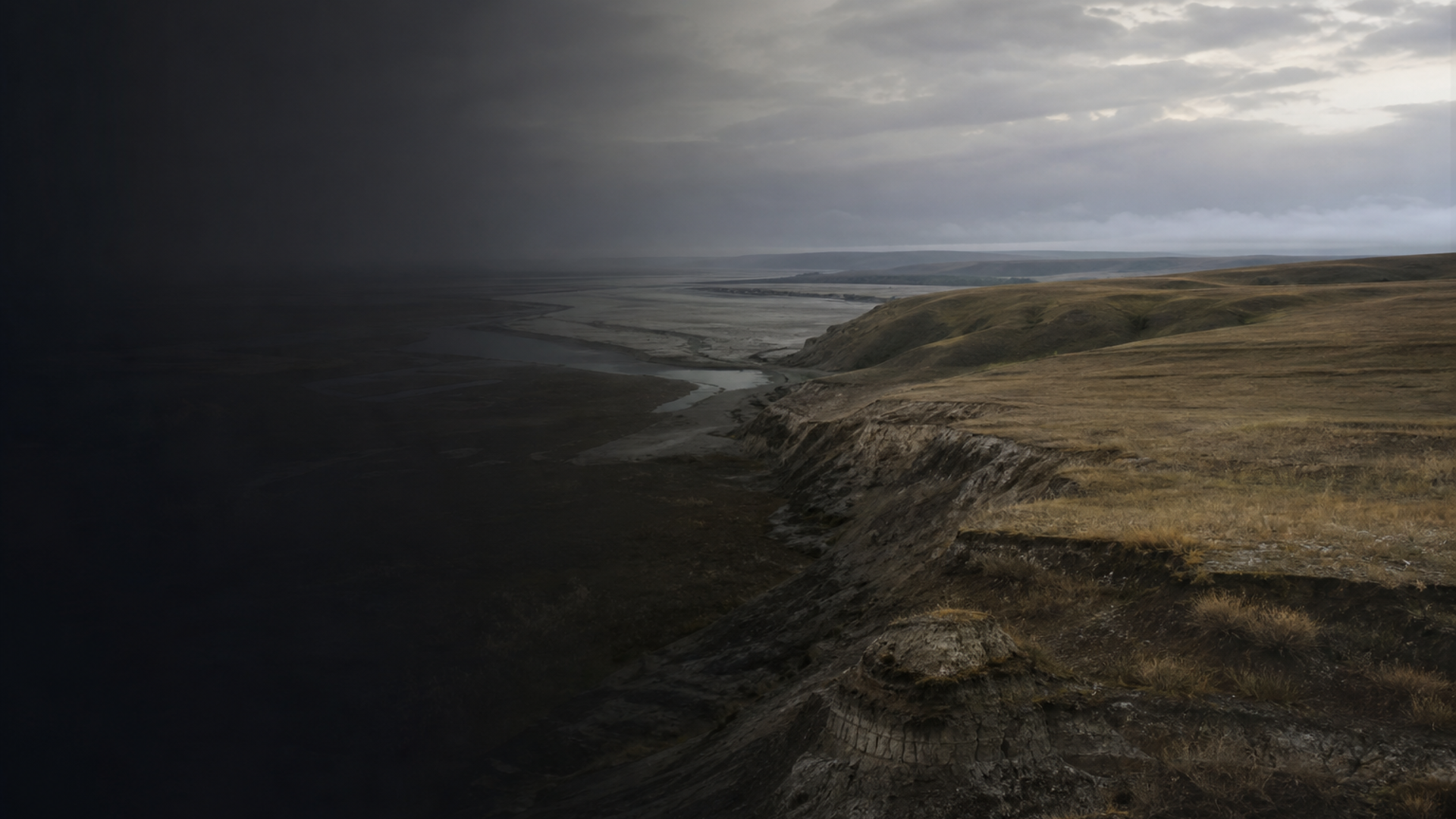
Cinematic river landscapes shaped human mobility: seasonal fish runs, reed beds for construction, and rich hunting grounds would have anchored lifeways. Limited evidence suggests interactions with nearby Late Neolithic Ob River cultural groups and transient contacts with eastern and western neighbors. The mix of local stone tool traditions with occasional non-local artifacts hints at exchange, not wholesale population replacement.

Because only three individuals are available for genome study, conclusions about population dynamics must remain tentative. Archaeological context combined with ancient DNA begins to illuminate who inhabited these river corridors: communities rooted in Siberian prehistory but receptive to far-reaching genetic and cultural threads.

  • Sites: Omsk-2 and Protoka (Middle Irtysh, Ob River)
  • Dates: 5633–4346 BCE, Late Neolithic context
  • Evidence points to riverine adaptation and regional exchange

Daily Life & Society

Daily existence in the Mid-Irtysh Late Neolithic can be imagined as seasonal, mobile, and richly attuned to water. Archaeological deposits at Omsk-2 and nearby localities preserve fish bones, worked bone and antler, and flaked stone tools consistent with hunting, fishing, and trapping economies. Reed and timber architectures are rarely preserved directly, but posthole patterns and riverine faunal remains indicate structures sited for flood cycles and access to aquatic resources.

Burial practice offers social clues: graves at Protoka and Omsk-2, while small in number, show deliberate interment with occasional personal items, suggesting kin-based groups with defined mortuary behavior. Limited evidence suggests varied diets combining freshwater fish, wild mammals, and gathered plants — a flexible economy rather than intensive agriculture. Ornamentation and tool styles indicate social identities tied to river corridors rather than large, hierarchical polities.

This lifeworld was dynamic: seasonal rounds, kin networks, and exchange along waterways formed the scaffolding of society. Archaeology reveals the material contours; genetics provides the threads of ancestry that stitched these communities into broader Eurasian webs.

  • Economy: fishing, hunting, trapping with mixed plant resources
  • Social scale: small kin groups with distinctive mortuary practice

Genetic Profile

The genetic dataset for Russia_Ob_LN_MidIrtysh is small — three individuals — and therefore preliminary. Nevertheless, consistent patterns emerge that can be meaningfully contextualized with caution. All three male samples carry Y-chromosome haplogroup Q, a lineage widely observed in diverse Siberian and Native American contexts and often interpreted as a deep Eurasian-Siberian paternal signal. Archaeological data indicates riverine isolation and mobility, which could have maintained local paternal continuity reflected by Q.

Mitochondrial lineages are more diverse: one individual carries T2d, another U, and a third A10. T2d is one subclade of T2, a haplogroup with connections to Neolithic dispersals in western Eurasia but also present in later northern contexts; U is commonly associated with Mesolithic and Neolithic hunter-gatherer groups across Eurasia; A10 is linked to eastern Eurasian maternal diversity. This mixture suggests multilayered maternal ancestry, reflecting gene flow from both western and eastern Eurasian sources or long-standing local diversity.

Because the sample count is below ten, these patterns should be framed as hypotheses: a strong local Q paternal signal plus heterogeneous maternal inputs. Future sampling could confirm whether Q dominance is representative of the wider Mid-Irtysh population or an artifact of limited burial sampling.

  • All three males: Y-DNA haplogroup Q — possible local Siberian paternal continuity
  • mtDNA diversity (T2d, U, A10) suggests mixed maternal ancestries

Legacy & Modern Connections

The echoes of the Ob River Late Neolithic persist in modern genetic landscapes of western Siberia. Haplogroup Q remains a notable marker across Siberia and into the Americas, and the presence of A10 maternal lineages points to enduring eastern Eurasian contributions. Archaeological continuities in riverine settlement and subsistence resonate with ethnographic lifeways recorded centuries later in the same floodplain environments.

Importantly, the small sample size (three individuals) means connections to contemporary populations are speculative. Still, combining archaeological context with these early genetic signals allows us to imagine how river corridors served as both barriers and bridges — conserving local lineages while enabling episodic contact. As more ancient genomes from the Ob–Irtysh region are recovered, the preliminary portrait offered here can be refined into a fuller narrative of ancestry, mobility, and cultural exchange.

  • Y-DNA Q links to broader Siberian and trans-Beringian paternal histories
  • mtDNA diversity points to sustained east–west genetic connections

AI 助手

AI 助手 由DNAGENICS公司制作

解锁此特性
Ask questions about the Echoes of the Ob: Mid-Irtysh Late Neolithic culture. Our AI assistant can explain genetic findings, historical context, archaeological evidence, and modern connections.
AI 样本分析

Echoes of the Ob: Mid-Irtysh Late Neolithic 文化是人类历史中值得了解的一章……

遗传分析揭示了与早期种群的联系,同时显示了独特的适应和文化创新的证据。 古代DNA样本提供了对迁徙模式、社会结构以及古代种群之间的生物关系的深刻见解。

这是人工智能分析的预览。 解锁全AI 助手, 以探索关于:

  • 遗传组成和祖先
  • 移徙模式和起源
  • 日常生活和文化习俗
  • 现代遗传遗产
使用优惠码 可减免 30% • 11月15日 到期




