Estonia Corded Ware: Steppe Echoes

下载的 PDF 是图像副本。如需可选中文本及更好的辅助技术支持,请使用打印功能。

Estonia Corded Ware: Steppe Echoes

揭开一个失落的文明

正在加载考古记录……

正在收集古代记录

跳转到主内容
Estonia Corded Ware: Steppe Echoes
文明焦点

Estonia Corded Ware: Steppe Echoes

Five genomes from Estonian Corded Ware graves show steppe-linked male lineages and mixed maternal heritage

2872 CE - 2050 BCE
Estonia (Kursi, Jäbara, Sope, Ardu)
滚动开始
Chapter I

剧情

了解 Estonia Corded Ware: Steppe Echoes 文化

Human remains from 2872–2050 BCE at multiple Estonian Corded Ware sites reveal predominantly R Y-chromosomes and mixed maternal mtDNA. Limited samples suggest a strong steppe input with local maternal continuity — preliminary but evocative.

Time Period

2872–2050 BCE

Region

Estonia (Kursi, Jäbara, Sope, Ardu)

Common Y-DNA

R (4/5)

Common mtDNA

U (2), J, H, T

Chapter II

时间线

这种文化历史上的关键时刻

2500 BCE

Corded Ware horizon in Estonia

Archaeological evidence shows Corded Ware markers (burials, pottery styles) appearing across Estonia, aligning with steppe-influenced population movements.

Chapter III

Origins & Emergence

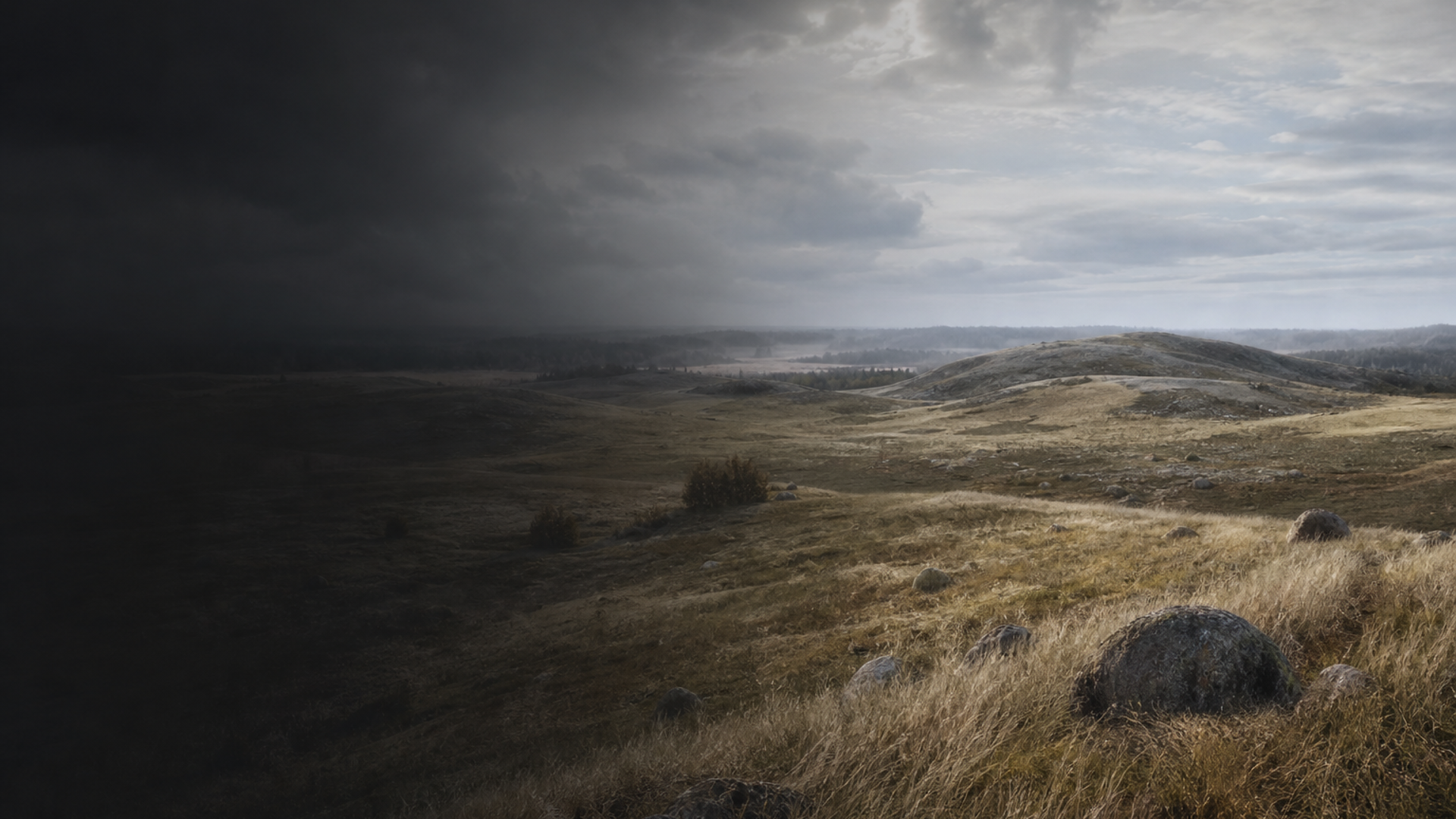
The Corded Ware presence in Estonia unfolds like a cinematic horizon: new pottery styles, isolated inhumations and directional burial rites arrive on a landscape long shaped by Mesolithic and Neolithic communities. Archaeological data indicates Corded Ware horizons reached what is now Estonia during the late 3rd millennium BCE. The five genomes in this dataset come from burials dated between 2872 and 2050 BCE at Kursi (Jõgeva), Jäbara (Ida-Viru), Sope, and Ardu (Harju).

Material culture links these graves to the wider Corded Ware phenomenon across northeastern Europe — a cultural mosaic often associated with mobile pastoralist lifeways and the dispersal of new burial customs. Genetically, Corded Ware groups elsewhere show a pronounced steppe-derived ancestry component; archaeological indicators in Estonia suggest participation in the same broad movement, though local expressions and interactions with long-established northern communities are evident.

Limited evidence from these specific Estonian sites means scenarios about migration speed, population turnover, and cultural adoption remain provisional. Still, the convergence of Corded Ware artifacts and radiocarbon dates places these individuals within a transformative period when steppe-linked networks were reshaping northern Europe.

  • Corded Ware arrival in Estonia dated to late 3rd millennium BCE
  • Samples from Kursi, Jäbara, Sope, and Ardu (2872–2050 BCE)
  • Archaeology indicates both incoming practices and local continuity
Chapter IV

Daily Life & Society

The skeletal and grave contexts evoke lives lived at the edge of two worlds: communities practicing Corded Ware funerary rites while embedded in northern landscapes of forests, rivers and Baltic coasts. Corded Ware burials across the region often feature single inhumations, frequently with pottery decorated by cord impressions and occasional battle-axes or flint tools; such markers signal social identities tied to mobility, craft, and possibly pastoralism.

In Estonia the environmental setting favored mixed subsistence — hunting, fishing, small-scale farming and animal husbandry — and goods moved along river corridors and coastal routes. Isotopic studies in analogous regions suggest diets combining terrestrial and aquatic protein, seasonal mobility, and the exchange of objects over long distances.

Archaeologically, local traditions persisted alongside arriving practices: pottery shapes, burial placement and artifact assemblages sometimes show hybrid forms, implying cultural negotiation rather than wholesale replacement. These nuanced patterns are consistent with genetics that detect both incoming steppe signatures and longstanding maternal lineages from the north.

  • Burials align with Corded Ware single-inhumation rites and cord-decorated pottery
  • Subsistence likely mixed: hunting, fishing, early farming and animal management
Chapter V

Genetic Profile

The genetic snapshot from five individuals offers a powerful, if preliminary, window into population dynamics. Four of the five males carry Y-chromosome haplogroup R, a marker that across Europe is strongly associated with steppe-derived groups and with the broader Corded Ware genetic signature. Maternal lineages are more varied: two individuals carry mtDNA U (often linked to European hunter-gatherer ancestry), and the others belong to J, H and T — haplogroups common in Neolithic and Bronze Age Europe.

Taken together, this pattern mirrors a recurrent theme in Corded Ware contexts: predominantly steppe-related male ancestry combined with diverse maternal inputs, suggesting sex-biased admixture or migration. However, with only five samples (fewer than ten), conclusions must remain cautious; small sample counts can misrepresent population heterogeneity and demographic complexity. Archaeological context supports genetic evidence of incoming influences, but local genetic continuity — signaled by U-lineages — points to interaction rather than simple replacement.

Future wider sampling and genome-wide analyses across Estonia will be needed to quantify steppe ancestry proportions, detect subtle local continuity, and test models of migration, marriage patterns and social structure during this transformative era.

  • High frequency of Y-haplogroup R (4/5) — consistent with steppe-linked Corded Ware males
  • Maternal mtDNA mix (U, J, H, T) suggests local hunter-gatherer and Neolithic contributions
Chapter VI

Legacy & Modern Connections

The echoes of these Estonian Corded Ware individuals reach into modern genetic landscapes: Y-haplogroup R remains widespread across Europe, and maternal haplogroups like H and U persist among present-day populations. While it is tempting to draw direct lines from Bronze Age graves to living Estonians, the truth is a palimpsest — repeated migrations, local resilience and centuries of cultural change have layered ancestry signals.

Archaeogenetic data from these five individuals hints at one chapter of that story: an influx of steppe-associated male lineages mixing with diverse local mothers. This pattern likely contributed to the genetic substrate of northern Europe but must be placed within a long-term sequence of demographic events. As more samples from Estonia are analyzed, the nuanced interactions between mobility, culture and kinship will become clearer, turning preliminary glimpses into a richer historical narrative.

  • Modern persistence of key haplogroups (R, H, U) links past to present
  • Current conclusions are tentative; expanded sampling will refine connections
AI 电源

AI 助手

就 Estonia Corded Ware: Steppe Echoes 文化提问

AI 助手 由DNAGENICS公司制作

解锁此特性
Ask questions about the Estonia Corded Ware: Steppe Echoes culture. Our AI assistant can explain genetic findings, historical context, archaeological evidence, and modern connections.
AI 样本分析

Estonia Corded Ware: Steppe Echoes 文化是人类历史中值得了解的一章……

遗传分析揭示了与早期种群的联系,同时显示了独特的适应和文化创新的证据。 古代DNA样本提供了对迁徙模式、社会结构以及古代种群之间的生物关系的深刻见解。

这是人工智能分析的预览。 解锁全AI 助手, 以探索关于:

  • 遗传组成和祖先
  • 移徙模式和起源
  • 日常生活和文化习俗
  • 现代遗传遗产

探索更古老的文化

揭开古代世界文明的故事

使用优惠码 可减免 35% • 11月12日 到期