Goyet Q53-1 — Ice Age Voice

下载的 PDF 是图像副本。如需可选中文本及更好的辅助技术支持,请使用打印功能。

Goyet Q53-1 — Ice Age Voice

揭开一个失落的文明

正在加载考古记录……

正在收集古代记录

跳转到主内容
Goyet Q53-1 — Ice Age Voice
文明焦点

Goyet Q53-1 — Ice Age Voice

A lone Upper Paleolithic genome from Goyet’s Troisieme caverne, Belgium (c. 26,400–25,800 BCE)

26440 CE - 25823 BCE
Goyet Cave, Namur province, Belgium
滚动开始
Chapter I

剧情

了解 Goyet Q53-1 — Ice Age Voice 文化

Genetic and archaeological evidence from a single individual recovered in the Troisieme caverne of Goyet Cave (Belgium) offers a rare glimpse into Upper Paleolithic life in northwestern Europe. Limited samples mean conclusions are preliminary, but DNA (mtDNA U2) links to broader Ice Age populations.

Time Period

c. 26,440–25,823 BCE

Region

Goyet Cave, Namur province, Belgium

Common Y-DNA

Unknown (not reported)

Common mtDNA

U2 (1 sample)

Chapter II

时间线

这种文化历史上的关键时刻

26131 BCE

Goyet Q53-1 — Upper Paleolithic individual

Single individual dated to c. 26,440–25,823 BCE recovered from the Troisieme caverne of Goyet Cave, Belgium.

Chapter III

Origins & Emergence

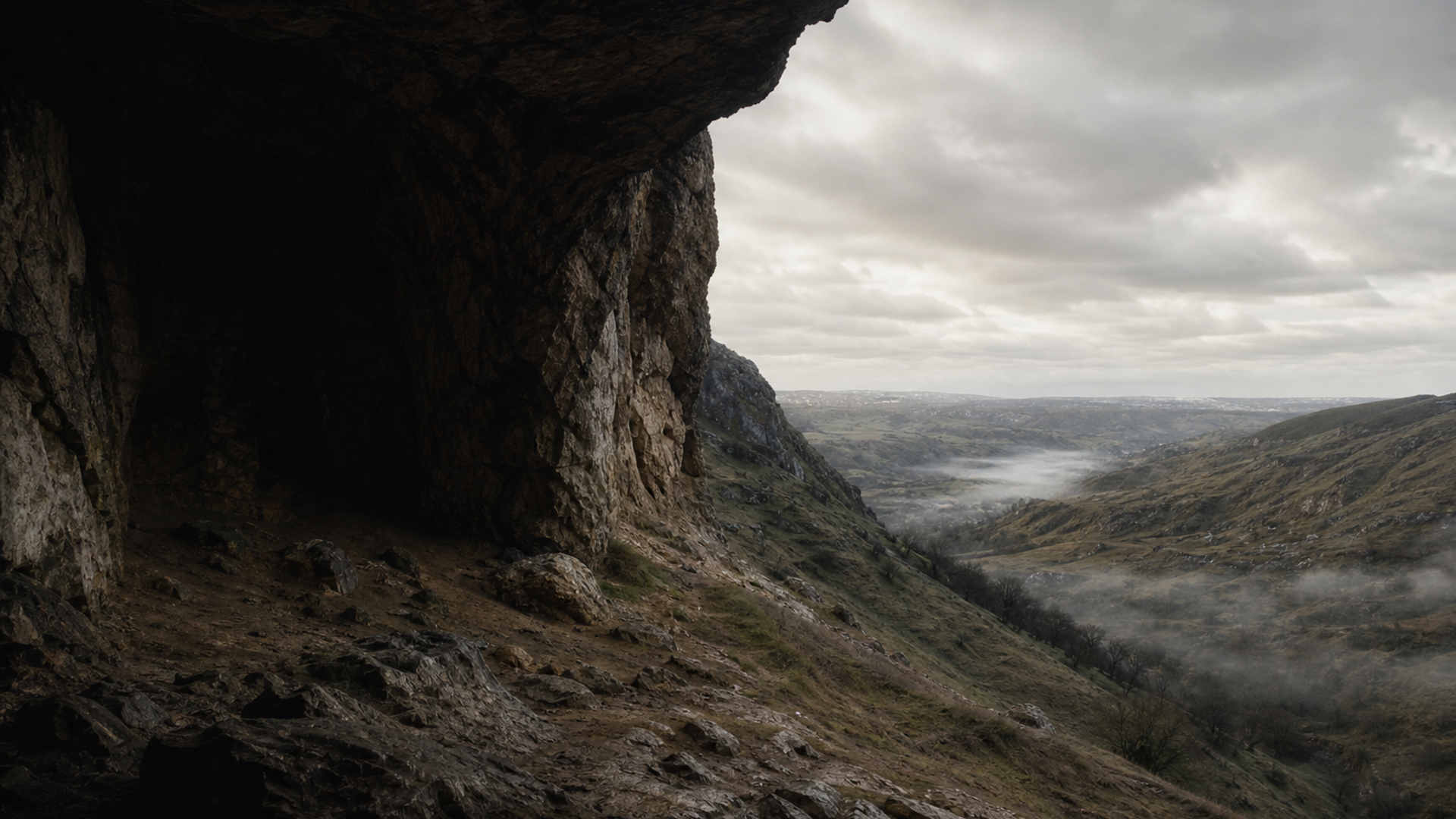
The lone genome from Goyet’s Troisieme caverne dates to the heart of the Last Glacial Maximum’s aftermath, roughly between 26,440 and 25,823 BCE. Archaeological layers at Goyet Cave (Troisieme caverne) preserve a tapestry of stone tools, hearths, and faunal remains that speak to repeated human use across millennia. The individual designated Belgium_UP_GoyetQ53_1 emerged within a landscape of cold tundra interspersed with riverine woodlands along the Meuse basin.

Archaeological data indicates occupation by Upper Paleolithic hunter-gatherers who exploited reindeer, horse, and other large mammals; lithic assemblages from Goyet are often linked with Late Aurignacian to Gravettian technologies in this region. Limited direct associations between a single genetic sample and broader material culture mean that any cultural assignment must be cautious. Genetic evidence provides a complementary angle: the mitochondrial lineage (U2) places this person within maternal diversity known in Upper Paleolithic Europe, suggesting connections to wide-ranging Ice Age populations.

Limited evidence suggests mobility and interaction across western Europe during this time, but with only one sequenced individual from this context, patterns of population movement, continuity, or replacement remain tentative and should be treated as provisional.

  • Single genome dated c. 26,440–25,823 BCE from Troisieme caverne, Goyet Cave
  • Material culture at Goyet spans Late Aurignacian–Gravettian traditions
  • mtDNA U2 links to maternal lineages seen in other Upper Paleolithic Europeans
Chapter IV

Daily Life & Society

In the flicker of hearthlight within Goyet’s chambers, daily life would have centered on hunting, tool production, and social sharing. Archaeological excavations in the Goyet complex reveal concentrations of flint knapping debris, charred bone, and stones arranged around hearths—evidence of repeated occupation episodes. Faunal remains suggest specialization on cold-adapted species such as reindeer and horse; these animals were vital for meat, hides, and raw materials for clothing and shelter.

Spatial patterns within the Troisieme caverne indicate activity zones where stone tools were produced and repaired, and where food processing took place. Artistic expression and symbolic behavior are known from other chambers in Goyet (faunal modifications and possible personal ornaments), hinting at shared rituals or identity markers among groups that used the cave system.

Because the genetic dataset here consists of a single individual, social structure, kinship patterns, and community size cannot be robustly inferred. However, integrating archaeology with even one genome allows us to imagine a person embedded in networks of cooperation, seasonal mobility, and technological knowledge transmission across Ice Age western Europe.

  • Hearths, flint knapping debris, and faunal concentrations attest to repeated occupation
  • Hunting of reindeer and horse provided food, hides, and tools
Chapter V

Genetic Profile

The sequenced individual from Goyet (Belgium_UP_GoyetQ53_1) preserves mitochondrial haplogroup U2. In Upper Paleolithic Europe, U2 is one of several maternal lineages (including U5 and U4) that reflect deep Ice Age ancestry. The presence of U2 in this sample suggests maternal connections to broad western Eurasian hunter-gatherer populations during the Late Pleistocene.
No Y-chromosome haplogroup is reported for this individual, and the sample count is one; therefore any population-level claims would be premature. Archaeogenomic comparisons typically use pooled datasets to detect admixture, continuity, or demographic shifts. With only a single mtDNA data point, we can cautiously say the maternal lineage is consistent with other Ice Age genomes but cannot resolve local population structure, sex-biased migration, or fine-scale kinship.

Still, even a solitary genome can anchor archaeological layers to genetic landscapes: it provides a temporal genetic snapshot from the Troisieme caverne and helps calibrate broader models of post-glacial recolonization, refugia, and later interactions. Future samples from Goyet and neighboring sites are essential to test hypotheses about population continuity or replacement in Belgium during the Upper Paleolithic.

  • mtDNA U2 identified — aligns with known Upper Paleolithic maternal diversity
  • Only one genome: conclusions about population structure are preliminary
Chapter VI

Legacy & Modern Connections

The echo of this Ice Age individual persists in two complementary ways: materially, through the stone and bone record preserved in Goyet’s caverns; genetically, through a mitochondrial lineage that participates in Europe’s deep ancestral mosaic. Archaeological strata at Goyet connect multiple episodes of human presence in a key corridor of northwestern Europe, while the mitochondrial signal situates one person within continental patterns of maternal descent.

Caution is paramount: a single mitochondrial record cannot trace direct ancestry to modern populations. Nevertheless, the sample enriches our temporal coverage, narrowing the gap between archaeological chronology and genetic history. As more genomes from Belgium and adjacent regions are recovered, researchers will better resolve how Ice Age populations contributed to later Mesolithic and Neolithic gene pools. For museum audiences, Goyet Q53-1 offers a cinematic reminder that deep human stories are built from both stone and strand.

  • Provides a genetic anchor for Goyet’s Upper Paleolithic layers
  • Highlights need for additional samples to link Ice Age genomes to later Europeans
AI 电源

AI 助手

就 Goyet Q53-1 — Ice Age Voice 文化提问

AI 助手 由DNAGENICS公司制作

解锁此特性
Ask questions about the Goyet Q53-1 — Ice Age Voice culture. Our AI assistant can explain genetic findings, historical context, archaeological evidence, and modern connections.
AI 样本分析

Goyet Q53-1 — Ice Age Voice 文化是人类历史中值得了解的一章……

遗传分析揭示了与早期种群的联系,同时显示了独特的适应和文化创新的证据。 古代DNA样本提供了对迁徙模式、社会结构以及古代种群之间的生物关系的深刻见解。

这是人工智能分析的预览。 解锁全AI 助手, 以探索关于:

  • 遗传组成和祖先
  • 移徙模式和起源
  • 日常生活和文化习俗
  • 现代遗传遗产

探索更古老的文化

揭开古代世界文明的故事

使用优惠码 可减免 35% • 11月12日 到期




