Haminmangha Neolithic Individual

下载的 PDF 是图像副本。如需可选中文本及更好的辅助技术支持,请使用打印功能。

Haminmangha Neolithic Individual

揭开一个失落的文明

正在加载考古记录……

正在收集古代记录

跳转到主内容
Haminmangha Neolithic Individual
文明焦点

Haminmangha Neolithic Individual

A single Middle Neolithic genome from Horqin, Inner Mongolia linking archaeology and DNA

3710 CE - 3533 BCE
Inner Mongolia, China (Horqin, Xibet Town)
滚动开始
Chapter I

剧情

了解 Haminmangha Neolithic Individual 文化

A Middle Neolithic individual (c. 3710–3533 BCE) from the Haminmangha site in Horqin, Inner Mongolia. Archaeological context and a single mtDNA D4j genome offer a cautious glimpse into northern Neolithic lifeways and maternal lineages in prehistoric East Asia.

Time Period

3710–3533 BCE (sample date)

Region

Inner Mongolia, China (Horqin, Xibet Town)

Common Y-DNA

No Y-DNA reported

Common mtDNA

D4j (1 sample)

Chapter II

时间线

这种文化历史上的关键时刻

3630 BCE

Interment at Haminmangha

A Middle Neolithic burial at Haminmangha (Horqin, Inner Mongolia), dated c. 3710–3533 BCE, yielded the single genome with mtDNA D4j used in current analyses.

Chapter III

Origins & Emergence

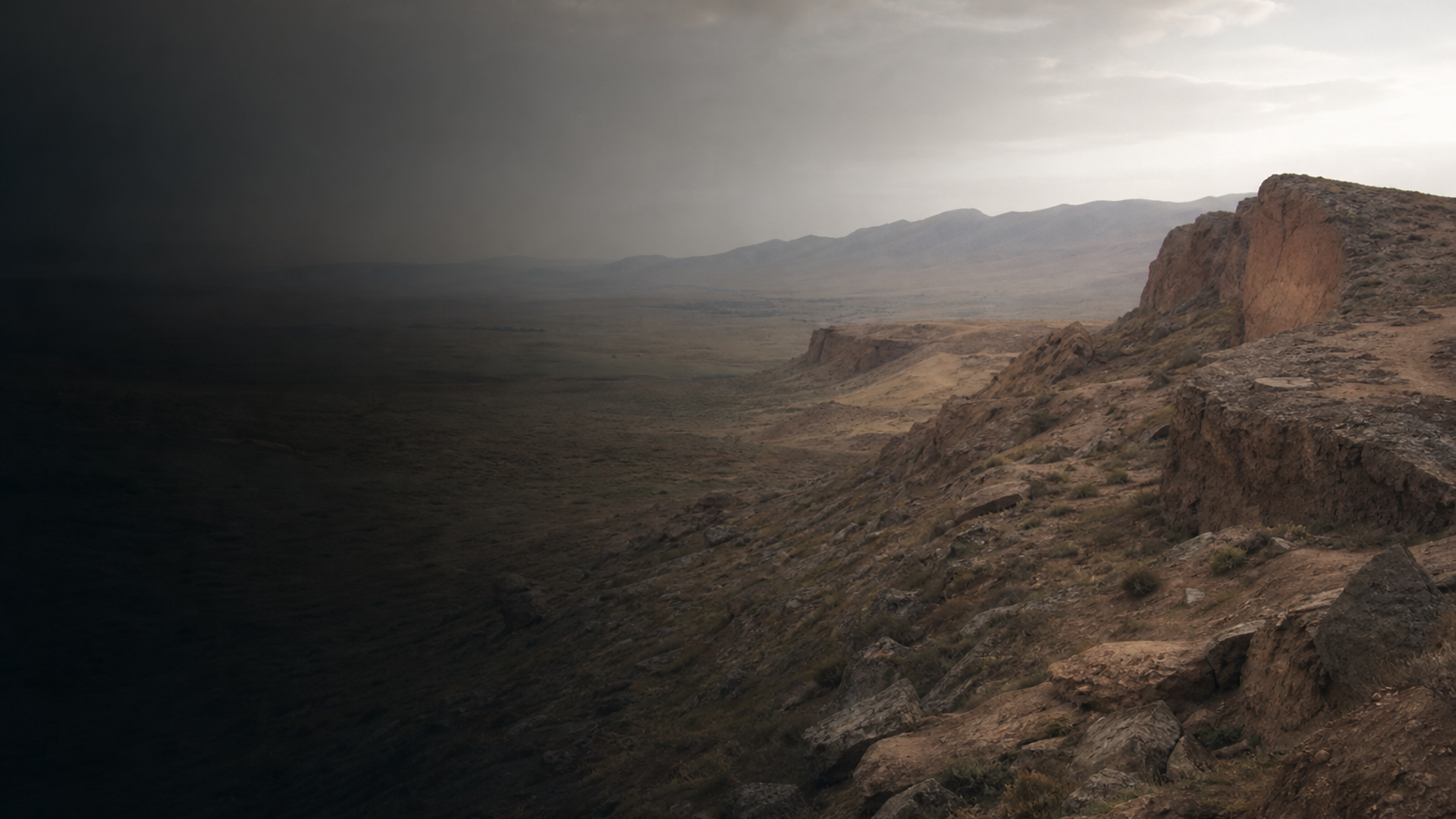
The Haminmangha individual comes from a thin veil of earth in Horqin (Xibet Town), Inner Mongolia, dated to roughly 3710–3533 BCE. Archaeological data indicates this horizon belongs to the Middle Neolithic mosaic of northern China—an era when local hunter‑gatherer groups and emerging farming communities intersected along river valleys and grassland margins.

Limited evidence suggests the Haminmangha site was a modest habitation and burial locus rather than a large village. The material traces preserved there—pottery sherds, burned features and lithic tools—evoke a landscape of seasonal movement and localized craft. The radiant, cinematic image of people shaping clay and tending fields across the steppe edge is supported by the stratigraphy and radiocarbon dates but must remain provisional: the record at Haminmangha is sparse and heavily context‑dependent.

Archaeologically, this locale sits at a crossroads between interior Mongolia’s grasslands and the loess plains to the south. That position likely fostered cultural exchange: technologies, motifs and subsistence practices would have flowed along these corridors. Yet, with only a single genetic sample from the site, lines of cultural continuity and migration remain hypotheses to be tested against future discoveries.

  • Single-sample context dated to 3710–3533 BCE
  • Middle Neolithic horizon at Haminmangha in Horqin
  • Site reflects small-scale habitation and burial activity
Chapter IV

Daily Life & Society

Archaeological traces at Haminmangha paint a textured, if fragmentary, portrait of daily life on the northern edge of Neolithic China. Hearths and burned features suggest routine cooking and processing of food; pottery fragments point to ceramic traditions used for storage and boiling. The broader Middle Neolithic of Inner Mongolia shows evidence for mixed subsistence—gathering, hunting and early cultivation—so it is reasonable to imagine a seasonal rhythm of mobility, animal exploitation and localized cultivation.

Material culture recovered nearby—simple corded pottery, flaked stone tools and ground stone implements—suggests households oriented toward pragmatic production rather than monumental construction. Social organization was likely kin-based and flexible, with small groups cooperating across the landscape. Funerary remains, including the single interment tied to this genome, provide intimate glimpses into social identity: burial treatment and accompanying artifacts can signal age, gendered roles or social ties, but at Haminmangha the assemblage is too limited for broad generalizations.

In cinematic terms: a woman or man tending a small hearth at dusk, pottery steaming with millet gruel, dogs at the perimeter—this is a plausible everyday scene, yet archaeological caution requires us to hold such images lightly until more data emerges.

  • Evidence of hearths, pottery and stone tools
  • Likely mixed subsistence with seasonal mobility
Chapter V

Genetic Profile

Genetic data from Haminmangha currently rests on a single genome with mitochondrial haplogroup D4j. D4 lineages are widespread across prehistoric and modern East Asia and Northeast Asia; D4j in particular appears in both ancient and contemporary populations, linking maternal ancestry across millennia. This single mtDNA result suggests a matrilineal connection to broader East Asian maternal pools but cannot by itself reveal population structure, admixture, or migration dynamics.

Because only one sample is available, any population-level inference would be premature. Ancient autosomal genomes, multiple uniparental markers and larger sample sizes are required to resolve affinities between grassland foragers, early millet cultivators and neighboring Neolithic groups. Nonetheless, the presence of D4j aligns with other Middle Neolithic and later ancient genomes from northern and eastern China that show continuity of East Asian maternal lineages through the Holocene.

In genetic terms, the key message is restraint: the Haminmangha mtDNA provides a valuable data point that threads into a growing regional tapestry of ancient DNA, but the story it tells is necessarily provisional. Future samples from Horqin and adjacent regions will determine whether this lineage reflects local continuity, small‑scale movement, or wider demographic exchange.

  • mtDNA D4j observed in the single genome
  • Sample size (n=1) makes population conclusions preliminary
Chapter VI

Legacy & Modern Connections

The Haminmangha individual offers a fleeting but evocative bridge between ancient lifeways and modern genetic landscapes. Mitochondrial lineages like D4j persist in contemporary East Asian populations, suggesting threads of maternal continuity across thousands of years. Archaeologically, the site underscores how small, mobile communities on the steppe margins contributed to the cultural diversity of Neolithic China.

Cautious interpretation is essential: with one sequenced genome, we cannot claim direct ancestry lines to specific modern groups. Rather, this find contributes to an accumulating dataset that—over time—will clarify patterns of continuity, migration and cultural interaction. The cinematic image is of a long human chain: hands shaping pottery, mothers and children moving across grassland, lineages carried forward in mitochondrial DNA, waiting for future discoveries to reveal their full trajectory.

  • mtDNA link to broader East Asian maternal lineages
  • Find underscores the importance of expanded sampling in Inner Mongolia
AI 电源

AI 助手

就 Haminmangha Neolithic Individual 文化提问

AI 助手 由DNAGENICS公司制作

解锁此特性
Ask questions about the Haminmangha Neolithic Individual culture. Our AI assistant can explain genetic findings, historical context, archaeological evidence, and modern connections.
AI 样本分析

Haminmangha Neolithic Individual 文化是人类历史中值得了解的一章……

遗传分析揭示了与早期种群的联系,同时显示了独特的适应和文化创新的证据。 古代DNA样本提供了对迁徙模式、社会结构以及古代种群之间的生物关系的深刻见解。

这是人工智能分析的预览。 解锁全AI 助手, 以探索关于:

  • 遗传组成和祖先
  • 移徙模式和起源
  • 日常生活和文化习俗
  • 现代遗传遗产

探索更古老的文化

揭开古代世界文明的故事

使用优惠码 可减免 35% • 11月12日 到期




