Iberian Echoes

下载的 PDF 是图像副本。如需可选中文本及更好的辅助技术支持,请使用打印功能。

Iberian Echoes

揭开一个失落的文明

正在加载考古记录……

正在收集古代记录

跳转到主内容
Iberian Echoes
文明焦点

Iberian Echoes

From cave hearths to Bronze Age citadels — the shifting people of the Iberian Peninsula

40000 BCE - 100 BCE
Spain, Portugal (Iberian Peninsula)
2 Ancient Samples
滚动开始
Chapter I

剧情

了解 Iberian Echoes 文化

Archaeological and genetic evidence from 136 samples across Spain and Portugal (c. 40000 BCE–100 BCE) traces a long arc: Paleolithic hunter‑gatherers, Neolithic farmers, and Bronze Age newcomers combined to form the genetic and cultural landscape of ancient Iberia.

Time Period

c. 40000 BCE – 100 BCE (focus Early Bronze Age)

Region

Spain, Portugal (Iberian Peninsula)

Common Y-DNA

R (43), I (17), H2 (4), C (4), G (3)

Common mtDNA

U (28), K (27), J (20), H (16), H1 (7)

Chapter II

时间线

这种文化历史上的关键时刻

2500 BCE

Bronze Age reorganization

Fortified settlements, specialized metallurgy and new burial practices appear in parts of Iberia, signaling social complexity and increased long‑distance connections.

Chapter III

Origins & Emergence

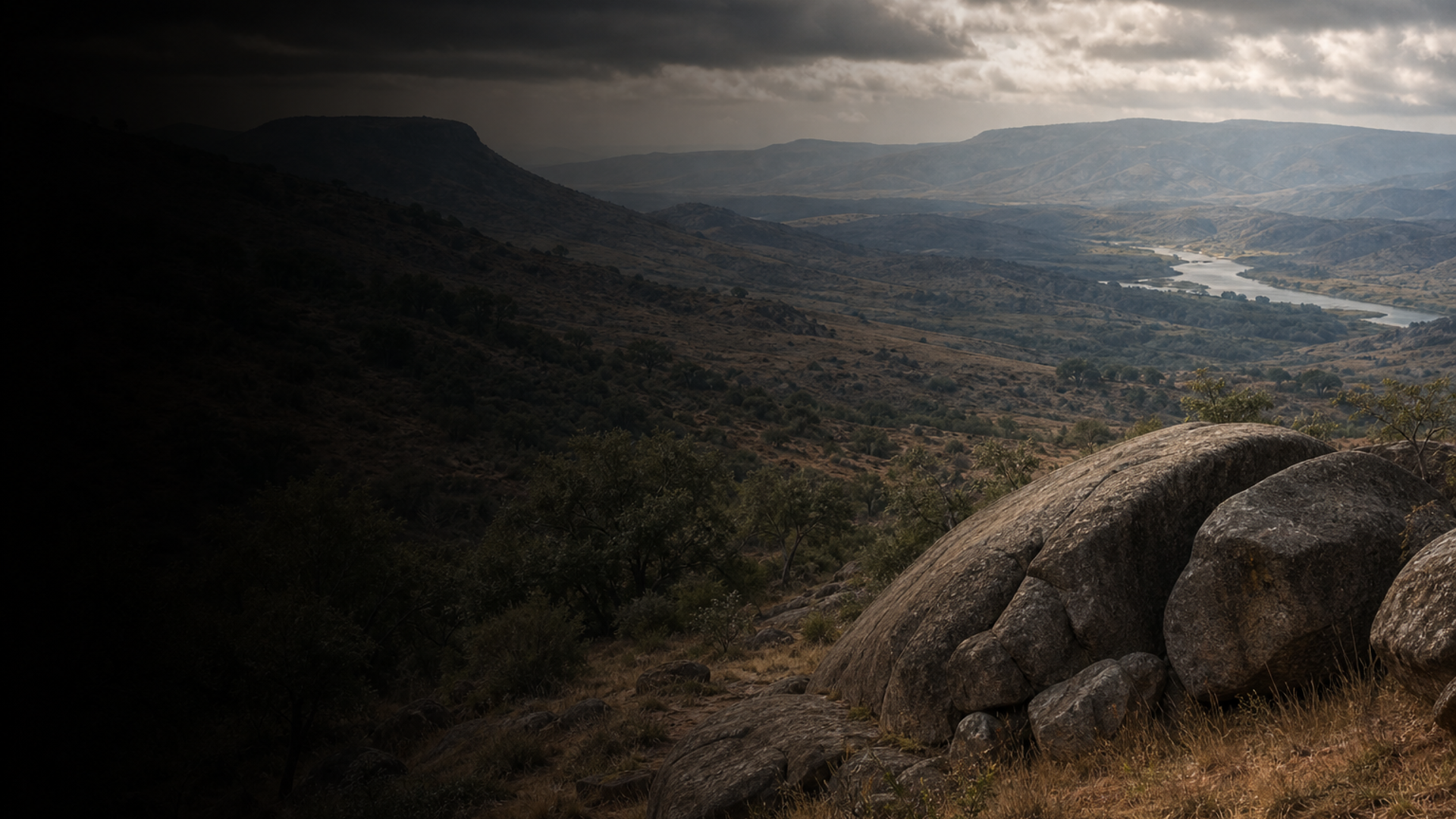
Beneath the windswept ridges and limestone caves of the Iberian Peninsula lies a deep palimpsest of human presence. Archaeological sites cited in the dataset — El Portalón Cave and the Sierra de Atapuerca, La Braña‑Arintero, Cueva de los Lagos, Cabezo Redondo and others — preserve a sequence from Upper Paleolithic foragers to Neolithic farmers and later Bronze Age societies. Radiocarbon and stratigraphic evidence place occupations in the record between roughly 40,000 BCE and the close of the pre‑Roman centuries around 100 BCE.

The material record shows long‑term continuity alongside punctuated change. Early hunter‑gatherer traditions persisted in northern and interior valleys while the arrival of farming in the Neolithic introduced new pottery, domesticated plants and animals, and sedentary village life. Archaeological data indicates a major social reorganization during the late 3rd and early 2nd millennium BCE (regional Bronze Age), when fortified settlements, specialized metallurgy and large burial monuments become more visible in southeast and central Iberia.

Limited evidence suggests these cultural transformations were accompanied by movements of people as well as ideas. The genetic data from 136 ancient individuals supports a model in which indigenous Paleolithic/Neolithic ancestries persisted even as new ancestries arrived in the Bronze Age, producing the mosaic populations archaeologists encounter in the field.

  • Long sequence: c. 40000 BCE–100 BCE across Spain and Portugal
  • Key sites include Sierra de Atapuerca, El Portalón, La Braña, Cabezo Redondo
  • Cultural shifts in Late Neolithic and Bronze Age with fortified sites and metallurgy
Chapter IV

Daily Life & Society

Life in ancient Iberia was textured by geography — Atlantic coasts, interior plateaus and Mediterranean lowlands each fostered distinct lifeways. In cave sites such as Cueva de las Lechuzas and La Braña, bone toolkits, stone blades and hearth remains speak of hunting, seasonal foraging, and craft production. In contrast, Bronze Age settlements like Cabezo Redondo and some El Argar-associated tells in southeast Spain show planned houses, metallurgical debris and storage features indicating more intensive agriculture and craft specialization.

Burial practices vary across the region and through time. Collective tombs and megalithic monuments in some areas point to shared ancestor rituals, while single inhumations with grave goods in Bronze Age cemeteries suggest differential status or emerging social hierarchy. Material culture — pottery styles, metalwork and ornamentation — reflects both local innovation and long‑distance exchange across the western Mediterranean.

Archaeobotanical and zooarchaeological remains reveal a mixed diet of cereals, pulses, domesticated sheep and goats, supplemented by wild game and marine resources where available. These combined lines of evidence depict communities negotiating changing climates, technologies, and social networks over millennia.

  • Varied subsistence: farming, herding, hunting, and coastal resources
  • Social change visible in burial variability and fortified Bronze Age settlements
Chapter V

Genetic Profile

The dataset of 136 ancient individuals offers a broad, though regionally uneven, window into Iberian genetic history. Mitochondrial haplogroups such as U (28 individuals), K (27), J (20) and H (16, including H1) reflect a long continuity of maternal lineages tied to both Paleolithic hunter‑gatherers and incoming Neolithic farmers. Y‑chromosome diversity is dominated by haplogroup R (43 samples) with substantial representation of I (17) and smaller counts of H2, C and G, consistent with a mixed paternal ancestry across time.

Archaeogenetic analyses across Iberia indicate several major threads: persistent local ancestry derived from Mesolithic hunter‑gatherers and Neolithic migrants from the Aegean/Anatolian farming horizon; and a measurable influx of steppe‑related ancestry during the Bronze Age that increases frequencies of R‑lineages in some regions. However, levels of newcomer ancestry vary geographically — coastal and southwestern areas sometimes show different proportions than interior and northern sites. Limited sample sizes at particular sites mean regional reconstructions remain provisional.

In the case of La Braña, genomic data previously demonstrated strong hunter‑gatherer signals persisting into the Mesolithic–Neolithic transition; other sites in the database show more farmer‑associated profiles. Overall, genetics complements archaeology by revealing migrations and admixture events, while also underscoring deep local continuity in the Iberian gene pool.

  • Maternal lineages dominated by U, K, J, H — mix of hunter‑gatherer and farmer origins
  • Paternal profile shows prevalence of R with notable I and minority H2, C, G; steppe influx evident in Bronze Age
Chapter VI

Legacy & Modern Connections

The deep past of Iberia casts a long shadow into the present. Genetic legacies from Mesolithic, Neolithic and Bronze Age populations contribute to the modern Iberian gene pool, visible today in the persistence of maternal haplogroups like H and U and the frequency of R‑lineage paternal markers. Archaeological traditions — megalithic tombs, metallurgy, and fortified settlements — also shaped later cultural trajectories, influencing Iron Age societies such as Tartessian and El Argar descendants.

Caution is warranted: while broad patterns are robust, regional heterogeneity and limited sampling in some areas mean local stories must remain tentative. Ongoing ancient DNA sampling, combined with fresh excavations at sites like El Portalón and Cabezo Redondo, will refine our understanding of how migration, admixture and cultural exchange produced the mosaic of ancient Iberia.

  • Ancient lineages contributed to modern Iberian genetic diversity
  • Archaeology and DNA together show both continuity and episodic migration
Chapter VII

样本目录

2 份与 Iberian Echoes 文化相关的古 DNA 样本,为研究该时期的人群提供遗传线索。

2 / 2 samples
纵向 样本 国家 大纪元 日期 文化 性别 Y-DNA mtDNA
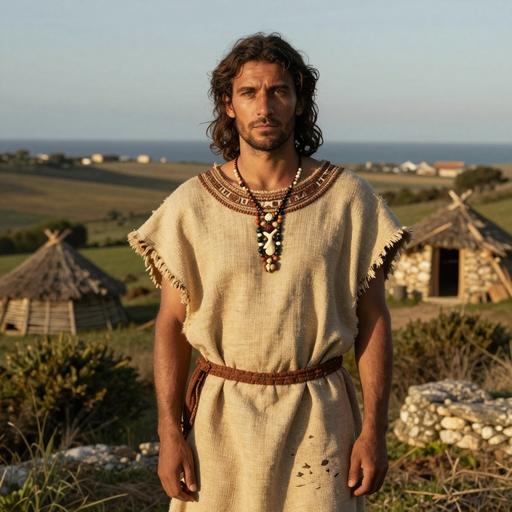
重建的肖像画 LN individual, Portugal
LN individual, Portugal
Portugal Portugal_LN 2563-2210 calBCE (3911±44 BP, UBA-40077) Iberian F - V+@16298
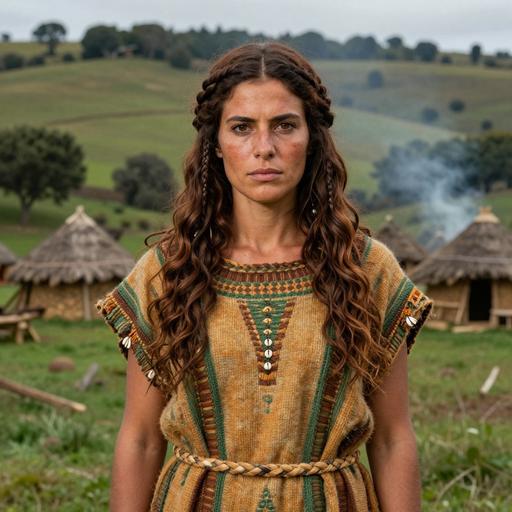
重建的肖像画 LN individual, Portugal
LN individual, Portugal
Portugal Portugal_LN 2470-2291 calBCE (3901±31 BP, UBA-40078) Iberian M I-L161 K1a1
AI 电源

AI 助手

就 Iberian Echoes 文化提问

AI 助手 由DNAGENICS公司制作

解锁此特性
Ask questions about the Iberian Echoes culture. Our AI assistant can explain genetic findings, historical context, archaeological evidence, and modern connections.
AI 样本分析

Iberian Echoes 文化是人类历史中值得了解的一章……

遗传分析揭示了与早期种群的联系,同时显示了独特的适应和文化创新的证据。 古代DNA样本提供了对迁徙模式、社会结构以及古代种群之间的生物关系的深刻见解。

这是人工智能分析的预览。 解锁全AI 助手, 以探索关于:

  • 遗传组成和祖先
  • 移徙模式和起源
  • 日常生活和文化习俗
  • 现代遗传遗产

探索更古老的文化

揭开古代世界文明的故事

使用优惠码 可减免 35% • 11月12日 到期