Iceland 2000: Living Heritage & Ancestry

下载的 PDF 是图像副本。如需可选中文本及更好的辅助技术支持,请使用打印功能。

Iceland 2000: Living Heritage & Ancestry

揭开一个失落的文明

正在加载考古记录……

正在收集古代记录

跳转到主内容
Iceland 2000: Living Heritage & Ancestry
文明焦点

Iceland 2000: Living Heritage & Ancestry

A modern snapshot where archaeology, history and DNA meet

2000 CE
Iceland
滚动开始
Chapter I

剧情

了解 Iceland 2000: Living Heritage & Ancestry 文化

A cinematic, evidence-led portrait of Modern Iceland (2000 CE). Archaeological context and limited genetic sampling (n=12) offer tentative insights into continuity, migration echoes, and island identity. Interpretations remain cautious pending larger datasets.

Time Period

2000 CE (Modern)

Region

Iceland

Common Y-DNA

Not reported / insufficient data

Common mtDNA

Not reported / insufficient data

Chapter II

时间线

这种文化历史上的关键时刻

2000 CE

Modern genetic sampling (n=12)

A set of 12 modern Icelandic samples collected or dated to 2000 CE provides a limited genetic snapshot; interpretations are tentative without broader context.

Chapter III

Origins & Emergence

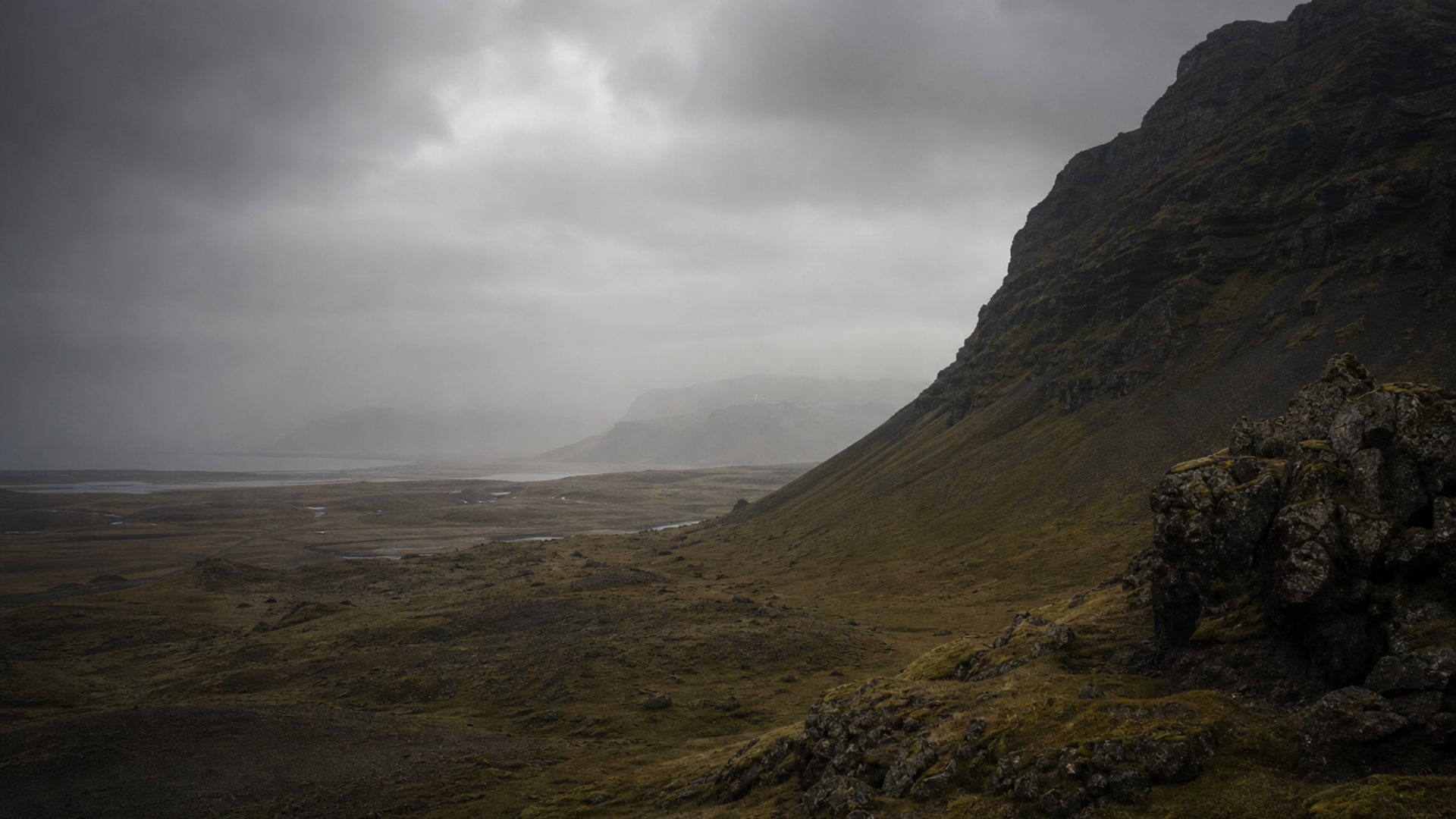
Iceland at the turn of the millennium stands as a living archive: volcanic rock and turf houses layered over nine centuries of human occupation. Archaeological evidence—from coastal farm mounds to church sites—traces a landscape reshaped by settlers and later generations. Historical records place the main colonization pulse in the late 9th and 10th centuries CE (the Landnám period), but the island’s material record is continuous into the modern era, with well-preserved structures and deposits revealing farming practices, craft specialization, and imported goods.

Modern archaeological practice in Iceland combines excavation, landscape survey, and conservation of vernacular architecture. Finds such as tools, imported metalwork, and household ceramics sketch daily economies; peat and turf layers preserve organic materials that often survive nowhere else in the North Atlantic. Archaeological data indicates a long-standing pastoral economy, coastal resource use, and periods of social stress tied to climatic downturns and volcanic eruptions.

Limited genetic sampling associated with modern visitors, burials or curated collections provides a complementary thread: DNA can track ancestries and kinship over centuries, while archaeology provides the cultural scaffolding. For Iceland in 2000, the archaeological record emphasizes continuity of settlement patterns and material culture even as migration and external connections have left detectable marks in the landscape and, potentially, in genomes.

  • Settlement rooted in late 9th–10th century Landnám history
  • Archaeology preserves turf architecture, farm mounds, and organic remains
  • Material culture shows sustained coastal and pastoral lifeways
Chapter IV

Daily Life & Society

The everyday world of Icelanders in modern times is inseparable from a deep rural past. Turf houses, farm ruins, medieval churchyards, and museum collections carry traces of household economies: sheep and cattle husbandry, fishing, wool production, and localized craft traditions. Archaeological excavation of domestic sites uncovers hearths, post-holes, refuse pits, and woodworking waste that testify to skillful adaptation to a subarctic island environment.

Civic life—in towns like Reykjavík and long-standing rural parishes—reflects continuity and change. Trade networks that once brought foreign metal and pottery continue in new forms; imported goods appear in both archaeological and modern assemblages. Conservation archaeology often focuses on layers of reuse where older structural timbers or stone foundations are incorporated into later buildings, a poetic reenactment of social memory.

Archaeological interpretations of daily life are strengthened when paired with historical documents, oral histories, and ethnographic records. When available, genetic data from modern and historical samples can illuminate family structures, migration into and out of the island, and biological continuity of local communities. These intersecting lines of evidence give a fuller, human-scale portrait of life on the island at 2000 CE.

  • Economy centered on pastoralism, fishing, and wool crafts
  • Domestic archaeology reveals continuous reuse and material memory
Chapter V

Genetic Profile

The genetic dimension for Modern Iceland (samples dated to 2000 CE) in this dataset is a limited but evocative snapshot. Twelve samples (n=12) provide initial molecular glimpses of contemporary islanders, but the small sample count and lack of detailed haplogroup reporting for these particular specimens mean conclusions must remain tentative. Archaeological context helps set expectations: past ancient DNA and population-genetic research from broader Icelandic studies commonly report a complex ancestry shaped by Norse colonists and Gaelic (Irish and Scottish) migrants during the settlement era, and later demographic events.

For these 12 modern samples, explicit Y‑DNA and mtDNA haplogroup data are not reported in the input. Therefore, analysis focuses on methodological and interpretive points:

  • Limited-sample studies can detect signals of affinity and admixture but are highly sensitive to sampling bias (geographic origin of donors, familial relationships, and recent migrants). Archaeological provenance—knowing whether a sample derives from a rural parish, urban center, or curated collection—greatly affects interpretation.

  • When combined with archaeological provenance (burial context, parish registers, artifact associations), genetic data can illuminate kinship, continuity of lineages at particular sites, and the biological impact of historic migrations.

In short, the current genetic snapshot complements archaeological narratives but requires larger, well-documented samples to transform suggestive patterns into robust conclusions.

  • Dataset n=12 — informative but small; interpretations are preliminary
  • No specific Y/mtDNA haplogroups reported for these samples; broader studies show mixed Norse–Gaelic ancestry
Chapter VI

Legacy & Modern Connections

Iceland’s tangible past—its layered farmsteads, sagas etched into landscape names, and preserved building traditions—feeds directly into modern identity. Archaeological stewardship, museums, and community archaeology keep that legacy vital, while genetic studies offer a complementary map of biological ancestry across time.

The 2000 CE genetic snapshots (n=12) hint at continuity and connection: modern Icelanders carry stories written both in artifacts and in genomes. Yet archaeology reminds us that material culture, social memory, and even demographic shifts leave complex, sometimes contradictory traces. Sustainable interpretation depends on interdisciplinary dialogue: the romance of saga and the precision of DNA together produce a richer, more nuanced portrait of island life.

Future research with larger sample sizes, transparent provenance, and integration with archaeological context will sharpen our understanding of how past movements and local resilience combined to shape modern Icelandic populations.

  • Cultural continuity visible in architecture and material culture
  • DNA offers complementary insights but needs larger, contextualized samples
AI 电源

AI 助手

就 Iceland 2000: Living Heritage & Ancestry 文化提问

AI 助手 由DNAGENICS公司制作

解锁此特性
Ask questions about the Iceland 2000: Living Heritage & Ancestry culture. Our AI assistant can explain genetic findings, historical context, archaeological evidence, and modern connections.
AI 样本分析

Iceland 2000: Living Heritage & Ancestry 文化是人类历史中值得了解的一章……

遗传分析揭示了与早期种群的联系,同时显示了独特的适应和文化创新的证据。 古代DNA样本提供了对迁徙模式、社会结构以及古代种群之间的生物关系的深刻见解。

这是人工智能分析的预览。 解锁全AI 助手, 以探索关于:

  • 遗传组成和祖先
  • 移徙模式和起源
  • 日常生活和文化习俗
  • 现代遗传遗产

探索更古老的文化

揭开古代世界文明的故事

使用优惠码 可减免 35% • 11月12日 到期