Kawésqar of the Western Archipelago

下载的 PDF 是图像副本。如需可选中文本及更好的辅助技术支持,请使用打印功能。

Kawésqar of the Western Archipelago

揭开一个失落的文明

正在加载考古记录……

正在收集古代记录

跳转到主内容
Kawésqar of the Western Archipelago
文明焦点

Kawésqar of the Western Archipelago

Maritime lifeways from the fog‑laced channels of southern Chile, seen through one ancient genome

669 CE - 8541200 CE
Yekchal, Western Archipelago, Patagonia, Chile
滚动开始
Chapter I

剧情

了解 Kawésqar of the Western Archipelago 文化

Archaeological remains from Yekchal in the Western Archipelago (c. 669–854 CE) reveal a canoe‑based maritime culture. Limited ancient DNA from one individual shows Y haplogroup Q and mtDNA D, linking material culture to broader Indigenous Patagonian lineages while emphasizing preliminary results.

Time Period

c. 669–854 CE (≈1200 BP)

Region

Yekchal, Western Archipelago, Patagonia, Chile

Common Y-DNA

Q (1 sample)

Common mtDNA

D (1 sample)

Chapter II

时间线

这种文化历史上的关键时刻

750 CE

Occupation at Yekchal (sample dated)

Radiocarbon‑associated material and one ancient genome place human activity at Yekchal between c. 669–854 CE, reflecting maritime subsistence in the Western Archipelago.

Chapter III

Origins & Emergence

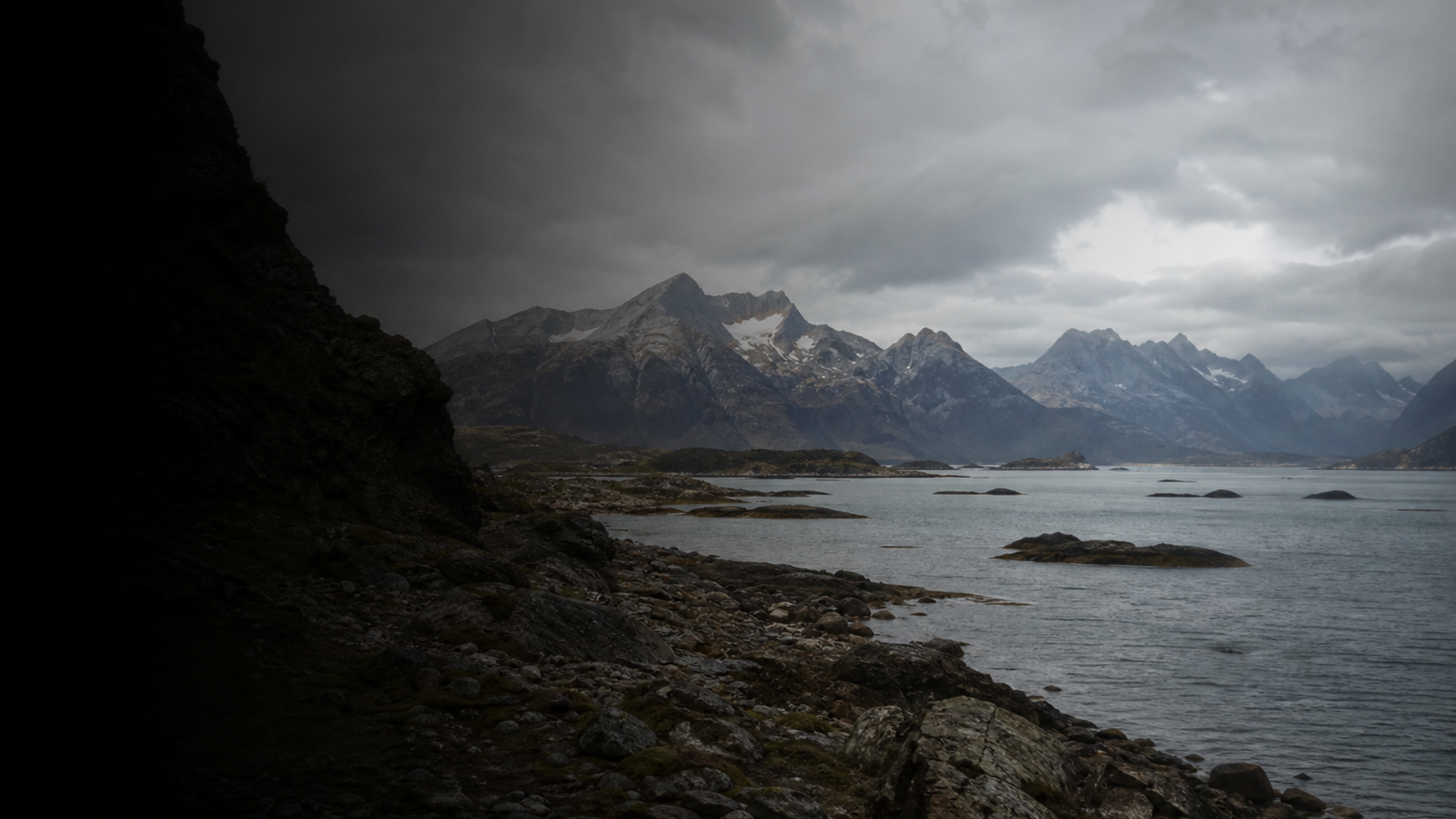
The Western Archipelago Kawésqar traditions emerged along the fjords and channels of southern Chile, a landscape of wind‑blasted islands, deep bays, and relentless ocean. Archaeological deposits at sites such as Yekchal contain shell middens, worked bone, and stone tools that speak to generations tuned to the rhythm of tides and marine seasons. Radiocarbon dates associated with the Yekchal context place human activity in the late first millennium CE (sample interval c. 669–854 CE), situating these remains roughly 1,200 years before present.

Archaeological data indicates a long history of maritime adaptation in the region, but the exact pathways of cultural emergence remain incompletely understood. Material continuity across sites hints at shared technological repertoires—dugout canoes, composite harpoons, and specialized fish and shellfish processing techniques—but preservation is uneven. Limited evidence suggests long‑distance interaction along the archipelago, possibly facilitating cultural exchange across Patagonian channels.

Genetic perspectives are only beginning to illuminate origins. With a single ancient genome from Yekchal, researchers can tentatively place this individual within the wider tapestry of Indigenous South American lineages, though broader population dynamics—migration pulses, local continuity, and social networks—remain provisional until more samples are analyzed.

  • Material culture from Yekchal indicates specialized maritime adaptations
  • Radiocarbon range c. 669–854 CE (≈1200 BP) anchors the sample in the late first millennium CE
  • Regional interactions likely but archaeological visibility is uneven
Chapter IV

Daily Life & Society

Life in the Western Archipelago was sculpted by the sea. Diets centered on fish, shellfish, sea mammals, and sea birds, leaving stratified shell middens and fish‑processing areas at sites like Yekchal. Tools of bone, ivory, and stone—small finely worked points and harpoon components—reflect a focus on mobility and artisanal repairable equipment suited to canoe travel.

Social organization likely emphasized small, mobile family groups linked by canoe routes. Ethnohistoric accounts of Kawésqar and neighboring maritime peoples describe tight knowledge of tides, seasonal rounds, and shared territories defined more by waterways than by land. Archaeological evidence indicates episodic long‑distance voyages for resources and social ties, though the pattern and scale of exchange are still debated. Durable organic materials are often absent in archaeological layers, so interpretations rely on dense midden sequences, lithic scatter, and occasional preserved wooden elements.

The landscape itself played a role in social identity: fog, open channels, and island refuges shaped routes of subsistence and symbolic geographies. While evocative images of carved paddles and open boats emerge from the record, many details of craft production and social ritual remain obscured, calling for cautious reconstruction based on the available remains.

  • Marine diet dominated: fish, shellfish, sea mammals
  • Small, mobile groups using canoes and seasonal rounds
Chapter V

Genetic Profile

Ancient DNA from a single individual recovered at Yekchal provides a rare molecular window into Western Archipelago populations around 1200 BP. The Y chromosome is assigned to haplogroup Q, and the mitochondrial genome to haplogroup D—lineages commonly observed among Indigenous populations of the Americas and consistent with broader Patagonian genetic variation. These assignments align the Yekchal individual with regional ancestry components rather than suggesting incoming Eurasian or Pacific sources.

Because the dataset comprises only one sample, conclusions must remain preliminary. One genome can indicate presence of particular haplogroups at a place and time but cannot capture population structure, sex‑biased mobility, or temporal changes. Archaeological patterns of maritime mobility could create localized heterogeneity that a single sample cannot resolve. Nevertheless, the genetic results complement the material evidence: haplogroup Q on the paternal side and mtDNA D on the maternal side fit expectations for long‑standing Indigenous lineages in southern South America.

Future sampling across more sites and time slices will be essential to test hypotheses about continuity, kinship structures, and gene flow across the archipelago. For now, the Yekchal genome offers an evocative, if preliminary, genetic anchor for the Kawésqar maritime world.

  • Y haplogroup Q and mtDNA D observed in the single Yekchal individual
  • Sample count = 1, so genetic inferences are tentative and preliminary
Chapter VI

Legacy & Modern Connections

The material traces from Yekchal and genetic signals from its lone genome resonate with living Indigenous landscapes of Patagonia. Archaeological continuity in tool forms and maritime practices suggests cultural threads that echo into ethnohistoric Kawésqar knowledge, though direct ancestry claims require careful interpretation. Genetic markers observed—haplogroups Q and D—are shared broadly across Indigenous South America, underscoring deep time connections rather than specific modern tribal assignments.

These findings are scientifically modest but culturally meaningful: they highlight the enduring human presence in a challenging maritime environment and invite collaboration with descendant communities to place archaeological and genetic stories within living memory. As more genomes and sites are studied, the fog‑shrouded picture of Western Archipelago lifeways will come into sharper focus, weaving archaeology and DNA into a richer narrative of adaptation, mobility, and resilience.

  • Genetic lineages link the Yekchal individual to broader Indigenous South American ancestry
  • Community collaboration and more samples are needed to clarify cultural and biological continuity
AI 电源

AI 助手

就 Kawésqar of the Western Archipelago 文化提问

AI 助手 由DNAGENICS公司制作

解锁此特性
Ask questions about the Kawésqar of the Western Archipelago culture. Our AI assistant can explain genetic findings, historical context, archaeological evidence, and modern connections.
AI 样本分析

Kawésqar of the Western Archipelago 文化是人类历史中值得了解的一章……

遗传分析揭示了与早期种群的联系,同时显示了独特的适应和文化创新的证据。 古代DNA样本提供了对迁徙模式、社会结构以及古代种群之间的生物关系的深刻见解。

这是人工智能分析的预览。 解锁全AI 助手, 以探索关于:

  • 遗传组成和祖先
  • 移徙模式和起源
  • 日常生活和文化习俗
  • 现代遗传遗产

探索更古老的文化

揭开古代世界文明的故事

使用优惠码 可减免 35% • 11月12日 到期