Kierzkowo Kin — Globular Amphora

下载的 PDF 是图像副本。如需可选中文本及更好的辅助技术支持,请使用打印功能。

Kierzkowo Kin — Globular Amphora

揭开一个失落的文明

正在加载考古记录……

正在收集古代记录

跳转到主内容
Kierzkowo Kin — Globular Amphora
文明焦点

Kierzkowo Kin — Globular Amphora

A cinematic look at Poland's Globular Amphora people (3400–2577 BCE) where tombs, pottery, and DNA converge

3400 CE - 2577 BCE
Kierzkowo, Poland (Central Europe)
滚动开始
Chapter I

剧情

了解 Kierzkowo Kin — Globular Amphora 文化

Archaeological and genetic glimpses from Kierzkowo, Poland (3400–2577 BCE). Eight ancient genomes reveal a predominance of Y-haplogroup I and diverse maternal lineages, offering tentative clues about kinship, mobility, and continuity in the Globular Amphora horizon.

Time Period

3400–2577 BCE

Region

Kierzkowo, Poland (Central Europe)

Common Y-DNA

I (6 of 8 sampled)

Common mtDNA

H28 (2), U (2), H1b, K, W5

Chapter II

时间线

这种文化历史上的关键时刻

2500 BCE

Kierzkowo communal burials in use

Kierzkowo barrows used for collective interments associated with Globular Amphora ritual — pottery and animal remains indicate kin-based funerary practice.

Chapter III

Origins & Emergence

The Globular Amphora horizon emerges from the late Neolithic landscape of Central Europe as a visual and social drama: distinctive rounded pottery, frequent animal deposition, and monumental burial constructions set communities apart. Archaeological data indicates this cultural expression was active across present-day Poland, including the multi-tomb barrows at Kierzkowo, between roughly 3400 and 2577 BCE. The name evokes the globular, often decorated amphorae found in graves and settlements — objects that spoke of identity, feasting, and exchange.

At Kierzkowo, stratified earth, pottery assemblages, and funerary architecture create a layered narrative of local practice. Burials are commonly communal or collective, suggesting kin-based groups or multi-household burial rites rather than isolated single graves. Faunal remains and associated tools point toward mixed farming and significant emphasis on livestock — cattle and pigs are often central in the ritual record. Limited evidence suggests interaction with neighboring traditions through shared motifs and occasional exotic materials, hinting at exchange networks rather than large-scale population replacement.

Archaeological interpretations remain cautious: material culture marks social horizons, not always direct population movement. Where pottery styles and burial forms spread, the people carrying them may have been a mosaic of long-term local descendants and mobile kin. At Kierzkowo, the tangible remains invite a cinematic imagination of weathered mounds, fired clay vessels, and communal rites, while reminding us that origins are best read as processes rather than single moments.

  • Distinctive rounded amphora pottery marks the cultural horizon
  • Communal burials at Kierzkowo suggest kin-based mortuary practice
  • Evidence points to mixed farming with prominent livestock ritual
Chapter IV

Daily Life & Society

Archaeological assemblages from Globular Amphora contexts portray a life shaped by seasonality, livestock, and crafted objects. Settlements in this region are often ephemeral in the record, but burial contexts like those at Kierzkowo preserve ritual choices and material detail: pottery vessels placed with the dead, occasional grave goods, and the remains of domesticated animals that may have accompanied funerary rites. These gestures suggest social worlds where household units and extended kinship mattered deeply.
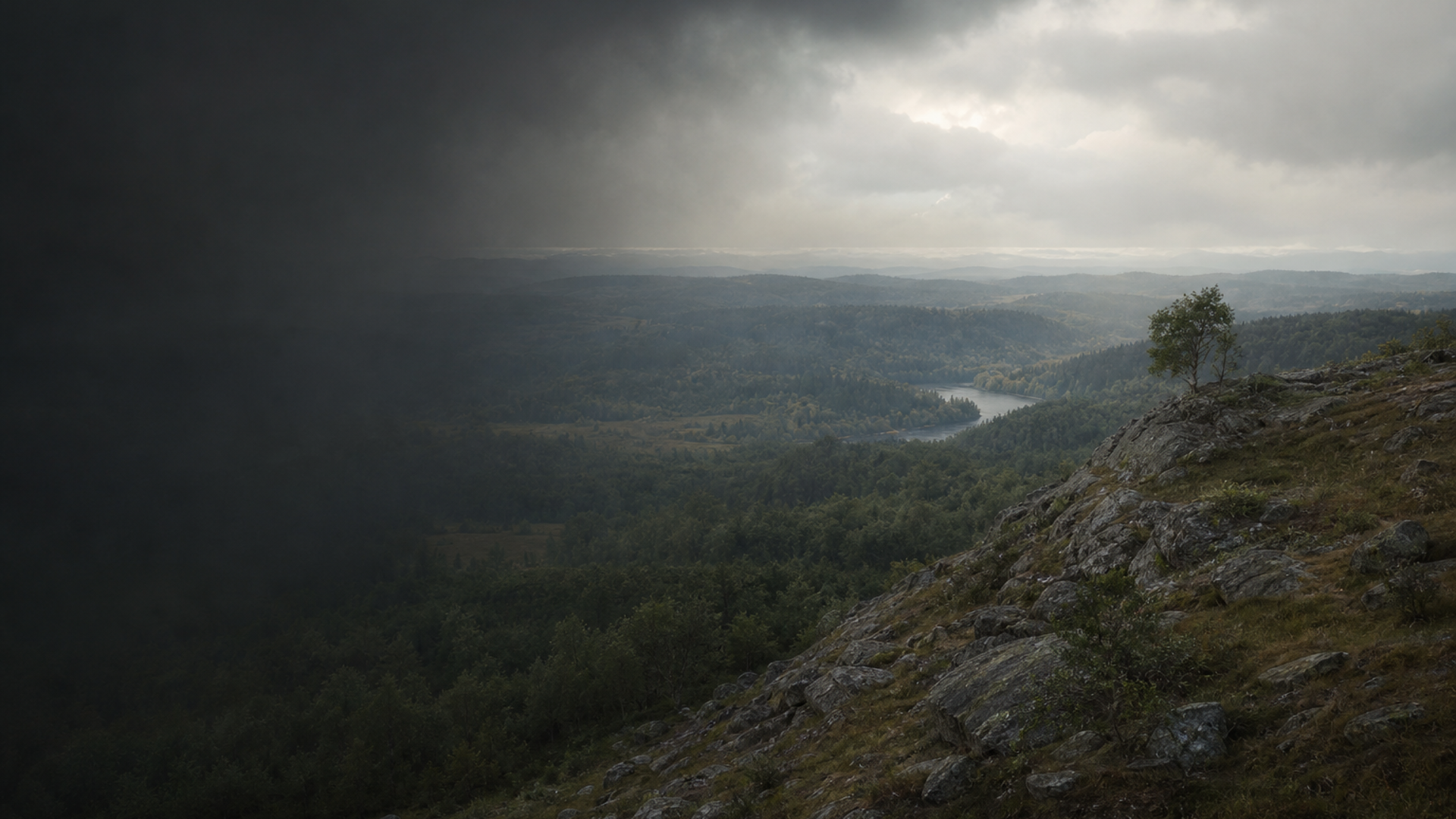

Tools and ceramic forms point to daily tasks of herding, dairying, and processing cereals — a mixed agro-pastoral economy adapted to temperate lowlands and river valleys. The prominence of animal remains in mortuary contexts implies that livestock were not only economic resources but also social currency: cattle could symbolize wealth, alliance, and status. The scale of some communal tombs indicates organized labor and remembered lineages; constructing and maintaining barrows would have required coordination across seasons and households.

Material culture also hints at gendered spaces and specialized craft. While osteological and contextual data are fragmentary, patterns in grave goods and burial positions sometimes indicate differentiated roles. Mobility appears moderate: exchange and interaction are visible, but long-distance colonizing movements are not the dominant pattern in the archaeological record for this horizon. Overall, the picture is of rooted communities with ritualized ties to animals, pottery, and the landscape they tended.

  • Mixed agro-pastoral economy with emphasis on livestock
  • Communal tombs reflect organized labor and remembered lineages
Chapter V

Genetic Profile

Genetic data from Kierzkowo (8 individuals) provides a rare molecular window into Globular Amphora lifeways, but the sample size is small and conclusions are preliminary. Of the eight sampled individuals, six carry Y-chromosome haplogroup I — a lineage with deep roots in prehistoric Europe and recurrently observed among Neolithic and post-Neolithic contexts in the north and east. This predominance of haplogroup I suggests continuity of certain paternal lineages in this region during the late Neolithic.

Mitochondrial diversity among these eight is broader: two individuals with H28, two with haplogroup U, and single instances of H1b, K, and W5. Maternal lineages such as U are often associated with long-standing European hunter-gatherer ancestry, whereas H and K are widespread among Neolithic farmer-derived populations; this mixture in the maternal record points to a complex tapestry of maternal ancestry.

When placed in the wider genomic landscape, limited evidence from Globular Amphora-associated individuals suggests substantial local Neolithic farmer ancestry combined with detectable hunter-gatherer heritage. Compared to later Copper Age groups linked with large-scale steppe expansions, these individuals tend to show less steppe-derived ancestry — but with only eight samples from Kierzkowo, this pattern should be treated as provisional. Future sampling across more sites and contexts will be essential to resolve kinship structures, sex-biased mobility, and the dynamics between cultural change and biological ancestry.

  • Six of eight males belong to Y-haplogroup I, indicating paternal continuity
  • Mitochondrial lineages (H28, U, H1b, K, W5) reveal mixed maternal ancestry
Chapter VI

Legacy & Modern Connections

The echoes of the Globular Amphora horizon ripple into modern landscapes of identity and genetics. Pottery motifs and burial architecture contributed to regional traditions that would later intersect with Corded Ware and other Bronze Age phenomena, shaping the archaeological palimpsest of northern and central Poland. Genetically, the predominance of Y-haplogroup I among the Kierzkowo males hints at lineages that persisted locally for millennia, even as cultural forms shifted.

However, direct lines from these Late Neolithic communities to modern populations are complex. DNA shows threads of continuity intermixed with later migrations and demographic upheavals. The Kierzkowo data are a snapshot: evocative and informative, but limited. Still, by pairing pottery and mounds with genomes, we gain a richer, more human portrait — of families who lived, tended animals, and curated memory beneath earthen barrows — a reminder that modern genetic landscapes are braided from many such ancient lives.

  • Material culture influenced later regional traditions and burial rites
  • Ancient DNA suggests long-term paternal continuity, but modern links are complex
AI 电源

AI 助手

就 Kierzkowo Kin — Globular Amphora 文化提问

AI 助手 由DNAGENICS公司制作

解锁此特性
Ask questions about the Kierzkowo Kin — Globular Amphora culture. Our AI assistant can explain genetic findings, historical context, archaeological evidence, and modern connections.
AI 样本分析

Kierzkowo Kin — Globular Amphora 文化是人类历史中值得了解的一章……

遗传分析揭示了与早期种群的联系,同时显示了独特的适应和文化创新的证据。 古代DNA样本提供了对迁徙模式、社会结构以及古代种群之间的生物关系的深刻见解。

这是人工智能分析的预览。 解锁全AI 助手, 以探索关于:

  • 遗传组成和祖先
  • 移徙模式和起源
  • 日常生活和文化习俗
  • 现代遗传遗产

探索更古老的文化

揭开古代世界文明的故事

使用优惠码 可减免 35% • 11月12日 到期




