La Arcillosa 2: A Wind-Swept Maternal Lineage

下载的 PDF 是图像副本。如需可选中文本及更好的辅助技术支持,请使用打印功能。

La Arcillosa 2: A Wind-Swept Maternal Lineage

揭开一个失落的文明

正在加载考古记录……

正在收集古代记录

跳转到主内容
La Arcillosa 2: A Wind-Swept Maternal Lineage
文明焦点

La Arcillosa 2: A Wind-Swept Maternal Lineage

A single ancient genome from North Tierra del Fuego offers a fragile window into coastal foragers, c. 4040–3710 BCE

4040 CE - 3710 BCE
North Tierra del Fuego, Argentina
滚动开始
Chapter I

剧情

了解 La Arcillosa 2: A Wind-Swept Maternal Lineage 文化

Archaeological and genetic evidence from La Arcillosa 2 (North Tierra del Fuego, Argentina) links a Late Holocene coastal occupation (c. 4040–3710 BCE) to an mtDNA C maternal lineage. Limited sample size makes conclusions preliminary, but the find resonates with broader southern South American hunter‑gatherer histories.

Time Period

c. 4040–3710 BCE

Region

North Tierra del Fuego, Argentina

Common Y-DNA

Unknown / not reported

Common mtDNA

C (1 sample)

Chapter II

时间线

这种文化历史上的关键时刻

3880 BCE

Occupation at La Arcillosa 2

Human presence at La Arcillosa 2 in North Tierra del Fuego dated to c. 4040–3710 BCE; genomic sampling recovered mtDNA haplogroup C.

Chapter III

Origins & Emergence

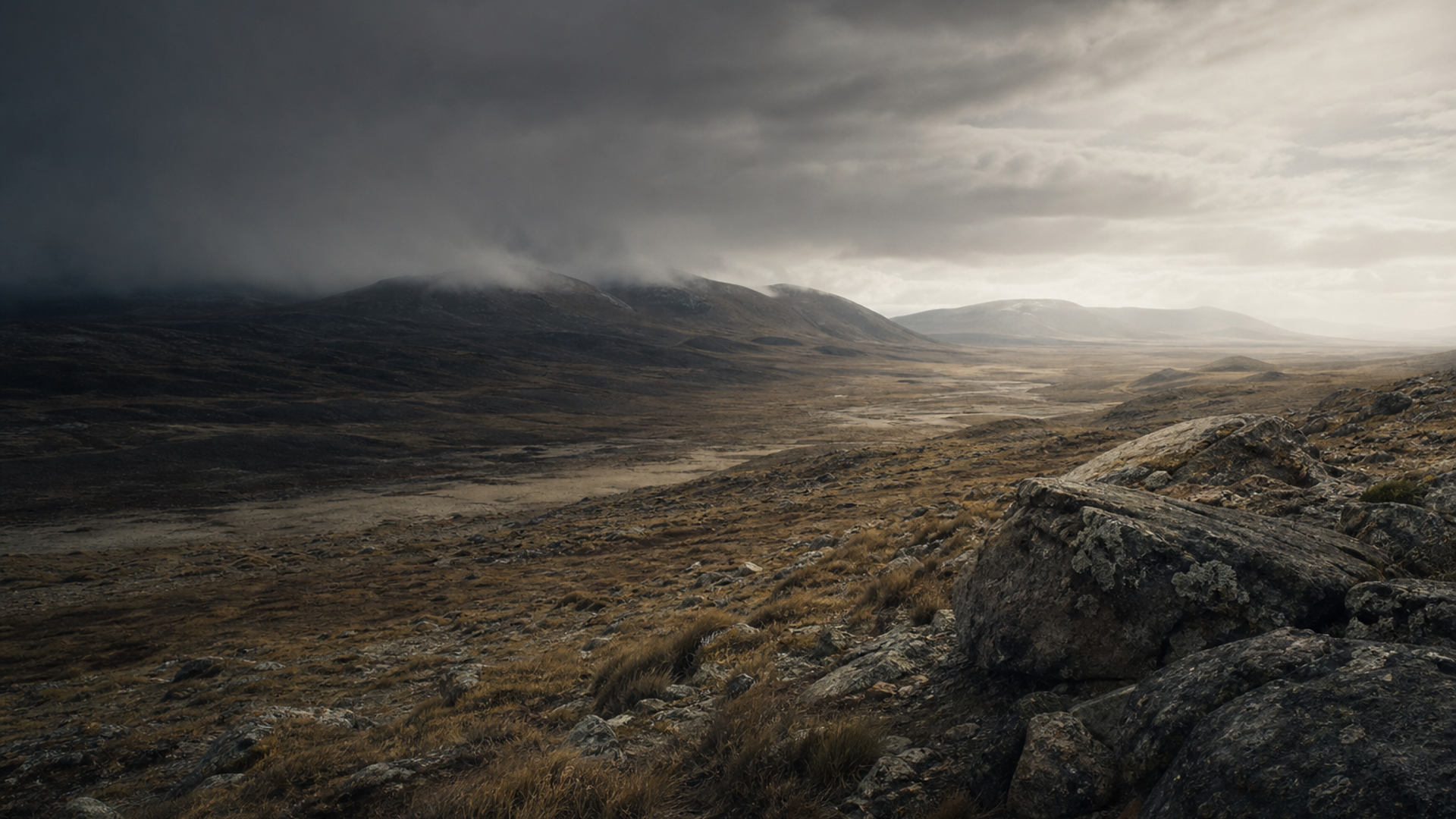
La Arcillosa 2 sits on the northern coast of Tierra del Fuego, where the roar of the Southern Ocean and a landscape of wind-polished stones frame an ancient human presence. Radiocarbon-constrained dates place occupation between roughly 4040 and 3710 BCE, in the Late Holocene. Archaeological data indicates a coastal forager adaptation, one nested within a deep sequence of southern South American hunter-gatherer occupations.

The material trace at La Arcillosa 2 is currently limited in the published record; however, the site's age situates it after the initial peopling of South America and within a period of regional diversification. Coastal corridors and island chains in the Fuegian archipelago likely facilitated movement and cultural exchange, producing mosaic communities adapted to marine and littoral resources. Geological and paleoenvironmental change—sea-level shifts and shifting coastal ecologies—would have shaped settlement patterns, seasonality, and resource availability.

Limited evidence suggests these groups were dynamic, maintaining ties across the southern cone while developing local lifeways keyed to the rigorous Patagonian environment. Genetic data from the site provides a maternal snapshot that can be placed alongside broader ancient DNA studies to explore continuity and change, though the single-sample nature of the record makes broad population claims preliminary.

  • Late Holocene coastal occupation, c. 4040–3710 BCE
  • Located at La Arcillosa 2, North Tierra del Fuego, Argentina
  • Likely part of regional coastal hunter-gatherer networks
Chapter IV

Daily Life & Society

Archaeological inference paints a scene of resilient coastal foragers: small, mobile groups who read tides, weather, and the seasonal pulse of marine life. Shell middens, hearths, and scattered lithics are typical signatures of such economies in the southern cone, although direct excavation data from La Arcillosa 2 remains sparse in published summaries. Even so, the site's shoreline setting argues for a diet rich in shellfish, fish, seabirds, and marine mammals where available, complemented by terrestrial resources when weather allowed.

Social life for these groups likely emphasized flexible bands with fluid membership—kin-based networks that gathered seasonally or moved continually to exploit patchy resources. Craft traditions, such as bone and stone tool production, and behavioral strategies for preserving and sharing food, would have been crucial in a landscape of frequent storms and cold. Material culture and mobility patterns may also have encoded social ties across islands and along the Patagonian coast.

Archaeological interpretations must remain cautious: with a single genetic sample and limited published artifact inventories, reconstructions of social organization or technology are hypotheses grounded in regional analogy rather than site-specific certainty.

  • Coastal foraging economy: shellfish, fish, seabirds, possible marine mammals
  • Mobile, kin-based band structures adapted to variable littoral resources
Chapter V

Genetic Profile

The genomic evidence from La Arcillosa 2 currently consists of one sampled individual dated to c. 4040–3710 BCE. Mitochondrial DNA was assigned to haplogroup C (one sample), a maternal lineage widely found across the Americas and known from both ancient and modern Indigenous populations. Haplogroup C lineages are part of the founding mitochondrial diversity brought into the Americas and appear at multiple latitudes, including southern South America.

No Y‑chromosome haplogroup is reported for this individual, so paternal ancestry remains unresolved. Because the dataset here is a single genome, any population-level inference would be precarious. Limited sample size (<10) means that observed genetic traits may reflect individual mobility, kin structure, or chance rather than broader demographic processes.

Nevertheless, the presence of mtDNA C at La Arcillosa 2 is consistent with a pattern of maternal continuity seen in parts of Patagonia and Tierra del Fuego in other ancient DNA studies. Future sampling and comparative genomics—especially additional individuals from the archipelago, secure radiocarbon context, and higher-coverage genomes—will be needed to evaluate continuity, sex-biased migration, and connections to neighboring groups with confidence.

  • mtDNA: haplogroup C detected (1 individual)
  • No Y-DNA reported; conclusions are preliminary due to single sample
Chapter VI

Legacy & Modern Connections

The lone genome from La Arcillosa 2 offers a poetic but cautious bridge to the present: a maternal lineage echoing through millennia along the southern coasts. For modern Indigenous communities of southern South America, such finds can underscore deep-time connections to place, but genetic snapshots must be combined with oral histories, archaeology, and respect for contemporary identities.

Because conclusions rest on a single sample, framing should emphasize possibility rather than certainty. The find invites further study—more genomes, careful archaeological documentation, and collaborative research with descendant communities—to reveal how people in Tierra del Fuego navigated environment, kinship, and contact. In museum and scientific contexts, narratives should highlight the tentative nature of the genetic signal while celebrating the profound human story glimpsed at this remote, wind-scoured shore.

  • Connects to deep maternal lineages present in southern South America
  • Highlights need for collaborative, multi-sample research with descendant communities
AI 电源

AI 助手

就 La Arcillosa 2: A Wind-Swept Maternal Lineage 文化提问

AI 助手 由DNAGENICS公司制作

解锁此特性
Ask questions about the La Arcillosa 2: A Wind-Swept Maternal Lineage culture. Our AI assistant can explain genetic findings, historical context, archaeological evidence, and modern connections.
AI 样本分析

La Arcillosa 2: A Wind-Swept Maternal Lineage 文化是人类历史中值得了解的一章……

遗传分析揭示了与早期种群的联系,同时显示了独特的适应和文化创新的证据。 古代DNA样本提供了对迁徙模式、社会结构以及古代种群之间的生物关系的深刻见解。

这是人工智能分析的预览。 解锁全AI 助手, 以探索关于:

  • 遗传组成和祖先
  • 移徙模式和起源
  • 日常生活和文化习俗
  • 现代遗传遗产

探索更古老的文化

揭开古代世界文明的故事

使用优惠码 可减免 35% • 11月12日 到期