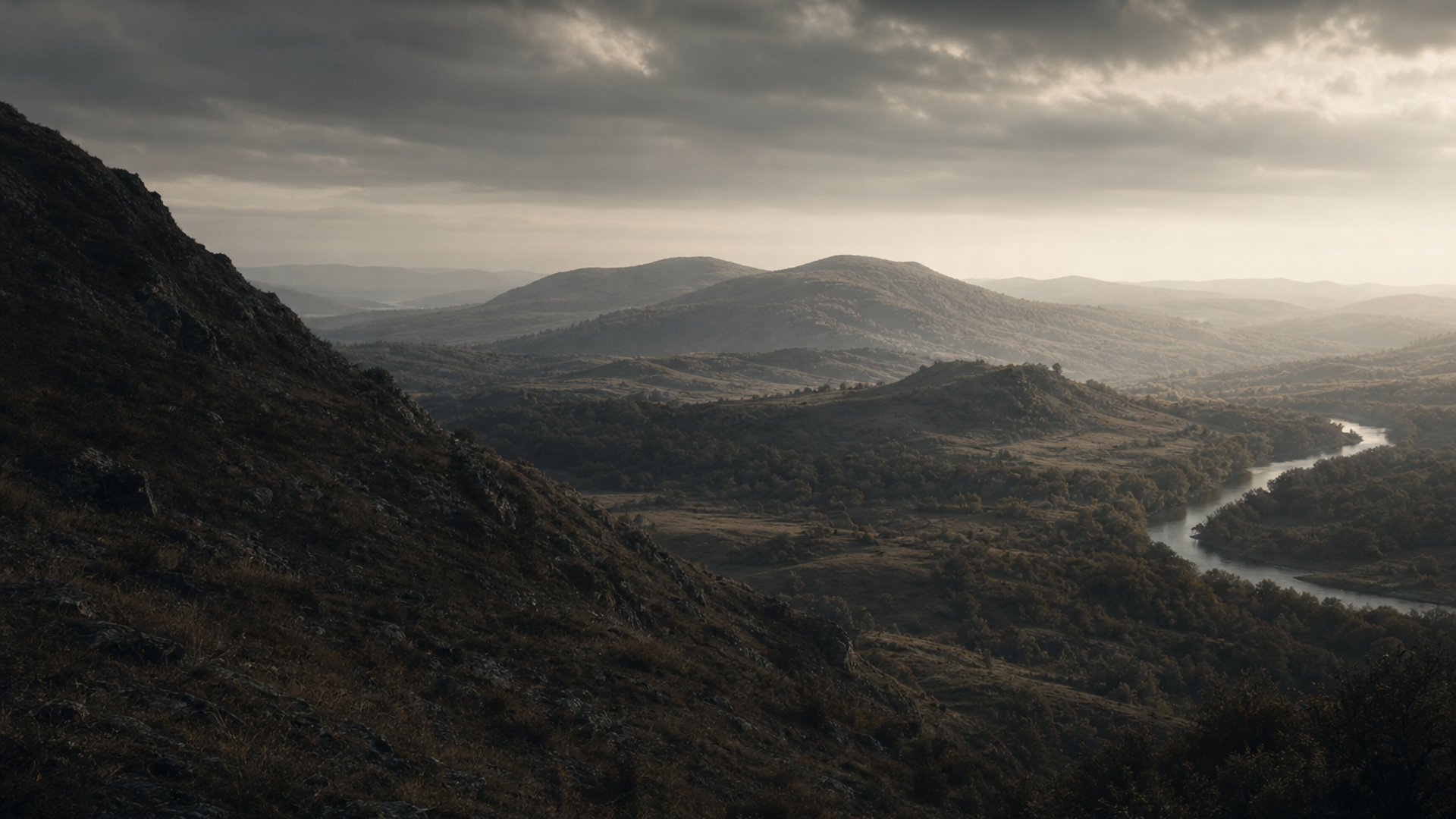
La Tène Hungary: Markotabödöge Echoes

下载的 PDF 是图像副本。如需可选中文本及更好的辅助技术支持,请使用打印功能。

La Tène Hungary: Markotabödöge Echoes

揭开一个失落的文明

正在加载考古记录……

正在收集古代记录

跳转到主内容
La Tène Hungary: Markotabödöge Echoes
文明焦点

La Tène Hungary: Markotabödöge Echoes

Four Iron Age genomes (320–260 BCE) from Győr-Moson-Sopron hint at maternal continuity across Europe.

320 CE - 260 BCE
Győr-Moson-Sopron, Hungary (Central Europe)
滚动开始
Chapter I

剧情

了解 La Tène Hungary: Markotabödöge Echoes 文化

Archaeogenetic and archaeological evidence from four La Tène-era individuals (320–260 BCE) at Markotabödöge, Hungary, links maternal lineages (H58, J) to broader European patterns. Small sample size makes conclusions preliminary; data illuminate local Iron Age lifeways and networks.

Time Period

320–260 BCE (La Tène, Iron Age)

Region

Győr-Moson-Sopron, Hungary (Central Europe)

Common Y-DNA

Not reported (no Y-DNA in these 4 samples)

Common mtDNA

H58 (2), J (1), H (1)

Chapter II

时间线

这种文化历史上的关键时刻

300 BCE

Markotabödöge burials dated to La Tène

Human remains at Markotabödöge in Győr-Moson-Sopron are radiocarbon-constrained to 320–260 BCE, placing them in the La Tène horizon of Central Europe.

Chapter III

Origins & Emergence

The La Tène horizon blossomed across temperate Europe in the later Iron Age, a swirl of metalwork styles, mobility and new social displays. In Hungary, La Tène material culture represents a local chapter of this continent-spanning phenomenon. Archaeological data indicates that from the 4th century BCE onward, communities on the Pannonian plain adopted and adapted La Tène decorative motifs, weapon types, and craft traditions derived from both western Celtic spheres and earlier Central European (Hallstatt) precedents.

At Markotabödöge-Mohos-tóra-dűlő (Győr-Moson-Sopron county), human remains dated to 320–260 BCE fall squarely within this La Tène phase. The site sits in a landscape of river corridors and fertile lowlands that facilitated trade and movement. Limited evidence suggests interactions between local agrarian populations, itinerant metalworkers, and broader exchange networks that carried ideas and objects across hundreds of kilometers.

While stylistic continuity with La Tène centers is archaeologically visible, the biological composition of these communities is best understood through integrated study. The Markotabödöge assemblage provides a tightly dated glimpse into how regional populations participated in the Iron Age tapestry—yet the small number of samples requires caution before generalizing to all of La Tène Hungary.

  • La Tène cultural traits present in Hungary from 4th–3rd centuries BCE
  • Markotabödöge site dated to 320–260 BCE in Győr-Moson-Sopron county
  • Local adaptation of wider Central European La Tène traditions
Chapter IV

Daily Life & Society

Life in La Tène Hungary would have been a tapestry of farming, craft specialization and regional exchange. Archaeological data from the Pannonian plain reveal settlements and burial practices that emphasize both household production—pottery, textiles, iron-working—and the display of prestige through metal ornaments and weaponry. Rivers and roads connected villages to market nodes where metal goods and raw materials circulated.

Burial rites in La Tène contexts vary: some communities practiced inhumation with grave goods, while others used different funerary gestures. Material culture—fibulae, decorated brooches, sword types—served as social signals of identity, rank and affiliation. Limited site-based evidence in Hungary suggests that local elites adopted continental fashions while maintaining regional lifeways: small-scale agriculture, seasonal mobility of flocks, and craft households.

Ethnographically evocative but archaeologically grounded reconstructions place La Tène individuals in a world of vibrant metal surfaces, rhythmic communal feasting, and negotiated ties across landscapes. Nevertheless, direct inferences about household composition, diet, and social hierarchy at Markotabödöge must remain tentative until larger, multidisciplinary samples are analyzed.

  • Agriculture and craft production formed local economic backbone
  • Material culture used to express identity and status within La Tène networks
Chapter V

Genetic Profile

Ancient DNA from four individuals at Markotabödöge (dated 320–260 BCE) provides a narrow but valuable window into maternal ancestry during the La Tène period in Hungary. Mitochondrial haplogroups observed are H58 (two individuals), J (one), and H (one). Haplogroup H and its subclades (including H58) are widespread across Europe since the Neolithic and Bronze Age, and their presence here is consistent with long-term maternal continuity in the region. Haplogroup J is often associated with Neolithic farmer lineages that became established in Europe millennia earlier.

Importantly, no Y‑chromosome haplogroup data are reported for these four samples, so conclusions about male-line ancestry, patrilineal continuity, or warrior migration patterns cannot be drawn from this dataset. The sample count is very small (<10), so observed frequencies can be strongly affected by chance and local burial practices. Archaeological-genetic synthesis elsewhere shows that La Tène communities often carry a mixture of ancestries: local European farmer-derived lineages, residual hunter-gatherer ancestry, and Steppe-derived components introduced during the Bronze Age. The Markotabödöge mtDNA fits into that broader palette, but larger genome-wide sampling and male-line data are required to resolve population structure, migration, and social organization.

In short: these maternal markers hint at continuity with wider European maternal pools, but they are preliminary and best treated as prompts for further sampling.

  • mtDNA: H58 (2), J (1), H (1) — suggests ties to widespread European maternal lineages
  • No Y-DNA reported; small sample size (<10) makes conclusions preliminary
Chapter VI

Legacy & Modern Connections

The echoes of La Tène communities persist in both material culture and genetic traces across Europe. Maternal haplogroups like H and J continue to be common in modern European populations, reflecting deep-rooted continuity in female-line ancestry. Archaeologically, La Tène artistic vocabulary influenced subsequent regional styles and the social landscapes of later Iron Age and early medieval societies.

For modern genetic studies and ancestry learners, the Markotabödöge samples remind us that single-site results are snapshots: they can affirm connections to broad European ancestries while underscoring the need for broader sampling to chart demographic shifts. Cultural traditions associated with La Tène—mobility, craft specialization, and cross-regional exchange—help explain how ideas and genes moved together across prehistoric Europe. However, any direct lineage claims between these four individuals and specific modern groups would be speculative; the best-supported statements are about continuity in maternal lineages and the complex, mixed ancestry typical of Iron Age Central Europe.

  • Maternal haplogroups found at the site persist in modern European populations
  • Findings highlight the need for more samples to trace demographic continuity
AI 电源

AI 助手

就 La Tène Hungary: Markotabödöge Echoes 文化提问

AI 助手 由DNAGENICS公司制作

解锁此特性
Ask questions about the La Tène Hungary: Markotabödöge Echoes culture. Our AI assistant can explain genetic findings, historical context, archaeological evidence, and modern connections.
AI 样本分析

La Tène Hungary: Markotabödöge Echoes 文化是人类历史中值得了解的一章……

遗传分析揭示了与早期种群的联系,同时显示了独特的适应和文化创新的证据。 古代DNA样本提供了对迁徙模式、社会结构以及古代种群之间的生物关系的深刻见解。

这是人工智能分析的预览。 解锁全AI 助手, 以探索关于:

  • 遗传组成和祖先
  • 移徙模式和起源
  • 日常生活和文化习俗
  • 现代遗传遗产

探索更古老的文化

揭开古代世界文明的故事

使用优惠码 可减免 35% • 11月12日 到期