Laguna Toro: 2400 BP Echoes

下载的 PDF 是图像副本。如需可选中文本及更好的辅助技术支持,请使用打印功能。

Laguna Toro: 2400 BP Echoes

揭开一个失落的文明

正在加载考古记录……

正在收集古代记录

跳转到主内容
Laguna Toro: 2400 BP Echoes
文明焦点

Laguna Toro: 2400 BP Echoes

A single ancient individual from a lagoon southwest of Buenos Aires links archaeology and mitochondrial lineage A

740 CE - 200 BCE
Southwest of Buenos Aires, Argentina
滚动开始
Chapter I

剧情

了解 Laguna Toro: 2400 BP Echoes 文化

Laguna Toro (740–200 BCE): Archaeological traces around a coastal lagoon in southwest Buenos Aires yield one ancient human genome with mtDNA haplogroup A. Limited evidence suggests Late Holocene wetland subsistence and maternal ties to broader Native American lineages; conclusions remain preliminary.

Time Period

740–200 BCE

Region

Southwest of Buenos Aires, Argentina

Common Y-DNA

Unknown (no Y-DNA data)

Common mtDNA

A (single sample)

Chapter II

时间线

这种文化历史上的关键时刻

400 BCE

Laguna Toro individual dated

A human sample from Laguna Toro is dated within 740–200 BCE, providing a Late Holocene genetic snapshot from southwest Buenos Aires.

Chapter III

Origins & Emergence

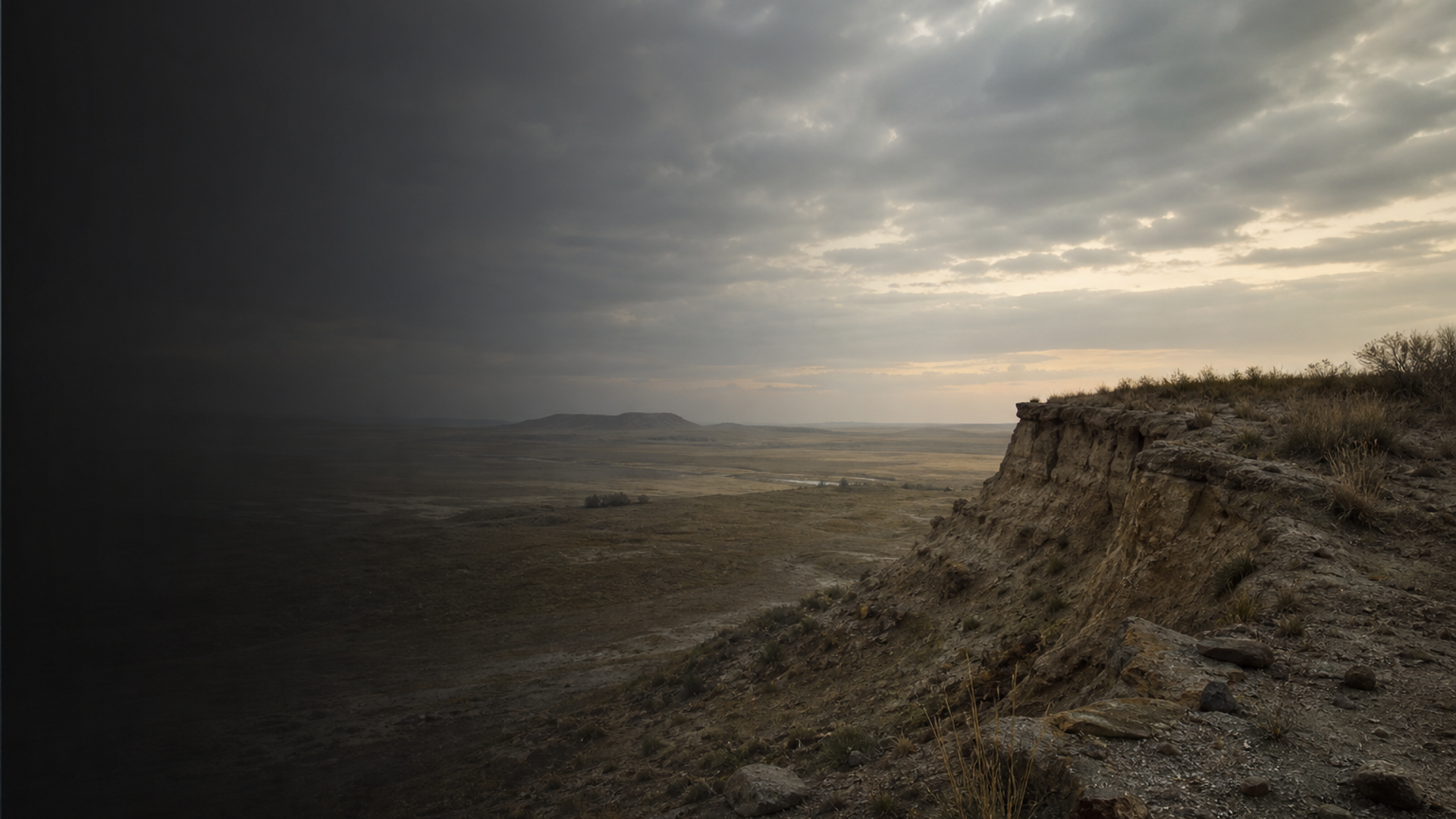
Along the ragged edge of a lagoon that catches the sky, the Laguna Toro site preserves a slender thread of human presence in the Late Holocene. Radiocarbon-calibrated contexts place activity between roughly 740 and 200 BCE, situating the site within regional transformations across the Pampas and coastal lowlands of southern Buenos Aires province. Archaeological data indicates ephemeral camps and resource-focused occupations around wetlands and shallow lagoons; these landscapes offered seasonal abundance of fish, birds and marsh plants.

The single human sample recovered from Laguna Toro provides a snapshot rather than a narrative: limited evidence suggests a mobile lifeway adapted to lagoon margins, not a sedentary, large-scale settlement. Nearby sites around the South American Atlantic seaboard show comparable strategies of wetland exploitation during this interval, implying shared ecological adaptations rather than clear-cut cultural uniformity. The archaeological record at Laguna Toro therefore reads as an intimate portrait—one ledger of human presence framed by reeds, tides, and migratory flights—rather than a comprehensive account of population history.

Key uncertainties: stratigraphic resolution and low sample count limit our ability to link material culture with biological ancestry. Additional excavations and dated organic contexts are needed to refine chronology and lifeways.

  • Located at Laguna Toro, southwest of Buenos Aires; dated 740–200 BCE
  • Evidence points to wetland-focused mobility and seasonal use
  • Single-sample context constrains broad cultural conclusions
Chapter IV

Daily Life & Society

Imagining daily life at Laguna Toro is an exercise in sensory fragments: the slap of oars or paddles, the cry of waterfowl, the scrape of stone tools and the smell of smoked fish. Archaeological data from comparable lagoon and coastal sites in the Pampas suggest communities practiced broad-spectrum foraging—fish and shellfish, waterbirds, and edible wetland plants—supplemented by hunting of small mammals and occasional larger game. The landscape encouraged mobility: seasonal circuits linking lagoons, riverine corridors, and inland grasslands.

Material traces at Laguna Toro itself are sparse: lithic debris and isolated ecofacts are consistent with short-term camps rather than extensive built environments. The small size of the assemblage means social structure, ritual practice, and household composition remain largely invisible. Yet the human presence recorded in the single genetic sample anchors these material traces to a living person whose life was entwined with the lagoon’s rhythms.

Caveats: absence of evidence for pottery, permanent houses, or agriculture at Laguna Toro should not be read as definitive; preservation and sampling biases affect what survives. Broader regional patterns from contemporaneous sites hint at diverse, flexible lifeways across the southern Atlantic coast.

  • Wetland resource exploitation likely central to subsistence
  • Evidence consistent with mobile, short-term occupation
Chapter V

Genetic Profile

The genetic data from Laguna Toro is both illuminating and necessarily cautious: a single sequenced individual carries mitochondrial haplogroup A, one of the founding Native American maternal lineages widely documented across the Americas. This mitochondrial signal aligns the Laguna Toro individual with a deep maternal ancestry that spread through the continent during the late Pleistocene and Holocene.

Because only one sample is available and no Y-chromosome assignments are recorded, population-level inferences are highly provisional. Limited evidence suggests maternal continuity with broader South American lineages, but we cannot determine local population structure, migration events, or genetic continuity with present-day communities from a single mtDNA result. Genome-wide data—if recovered in future sampling—would be required to test affinities to neighboring Pampas groups, southern cone ancient genomes, or coastal populations.

Genetic context: mtDNA A appears in many ancient and modern Native American populations; its presence at Laguna Toro reinforces continental-scale maternal connections while leaving open questions about local demographic dynamics. Given the sample count is one (<10), all interpretations must be framed as preliminary and hypothesis-generating rather than conclusive.

  • mtDNA haplogroup A identified in the single sampled individual
  • Sample size (n=1) makes population-level conclusions preliminary
Chapter VI

Legacy & Modern Connections

The Laguna Toro individual offers a poignant bridge between past and present: a maternal lineage detected in this Late Holocene individual resonates with mitochondrial lineages persisting among indigenous and admixed populations in Argentina and beyond. Archaeological data combined with genetics suggest threads of continuity in maternal ancestry across millennia, even as lifeways and landscapes transformed.

At the same time, the story is incomplete. With just one genetic sample, claims of direct descent, regional continuity, or cultural inheritance must remain guarded. The real legacy of Laguna Toro is methodological: it demonstrates how targeted ancient DNA sampling from lagoon and coastal contexts can illuminate understudied chapters of southern South American prehistory and guide future fieldwork aimed at building a robust, multi-individual picture of population history.

  • mtDNA A connects the individual to broader Native American maternal lineages
  • More samples needed to assess continuity with modern populations
AI 电源

AI 助手

就 Laguna Toro: 2400 BP Echoes 文化提问

AI 助手 由DNAGENICS公司制作

解锁此特性
Ask questions about the Laguna Toro: 2400 BP Echoes culture. Our AI assistant can explain genetic findings, historical context, archaeological evidence, and modern connections.
AI 样本分析

Laguna Toro: 2400 BP Echoes 文化是人类历史中值得了解的一章……

遗传分析揭示了与早期种群的联系,同时显示了独特的适应和文化创新的证据。 古代DNA样本提供了对迁徙模式、社会结构以及古代种群之间的生物关系的深刻见解。

这是人工智能分析的预览。 解锁全AI 助手, 以探索关于:

  • 遗传组成和祖先
  • 移徙模式和起源
  • 日常生活和文化习俗
  • 现代遗传遗产

探索更古老的文化

揭开古代世界文明的故事

使用优惠码 可减免 35% • 11月12日 到期




