Laikipia–Nakuru Iron‑Age Pastoralists

下载的 PDF 是图像副本。如需可选中文本及更好的辅助技术支持,请使用打印功能。

Laikipia–Nakuru Iron‑Age Pastoralists

揭开一个失落的文明

正在加载考古记录……

正在收集古代记录

跳转到主内容
Laikipia–Nakuru Iron‑Age Pastoralists
文明焦点

Laikipia–Nakuru Iron‑Age Pastoralists

A small pastoral community in central Kenya seen through graves, grazing lands and ancient DNA

1296 CE - 950 BCE
Central Kenya (Nakuru, Laikipia)
滚动开始
Chapter I

剧情

了解 Laikipia–Nakuru Iron‑Age Pastoralists 文化

Archaeological and genetic evidence from five burials (1296–950 BCE) in Nakuru and Laikipia suggests mobile Iron Age pastoralists in central Kenya. Limited sample size makes conclusions preliminary, but uniparental markers (Y E, mtDNA L) point to local eastern African lineages linked to early pastoral economies.

Time Period

1296–950 BCE

Region

Central Kenya (Nakuru, Laikipia)

Common Y-DNA

E (4/5 samples)

Common mtDNA

L (5/5 samples)

Chapter II

时间线

这种文化历史上的关键时刻

1296 BCE

Earliest dated burial (sampled)

One of the five sampled burials yields a calibrated date near 1296 BCE at Nakuru (Deloraine Farm).

1100 BCE

Regional pastoral consolidation

Archaeological indicators suggest increasing importance of mobile herding in Rift Valley landscapes (limited evidence).

950 BCE

Latest sampled burial

The most recent of the five genetic samples dates to ca. 950 BCE in the Laikipia–Nakuru area.

Chapter III

Origins & Emergence

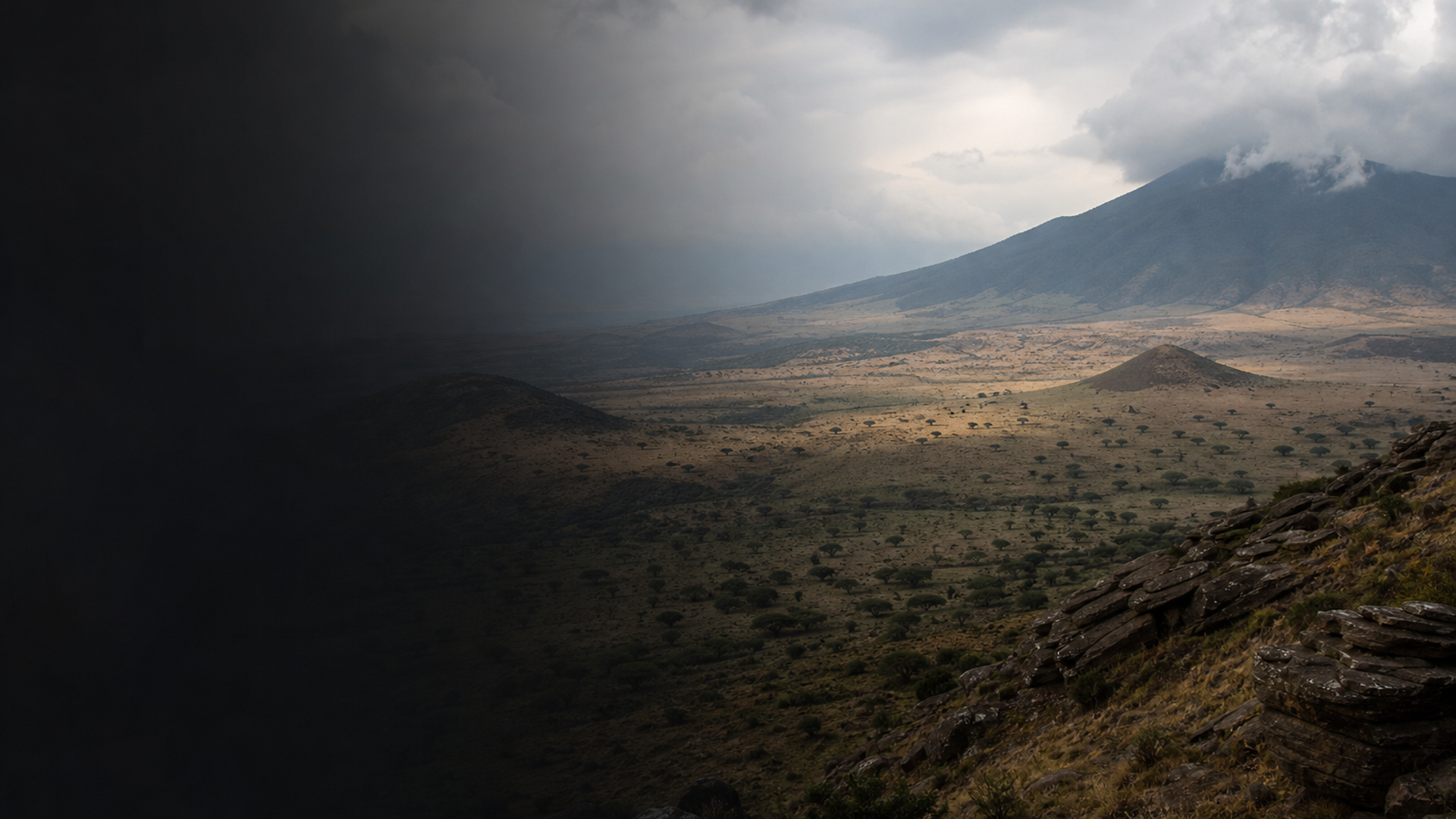
On the high plains and rolling mounds between Nakuru and Laikipia, a quiet pastoral horizon appears in the archaeological record in the late second and early first millennium BCE. Excavations at named localities — Deloraine Farm (GqJh6), Kasiole 2 (GvJh54), Kisima Farm (KFR-C4), Ilkek Mounds (GsJj66) and a Laikipia District burial (GoJl45) — reveal burial contexts and material traces consistent with mobile herding lifeways. Radiocarbon-calibrated contexts from the sampled individuals fall between 1296 and 950 BCE, situating these people within Kenya’s Iron Age pastoral transformations.

Archaeological data indicates a landscape of temporary settlements, livestock management, and funerary mounds rather than dense sedentary villages. Material culture recovered with burials is sparse but consistent with pastoral use of space: isolated grave offerings, traces of domesticates in faunal assemblages, and features interpreted as ephemeral corrals or kraals. Limited evidence suggests connections of these groups to broader East African pastoral networks, likely involving livestock movement across the Rift Valley.

Because only five individuals have yielded genetic data, any narrative of origin must remain tentative. Still, the combined archaeological footprint and the uniparental signals offer a first, evocative glimpse of early Iron Age pastoral communities in central Kenya.

  • Burials dated 1296–950 BCE from Nakuru and Laikipia
  • Material culture consistent with mobile herding and burial mounds
  • Evidence points to local pastoral emergence within the Rift Valley
Chapter IV

Daily Life & Society

The daily world of these Iron Age pastoralists can be imagined in broad strokes: grasslands grazed by cattle, goats and sheep; temporary encampments; and social rhythms keyed to herd movement and water availability. Archaeological indicators in the region — ephemeral hearths, storage pits, and faunal remains dominated by domesticated species — suggest economies organized around livestock rather than intensive crop cultivation.

Burial practices recorded at Ilkek Mounds and the Laikipia district burial site are evocative: interments placed in shallow mound contexts with modest grave goods. Such funerary expressions point to communities that invested symbolic labor in marking death even as their lifeways remained mobile. Monumental architecture is absent; social visibility may have been produced through livestock wealth, seasonal aggregation, and oral traditions.

Gendered division of labor is inferred from ethnographic analogies and wear patterns on tools elsewhere in the region, but direct osteological and contextual evidence from these five burials is limited. Archaeological data indicates variation in mortuary treatment, suggesting social differentiation, but this remains a tentative reading until larger samples and more detailed analyses are available.

  • Economy organized around livestock and mobility
  • Burial mounds and modest grave goods suggest community identity
Chapter V

Genetic Profile

Ancient DNA from five individuals (sampled from Nakuru and Laikipia sites) provides a compact but informative genetic snapshot. All five individuals carry mtDNA haplogroups in macro-haplogroup L, the dominant maternal lineages across sub-Saharan Africa. Four of the five male-associated samples show Y-chromosome lineage E, a broad and long-standing paternal lineage in eastern and southern Africa.

These uniparental results concord with an expectation of deep regional continuity in eastern Africa: maternal L lineages and paternal E haplogroups are consistent with local population histories rather than wholesale replacement from distant regions. However, uniparental markers capture only a narrow slice of ancestry. Autosomal data (where available) and comparisons to later pastoral and agricultural groups are necessary to test hypotheses about gene flow, population continuity, or admixture events.

Importantly, the genetic sample size is low (n = 5). Limited evidence suggests local eastern African ancestry dominated these individuals, but the small number of genomes makes all broader demographic inferences provisional. Future sampling and more comprehensive genomic analyses will be needed to resolve patterns of migration, sex-biased admixture, and links to later Iron Age pastoralists across East Africa.

  • All five individuals: mtDNA L (local sub‑Saharan maternal lineages)
  • Four males carry Y haplogroup E, indicating regional paternal continuity
Chapter VI

Legacy & Modern Connections

The material and genetic echoes of these Iron Age pastoralists may persist in the cultural landscapes of modern Kenya. Today’s Maasai, Samburu, and other pastoral groups inhabit parts of the same Rift Valley corridors and practice herding lifeways that resonate with the mobility suggested by the archaeological record. Genetic continuity in uniparental markers (Y E, mtDNA L) hints at long-standing regional lineages that could contribute to modern diversity, but links must be made cautiously.

Archaeogenetic work on these five burials opens a dialogue between deep time and living communities, but it does not by itself trace direct descent lines. Limited sampling and the complexity of later population movements mean that any genealogical connection remains a hypothesis to be tested. What is clear is that central Kenya was an active stage for early Iron Age pastoral economies, and future multidisciplinary research will better illuminate how those ancient lifeways shaped subsequent cultural and genetic landscapes.

  • Modern pastoral groups occupy related ecological corridors; connections are plausible but not proven
  • Small sample size means genetic continuity claims are preliminary
AI 电源

AI 助手

就 Laikipia–Nakuru Iron‑Age Pastoralists 文化提问

AI 助手 由DNAGENICS公司制作

解锁此特性
Ask questions about the Laikipia–Nakuru Iron‑Age Pastoralists culture. Our AI assistant can explain genetic findings, historical context, archaeological evidence, and modern connections.
AI 样本分析

Laikipia–Nakuru Iron‑Age Pastoralists 文化是人类历史中值得了解的一章……

遗传分析揭示了与早期种群的联系,同时显示了独特的适应和文化创新的证据。 古代DNA样本提供了对迁徙模式、社会结构以及古代种群之间的生物关系的深刻见解。

这是人工智能分析的预览。 解锁全AI 助手, 以探索关于:

  • 遗传组成和祖先
  • 移徙模式和起源
  • 日常生活和文化习俗
  • 现代遗传遗产

探索更古老的文化

揭开古代世界文明的故事

使用优惠码 可减免 35% • 11月12日 到期