Lapa do Santo: Voices from Early Holocene Brazil

下载的 PDF 是图像副本。如需可选中文本及更好的辅助技术支持,请使用打印功能。

Lapa do Santo: Voices from Early Holocene Brazil

揭开一个失落的文明

正在加载考古记录……

正在收集古代记录

跳转到主内容
Lapa do Santo: Voices from Early Holocene Brazil
文明焦点

Lapa do Santo: Voices from Early Holocene Brazil

Early Holocene hunter‑gatherers of Lagoa Santa revealed through burials and ancient DNA

8250 CE - 7140 BCE
Lagoa Santa, Brazil (Lapa do Santo)
滚动开始
Chapter I

剧情

了解 Lapa do Santo: Voices from Early Holocene Brazil 文化

Archaeological and genetic evidence from Lapa do Santo (8250–7140 BCE) reveals diverse mortuary practices and founding Native American lineages (Y: Q, C; mtDNA: A2, B2, C, D). Limited sample size (7) makes conclusions preliminary but evocative for Brazil's early peopling.

Time Period

8250–7140 BCE (approx.)

Region

Lagoa Santa, Brazil (Lapa do Santo)

Common Y-DNA

Q (3), C (1) — 7 samples total

Common mtDNA

A2 (3), B2 (2), C (1), D (1)

Chapter II

时间线

这种文化历史上的关键时刻

8250 BCE

Early Holocene burials at Lapa do Santo

Earliest documented burials in the site's sequence mark human presence and varied funerary treatments in Lagoa Santa around 8250 BCE.

Chapter III

Origins & Emergence

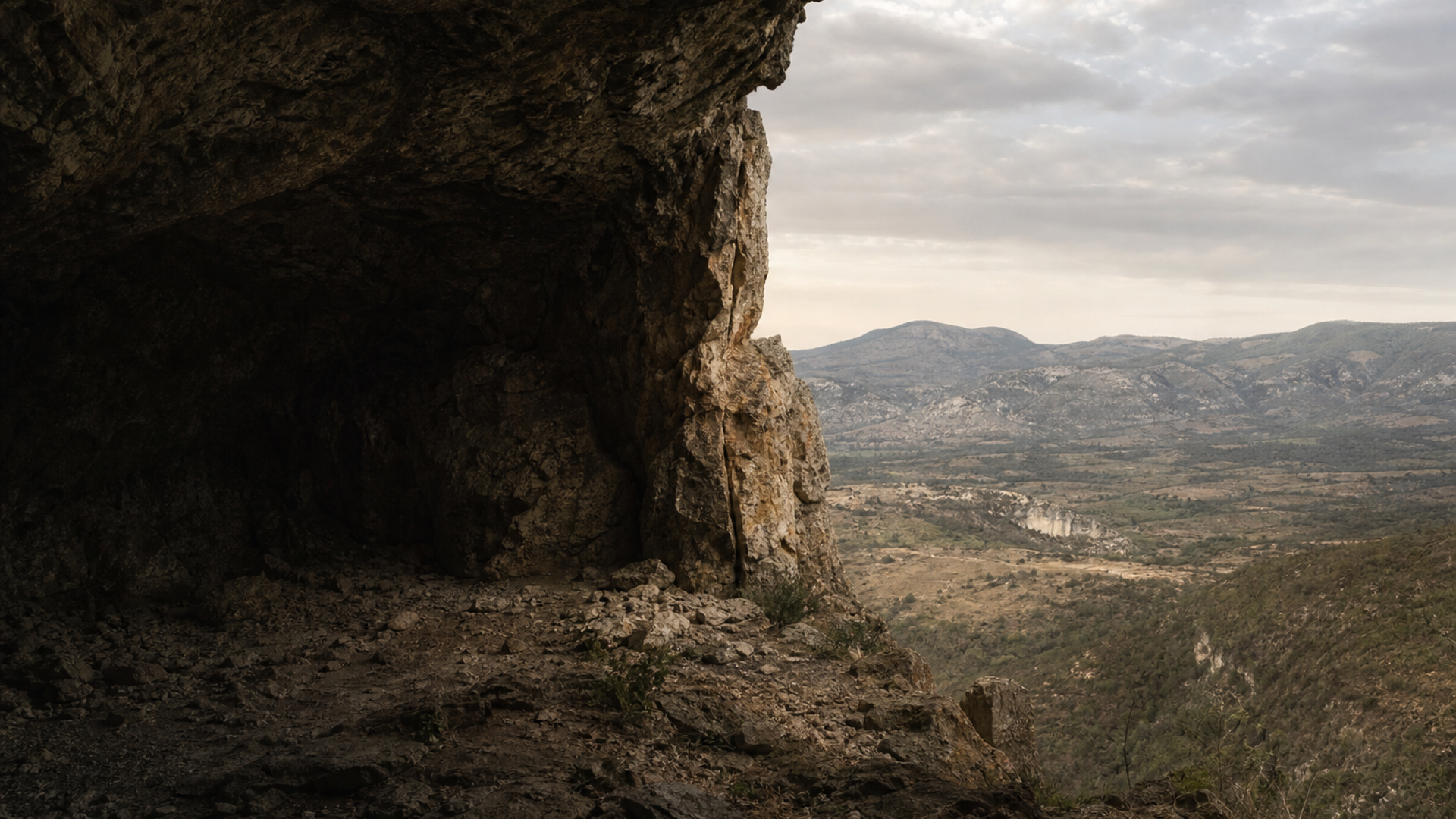
Lapa do Santo sits in the ochre‑streaked karstlands of Lagoa Santa, Minas Gerais. Archaeological data indicates repeated use of the rock shelter during the Early Holocene, roughly 8250–7140 BCE. The site preserves human burials and a modest assemblage of stone tools and ecofacts that speak to mobile hunter‑gatherer lifeways adapted to gallery forests, rivers, and caves.

Paleolandscapes at this time were shifting after the last glacial transition: seasonally variable watercourses and patchy forest offered a mosaic of resources. The human remains from Lapa do Santo capture a moment when small groups lived in close kin networks, burial practices varied, and social identity could be materialized at death. Limited evidence suggests ritualized treatment of the dead and group memory centered on the shelter itself.

Because only seven individuals have yielded DNA, interpretations of demographic origins remain provisional. Nevertheless, the combined archaeological and genetic picture places these people within the broad early populations that peopled South America in the first millennia after the initial colonization of the continents.

  • Occupation of Lapa do Santo during Early Holocene (8250–7140 BCE)
  • Rock shelter context in Lagoa Santa, Minas Gerais, Brazil
  • Evidence for varied mortuary treatments and mobile hunter‑gatherer lifeways
Chapter IV

Daily Life & Society

Archaeological deposits at Lapa do Santo preserve everyday traces: flaked stone tools, fragmented faunal bone, and burial contexts that together suggest a lifeway of mobility punctuated by repeated use of favored shelters. Toolkits were likely light and versatile, designed for cutting, scraping, and processing both plant and animal resources. Archaeological data indicates exploitation of riverine fish, small mammals, and seasonal plants, although preservation biases limit resolution on diet.

Mortuary behavior provides a rare window into social life. Burials at the site display variation in body placement and associated items, implying that identity and social relations were expressed through funerary choices. The shelter's caves and overhangs likely functioned as both living spaces and ritual stages, where memory was anchored in stone and ochre. Community sizes were probably small, kin‑based, and highly mobile, with occasional aggregation events that left denser deposits in sheltered niches.

Because organic remains and context survival vary, many everyday practices remain invisible; ongoing analyses (isotopes, microfossils) aim to refine seasonal mobility and diet.

  • Light, versatile lithic toolkits suited to diverse resources
  • Burial variation hints at social identity and ritual practice
Chapter V

Genetic Profile

Ancient DNA from seven individuals at Lapa do Santo provides one of the early genetic windows into eastern central Brazil. Y‑chromosome markers are observed as haplogroup Q (3 individuals) and haplogroup C (1 individual); mitochondrial diversity includes A2 (3), B2 (2), C (1), and D (1). These maternal and paternal lineages correspond to the canonical founding clades seen broadly across Native American populations, reinforcing archaeological indications of deep continuity with the continent's initial settlers.

However, with only seven sampled individuals the genetic picture is necessarily tentative. Small sample sizes can miss population structure, sex‑biased migration, or transient lineages. The presence of both Q and C Y‑lineages suggests multiple paternal lineages were present in the region during the Early Holocene, while the range of mtDNA haplogroups indicates maternal diversity within small groups.

When integrated with wider ancient DNA datasets from South America, these Lapa do Santo genomes contribute to models of rapid initial spread followed by regional differentiation. Ongoing sequencing, additional skeletal sampling, and comparisons with modern Indigenous genomes (with community collaboration) will be required to test hypotheses about continuity, admixture, and microregional population dynamics.

  • Y: Q (3) and C (1); mtDNA: A2, B2, C, D — matching founding American lineages
  • Sample size small (7): conclusions are preliminary and require more data
Chapter VI

Legacy & Modern Connections

Lapa do Santo stands as a cinematic emblem of Brazil's deep past: a sheltered stage where Early Holocene people lived, died, and left traces that modern science can read. The genetic affiliations to founding Native American lineages underscore long‑term links between these early inhabitants and the broader Indigenous ancestry of the Americas.

Crucially, genetic findings do not erase cultural change; they offer another axis for dialogue with archaeological evidence and with descendant communities. Given the small sample set, the most responsible message is cautious curiosity: these genomes are important first steps toward understanding regional history, but broader community‑engaged research and expanded sampling are needed to chart the full story of population continuity, migration, and cultural transformation in eastern Brazil.

  • Genetic continuity with founding Native American lineages suggested
  • Emphasis on community engagement and expanded sampling for clearer narratives
AI 电源

AI 助手

就 Lapa do Santo: Voices from Early Holocene Brazil 文化提问

AI 助手 由DNAGENICS公司制作

解锁此特性
Ask questions about the Lapa do Santo: Voices from Early Holocene Brazil culture. Our AI assistant can explain genetic findings, historical context, archaeological evidence, and modern connections.
AI 样本分析

Lapa do Santo: Voices from Early Holocene Brazil 文化是人类历史中值得了解的一章……

遗传分析揭示了与早期种群的联系,同时显示了独特的适应和文化创新的证据。 古代DNA样本提供了对迁徙模式、社会结构以及古代种群之间的生物关系的深刻见解。

这是人工智能分析的预览。 解锁全AI 助手, 以探索关于:

  • 遗传组成和祖先
  • 移徙模式和起源
  • 日常生活和文化习俗
  • 现代遗传遗产

探索更古老的文化

揭开古代世界文明的故事

使用优惠码 可减免 35% • 11月12日 到期