Maros Early Bronze Age (Hungary)

下载的 PDF 是图像副本。如需可选中文本及更好的辅助技术支持,请使用打印功能。

跳转到主内容
文明焦点

Maros Early Bronze Age (Hungary)

A compact portrait of Maros communities through graves, pottery and ancient DNA

2137 CE - 1565 BCE
Hungary — Southern Great Plain

剧情

Archaeological remains from Szöreg-C and Battonya (2137–1565 BCE) reveal Early Bronze Age Maros communities in Hungary. Four ancient genomes suggest farmer-associated Y-DNA G and diverse maternal lineages (K, T2b, T, U). Limited samples mean conclusions are tentative.

Time Period

2137–1565 BCE (Early Bronze Age)

Region

Hungary — Southern Great Plain

Common Y-DNA

G (observed in 1/4 samples)

Common mtDNA

K, T2b, T, U (each observed once)

时间线

2000 BCE

Maros Early Bronze presence

Riverine hamlets and burials across the Mureș floodplain indicate Maros cultural activity marked by pottery, metalwork and mixed farming.

Origins & Emergence

The Maros Early Bronze Age communities emerged across the southern Carpathian Basin in the late 3rd and early 2nd millennium BCE, carving settlement traces along the floodplains of the Mureș (Maros) River. Archaeological data indicates a continuity of local Neolithic-derived farming traditions combined with new features of Bronze Age material culture: buttoned and corded pottery, small copper tools and reworked settlement plans. Burials recovered at Szöreg-C (Sziv Utca) and Battonya Vörös Oktober show variations in grave goods and body treatment that likely reflect local social differentiation.

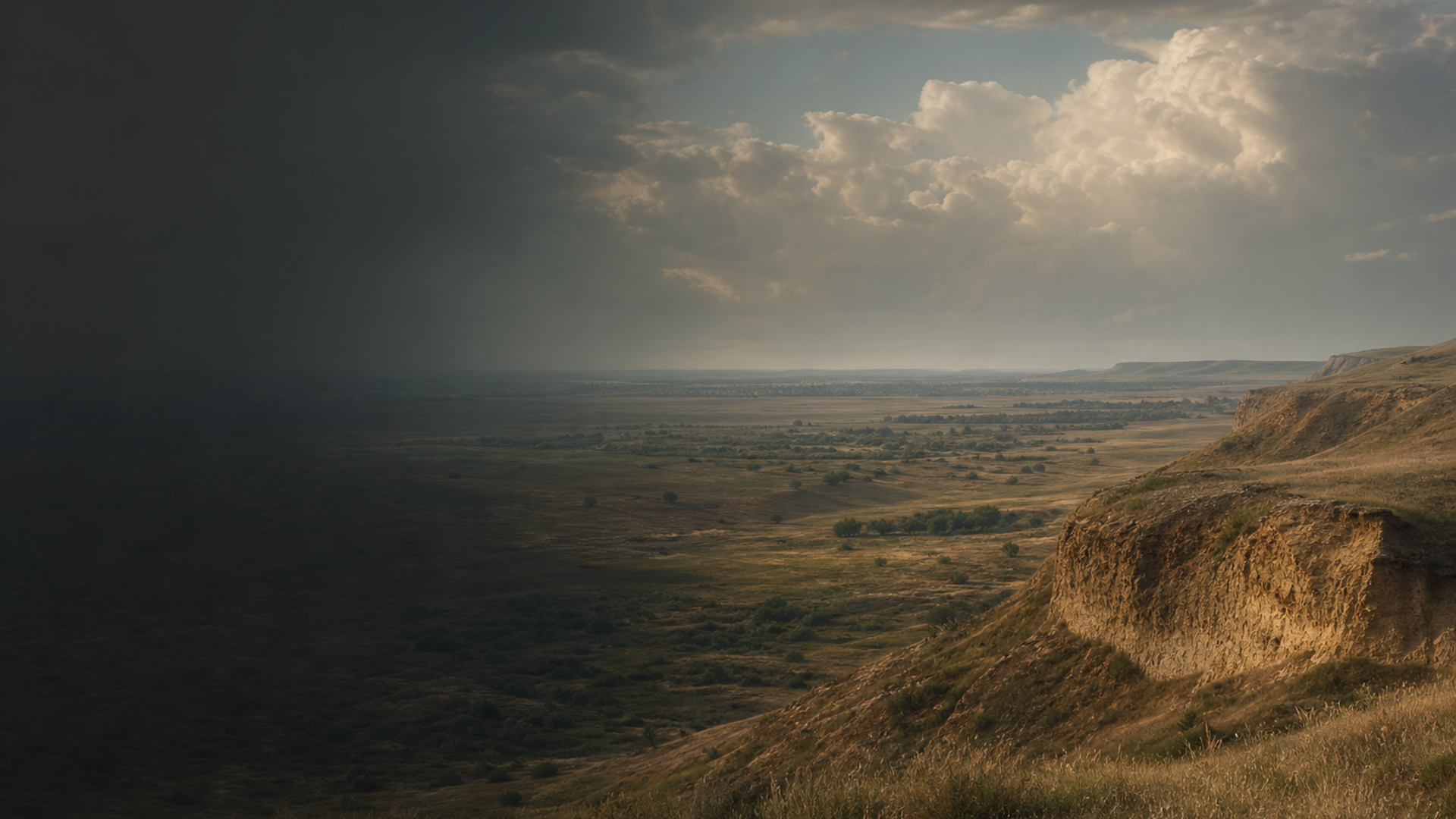
From a landscape perspective, these groups occupied river corridors and loess terraces, exploiting fertile soils and transhumant pasture. Limited evidence suggests interaction with neighboring Carpathian Basin cultures through exchange of metal, pottery styles and perhaps marriage networks. Ancient DNA from four individuals dated between 2137 and 1565 BCE provides a first, small window into the biological makeup of these communities. Because the sample size is very small, any reconstruction of broad population movements or cultural origins must be regarded as preliminary. Ongoing excavations and more genomic data are needed to clarify whether the Maros assemblages represent primarily local continuity, incoming groups, or a mixture of both.

  • Located along the Mureș (Maros) River floodplain
  • Material culture shows Neolithic continuity and Bronze Age innovation
  • Current genetic sampling is limited and preliminary

Daily Life & Society

The everyday world of the Maros Early Bronze Age can be glimpsed in pottery sherds, hearths, animal bones and the occasional copper artifact. Archaeological data indicates mixed farming economies: fields of hulled cereals, herds of cattle, sheep and pigs, and supplemental hunting and foraging in nearby woodlands. Potteries — often cord-impressed or decorated with simple motifs — speak to domestic routines of cooking, storage and communal feasting.

Settlements were likely small hamlets or farmsteads tied to kin groups. Craft specialization appears incipient: local smithing and the circulation of metal objects hint at emerging social inequalities and networks of exchange. Burial contexts from Szöreg-C and Battonya suggest variable funerary expression — some graves include personal ornaments or tools, others are modest — implying differences in status, age or role. Mobility within river valleys and seasonal movements for grazing would have shaped daily rhythms, while exchange with nearby groups brought new objects and ideas. Because written records are absent, much of this reconstruction depends on material patterns; archaeological interpretation remains open to revision as new finds and isotopic and genetic analyses expand the dataset.

  • Mixed farming with domesticated cereals and livestock
  • Evidence for early craft specialization and metal exchange

Genetic Profile

Ancient DNA from four individuals (Szöreg-C and Battonya, dated 2137–1565 BCE) provides a limited but informative genetic snapshot. One male carried Y-haplogroup G — a lineage frequently associated with European Neolithic farmer populations — while mitochondrial lineages among the four individuals included K, T2b, T and U. These maternal haplogroups are cosmopolitan in prehistoric Europe: K and T-series are often tied to farming expansions from the Neolithic, while U is a deep-rooted European lineage found both in Mesolithic hunter‑gatherers and later mixed populations.

Genetic data therefore tentatively point to a community with strong farmer-derived ancestry, potentially with admixture from older local groups. However, the very small sample count (n=4) prevents robust population-level inferences: patterns such as sex-biased migrations, admixture pulses, or links to broader steppe-related movements cannot be confidently resolved here. Archaeogenetic interpretation must therefore remain cautious — these genomes are individual snapshots that suggest continuity with Neolithic farmer genetic profiles in the Carpathian Basin, but additional samples and genome-wide analyses are required to model admixture proportions, demographic size changes, and biological relationships to neighboring Early Bronze Age groups.

  • Y-DNA G seen (linked to Neolithic farmer lineages)
  • mtDNA diversity (K, T2b, T, U) suggests mixed maternal ancestries

Legacy & Modern Connections

The archaeological and genetic echoes of the Maros Early Bronze Age persist in the layered history of the Carpathian Basin. Certain maternal and paternal lineages observed among these four individuals (e.g., haplogroup G, mtDNA K/T/U) are also present at varying frequencies in later populations and in modern Europeans. This continuity, however, is not direct proof of unbroken descent: migrations, population turnovers and centuries of cultural change have reshaped the genetic landscape since the 2nd millennium BCE.

For modern genetic ancestry platforms, the Maros EBA genomes offer useful reference points for modeling local ancestry components in Hungary and adjacent regions. Yet given the tiny sample set, any link to present-day groups should be expressed as probabilistic rather than deterministic. The true legacy of these communities is best seen as a thread in a complex tapestry of human mobility, adaptation and cultural creativity that helped forge the Bronze Age societies of Central Europe.

  • Some haplogroups persist into later and modern populations, but continuity is complex
  • Genomes useful as local reference points but require larger sample sizes

AI 助手

AI 助手 由DNAGENICS公司制作

解锁此特性
Ask questions about the Maros Early Bronze Age (Hungary) culture. Our AI assistant can explain genetic findings, historical context, archaeological evidence, and modern connections.
AI 样本分析

Maros Early Bronze Age (Hungary) 文化是人类历史中值得了解的一章……

遗传分析揭示了与早期种群的联系,同时显示了独特的适应和文化创新的证据。 古代DNA样本提供了对迁徙模式、社会结构以及古代种群之间的生物关系的深刻见解。

这是人工智能分析的预览。 解锁全AI 助手, 以探索关于:

  • 遗传组成和祖先
  • 移徙模式和起源
  • 日常生活和文化习俗
  • 现代遗传遗产
使用优惠码 可减免 30% • 11月14日 到期




