Ob River Comb‑Pit Hearths

下载的 PDF 是图像副本。如需可选中文本及更好的辅助技术支持,请使用打印功能。

Ob River Comb‑Pit Hearths

揭开一个失落的文明

正在加载考古记录……

正在收集古代记录

跳转到主内容
Ob River Comb‑Pit Hearths
文明焦点

Ob River Comb‑Pit Hearths

Seven genetic voices from comb‑pit burials on the Ob River reveal a frontier of northern and western ancestries

4352 CE - 1830 BCE
Western Siberia (Omsk Oblast, Russia)
滚动开始
Chapter I

剧情

了解 Ob River Comb‑Pit Hearths 文化

Archaeological and aDNA evidence from seven burials (4352–1830 BCE) in Omsk Oblast links Ob River comb‑pit pottery communities to mixed Siberian and West Eurasian ancestry. Limited samples make conclusions provisional, but patterns point to cultural interaction along the Ob.

Time Period

4352–1830 BCE

Region

Western Siberia (Omsk Oblast, Russia)

Common Y-DNA

R (2), Q (1)

Common mtDNA

U (2), C (2), D4j, C5c, U4a

Chapter II

时间线

这种文化历史上的关键时刻

4352 BCE

Earliest dated comb‑pit burial (local)

Radiocarbon dates place at least one burial at Okunevo Village to ca. 4352 BCE, marking early Eneolithic activity along the Ob.

Chapter III

Origins & Emergence

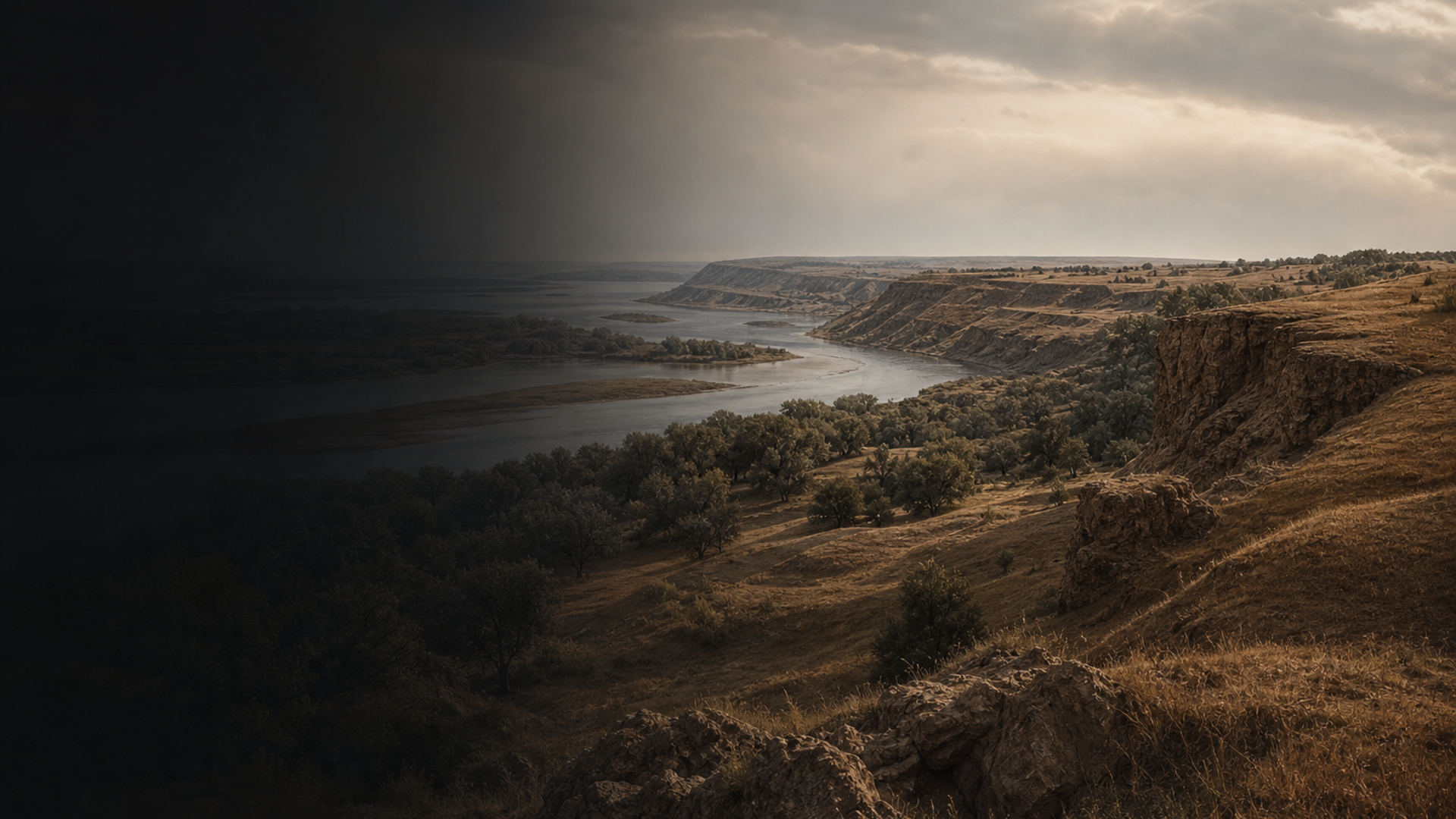
On the wide, braided floodplain of the Ob River, people of the comb‑pit tradition left impressions both in clay and in bone. Archaeological data indicates occupation and burial activity in sites such as Okunevo Village (Muromtsevsky District), Ostrov‑2 (Omsk municipality) and Borovyanka‑17 (Bolsherechensky District) between roughly 4352 and 1830 BCE. The pottery—marked by rows of combed impressions around body and neck—ties these finds to the broader Ob River Comb‑Pit Ware phenomenon, a stylistic horizon that spans the late Eneolithic into the early Bronze Age in western Siberia.

Material culture and burial practice suggest communities adapted to riverine life: seasonal fishing, exploitation of wetland resources, and mobility along waterways. Limited radiocarbon dates place some burials early in the 5th millennium BCE and others continuing into the 2nd millennium BCE, indicating a long, changing presence rather than a single short‑lived event. Archaeological data indicates contact with neighboring forest‑steppe groups — pottery forms and metallurgy traces shift over time, reflecting new contacts or internal innovations.

Given only seven ancient genomes from these sites, interpretations of origins are necessarily cautious. The emerging picture is of a culturally distinctive riverine tradition that sat at the crossroads of Siberian hunter‑gatherer lifeways and incoming West Eurasian influences, visible in both objects and DNA.

  • Sites: Okunevo burials (Okunevo Village), Ostrov‑2, Borovyanka‑17
  • Pottery: distinctive comb‑pit decoration linking to Ob River tradition
  • Chronology: intermittent use from ca. 4352 to 1830 BCE
Chapter IV

Daily Life & Society

Archaeological contexts portray lives shaped by river, marsh, and forest. Comb‑pit pottery appears alongside bone tools, fishing gear, and occasional metal objects—signs of a mixed subsistence economy. Seasonal rounds likely combined fishing and trapping in warmer months with hunting and gathering inland when the river froze. Burials in the Okunevo‑area cemeteries show careful treatment of the dead: bodies placed in distinct postures with grave goods that may signal age, sex, or status.

Settlements were probably small and mobile, linked by canoe routes and seasonal camps rather than large permanent towns. The material record hints at craft specialization in pottery and bone working; impressions and tempering techniques required practiced hands. Socially, the range of grave goods and the persistence of funerary traditions over millennia indicate stable community identities, even as external influences arrived by trade or intermarriage.

Archaeological evidence is still fragmentary; many interpretations rest on patterns visible in funerary contexts rather than full settlement excavations. Combined archaeological and genetic work is beginning to illuminate how daily life, mobility, and social networks shaped biological ancestry in this riverine frontier.

  • Economy: fishing, hunting, trapping, and seasonal mobility
  • Material culture: comb‑pit pottery, bone tools, occasional metal items
Chapter V

Genetic Profile

Ancient DNA from seven individuals (samples dated between ca. 4352 and 1830 BCE) provides a preliminary genetic portrait of these comb‑pit communities. Y‑chromosome haplogroups include R (observed twice) and Q (observed once). Haplogroup R lineages are widespread across West Eurasia and the Eurasian steppe, while Q is often associated with northern and eastern Eurasian populations; their co‑occurrence suggests male‑line contributions from both western and eastern ancestries.

Mitochondrial diversity is notable: U lineages (including U4a) occur twice, C lineages (including C5c) twice, and D4j once. Haplogroups U, C, and D are commonly found in northern Eurasian, Siberian, and some Mesolithic European contexts. This mix indicates maternal ancestries anchored in northern Eurasia with links to both ancient Siberian hunter‑gatherers and populations carrying West Eurasian maternal lineages.

Taken together, the aDNA suggests a biogeographical frontier where West Eurasian‑associated Y lineages and northern Eurasian maternal lineages meet. However, with only seven genomes, any demographic model is highly provisional. Limited evidence suggests admixture and regional continuity, but more samples are required to resolve timing, sex‑biased gene flow, and population dynamics across the 3,000‑year span represented here.

  • Y‑DNA: R (2), Q (1) — signals mixed west/east male ancestry
  • mtDNA: U (2), C (2), D4j, C5c, U4a — northern Eurasian maternal lineages
Chapter VI

Legacy & Modern Connections

The comb‑pit communities along the Ob contribute a chapter to Siberia’s deep human story: a place where riverine lifeways fostered cultural continuity and contact. Archaeological patterns and preliminary aDNA indicate these groups were neither isolated relics nor simple transients; they were dynamic, absorbing influences from steppe and forest alike.

For modern genetic landscapes, the mix of West Eurasian Y lineages and northern Eurasian maternal haplogroups seen in these seven individuals echoes broader patterns observed across Siberia and into northeastern Europe. These findings point to long‑standing regional interactions that likely contributed to the genetic tapestry of later populations in western Siberia. Yet given the small sample size, links to any specific modern group remain tentative. Ongoing sampling and integrative study of material culture, isotopes, and genomes will be essential to trace how these river communities fed into later Bronze Age and historical ancestries.

  • Represents a contact zone between West Eurasian and Siberian ancestries
  • Current conclusions are tentative — more data needed to map modern links
AI 电源

AI 助手

就 Ob River Comb‑Pit Hearths 文化提问

AI 助手 由DNAGENICS公司制作

解锁此特性
Ask questions about the Ob River Comb‑Pit Hearths culture. Our AI assistant can explain genetic findings, historical context, archaeological evidence, and modern connections.

AI 样本分析

Ob River Comb‑Pit Hearths 文化是人类历史中值得了解的一章……

遗传分析揭示了与早期种群的联系,同时显示了独特的适应和文化创新的证据。 古代DNA样本提供了对迁徙模式、社会结构以及古代种群之间的生物关系的深刻见解。

这是人工智能分析的预览。 解锁全AI 助手, 以探索关于:

  • 遗传组成和祖先
  • 移徙模式和起源
  • 日常生活和文化习俗
  • 现代遗传遗产

探索更古老的文化

揭开古代世界文明的故事

使用优惠码 可减免 35% • 11月12日 到期