River-City Echoes: Modern Iraq

下载的 PDF 是图像副本。如需可选中文本及更好的辅助技术支持,请使用打印功能。

River-City Echoes: Modern Iraq

揭开一个失落的文明

正在加载考古记录……

正在收集古代记录

跳转到主内容
River-City Echoes: Modern Iraq
文明焦点

River-City Echoes: Modern Iraq

Contemporary portrait of Mosul, Amadiya, Erbil and migrant samples via archaeology and DNA

2000 CE
Iraq (Mosul; Amadiya; Shaqlawa, Erbil; migrants in Israel)
滚动开始
Chapter I

剧情

了解 River-City Echoes: Modern Iraq 文化

A concise, scientific view of 12 modern Iraqi samples (2000 CE) from Mosul, Amadiya, Erbil and migrants collected in Israel and Iraq. Archaeological context and preliminary genetic observations highlight regional continuity and complex recent admixture.

Time Period

2000 CE

Region

Iraq (Mosul; Amadiya; Shaqlawa, Erbil; migrants in Israel)

Common Y-DNA

Not reported / variable in this sample set

Common mtDNA

Not reported / variable in this sample set

Chapter II

时间线

这种文化历史上的关键时刻

2000 CE

Contemporary sampling and migration

Twelve modern samples collected in 2000 CE from Mosul, Amadiya, Shaqlawa, and migrants sampled in Israel and Iraq, offering a limited window into recent ancestry.

Chapter III

Origins & Emergence

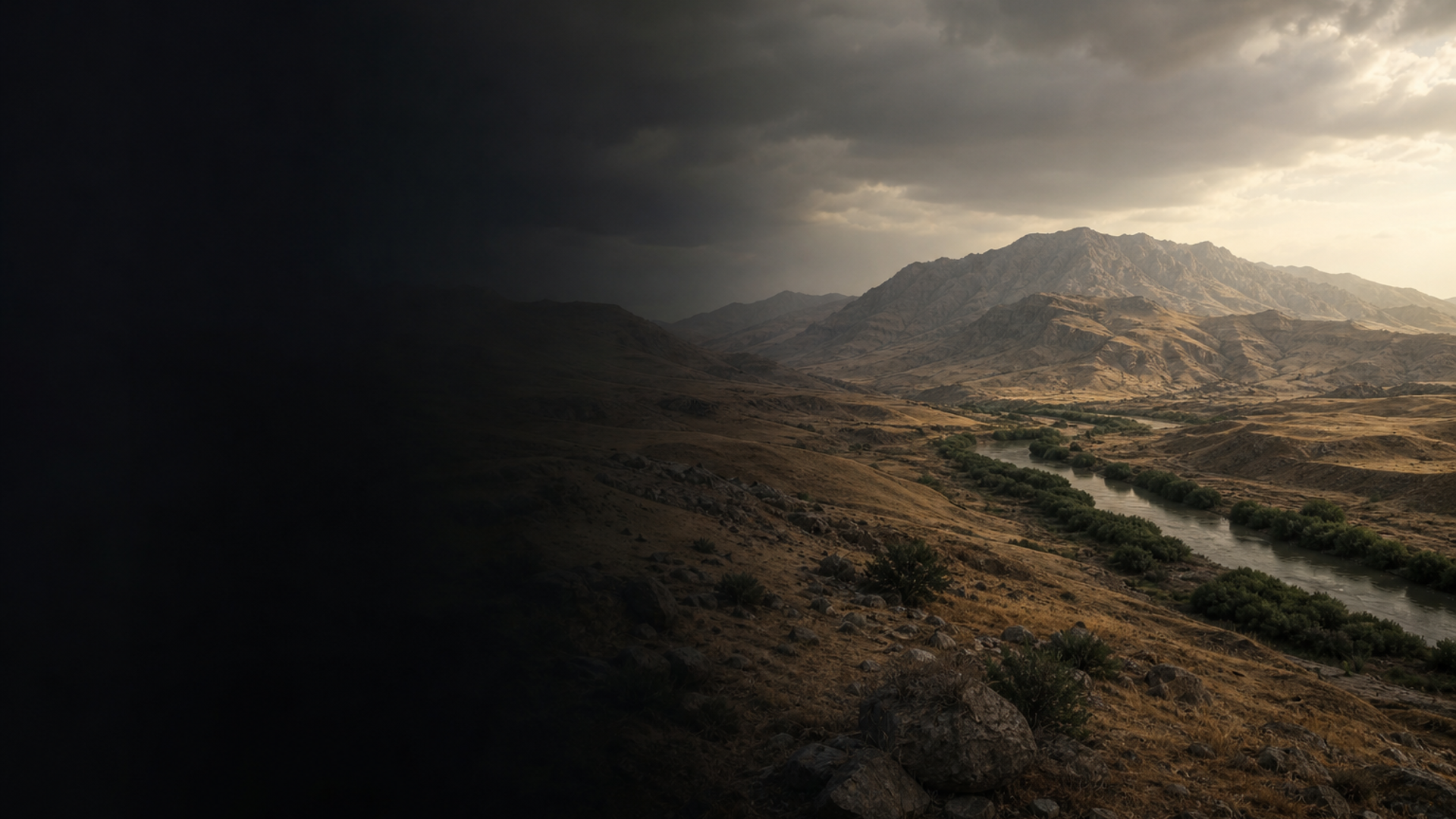
The samples in this collection date to the year 2000 CE and represent living people and recent migrants from across northern Iraq and migrant communities sampled in Israel. Archaeological data for this timeframe is primarily historical and ethnographic rather than prehistoric: urban continuity along the Tigris and surrounding highlands provides a backdrop of millennia of settlement. Sites and place-names tied to these samples include Mosul (northern Mesopotamia), Bibad / Amadiya (a highland town with long local history), and Shaqlawa near Erbil — places where ancient layers of Assyrian, Hellenistic, Islamic and Ottoman occupation remain visible in material culture.

Limited evidence suggests continuity of population presence in these micro-regions, but modern periods are shaped strongly by migration, displacement and recent demographic shifts. The archaeological record at modern sites often complements oral histories, civil records and built heritage rather than isolated strata of material culture. In short: these individuals emerge from landscapes with deep palimpsests of settlement, and their recent origin stories are tightly entwined with 20th-century movements, urban growth and regional conflicts that archaeology documents alongside historical sources.

  • Samples date to 2000 CE; context is contemporary/ethnographic.
  • Locations: Mosul, Bibad (Amadiya), Shaqlawa (Erbil), and migrants sampled in Israel.
  • Archaeological continuity exists but modern demography is shaped by recent migration and conflict.
Chapter IV

Daily Life & Society

Daily life in these communities — whether in Mosul’s riverine neighborhoods, the mountain town of Amadiya, or the Kurdish plains around Erbil — is layered with ancient practices and modern adaptations. Material culture visible in homes and markets includes handcrafted textiles, ceramic traditions, built stone architecture in older quarters, and agricultural practices tied to local microclimates. Archaeology of contemporary urban neighborhoods often records renovations, reuse of ancient stones, and accumulation of modern debris that, when carefully interpreted, traces continuity in craft, cuisine and settlement patterns.

Socially, northern Iraq is plural: Kurdish, Arab, Assyrian, Yazidi, Turkmen, and Mandean traditions coexist and interweave through language, religion, and kinship. The samples here were collected from people with diverse self-identities and migration histories; migrants sampled in Israel point to recent diasporic ties and transnational family networks. Ethnographic observation and built-environment archaeology indicate resilient local practices alongside rapid social change since the mid-20th century. These human stories provide crucial context for interpreting genetic data: living practices, marriage networks and mobility patterns all shape the biological signals we observe.

  • Material culture reflects both ancient continuity and modern reuse.
  • Communities are ethnically and religiously diverse, affecting social networks and mobility.

Chapter V

Genetic Profile

This dataset comprises 12 modern samples collected in 2000 CE — a small but valuable window into recent ancestry. No single Y-DNA or mtDNA haplogroup is reported as dominant in this set; results are therefore preliminary. Genetic diversity in northern Iraq typically reflects long-term Mesopotamian continuity layered with later gene flow from neighboring regions (Anatolia, the Iranian plateau, the Arabian Peninsula) as well as population movements in historical times. Archaeological and historical evidence of urban centers, trade routes and empire boundaries align with genetic expectations of mixed ancestry and local endogamy in some communities.

Because the sample count is modest, we must emphasize caution: statistical power to characterize population-wide haplogroup frequencies or fine-scale admixture is limited. However, ancient DNA studies from nearby regions suggest that modern Near Eastern populations often preserve signals of ancient Near Eastern farmers, Bronze Age movements, and more recent medieval and modern admixture events. In this contemporary assemblage, combining archaeological context (place of origin, migration history, local ethnography) with genetic data allows nuanced hypotheses about recent ancestry and mobility, which should be tested with larger, geographically structured sample sets.

  • Sample size n=12 — conclusions are preliminary and require larger datasets.
  • No dominant Y or mtDNA haplogroup reported in this small collection.
Chapter VI

Legacy & Modern Connections

The people represented by these samples inhabit landscapes that have been crossroads for millennia. Archaeology shows that towns like Mosul and Amadiya preserve architectural traces, marketplaces and community networks that tie modern life to ancient urban rhythms. Genetically, modern Iraqi populations often reflect this deep layering: continuity from ancient Mesopotamian cores combined with pulses of mobility and migration.

For ancestry research, these samples underscore the importance of integrating archaeological place, oral history and recent migration records. They remind us that genetic ancestry is not a single story but a palimpsest: each lineage carries echoes of local continuity, historical movements, and the immediate recent past. Given the small sample size, these narratives are best treated as provisional sketches that point toward richer portraits once broader, community-centered sampling is undertaken.

  • Modern communities reflect millennia of cultural and genetic layering.
  • Integrating archaeology, history and DNA yields more meaningful ancestry interpretations.
AI 电源

AI 助手

就 River-City Echoes: Modern Iraq 文化提问

AI 助手 由DNAGENICS公司制作

解锁此特性
Ask questions about the River-City Echoes: Modern Iraq culture. Our AI assistant can explain genetic findings, historical context, archaeological evidence, and modern connections.
AI 样本分析

River-City Echoes: Modern Iraq 文化是人类历史中值得了解的一章……

遗传分析揭示了与早期种群的联系,同时显示了独特的适应和文化创新的证据。 古代DNA样本提供了对迁徙模式、社会结构以及古代种群之间的生物关系的深刻见解。

这是人工智能分析的预览。 解锁全AI 助手, 以探索关于:

  • 遗传组成和祖先
  • 移徙模式和起源
  • 日常生活和文化习俗
  • 现代遗传遗产

探索更古老的文化

揭开古代世界文明的故事

使用优惠码 可减免 35% • 11月12日 到期




